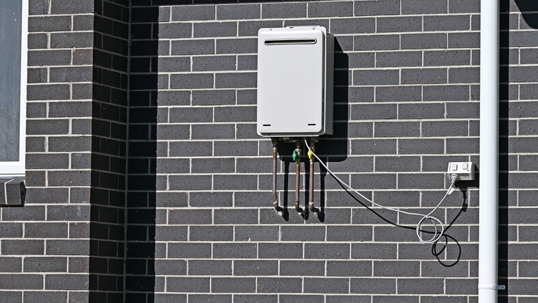
Having a reliable hot water heater is essential for the comfort and functionality of your home. Yet, like all appliances, water heaters have a limited lifespan. Recognizing when to replace your water heater can prevent inconvenience and potential water damage. In this guide, we'll walk you through the signs that indicate it's time for a replacement, how to assess your current water heater's condition, and what steps you can take to ensure a smooth transition to a new unit.
Understanding the Lifespan of a Water Heater
On average, traditional tank water heaters last about 8 to 12 years, while tankless models can endure for over 20 years. Knowing the age of your water heater can help you anticipate when a replacement might be necessary. If you’re unsure about its age, you can typically find this information on the manufacturer’s label or serial number on the unit.
Factors Affecting Water Heater Longevity
Several factors influence how long your water heater will last:
- Water Quality: Hard water with high mineral content can lead to sediment buildup, reducing the water heater's efficiency and lifespan.
- Usage: The more frequently you use hot water, the more wear and tear on the heater.
- Maintenance: Regular maintenance, such as flushing the tank to remove sediment, can extend the life of the unit.
Signs You Need to Replace Your Water Heater
Being attentive to the condition of your water heater can help you identify when it's time for a replacement. Here are some common signs to watch for:
Age
If your water heater is nearing the end of its typical lifespan (8-12 years for tank water heaters), it's wise to start considering a replacement. Older units are more prone to leaks and other issues.
Rusty Water
If you notice rusty water coming from your hot taps, it might indicate that the inside of your tank is rusting. This is a clear sign that your water heater may fail soon, and it’s time to consider a replacement.
Noise from the Tank
As your water heater ages, sediment builds up at the bottom of the tank. When heated, this sediment can harden, causing rumbling or banging noises. This not only reduces efficiency but also signifies that the unit is nearing the end of its life.
Leaks and Moisture
Puddles or moisture around the base of your water heater suggest a leak, often due to a crack in the tank. Leaks can lead to water damage, so it's crucial to address this issue promptly.
Inconsistent Water Temperature
If your water heater no longer provides a consistent supply of hot water, or if the water isn’t as hot as it used to be, it may be struggling to keep up with demand. This could be a sign that it's time for a new unit.
Steps to Take When Replacing Your Water Heater
Once you've determined that replacement is necessary, follow these steps to ensure a successful transition:
Evaluate Your Options
Before purchasing a new water heater, consider the different types available:
- Tank Water Heaters: Traditional and typically less expensive upfront, but they have higher energy costs.
- Tankless Water Heaters: More expensive to install but offer energy savings and a longer lifespan.
- Heat Pump Water Heaters: Use electricity to move heat from the air, rather than generating heat directly, making them more energy-efficient.
Consider the Size and Capacity
Choose a water heater that fits your household's needs. For larger families, a bigger tank or a tankless system might be more appropriate to ensure a steady supply of hot water.
Professional Installation
While some homeowners might feel comfortable installing a water heater themselves, it's often best to hire a professional. They can ensure the installation is up to code, safe, and efficient.
Disposal of the Old Unit
Many professionals will handle the disposal of your old water heater as part of the installation service. If not, contact your local waste management service to learn about proper disposal methods.
Maintenance Tips to Extend the Life of Your New Water Heater
Once your new water heater is installed, proper maintenance is key to its longevity:
- Regularly Flush the Tank: This helps remove sediment buildup and keeps your heater running efficiently.
- Check the Anode Rod: This rod helps prevent tank corrosion. Inspect it annually and replace it if it's corroded.
- Insulate the Tank and Pipes: Insulation helps reduce heat loss and can improve efficiency.
Conclusion
Knowing when to replace your water heater can save you from unexpected cold showers and potential water damage. By understanding the signs of a failing unit and knowing what steps to take when replacement becomes necessary, you can ensure a smooth transition and continued comfort in your home. Regular maintenance will help extend the life of your new water heater, providing peace of mind and reliability for years to come.