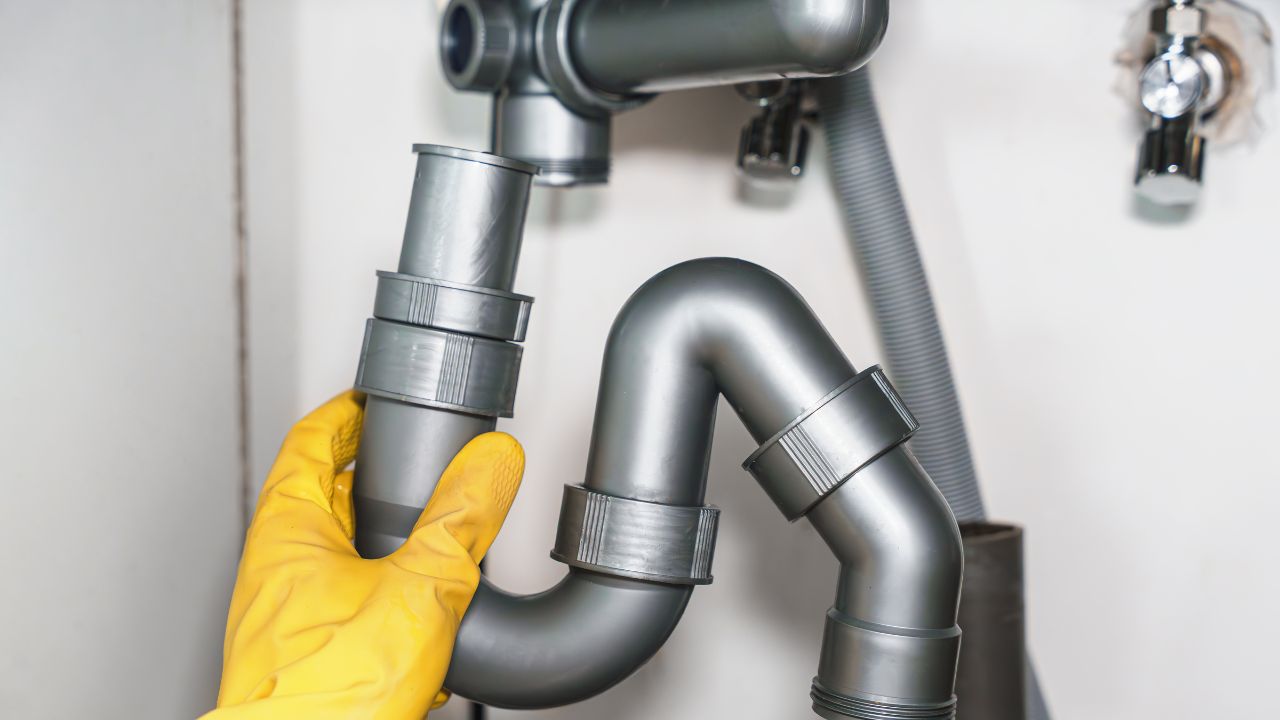
DIY faucet installation voids warranties and risks $3,600-17,000+ in water damage, professional service ($150-500) includes liability coverage and labor warranties.
California's 2.2 GPM code requires compliant fixtures; non-compliant DIY installations require a professional redo, paying twice for the same job.
Preventive drain maintenance prevents costly backups, monthly kitchen sink flushes, quarterly bathroom maintenance, and annual professional sewer line inspection.
Small leaks compound into major costs, even slow drips waste 200-400 gallons monthly while damaging cabinets, subfloors, and creating mold.
Professional installation protects home value; visible DIY plumbing becomes a red flag during home sales, reducing offers and complicating closings.
California homeowners face unique plumbing challenges. Hard water accelerates system wear, strict conservation codes mandate 2.2 GPM fixtures, and water damage claims from faulty DIY work often face insurance denials. While DIY faucet installation promises savings, hidden costs, voided warranties, code violations, and catastrophic leak damage quickly erase any initial gains.
This guide reveals the true cost comparison between DIY and professional installation, provides room-by-room drain maintenance schedules tailored to California's hard water conditions, and explains when calling a licensed plumber protects both your wallet and your home's value.
What Does DIY Faucet Installation Really Involve, And Cost?
DIY faucet installation appears straightforward until tools go missing, parts don't fit, or connections leak. The true cost extends beyond the faucet price; it includes specialized tools, replacement parts, time investment, and significant financial risk from errors.
What Tools, Parts, And Skills Do Most DIY Faucet Jobs Require?
Improper sealing creates slow leaks; causes hidden water damage
Part
Supply lines (braided)
$10-30
Wrong size or cheap quality leads to catastrophic failures
Part
Shut-off valves
$15-40 each
Corroded valves fail during installation; requires emergency shutoff
Skill
Plumbing knowledge
Time investment
Mistakes cause leaks, code violations, voided warranties
Which Costs Do Homeowners Overlook When Comparing DIY To Professional Installation?
Many high-end faucet manufacturers require licensed professional installation to honor product warranties. DIY installation voids warranties entirely, leaving homeowners with full replacement costs when defects occur.
Cost Item
DIY Reality
Professional Service
Tools & parts
$50-300+ in unexpected purchases
Included in flat service fee
Time investment
3-11+ hours over multiple trips
1-2 hours total
Warranty coverage
Often voided by DIY work
Full manufacturer & labor warranty
Damage risk
$3,000-17,000+ potential costs
Covered by contractor insurance
Code compliance
May violate CA 2.2 GPM rule
Guaranteed compliant installation
California-Specific Requirements:
California mandates that faucets not exceed 2.2 gallons per minute (GPM)
DIY installations of non-compliant fixtures require professional redo, paying twice for the same job
If major water damage traces back to faulty DIY plumbing, homeowner's insurance may deny the entire claim
What Does Professional Faucet Installation Include?
Licensed plumbers deliver turnkey service that extends beyond basic installation. Professional plumbing services include pre-inspection, code compliance verification, pressure testing, and liability coverage, eliminating homeowner risk while ensuring long-term reliability.
Professional Installation Includes:
Pre-inspection of shut-off valves and supply lines for corrosion
Complete old faucet removal and proper disposal
Valve assessment and replacement if showing wear
Code-compliant sealing and connections per California standards
Pressure testing and multi-point leak verification
Labor warranty and full liability coverage
Licensed plumbers provide a warranty on their labor, ensure fixtures meet all local and state codes, and shift liability for installation-related damage from the homeowner to the contractor.
Scenario
DIY Cost
Pro Installation
Risk Difference
Basic bathroom faucet
$50-100
$150-250
DIY risks warranty void, leak damage
Kitchen faucet upgrade
$75-150
$200-350
Pro includes testing, disposal, compliance
Faucet + valve replacement
$100-200+
$300-500
DIY extremely high risk with corroded valves
How Do DIY Mistakes Create Hidden Costs Over Time?
Small installation errors compound into expensive disasters. A minor leak from improper sealing starts as water stains, progresses to mold growth, and culminates in structural damage requiring thousands in remediation. The initial savings evaporate when cabinets rot, subfloors buckle, and insurance denies claims.
How Can Small Installation Errors Lead To Water Damage And Mold?
Mistakes like over-tightening connections or improper sealing create leaks. A slow leak causes mold, rot, and structural damage to cabinets and flooring, potentially costing thousands in remediation.
Damage Cost Progression:
Cabinet replacement: $500-2,000
Subfloor repair: $800-3,000
Drywall/paint restoration: $300-1,000
Flooring replacement: $500-5,000
Mold remediation: $1,500-6,000+
Total potential damage: $3,600-17,000+
How Do Code Violations And Insurance Issues Multiply DIY Costs?
California Code & Insurance Risks:
Non-compliant fixtures (over 2.2 GPM) require professional correction, paying twice
Insurance may deny water damage claims from faulty DIY plumbing
Failed home inspections require corrections before sale
Voided warranties mean full out-of-pocket repair costs for defective products
How Do Leaks Impact Monthly Utility Bills?
Leak Rate
Water Wasted/Month
Added Monthly Cost
Slow drip (5-10 drips/min)
200-400 gallons
$3-8
Fast drip (20-30 drips/min)
800-1,200 gallons
$12-25
Small stream
2,000-3,000 gallons
$30-60
Moderate leak
5,000-7,000 gallons
$75-140
Hard water causes efficiency loss up to 48% in plumbing systems. Improper DIY installation compounds this with persistent leaks and poor connections, driving utility costs higher every month.
How Do Time, Warranties, And Home Value Factor Into True Costs?
Hidden costs extend beyond materials and tools. Time investment, voided warranties, and reduced home value create a financial impact that surfaces months or years after installation. Professional service protects long-term value while DIY work often becomes a liability during home sales.
What's The Real Time Investment For DIY vs. Professional Work?
Task
DIY Time
Pro Time
Research & prep
1-3 hours
5-10 minutes
Removal
30 min-2 hours
15-30 minutes
Installation
1-3 hours
30-60 minutes
Troubleshooting
30 min-3 hours
5-15 minutes
Total
3-11+ hours
1-2 hours
Common DIY Time Sinks: Stuck mounting nuts requiring special tools, wrong parts necessitating return trips, multiple store visits, re-sealing after failed attempts, and endless online research for troubleshooting.
How Do Warranty And Resale Issues Affect Long-Term Value?
No labor warranty for DIY repairs, full replacement cost if installation fails
Related component warranties (valves, supply lines) may be voided by DIY damage
Manufacturer support unavailable for DIY installations
Resale Impact:
Visible DIY plumbing is viewed as "red flag" by home inspectors and buyers
Professional documentation supports property appraisals and buyer confidence
DIY work becomes negotiation leverage for price reductions
May require professional corrections before closing, delaying sales, and adding costs
When Should Homeowners Call Professionals For Plumbing Maintenance?
Regular maintenance prevents emergency repairs. While homeowners can handle simple tasks like drain flushing, professional drain and sewer services become essential for main line issues, corroded components, and installations requiring warranty protection.
What's The Recommended Drain Cleaning Schedule To Prevent Backups?
Following a consistent drain cleaning schedule prevents kitchen & bathroom clogs before they escalate into expensive emergencies. Preventive enzyme use offers an eco-friendly alternative to harsh chemicals, breaking down organic matter safely.
Area
Debris Type
Frequency
Method
Kitchen Sink
Grease, food, soap
Monthly
Baking soda/vinegar flush or preventive enzyme treatment, hot water rinse
Bathroom Sinks/Tubs
Hair, soap scum
Every 3-4 Months
Quarterly flush, weekly hair catcher cleaning
Laundry Sink
Lint, detergent
Every 2-3 Months
Bi-monthly hot water flush, monthly lint trap
Main Sewer Line
Waste, tree roots
Annually
Professional hydro-jetting inspection
Best Practices:
Avoid pouring cooking grease into any drain; dispose of it in the trash
Use drain screens in all sinks and tubs to catch debris
Use baking soda/vinegar or enzyme treatments instead of toxic chemical drain cleaners
Schedule annual professional inspection for homes with mature trees. Root intrusion warning signs include slow drains and gurgling sounds
Know when to hydro-jet: persistent slow drains, recurring clogs, or visible tree root penetration require professional hydro-jetting to clear main sewer lines
When Should You Definitely Call A Professional Plumber?
Red Flags Requiring Professional Service:
Corroded or frozen shut-off valves that won't turn
No existing shut-off valves present
Evidence of prior leaks (water stains, warping, mold)
Complex manifolds or mixed pipe materials (copper to PEX)
Visible rust, mineral buildup, or crystallized deposits
How Can Homeowners Choose The Right Plumber And Prepare For Service?
Proper plumber selection protects against code violations and substandard work. Verification of credentials, insurance, and California-specific expertise ensures compliant installation. Simple preparation reduces service time and costs.
What Should You Verify And Ask When Hiring A Plumber?
Active license through the California Contractors State License Board (CSLB)
Current liability and workers' compensation insurance
Specific experience with California's 2.2 GPM water conservation code
Established business history (5+ years) and verifiable references
Key Questions for Quotes:
What's included in the quoted price? (disposal, parts, testing)
What's the warranty length on parts and labor?
How do you handle unexpected issues like corroded valves?
Do you guarantee California code compliance and documentation?
What's the timeline from start to finish?
How Can You Prepare To Minimize Professional Service Time?
Pre-Service Preparation:
Clear the under-sink cabinet completely, and remove all stored items
Document any known plumbing issues (slow drains, water pressure problems)
Choose a faucet beforehand or request the plumber's purchasing assistance
Ensure adequate work area lighting with a portable lamp if needed
Take photos of the current setup for insurance documentation
Making The Smart Choice For Your Home
The apparent savings of DIY faucet installation disappear quickly once you factor in the hidden costs. While professional installation typically ranges from $150–$500, doing it yourself can lead to expenses like $50–$300 or more for tools and surprise parts, the risk of water damage costing anywhere from $3,600–$17,000 or higher, and the possibility of voiding both warranties and insurance coverage. DIY projects also demand a significant time investment, often 3–11+ hours compared to a professional’s 1–2 hours, and any ongoing leaks you miss can add $30–$140 or more to your monthly bills. In California, code violations, such as failing to meet the 2.2 GPM flow rate requirement, can even force you to pay for a professional redo after the fact.
Licensed plumbers not only shift liability from you to the contractor but also provide labor warranties and ensure full compliance with California plumbing codes, protecting your home, your warranties, and your insurance coverage. If you’re planning a faucet upgrade, a smart approach is to photograph your under-sink setup and shut-off valves, request quotes from two or three licensed California plumbers, and compare the true cost of professional installation against the financial and practical risks of DIY. For most California homeowners, professional installation is the smartest investment for long-term peace of mind and property protection.
Need expert faucet installation or plumbing maintenance? Contact Alpine Plumbing & Rooter for licensed, warranty-backed service that protects your home and investment.
Welcome to Alpine Plumbing and Rooter, serving San Dimas and the surrounding areas as your reliable source for exceptional plumbing and drainage services. We also provide reliable licensed HVAC services.
After reviewing your information, we will contact you as soon as possible.
"*" indicates required fields
Alpine Plumbing, Heating, and Air
462 Borrego Ct Unit A, San Dimas, CA 91773
CA Plumbing/HVAC License: #1041244 AZ Plumbing License: ROC 362311
Welcome to Alpine Plumbing, Heating, and Air, serving San Dimas, San Bernardino, Lake Havasu, AZ, and the surrounding areas. We are your reliable source for exceptional plumbing, Heating, and Air Conditioning needs.