Key Takeaways
- Leak Detection Costs Vary by Method and Property Type: Residential leak detection ranges from $150-$500, while commercial services cost $300-$1,500 or more. Detection methods include acoustic ($200-$500), thermal imaging ($300-$600), video inspection ($250-$1,000), and pressure testing ($150-$400).
- Early Detection Prevents Massive Expenses: Catching leaks in the first month costs $200-$500 to repair, but waiting three months or longer escalates costs to $10,000 or more. The national average for water damage repair is $3,814, with severe cases reaching $75,000.
- DIY Approaches Often Cost More Long-Term: DIY repairs typically cost $1,000 but remain incomplete, leading to professional repairs for overlooked problems costing $5,000 or more. Professional detection solves problems correctly the first time.
- Professional Detection Reduces Water Bills: A single drip wastes over 1,000 gallons annually. Homeowners achieve up to 10% reductions in water bills after professional leak detection and repair, with savings continuing indefinitely.
- Multiple Factors Affect Final Costs: Leak location, detection equipment, job complexity, geographic area, and property type all influence pricing. Emergency services add $100-$300, while water damage restoration can cost $500-$3,500 for drying and dehumidification alone.
Water leaks can silently destroy your property and drain your wallet. A small, undetected leak costing just $300 to fix today can escalate into $10,000 or more in water damage within months. Understanding leak detection costs helps you make informed decisions about protecting your home or business. Professional leak detection services range from $150 to $1,500 depending on property type, detection method, and leak complexity.
This investment prevents catastrophic damage and saves money long-term through reduced water bills and avoided restoration costs. Whether you're experiencing warning signs or considering preventive inspection, knowing what to expect financially empowers you to act quickly and choose the right service for your needs.
What is Water Leak Detection and Why is it Important?
Water leak detection identifies hidden plumbing problems before they cause severe damage. Professional leak detection services use specialized equipment to locate leaks in walls, floors, foundations, and underground pipes. Early detection prevents costly repairs and protects your property investment.
What is Water Leak Detection?
Water leak detection is the process of locating water escaping from plumbing systems using professional equipment and techniques. Plumbers use acoustic sensors, thermal imaging cameras, pressure testing, and tracer gas technology to find leaks without destructive exploration. These methods pinpoint exact leak locations in residential and commercial plumbing services.
Why Water Leak Detection Matters for Property Owners
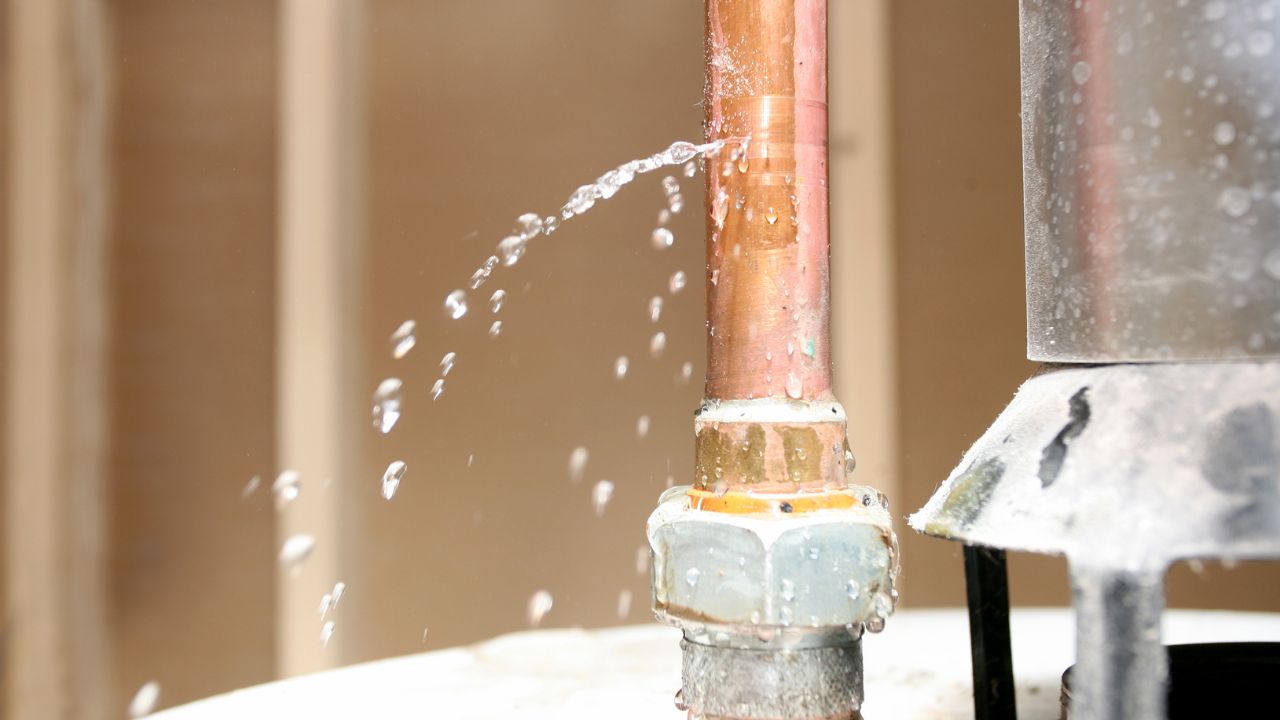
The average water damage insurance claim exceeds $11,000. Water damage behind walls develops silently over weeks or months before obvious symptoms appear. A single drip wastes over 1,000 gallons of water annually, increasing utility costs while damaging structural elements. Professional leak detection services catch problems early, preventing expensive restoration work and mold remediation.
Common Types of Leaks in Plumbing
Common plumbing leaks include slab leaks under concrete foundations, sewer line leaks in underground pipes, and supply line leaks behind walls. Water heaters, swimming pools, and gas lines also develop leaks requiring specialized detection. Issues encountered with water heaters often involve corroded tanks or failed pressure relief valves. Each leak type requires different detection methods, affecting the cost of leak detection and repair complexity.
What Factors Affect the Cost of Water Leak Detection Services?
Water leak detection costs aren't one-size-fits-all. Multiple factors influence how much you'll pay for professional services. Understanding these variables helps you anticipate costs and avoid surprise bills.
Size and Location of the Leak
Where the leak is hiding makes a significant difference in detection costs. Visible leaks under sinks or around fixtures are easier and cheaper to identify. Professionals can often spot these problems quickly without specialized equipment.
Hidden leaks are a different story. Leaks concealed behind walls, under floors, or in your foundation require specialized tools and more time to locate. Harder-to-access leaks drive up costs because technicians need advanced detection methods and may need to navigate tight spaces or obstacles to pinpoint the exact location.
Equipment Used for Leak Detection
Different detection methods require varying tools and expertise levels, which directly impacts pricing. The technology needed to find your leak determines much of the service cost.
Tracer gas detection offers a cost-effective option for certain leak types. The 5% Hydrogen/95% Nitrogen mixture used costs about 25% the price of helium-based alternatives. The Loktracer TLD500 system costs approximately one-third of comparable helium systems, making it an economical choice for both service providers and customers.
Gas requirements vary by job size. A residential pool pipe typically needs 1-3 cubic feet of tracer gas to fill for testing. Tracer gas cylinders generally cost $60-$70 per cylinder, though prices vary by supplier. Having adequate gas supply is essential since deep underground leaks may require extended detection periods.
Complexity of the Job and Required Labor
Simple jobs cost less than complicated ones. Minor leaks are easier and quicker to detect, lowering overall costs. A straightforward leak with clear symptoms can often be identified within minutes.
Extensive or multiple leaks require more time and effort from technicians. Detection time varies based on conditions. If a line is 2 feet below ground, detection might take just a few minutes. Deeper lines or more complex plumbing configurations extend the timeline and increase labor costs.
Geographic Location and Accessibility
Where you live affects what you pay. Urban areas typically have higher prices than rural regions due to increased operating costs and higher cost of living. Service providers in cities face higher overhead expenses that get passed to customers.
Costs vary significantly based on location and local cost of living. The same leak detection service might cost substantially different amounts in different parts of the country. Getting quotes from local providers gives you the most accurate pricing for your area.
Residential Vs. Commercial Plumbing Services
Property type impacts pricing substantially. Residential properties typically cost less due to simpler plumbing systems. Home plumbing is generally more straightforward to navigate and diagnose.
Commercial properties are more expensive because of larger, more complex systems. Commercial buildings often have multiple floors, extensive pipe networks, and specialized plumbing configurations. These factors require more time, expertise, and often multiple technicians to complete leak detection services.
What is the Average Cost of Water Leak Detection?
Understanding typical leak detection costs helps you budget appropriately and recognize fair pricing. Costs vary based on detection method, property type, and leak complexity.
General Price Range for Water Leak Detection Services
The detection method determines much of your cost. Each technique uses different equipment and expertise levels:
- Acoustic Leak Detection costs $200-$500. Technicians use listening devices to detect leak sounds through pipes and walls. This method works well for pressurized water line leaks.
- Thermal Imaging ranges from $300-$600. Infrared cameras detect temperature variations caused by water leaks, making them ideal for finding moisture behind walls and in concealed areas.
- Video Pipe Inspection costs $250-$1,000. Cameras inserted into pipes provide visual inspection of the interior. Price varies based on pipe length and access difficulty.
- Smoke Testing runs $200-$500. Technicians inject smoke to detect leaks or blockages in sewer and drain lines. The smoke reveals exit points.
- Pressure Testing is the most economical at $150-$400. This method checks pipe pressure to identify leaks. It's effective for closed systems but may not pinpoint exact locations.
How Much for Leak Detection in Residential Areas?
Residential leak detection typically costs $150-$500. Most homeowners pay somewhere in this range for standard detection services. Simple leaks at the lower end, complex hidden leaks at the higher end.
How Much for Leak Detection in Commercial Areas?
Commercial leak detection costs $300-$1,500 or more. Commercial properties require higher investment due to larger plumbing systems and more complex configurations. Multi-story buildings and extensive pipe networks increase detection time and cost.
Factors Influencing the Total Cost of Leak Detection
Leak type significantly impacts pricing:
- Gas Leak Detection costs $200-$600. Gas leaks require specialized equipment and safety protocols, affecting the price.
- Slab Leak Detection ranges from $300-$800. Finding leaks under concrete slabs requires specialized acoustic or thermal imaging equipment.
- Sewer Line Leaks cost $250-$1,000. Sewer line detection often needs video inspection equipment and may involve excavation access points.
- Swimming Pool Leaks run $200-$1,000. Pool leak detection varies based on pool size and leak location (plumbing lines vs. shell).
- Emergency Services add $100-$300 to your bill. After-hours calls on nights, weekends, or holidays incur premium charges. Urgent situations requiring immediate response increase costs but may prevent more expensive damage.
How Does Plumbing Leak Detection Pricing Compare Across Different Service Providers?
Not all leak detection services charge the same rates. Understanding how providers differ helps you make informed decisions and get the best value for your money.
Comparing Prices Between Local and National Plumbing Services
Local and national plumbing companies structure their pricing differently. Local plumbers often have lower overhead costs and may offer more competitive rates for standard services. They typically provide personalized service and can respond quickly to calls in their service area.
National chains bring standardized pricing and procedures. They often have access to more advanced equipment and extensive training programs. However, their rates may include franchise fees and corporate overhead that local independents don't carry.
Getting multiple quotes from both local and national providers gives you the full pricing picture. Compare not just the bottom line but also what's included in each service package.
How the Quality of Service Affects Pricing
Higher-quality services often cost more upfront but save money overall. Accuracy and precision with advanced tools reduce unnecessary repairs. When technicians pinpoint leaks exactly, you avoid paying for exploratory work that doesn't solve the problem.
Non-invasive methods prevent destructive exploratory work. Services using thermal imaging or acoustic detection locate leaks without tearing into walls or floors. This saves you hundreds or thousands in reconstruction costs.
Time efficiency translates to cost savings. Professionals locate leaks quickly with specialized equipment and experience. Faster detection means lower labor costs and less time your property sits with an active leak causing damage.
Hidden Costs in Plumbing Leak Detection Services
Most leak detection services are straightforward, but some additional costs can surprise homeowners. Emergency service fees add $100-$300 for after-hours calls, as discussed in the pricing section.
Access preparation might cost extra. If technicians need to move furniture, clear crawl spaces, or create access points, some companies charge additional fees. Ask whether your quote includes necessary preparation work.
Follow-up visits for difficult leaks may not be included in the initial quote. If the first detection attempt doesn't locate the problem, additional service calls could apply. Clarify whether your quote covers follow-up work if needed.
Can I Do Water Leak Detection Myself or Should I Hire a Professional?
The appeal of DIY leak detection is understandable. You might save money and feel accomplished solving the problem yourself. However, the effectiveness and long-term costs of DIY versus professional services differ significantly.
DIY Leak Detection: What to Expect
Basic leak detection is possible with simple tools and techniques. Check your water meter for movement when all water use has stopped for 30+ minutes. Any movement indicates leaks somewhere in your system. This simple test costs nothing and reveals whether you have a problem.
Use a hygrometer to measure humidity levels in different rooms. Humidity should remain between 30-50% under normal conditions. Persistently high readings above 60% promote mold growth and suggest hidden moisture sources.
Understanding mold conditions helps you identify problem areas. Mold requires three things: moisture, organic material like drywall, and temperatures between 40°F-100°F. Most homes naturally provide the latter two, so excess moisture is the telltale sign of leaks.
DIY detection has clear limits. You can identify that leaks exist but often cannot pinpoint exact locations without professional equipment. Hidden leaks behind walls or under slabs remain undetectable with basic methods.
Benefits of Hiring Professional Leak Detection Services
Professional services bring technology and expertise beyond DIY capabilities. AI-based leak detector systems can alert homeowners within 24 hours with mobile notifications. These advanced systems learn your normal water usage patterns and detect anomalies immediately.
Early detection with professional help avoids thousands of dollars in restoration costs. Professionals find leaks before they cause structural damage, mold growth, or extensive water waste.
Real-world results demonstrate professional value. One case study showed a homeowner who achieved a 10% reduction in water bills after professional leak detection and repair. The small leak was wasting significant water monthly without obvious symptoms.
Professional accuracy prevents minor issues from escalating. Technicians identify problems in early stages when repairs are simple and inexpensive. Waiting until leaks become obvious often means damage has already occurred.
Cost Considerations: DIY Vs. Professional Leak Detection
DIY repairs typically cost around $1,000 but are often incomplete. Without professional detection equipment, you might fix visible symptoms while missing the actual source.
Professional repairs for overlooked DIY problems can cost $5,000 or more. Homeowners who attempt DIY fixes often call professionals later when the problem persists or worsens. By then, additional damage has accumulated.
The total cost of the DIY approach can exceed professional initial estimates. What seemed like savings upfront becomes expensive when you factor in incomplete repairs, continued water waste, and eventual professional intervention. Starting with professional detection typically costs less overall and solves the problem the first time.
How Do Additional Plumbing Services Affect the Overall Cost?
Leak detection rarely exists in isolation. Once technicians locate a leak, they often discover related issues requiring attention. Understanding potential additional services helps you budget more accurately.
Benefits of Hydro Jetting Services for Leak Prevention
Hydro jetting clears pipes using high-pressure water streams. This service removes buildup, grease, and debris that contribute to leaks and pipe deterioration. Many plumbers recommend hydro jetting during leak investigations because cleared pipes are easier to inspect and less likely to develop future leaks.
The service works preventatively. Clean pipes maintain better structural integrity and water pressure. Removing accumulated material reduces stress on pipe joints and connections where leaks commonly develop. Some homeowners schedule hydro jetting during leak detection as a proactive measure, particularly in older homes with aging plumbing.
Common Issues Encountered with Water Heaters During Leak Detection
Water heaters frequently appear as leak sources during detection services. Technicians often find corroded tanks, faulty pressure relief valves, or loose connections. These issues sometimes masquerade as other plumbing problems.
Sediment buildup in water heater tanks can cause pressure issues that stress the entire plumbing system. When investigating leaks elsewhere, professionals often inspect water heaters as potential contributors. Addressing water heater problems during leak detection prevents repeat service calls and additional damage.
Additional Costs for Necessary Repairs Following Leak Detection
Finding a leak is just the first step. Water damage restoration often becomes necessary, adding significantly to your total cost.
Water extraction costs $500-$1,500 for standard situations. More extensive extraction due to water spread can reach $2,500. The longer a leak goes undetected, the more water accumulates and spreads through floors, walls, and ceilings.
Drying and dehumidification ranges from $1,000-$3,500. Professional equipment removes moisture from building materials to prevent mold growth and structural damage. This process can take several days depending on how saturated materials have become.
Mold removal starts at $500 and increases based on extent of growth. Mold develops quickly in moisture-rich environments, so even relatively new leaks can require remediation.
Subfloor assessment and removal costs $3,000 or more. When water penetrates flooring and saturates subfloors, removal and replacement become necessary. This represents one of the more expensive restoration needs.
Basic drying and mitigation services cost $3-$7.50 per square foot. This pricing applies to standard water damage situations. Larger affected areas or more severe damage increase the total restoration bill substantially.
Are Water Leak Detection Services Covered by Insurance?
Insurance coverage for leak detection can significantly impact your out-of-pocket costs. Understanding what your policy covers helps you make informed decisions about when to call professionals and what expenses to expect.
Does Homeowners Insurance Cover Leak Detection Costs?
Homeowners insurance coverage for leak detection varies considerably by policy and provider. Most standard policies don't cover leak detection as a standalone service. Insurance companies typically view detection as routine maintenance, similar to inspections or preventive care.
However, coverage often applies when detection is part of investigating covered damage. If you notice water stains, mold, or other symptoms indicating an active leak, detection costs may be covered as part of diagnosing the problem. The key distinction is whether detection serves to prevent future damage or investigate existing damage.
Some policies include coverage for sudden and accidental leaks but exclude gradual leaks from wear and tear. Read your policy carefully or contact your insurance agent to understand your specific coverage. Ask directly about leak detection services and under what circumstances they're covered.
How to File an Insurance Claim for Leak Detection
Filing a claim for leak detection requires documentation and timing. First, contact your insurance company before hiring detection services if possible. Some insurers require pre-approval or have preferred service providers.
Document everything thoroughly. Take photos of visible damage like water stains, mold, or structural issues. Keep all receipts from detection services and related repairs. Your insurance adjuster will need this documentation to process your claim.
Report the leak promptly. Most policies require timely notification of potential claims. Waiting too long can jeopardize coverage, especially if the delay allows damage to worsen. Contact your insurer as soon as you discover signs of leaking.
Understand your deductible before filing. If leak detection costs less than your deductible, filing a claim provides no financial benefit. However, documenting the issue with your insurer can be valuable if subsequent damage develops.
Insurance Coverage for Plumbing Repairs After Leak Detection
Coverage for repairs following leak detection depends on the cause and your specific policy. Most homeowners insurance covers damage from sudden and accidental leaks. A burst pipe or sudden failure typically qualifies for coverage.
Gradual damage from slow leaks usually isn't covered. Insurance policies typically exclude damage that develops over time due to maintenance neglect. This distinction makes early detection financially important even without insurance coverage.
Coverage often separates into damage categories. The water damage to your walls, floors, and belongings may be covered even if the pipe repair itself isn't. You might receive payment for drywall replacement and mold remediation while paying out-of-pocket for the actual plumbing repair.
Review your policy's specific exclusions. Some policies exclude certain types of leaks, such as sewer backups or foundation leaks, unless you've purchased additional coverage. Understanding these exclusions helps you anticipate which costs insurance will cover and which you'll pay directly.
What to Expect During a Professional Leak Detection Service
Knowing what happens during a professional leak detection service removes uncertainty and helps you prepare. The process follows a structured approach from initial assessment through final detection.
Initial Assessment Process
Every leak detection service begins with an initial assessment costing $100-$200. During this phase, technicians gather information about your concerns, review visible symptoms, and examine your plumbing system's layout.
The assessment helps professionals determine which detection methods will work best for your situation. Technicians ask about water bill changes, visible moisture, unusual sounds, or other indicators. They inspect areas where leaks commonly occur and may perform preliminary tests.
This upfront investment provides valuable information even if no leak exists. Technicians can rule out problems, identify other issues, or confirm that symptoms have different causes. The assessment guides all subsequent detection work.
Professional leak detection employs sophisticated technology unavailable to DIY approaches. Tracer gas detection uses a non-flammable mixture of 5% Hydrogen/95% Nitrogen for finding underground leaks. This mixture is higher energy gas than helium, moving through dirt, asphalt, and concrete much quicker and easier.
The Loktracer TLD500 Hydrogen Detector sounds an alarm and illuminates LEDs when trace amounts of hydrogen are detected. The sensor is as sensitive as helium sensors with no reduction in accuracy. This technology pinpoints leak locations without invasive excavation.
Thermal imaging cameras detect temperature variations caused by water presence. Acoustic equipment listens for leak sounds through walls and underground. Video inspection cameras navigate pipes to visually identify problems. Professionals select tools based on your specific situation.
Timeline and Expectations for the Leak Detection Process
Detection speed varies based on conditions. The length of time for hydrogen to reach the surface depends on pipe depth and material density. Shallow leaks may be detectable within minutes while deeper problems require more patience.
Professionals locate leaks quickly with specialized equipment. Most residential leak detection completes within a few hours. Complex situations or multiple leaks extend the timeline but rarely require full-day service.
Early detection is possible before visible symptoms develop. Professional equipment identifies problems at stages when homeowners see no obvious signs. This early intervention prevents the extensive damage that occurs when leaks go unnoticed for weeks or months.
How Can Regular Leak Detection Save You Money in the Long Run?
Investing in regular leak detection feels like an expense, but it's actually a money-saving strategy. The costs of prevention pale in comparison to the expenses of dealing with undetected leaks.
Preventing Water Damage and Expensive Repairs
Water damage repair costs escalate dramatically based on how long leaks go undetected. The national average for water damage repair sits at $3,814. Most homeowners pay between $1,361 and $6,270 for repairs. Severe cases reach $10,000 or more, while extreme situations can cost up to $75,000.
The timeline of leak escalation tells a compelling story. In the first month with early detection, damage remains minimal and repair costs stay between $200 and $500. By months two and three, significant damage develops with structural concerns, pushing repair costs to $2,000-$5,000. After three months, major damage requires expensive repairs costing $10,000 or more.
Real-world examples demonstrate this principle clearly. One homeowner avoided thousands of dollars in restoration costs through early professional detection. By catching a small leak quickly, they prevented structural damage, mold growth, and significant water loss. The difference between a $300 detection service and a $5,000 restoration project makes the value obvious.
Reducing Monthly Water Bills
Even small leaks waste shocking amounts of water. A single drip wastes over 1,000 gallons of water annually. That constant waste shows up on your water bill month after month, year after year.
Professional leak detection directly reduces water costs. The same case study homeowner who avoided major restoration costs also achieved a 10% reduction in water bills after professional leak detection and repair. The leak they didn't know existed was silently draining both water and money.
Consider the long-term math. A leak wasting 1,000 gallons annually at typical water rates costs roughly $50-$100 per year depending on your location. Over five years, that's $250-$500 in wasted water from one small drip. Multiple leaks or larger problems multiply these costs significantly.
Extending the Lifespan of Plumbing Systems
Regular leak detection catches problems at their earliest stages before damage escalates. Small issues like worn washers or minor corrosion are inexpensive to fix. Left unaddressed, these same problems deteriorate pipes and connections, eventually requiring full replacement.
Early detection prevents rot and mold growth that compromise not just plumbing but entire structures. Water seeping into walls and floors damages framing, insulation, and finishes. Catching leaks before this secondary damage occurs preserves your home's structural integrity and your plumbing system's functionality.
Beyond personal savings, regular leak detection contributes to water conservation efforts. Every gallon saved through leak prevention helps communities manage water resources more sustainably. This environmental benefit comes with the financial benefit of lower utility costs, creating a win-win situation for homeowners and their communities.
Is Water Leak Detection Worth the Investment?
Professional leak detection represents a small investment that prevents massive expenses. The evidence overwhelmingly supports early detection as a smart financial decision for any property owner.
Recap of Pricing and Benefits
Leak detection services cost $150-$500 for residential properties and $300-$1,500 or more for commercial buildings. Detection method affects pricing, with pressure testing starting at $150-$400 and video pipe inspection ranging from $250-$1,000. Specialized services like slab leak detection ($300-$800) or thermal imaging ($300-$600) cost more but provide precise results.
These detection costs are minimal compared to repair expenses. Water damage restoration averages $3,814, with most homeowners paying $1,361-$6,270. Severe cases reach $10,000 or more, and extreme situations can cost up to $75,000. Early detection in the first month keeps repair costs between $200-$500, while waiting three months or longer pushes costs above $10,000.
The financial benefits extend beyond avoiding catastrophic repairs. Professional leak detection reduces monthly water bills by stopping waste. A single drip wastes over 1,000 gallons annually. Homeowners who invest in professional detection have achieved 10% reductions in water bills after repairs, with savings continuing indefinitely.
Why Investing in Professional Leak Detection Services is a Smart Choice
The DIY approach seems economical but often costs more overall. DIY repairs typically cost $1,000 and remain incomplete, leading to professional repairs for overlooked problems costing $5,000 or more. Starting with professional detection solves problems correctly the first time.
Professional accuracy prevents minor issues from escalating into major damage. Early detection catches problems before structural damage, mold growth, or extensive water loss occurs. One case study homeowner avoided thousands in restoration costs by catching a leak early through professional service.
Time works against you with undetected leaks. Every day a leak continues, damage accumulates and costs increase. The escalation from $200-$500 in month one to $10,000+ after three months demonstrates how quickly problems compound. Professional detection stops this progression immediately.
The investment protects both your property and your financial security. Regular leak detection extends your plumbing system's lifespan, preserves structural integrity, and contributes to water conservation. These benefits make professional leak detection not just worthwhile, but essential for responsible property ownership.
Protect Your Property with Professional Leak Detection from Alpine Plumbing, Heating, and Air
Don't wait until a small leak becomes a $10,000 disaster. Alpine Plumbing, Heating, and Air offers professional leak detection services using advanced thermal imaging, acoustic equipment, and video inspection technology. Our experienced technicians locate leaks quickly and accurately, saving you thousands in potential water damage restoration costs.
Whether you've noticed warning signs like water stains or simply want peace of mind through preventive inspection, we're here to help. Early detection means minimal damage and affordable repairs. Contact Alpine Plumbing, Heating, and Air today to schedule your leak detection service and protect your most valuable investment.