Key Takeaways
- Significant Cost Savings: Sewer epoxy coating costs $3,000-$12,000 compared to $10,000-$30,000+ for traditional replacement—30-50% less expensive with no landscape restoration costs.
- Minimal Property Disruption: The trenchless process completes in 1-2 days with only a small access point needed, preserving lawns, driveways, and landscaping that excavation would destroy.
- Long-Lasting Solution: Properly installed CIPP liners last 30-50 years, preventing corrosion, leaks, and root intrusion while providing structural integrity comparable to new pipes.
- Ideal for Common Damage: Epoxy coating effectively repairs cracks, root intrusion, corrosion, separated joints, and leaks—but isn't suitable for completely collapsed pipes or severe structural sagging.
- Lifecycle Cost Advantage: A one-time $6,500 epoxy investment prevents $23,725 in repeated repairs over 20 years, with the break-even point reached at year 10.
Traditional sewer repair required total excavation and replacement—a costly, destructive process that tore up yards and driveways. Sewer epoxy coating changes everything. This trenchless technology rehabilitates failing pipes from the inside out, creating a seamless new pipe within the existing line.
The benefits of epoxy pipe lining are clear: homeowners save 30-50% compared to traditional replacement while avoiding landscape destruction. The process takes days instead of weeks, requires minimal digging, and the epoxy coating lasts 30-50 years. For damaged sewer lines with cracks, root intrusion, or corrosion, epoxy lining offers a smarter, faster, and more affordable solution.
What is Sewer Epoxy Coating, and How Does It Work?
Sewer epoxy coating is a trenchless sewer repair alternative that fixes damaged pipes without excavation. Understanding this technology helps homeowners make informed decisions about pipe rehabilitation.
What is Sewer Epoxy Coating?
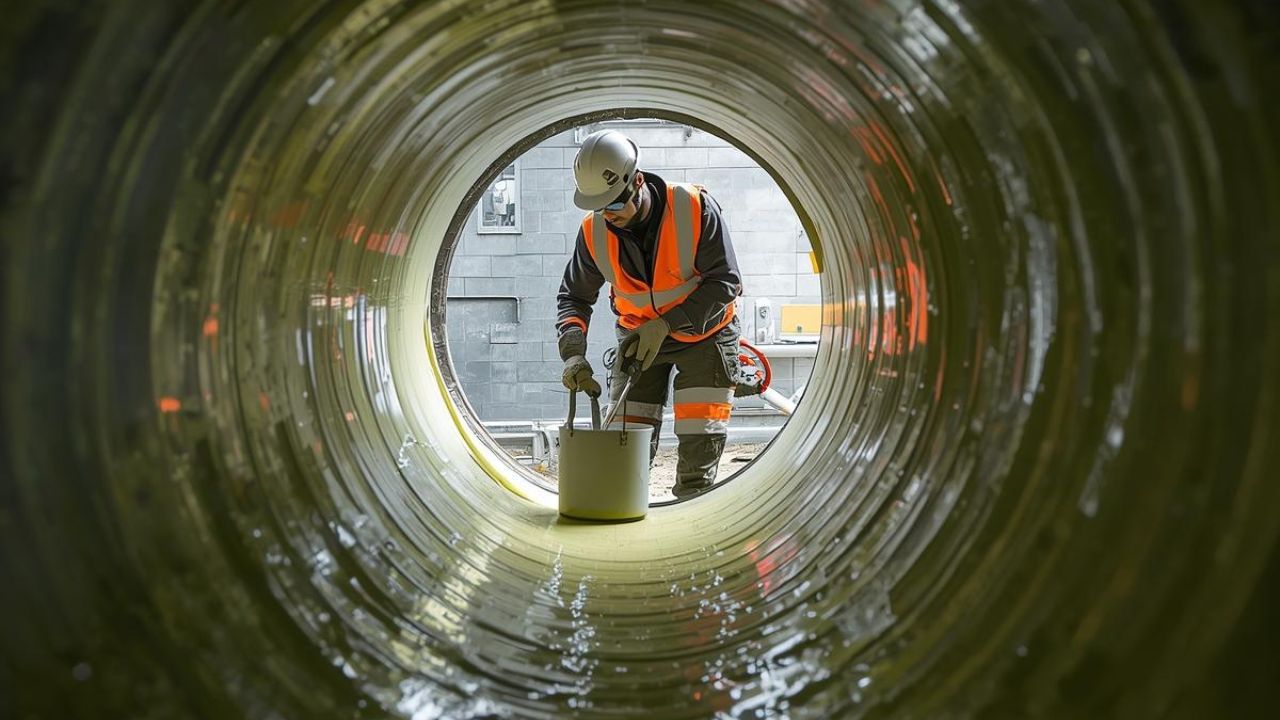
Sewer epoxy coating, also called CIPP (Cured-In-Place Pipe) or epoxy lining, rehabilitates failing sewer lines from the inside. Instead of replacing the entire pipe, this method creates a new, seamless pipe within the existing damaged line. The result is a smooth, durable, structural pipe that restores full function without digging. This trenchless approach transforms corroded, cracked, or root-damaged pipes into like-new condition while the old pipe remains in place as a protective shell.
How Does Epoxy Coating Work in Sewer and Drain Lines?
The epoxy pipe lining process starts with inserting a flexible liner saturated with special epoxy resin into the damaged pipe. The liner is then inflated, pressing firmly against the original pipe walls. Technicians cure the resin using hot water, steam, or UV light, which hardens it into a smooth, durable, structural new pipe. This creates a seamless interior surface that effectively seals the pipe, blocks future root growth, and prevents leaks. The epoxy coating bonds to the existing pipe, adding structural strength while eliminating the cracks, gaps, and rough surfaces where problems originate.
How Does Sewer Epoxy Coating Compare to Full Pipe Replacement?
Choosing between epoxy coating and full replacement depends on cost, pipe condition, and property impact. Epoxy lining offers significant advantages when conditions are right.
When is Sewer Epoxy Coating a Better Option Than Full Pipe Replacement?
Pipe coating cost savings make epoxy lining the smarter choice for most damaged sewer lines. CIPP costs $3,000 to $12,000 compared to $10,000 to $30,000+ for traditional replacement—a 30-50% savings. The Garcia family faced a $22,000 quote for traditional replacement but chose CIPP for $8,000, saving $14,000 while preserving their landscape.
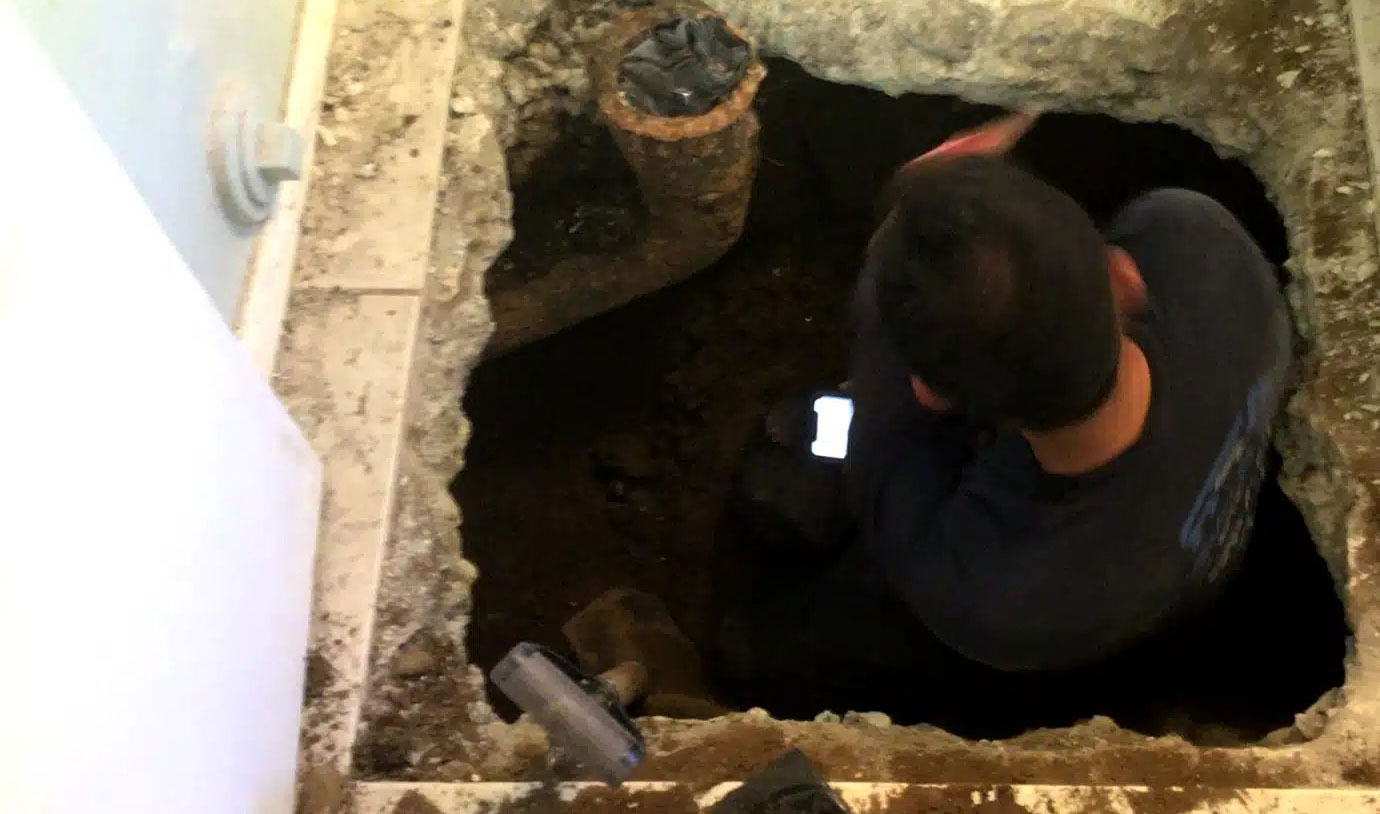
Sewer epoxy coating works best for pipes with cracks, root intrusion, corrosion, or separated joints. It's ideal when structural damage exists but the pipe hasn't completely collapsed or developed significant sagging (a "belly"). For these common problems, epoxy lining provides a permanent fix without the expense and disruption of excavation. However, severely collapsed or misaligned pipes require traditional replacement.
How Does Epoxy Coating Minimize Disruption During Repair?
This trenchless sewer repair alternative creates minimal disruption compared to excavation. The process takes 1-2 days with a disruption level of just 3/10, while traditional excavation requires 10 days at maximum disruption (10/10). Technicians need only a small access point—no massive trenches tearing through yards.
The benefits of epoxy pipe lining include preserving lawns, driveways, and landscaping. Traditional replacement destroys everything in the pipe's path, adding thousands in restoration costs. The Garcia family protected their prized rose garden and driveway by choosing CIPP—savings that extended beyond the $14,000 price difference to include irreplaceable landscaping.
Key Benefits of Sewer Epoxy Coating
The benefits of epoxy pipe lining extend beyond initial installation. Long-term cost savings and extended pipe life make this trenchless sewer repair alternative a smart investment.
How Does Epoxy Coating Provide Cost Savings in Pipe Repair?
Pipe coating cost savings start with eliminating excavation. Traditional replacement requires large trenches that destroy lawns, driveways, and landscaping. Epoxy lining needs only a small access point, saving thousands in restoration costs. Labor expenses drop significantly when crews avoid digging, hauling equipment, and repairing property damage.
The cost difference is substantial. Epoxy lining runs $3,000 to $12,000 compared to $10,000 to $30,000+ for traditional replacement—a 30-50% savings. Over time, the advantage grows. A one-time epoxy lining investment of $6,500 prevents repeated repairs that reach $23,725 over 20 years. The break-even point hits at year 10, when proactive lining proves more cost-effective than reactive patch jobs. This makes sewer epoxy coating the financially sound choice for damaged pipes that don't require complete replacement.
How Does Epoxy Coating Extend the Life of Your Sewer Lines?
Properly installed CIPP liners last 30 to 50 years according to independent research and industry standards. Manufacturers claim 50+ years, and real-world performance supports these longevity expectations. This lifespan rivals new pipe installations at a fraction of the cost.
Epoxy coating prevents the problems that destroy sewer lines. The seamless liner seals pipes to prevent leaks, creates a protective barrier against corrosion, and blocks future root intrusion. Unlike temporary repairs that address symptoms, epoxy lining eliminates the root causes—cracks, separated joints, and rough interior surfaces where roots penetrate. The smooth, continuous surface resists degradation, keeping sewers flowing properly for decades.
How to Repair a Broken Sewer Line Using Epoxy Coating
Understanding how to repair a broken sewer line with epoxy coating helps homeowners know what to expect. This trenchless process follows a proven six-step method.
What Are the Steps to Repairing a Broken Sewer Line with Epoxy Coating?
The repair starts with a CCTV camera inspection to assess the sewer line's condition and confirm suitability for lining. Technicians identify cracks, root intrusion, corrosion, and other damage while mapping the pipe's interior. This diagnostic step ensures epoxy coating is the right solution before work begins.
Next, high-pressure water jets clean the pipe of roots, debris, and scale buildup. A clean surface is critical for proper epoxy bonding. Once prepared, technicians insert a flexible liner saturated with special epoxy resin into the damaged pipe. The liner is then inflated, pressing firmly against the original pipe walls to create uniform contact.
Curing follows inflation. Technicians use hot water, steam, or UV light to harden the resin into a smooth, structural pipe. The curing process typically completes within hours. Finally, a post-lining CCTV inspection verifies the liner installed correctly and sealed all defects. This independent verification ensures quality and provides documentation of the successful repair.
The specialized equipment includes CCTV cameras, high-pressure water jetting systems, epoxy-saturated liners, inflation equipment, and curing systems. Professional contractors own this technology, making DIY repairs impractical. The investment in proper equipment ensures reliable, long-lasting results.
What Makes Epoxy Coating a Sustainable Option for Sewer Line Repairs?
This trenchless sewer repair alternative minimizes environmental disruption. Traditional excavation tears up yards, removes vegetation, and disturbs soil structure. Epoxy coating preserves existing landscaping and vegetation by eliminating large trenches. Minimal disruption sewer repair means protecting mature trees, gardens, and natural drainage patterns.
The old pipe remains in place—no removal or disposal needed. This eliminates waste from hauling away broken pipes and reduces demand for new materials. Epoxy coating creates a new pipe within the existing structure using only the liner itself. The environmental footprint shrinks dramatically compared to manufacturing, transporting, and installing entirely new pipes.
The Process of Epoxy Pipe Lining and Application
The epoxy pipe lining process follows a systematic approach that ensures quality results. Understanding the timeline and application method helps homeowners plan for this minimal disruption sewer repair.
What is Epoxy Pipe Lining and How is it Applied?
The process begins with a thorough CCTV camera inspection to map damage and confirm suitability for lining. Technicians then clean the pipe of roots, debris, and scale using high-pressure water jets. Proper cleaning ensures the epoxy resin bonds correctly to the pipe walls.
Next, a flexible liner saturated with epoxy resin is inserted into the damaged pipe and inflated. The liner presses against the original pipe walls, conforming to every curve and joint. This creates a seamless, structural new pipe within the old one—a complete rehabilitation rather than a patch job.
The key difference between epoxy lining (CIPP) and other methods is that it creates a full structural pipe, not just a coating. The result is a smooth, durable pipe that functions independently of the damaged host pipe. Standard process includes independent verification via post-lining CCTV inspection, confirming the liner sealed all defects and installed correctly. This quality assurance step separates professional CIPP work from inferior alternatives.
How Long Does the Epoxy Coating Process Take and What is the Cure Time?
The entire sewer epoxy coating process typically completes in less than a day, with most projects finishing within 2 days. This contrasts sharply with traditional excavation requiring 10 days. The work includes inspection, cleaning, liner insertion, inflation, and curing—all accomplished without tearing up property.
Curing takes several hours depending on the method used. Technicians cure the resin using hot water, steam, or UV light systems. Each method hardens the liner into a smooth, durable, structural new pipe at different rates. Hot water and steam curing typically require 3-8 hours, while UV light systems cure faster in certain applications.
Post-curing CCTV inspection verifies proper installation and confirms all defects have been sealed. This independent verification ensures the liner installed correctly and will deliver the expected 30 to 50-year lifespan. Homeowners receive documentation showing the before and after condition—proof of successful repair that adds value if selling the property.
When Should You Consider Using Epoxy Coating for Sewer Lines?
Recognizing when sewer epoxy coating is the right solution saves time and money. Certain damage patterns make epoxy lining ideal, while other conditions require traditional replacement.
What Are the Signs Your Sewer Line Needs Epoxy Coating?
Cracks in the sewer line are prime candidates for epoxy coating. These splits allow sewage to leak into surrounding soil while letting groundwater seep in. Root intrusion follows—tree roots penetrate through cracks seeking water and nutrients. Corrosion damage from age and chemical exposure also responds well to lining, as does separated joints where pipe sections have pulled apart.
Leaking pipes signal the need for immediate action. If you notice soggy yard patches, sewage odors, or frequent backups, a CCTV inspection can determine if epoxy coating will solve the problem. The benefits of epoxy pipe lining include sealing all these issues simultaneously—one repair addresses multiple failure points.
However, epoxy coating has limitations. Completely collapsed pipes aren't viable candidates—there's no structure to line. Pipes with significant structural sagging (a "belly") where water pools also require traditional replacement. The existing pipe must maintain basic structural integrity for lining to work.
Epoxy addresses damage by sealing cracks effectively, blocking future root growth with a seamless barrier, preventing leaks through continuous interior coverage, and addressing separated joints by creating one continuous pipe. This comprehensive repair approach makes it superior to spot repairs that leave weak points vulnerable.
How Does Epoxy Coating Improve Drain Cleaning and Maintenance?
Epoxy coating drain cleaning becomes dramatically easier after installation. The smooth interior surface contrasts sharply with rough, corroded original pipes. Debris flows freely instead of catching on scale buildup and corrosion pits. The seamless surface eliminates accumulation points where blockages form.
Root intrusion prevention is perhaps the biggest maintenance advantage. Roots cause recurring blockages that require annual or bi-annual cleanings. Sewer epoxy coating blocks roots permanently, eliminating this major cause of clogs. The smooth epoxy surface also resists mineral deposits and grease buildup that plague older pipes.
Long-term maintenance costs drop significantly. The expected 30-50 year lifespan means decades without repairs or replacement needs. Lifecycle cost data shows a one-time $6,500 lining investment versus $23,725 in repeated repairs over 20 years. Professional drain cleaning visits decrease from annual necessities to rare occurrences, further reducing ongoing expenses.
Why Choose Sewer Epoxy Coating for Your Sewer Line?
The evidence clearly favors sewer epoxy coating over traditional excavation for most damaged sewer lines. Cost savings, longevity, and minimal disruption make this trenchless sewer repair alternative the smart choice.
How Do the Benefits of Sewer Epoxy Coating Outweigh Traditional Sewer Repair Methods?
Pipe coating cost savings are substantial and measurable. Epoxy lining costs $3,000 to $12,000 compared to $10,000 to $30,000+ for traditional replacement—30-50% less expensive. Landscape restoration adds thousands more to excavation costs that epoxy coating avoids entirely. The lifecycle data is even more compelling: a one-time $6,500 epoxy investment prevents $23,725 in repeated repairs over 20 years. The break-even point hits at year 10, after which the savings accelerate.
Longevity matches or exceeds new pipe installations. Independent research confirms properly installed CIPP liners last 30 to 50 years, with manufacturers claiming 50+ years. The epoxy coating prevents corrosion, leaks, and root intrusion for decades, providing long-term structural integrity that reactive repairs can't match. This isn't a temporary fix—it's a permanent rehabilitation that extends your sewer line's useful life.
Minimal disruption sewer repair protects your property and daily routine. The process completes in 1-2 days versus 10 days for traditional excavation. Disruption levels measure just 3/10 compared to 10/10 for digging. Technicians need only a small access point—no massive trenches destroying lawns, driveways, and landscaping. No significant property restoration is required afterward.
The Garcia family's experience illustrates these combined benefits perfectly. Facing a $22,000 traditional replacement quote that would destroy their rose garden and driveway, they chose CIPP for $8,000. The work finished in one day with no digging, saving $14,000 while preserving irreplaceable landscaping. This real-world example demonstrates why sewer epoxy coating has become the preferred solution for damaged sewer lines.
When your sewer line shows signs of failure—cracks, root intrusion, corrosion, or separated joints—consider the benefits of epoxy pipe lining before defaulting to excavation. Unless pipes have completely collapsed or developed severe structural sagging, this trenchless technology offers superior value. The combination of lower costs, decades-long performance, and property preservation makes the choice clear for most homeowners facing sewer line problems.
Get Expert Sewer Epoxy Coating from Alpine Plumbing, Heating, and Air
Don't let sewer line problems escalate into costly emergencies. Alpine Plumbing, Heating, and Air specializes in trenchless sewer repair using advanced CIPP epoxy lining technology. Our experienced technicians assess your sewer line with CCTV camera inspection, determine if epoxy coating is right for your situation, and complete repairs in 1-2 days with minimal property disruption.
We provide comprehensive warranties and post-installation verification to ensure your peace of mind. Contact Alpine Plumbing, Heating, and Air today for a free sewer line evaluation and detailed quote. Discover how pipe coating cost savings and minimal disruption can solve your sewer problems without destroying your landscape.