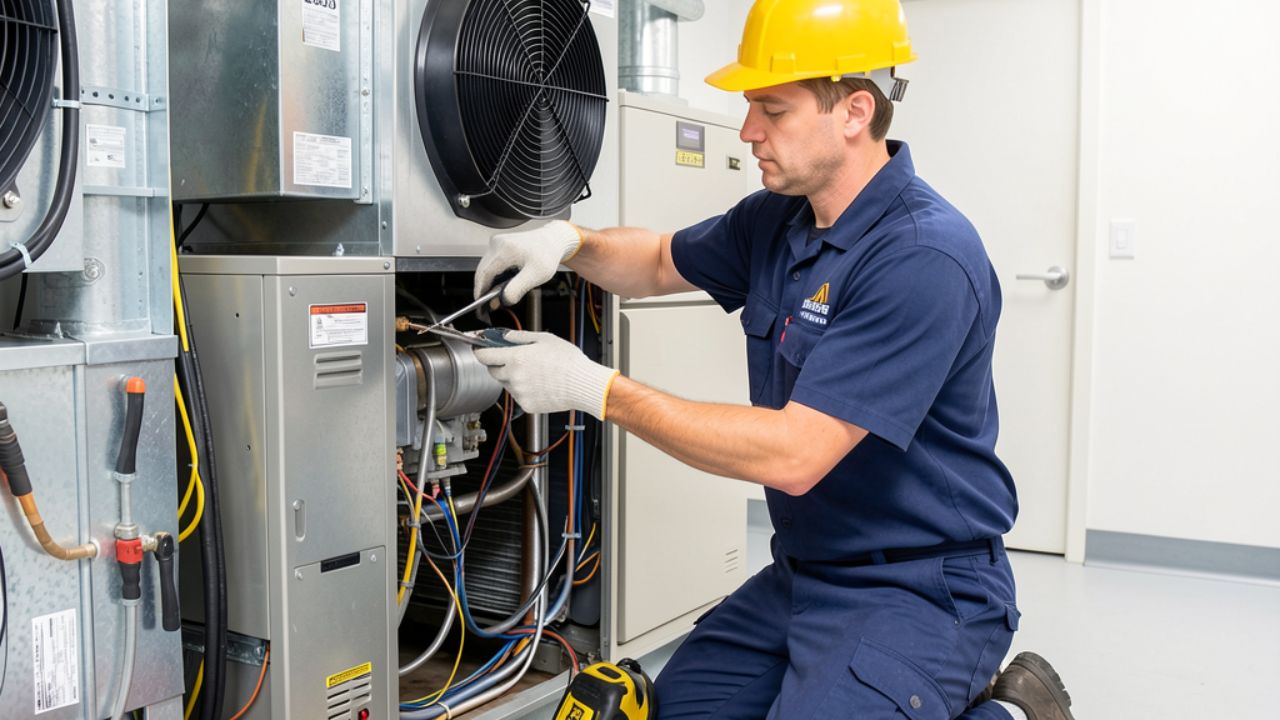
Filter maintenance prevents 54% of HVAC failures and costs just $1-$3 per filter; check every 30-90 days depending on pets, allergies, and home conditions.
Annual professional tune-ups deliver a 5:1 ROI by preventing 95% of breakdowns and costing $175-$300 versus $500-$3,000 emergency repairs.
Setting your thermostat to 78°F instead of 72°F saves 18-30% on cooling costs; each degree lower increases bills by 3-5%.
60% of AC failures occur during the first major heat wave; schedule spring maintenance before summer to avoid 20-40% higher service call rates.
Refrigerant leaks indicate system damage, not normal use; low refrigerant means a leak (usually in evaporator coils), costing $200-$1,500 to repair, depending on location and severity.
Summer cooling costs can spiral out of control without proper HVAC maintenance. Neglected systems run 15-30% less efficiently, adding $540-$900 annually to energy bills while increasing breakdown risk during the first major heat wave, when 60% of AC failures occur. Simple HVAC maintenance summer tasks like filter changes, condenser cleaning, and strategic thermostat settings prevent costly emergencies and extend system lifespan from 8-10 years to 12-15 years.
This guide provides data-driven strategies to maximize comfort during heatwave conditions, minimize energy waste, and avoid emergency repair rates that can reach $200-$400 just for diagnosis.
What Is Summer HVAC Maintenance, And How Does It Lower Energy Bills?
Summer HVAC maintenance keeps your system running efficiently through seasonal cleaning, inspections, and adjustments. Neglected filters and dirty coils reduce heat transfer efficiency, forcing your system to run longer and work harder. This increased runtime can spike energy costs by 15-30%, translating to $5c40-$900 in annual waste. Proper maintenance optimizes performance and can save up to 10% annually through better efficiency, a proven strategy forenergy bill reduction HVAC systems deliver.
Benefits:
Improved comfort with fewer hot spots
Lower system runtime (up to 15% improvement with clean coils)
95% reduction in breakdown risk with annual professional maintenance
Extended system lifespan (12-15 years maintained vs. 8-10 years neglected)
Better humidity control and cleaner air
When Should You Do HVAC Maintenance Before Summer Peak Heat?
Schedule maintenance in spring, before temperatures climb. 60% of AC failures occur during the first major heat wave. Pre-season spring checks help you avoid the summer rush when service calls increase 20-40% and emergency rates can double to $200-$400 just for diagnosis.
Filter-Change Frequency:
Home Condition
Check Frequency
Change Interval
Notes
Standard, no pets
Every 60-90 days
Every 90 days
Standard pleated filters
1-2 pets
Every 30-60 days
Every 60 days
Pet dander increases clogging
3+ pets or allergies
Every 20-30 days
Every 30-45 days
High-MERV may restrict airflow in older systems
High dust/construction
Every 15-30 days
Every 30 days
Check weekly during active work
Which HVAC Maintenance Tasks Have The Biggest Impact On Summer Comfort And Efficiency?
Focus on tasks that address the most common failure points and deliver measurable efficiency gains. Filter replacement alone resolves over half of all airflow issues, while condenser maintenance and thermostat settings deliver immediate cost reductions.
Highest-Impact Tasks:
Filter replacement (addresses 54% of airflow issues)
Condenser clearance and cleaning (15% efficiency improvement)
Thermostat to 78°F (each degree lower costs 3-5% more)
Annual professional tune-up (95% breakdown reduction, $5 saved per $1 spent)
Drain line checks (prevents $100-$300 repairs)
Hot-Room Fixes:
Symptom
Likely Cause
DIY Check
Fix/Next Step
One room always warm
Blocked return vent
Check for furniture/curtains
Clear obstruction, ensure 2-foot clearance
Weak airflow
Dirty filter or closed dampers
Check filter, verify dampers open
Replace filter, adjust dampers
Upper floor hot
Poor insulation
Verify attic insulation R-value
Add insulation if below R-30
Room warm afternoons
Solar heat gain
Check window treatments
Install blinds/solar screens
What DIY HVAC Maintenance Can You Do Safely For Summer Performance?
Homeowners can safely handle filter changes, outdoor unit cleaning, and thermostat adjustments. These summer HVAC tips require no special tools and prevent common failures without touching refrigerant lines or electrical components.
Filter Selection:
MERV Range
Best For
Airflow Risk
When to Avoid
MERV 5-8
Standard homes, light pet dander
Low
None - good balance
MERV 9-12
Pets, allergies
Moderate
Systems >12 years old
MERV 13-16
Severe allergies
High
Older systems, restrictive ducts
Filter Replacement Steps:
Turn off system at thermostat and breaker
Note airflow arrow direction before removing
Confirm new filter size matches old
Insert with arrow pointing toward air handler
Write installation date on frame
Outdoor Condenser Quick-Care:
Turn off power at disconnect before cleaning
Clear 2-3 foot radius (improves efficiency 10%)
Remove debris and trim vegetation
Gently spray coils from inside-out with garden hose
Never use pressure washer (bends fins)
Thermostat Quick Checks:
Verify COOL mode and fan on AUTO
Program 78°F when home, 85-88°F when away (saves 10% annually)
Avoid extreme setpoint swings (>10°F)
Replace batteries annually
Ensure thermostat isn't near heat sources
What HVAC Maintenance Should A Professional Handle, And Why?
Technicians handle tasks requiring specialized tools, EPA certification, or electrical expertise. Annual professional maintenance reduces breakdown risk by 95% and costs $175-$300, far less than emergency repairs averaging $500-$2,000.
What a Tune-Up Includes:
Task
Why It Matters
Red Flags
Electrical connections
Loose connections cause 20% of failures
Blackened wires, tripped breakers
Refrigerant check
72% of systems improperly charged; low charge reduces efficiency 50%+
Hissing sounds, ice on lines
Coil cleaning
Dirty coils reduce efficiency 15%
Heavy buildup, bent fins
Temperature split
Should be 15-20°F
Below 15°F or above 20°F
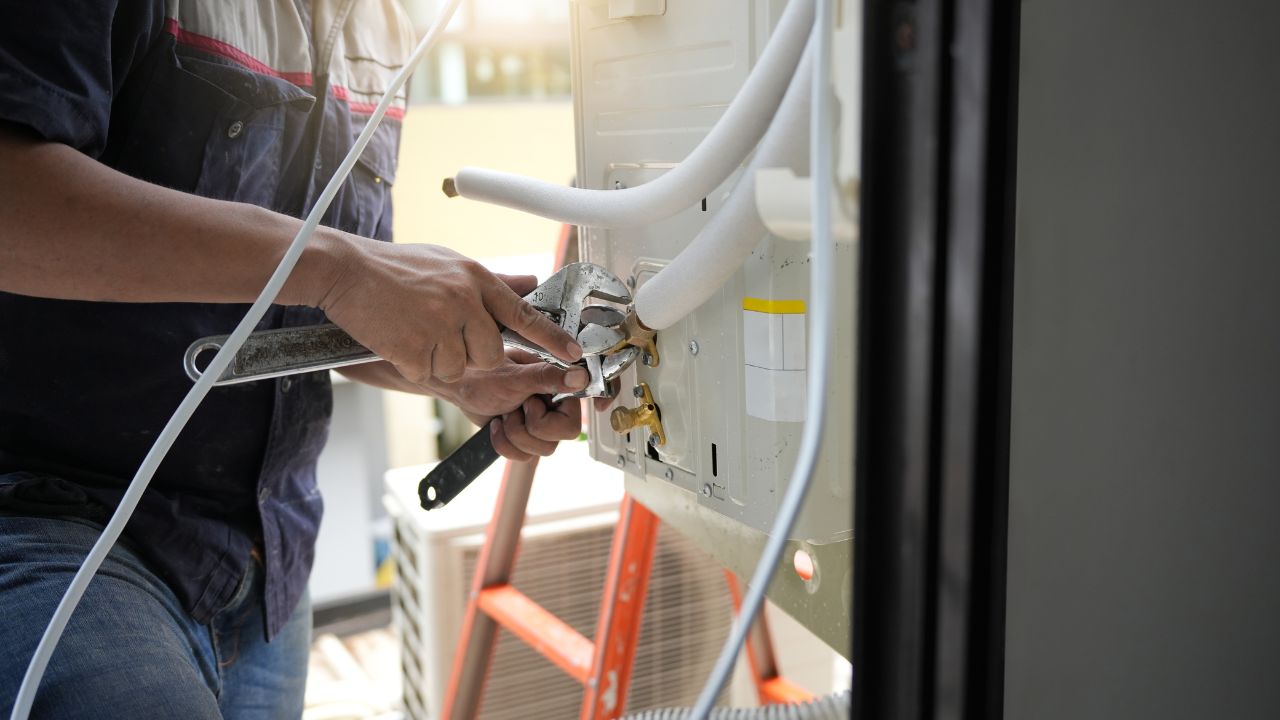
Refrigerant isn't a consumable, if it's low, there's a leak. Most leaks occur in evaporator coils (60%), service valves (20%), condenser coils (10%), or line sets (10%). Repair costs range from $200-$1,500 depending on location and severity, with R-410A refrigerant costing $50-$150 per pound (2-4 pounds typical).
Summer HVAC Maintenance Checklist
Catch problems early with systematic checks before heat waves hit. These quick inspections take 10-15 minutes and identify issues before they become expensive failures.
Pre-Heat-Wave Inspection:
Listen for unusual sounds (grinding, hissing) or odors
Test thermostat response (starts within 1-2 minutes)
Check strong airflow at return vents
Inspect outdoor unit for damage or debris
Look for standing water near indoor drain
Thermostat Programming:
Weekday: 78°F home, 85-88°F away
Sleep: 67°F for nighttime comfort
Avoid frequent manual overrides
What to Ask a Technician:
What are the refrigerant pressures?
Are electrical connections tight?
What's the temperature split (delta-T)?
Is the condensate drain clear?
Any signs of duct leakage?
Thermostat Settings For Comfort And Savings
Strategic thermostat settings deliver immediate cost reductions without sacrificing comfort. The DOE recommends 78°F when home for optimal efficiency. Each degree lower increases costs 3-5%, so 72°F instead of 78°F adds 18-30% to your bill.
When away 8+ hours, raise to 85-88°F, which saves up to 10% annually. Complement cooling with ceiling fans, which make rooms feel 5°F cooler.
Auto vs On Fan:
Setting
Humidity Impact
Energy Impact
Best Use
AUTO
Better dehumidification
Lower energy use
Most homes in humid climates
ON
Higher humidity
Adds $15-30/month
Very dry climates, filtration needs
Improve Airflow And Cooling Distribution Without Overworking The AC
Balanced airflow reduces strain and eliminates hot spots. Closing vents to "save money" backfires; it increases static pressure, forces the blower to work harder, and creates imbalance. Instead, keep all vents open, clear obstructions, and use ceiling fans (one AC unit can power 24-30 fans).
Prioritization:
Fix
Effort/Cost
Comfort Impact
Bill Impact
DIY vs Pro
Seal duct leaks
Low-moderate ($50-$200)
Moderate
10-15% reduction
DIY visible leaks; Pro for testing
Add attic insulation
Moderate ($500-$1,500)
High
15-25% reduction
DIY blown-in; Pro spray foam
Air seal envelope
Low ($100-$300)
Moderate
5-10% reduction
DIY weatherstripping/caulk
Warning Signs That Need Immediate Attention
Certain symptoms indicate problems that worsen rapidly without intervention. Address these issues immediately to avoid compressor damage, which can cost $800-$3,000 to replace.
Warm-Air Quick Checks (In Order):
Verify thermostat is set to COOL mode
Check and replace the dirty filter (causes 54% of airflow problems)
Confirm the breaker hasn't tripped
Verify that the outdoor unit fan and compressor running
Inspect for ice on refrigerant lines
Ensure vents and returns are unobstructed
Ice on Lines: Immediate Steps:
Turn off cooling immediately (prevents compressor damage)
Switch to FAN ONLY to help thaw
Check and replace filter (70% of frozen coils caused by clogged filters)
Call the technician if ice recurs
ROI: What Maintenance Pays Off Most?
Focus on high-return, low-effort tasks that deliver measurable savings. Filter replacement and annual tune-ups provide the best financial returns, preventing expensive emergency repairs while maximizing efficiency, similar to how preventive plumbing maintenance avoids costly water damage.
Coils should be inspected annually during professional tune-ups. Cleaning is needed when you notice reduced cooling or higher bills. Outdoor coils may need cleaning every 1-2 years in dusty areas.
Don't DIY beyond gentle rinsing, 60% of refrigerant leaks occur in evaporator coils.
What Are the Landscaping Rules Around an Outdoor Unit?
Landscaping Rules:
Maintain 2-3 feet clearance around the outdoor unit (10% efficiency improvement)
Never plant shrubs closer than 3 feet
Shade unit if possible (20% efficiency gain) without restricting airflow
Trees should be 5+ feet away
Maintaining Your HVAC System: What Should You Do This Week?
Top 5 Actions:
Replace air filter if >30 days old (costs $1-$3, solves 54% of issues)
Clear 2-3 foot radius around condenser (10% efficiency gain)
Set thermostat to 78°F at home, 85-88°F away (10% annual savings)
Clear all vents and returns of obstructions
Book a spring tune-up if overdue (95% breakdown reduction)
The single best habit is consistent filter maintenance plus annual pre-season tune-ups. These two actions prevent most breakdowns, maintain peak efficiency, and save hundreds annually. This week, take 15 minutes to replace your filter and schedule your tune-up. Don't wait until the first heat wave when emergency rates spike.
Ready to maximize your AC's efficiency? Contact Alpine Plumbing & Air today to schedule your pre-season tune-up and avoid the summer rush.
Welcome to Alpine Plumbing and Rooter, serving San Dimas and the surrounding areas as your reliable source for exceptional plumbing and drainage services. We also provide reliable licensed HVAC services.
After reviewing your information, we will contact you as soon as possible.
"*" indicates required fields
Alpine Plumbing, Heating, and Air
462 Borrego Ct Unit A, San Dimas, CA 91773
CA Plumbing/HVAC License: #1041244 AZ Plumbing License: ROC 362311
Welcome to Alpine Plumbing, Heating, and Air, serving San Dimas, San Bernardino, Lake Havasu, AZ, and the surrounding areas. We are your reliable source for exceptional plumbing, Heating, and Air Conditioning needs.