Key Takeaways
- A clogged condensate drain line is one of the most common and preventable HVAC issues, and it can quickly lead to shutdowns, mold growth, and expensive water damage.
- Most clogs are caused by biofilm growth, sludge buildup from dust and debris, or drainage problems like improper slope and sagging lines, which routine maintenance can largely prevent.
- Early warning signs like standing water in the drain pan, musty odors, ceiling stains, and repeated float switch trips help homeowners catch drainage problems before they become major repairs.
- Safe DIY clearing usually follows a simple sequence: shut off power, remove blockages at the exterior exit, use a wet/dry vacuum for suction, then flush the line and clean the drain pan.
- Recurring clogs, water near electrical components, signs of icing, or failed drainage components often require an HVAC professional with specialized tools to diagnose and fix the underlying cause.
A condensate drain clog is one of the most common — and most preventable — home HVAC issues. When this small PVC line gets blocked, water backs up into your system. That backup can trigger shutdowns, mold growth, and costly water damage. The good news is that basic air conditioner maintenance keeps it from ever reaching that point. This guide walks you through how the drain system works, what causes clogs, how to spot warning signs early, and the simplest clog removal tips to protect your home. Think of it as your complete water damage prevention playbook.
What Is an AC Condensate Drain Line, and What Does It Do?
Every air conditioner produces water as a byproduct of cooling. The condensate drain line is the path that water takes out of your home. When this line works properly, you never notice it. When it fails, the signs show up fast — pooling water, musty smells, or a system that shuts itself off. Understanding the basic parts helps you catch problems before they turn into repairs.
What Is Condensate, and Why Does an Air Conditioner Produce Water?
Your AC doesn't just cool air. It dehumidifies it. Warm, humid air passes over a cold evaporator coil inside your air handler. The temperature difference causes moisture in the air to condense into water droplets on the coil's surface. It's the same principle that puts condensation on a cold glass on a summer day. During peak cooling season, a residential system can produce 5 to 20 gallons of condensate per day, depending on humidity levels.
Where Does the Condensate Drain Line Run, and What Parts Connect to It?
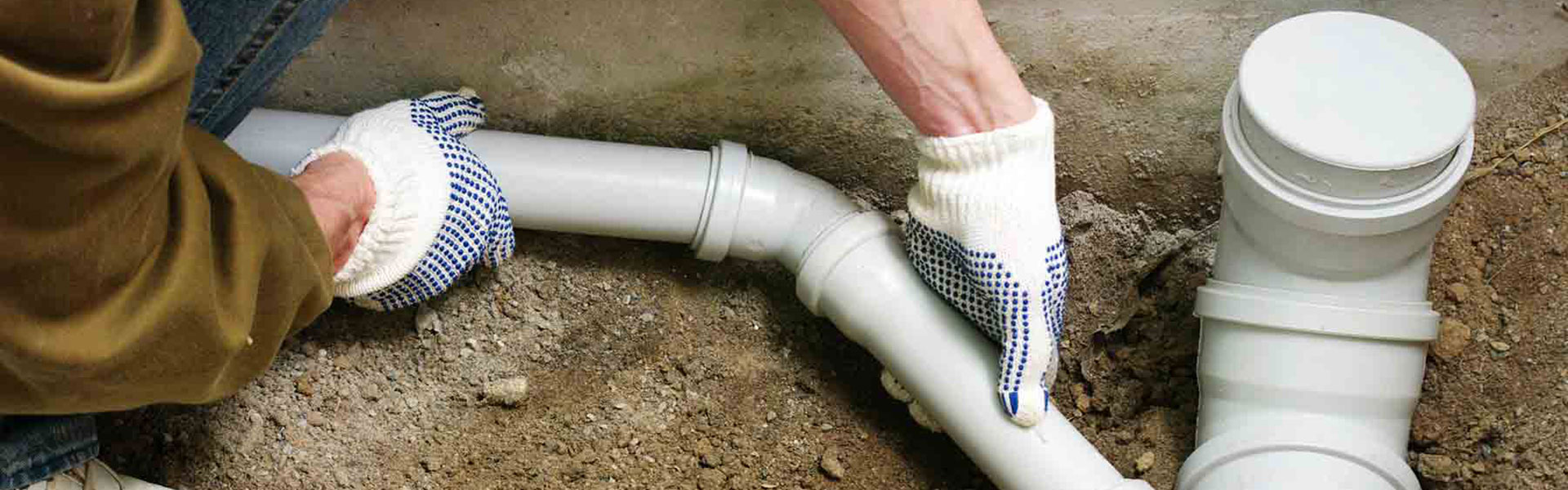
That condensate has to go somewhere. Water drips off the evaporator coil into a drip pan mounted directly beneath it. From there, a PVC drain line carries the water by gravity to a discharge point — typically a floor drain, utility sink, condensate pump, or an outdoor exit near the foundation. Some installations also include a secondary drain pan beneath the entire air handler unit. This auxiliary pan acts as a failsafe, catching any overflow if the primary pan or line fails.
What Is the Difference Between a Primary Drain Line and a Secondary/Emergency Drain?
Most systems have one primary drain line that handles all condensate removal during normal operation. The secondary or emergency drain is a separate line connected to the auxiliary pan. It typically exists in a visible location — above a window or along a roofline — so you notice when it's dripping. If water is coming from your secondary drain, it means the primary line is blocked, or the main pan is overflowing. That drip is your alert to inspect the primary system before the issue escalates into water damage or a full system shutdown.
What Are the Most Common Causes of AC Condensate Drain Line Clogs, and How Can Homeowners Prevent Them?
Most condensate drain clogs come down to three things: something is growing in the line, something is building up in the line, or the line wasn't set up correctly. The good news is that each cause has a straightforward prevention step. Routine air conditioner maintenance addresses nearly all of them before they become a problem.
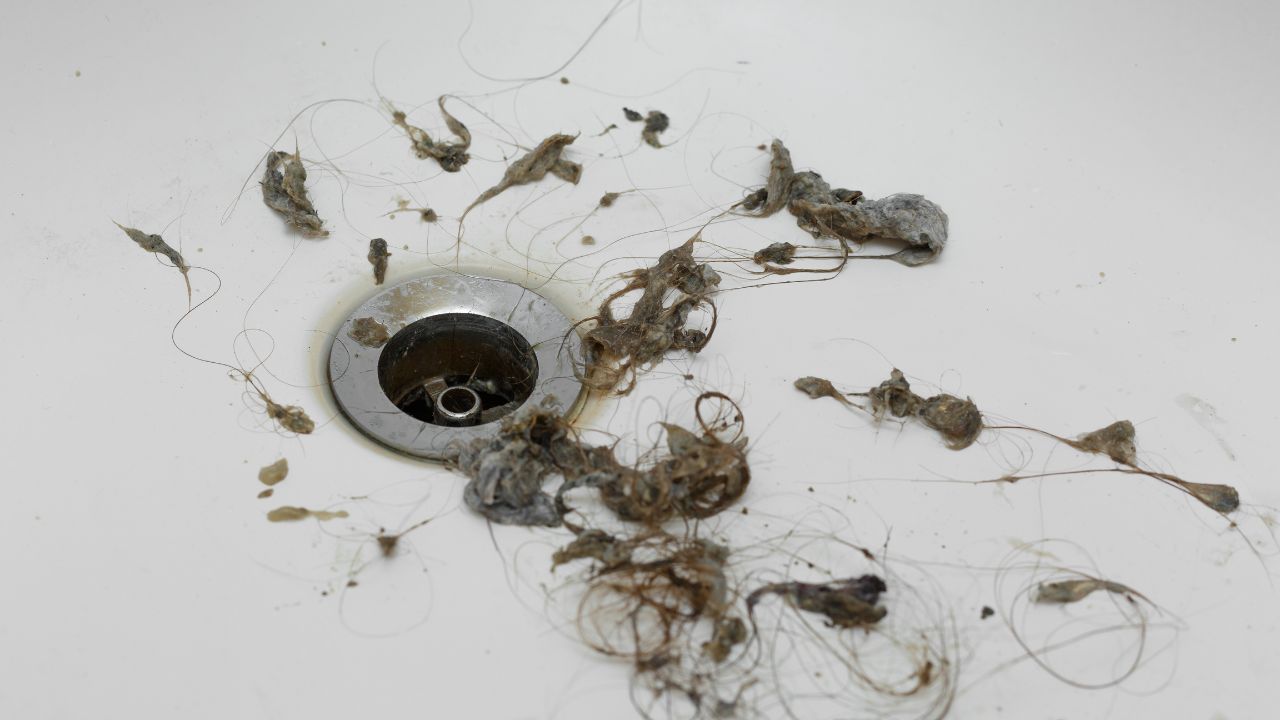
The inside of a condensate drain line checks every box for biological growth — warm, damp, and shielded from light. Algae, mold, and bacteria colonize the interior walls and form biofilm, a slimy layer that narrows the pipe over time. Left alone, that biofilm thickens until water can't pass through. A condensate drain clog caused by biofilm is the single most common drain line failure in residential systems.
To slow it down, drop algaecide tablets formulated for AC condensate pans into the drip pan every few months. These tablets dissolve slowly and inhibit microbial growth before it takes hold. It's one of the cheapest and most effective preventive steps you can take.
How Does Dust and Debris Buildup Start at the Evaporator Coil and End Up Clogging the Line?
Your HVAC system moves a high volume of air, and that air carries dust, dirt, and fine particulates. When those particles reach the evaporator coil, they mix with condensate water and form a wet sludge. That sludge drips into the pan and washes into the drain line, where it settles and accumulates at bends, joints, and low points. Keeping the evaporator coil clean directly reduces the amount of debris that reaches the pan and line — and reduces your risk of a clog.
How Can a Dirty Air Filter Contribute to Drain Pan and Drain Line Problems?
The air filter is your first line of defense. When it's clogged, it can reduce HVAC system efficiency by up to 15%. But the damage goes beyond energy bills. A saturated filter lets more dust bypass the filtration stage and reach the evaporator coil. That extra debris ends up in the drain pan as sludge, accelerating the same buildup that causes clogs. Replacing filters on the manufacturer's recommended schedule — typically every 30 to 90 days — is one of the simplest clog removal tips that also protects the rest of the system.
Why Can Improper Slope, Sagging Line, or Poor Installation Increase Clog Frequency?
Condensate drain lines rely entirely on gravity. The line must maintain a continuous downward slope from the drip pan to the discharge point. If the line sags, dips, or was installed without adequate pitch, water pools in the low spots instead of draining out. Standing water in the line accelerates biological growth and gives debris a place to settle. If you're dealing with recurring home HVAC issues tied to drainage, have a technician check the slope.
How Do Drain Pans Crack, Rust, or Overflow, and What Maintenance Helps Prevent It?
Metal drain pans rust over time. Plastic pans can crack from age, UV exposure, or thermal cycling. Either failure lets water bypass the drain line entirely and drip directly onto surrounding surfaces. Inspect the pan at least once a year — look for visible corrosion, hairline cracks, or mineral deposits around the edges. Catching a failing pan early is basic water damage prevention that costs nothing.
What Routine Prevention Steps Can Homeowners Do Monthly or Seasonally?
During the cooling season, flush the drain line monthly with 1/4 to 1/2 cup of distilled white vinegar. Pour it into the cleanout tee near the air handler, let it sit for 30 minutes to an hour, then rinse with warm water. Every few months, place a fresh algaecide tablet in the condensate pan. Once a year, schedule a professional HVAC inspection. The technician will inspect, clear, and test the drain line as part of a standard tune-up. This routine costs very little and eliminates the conditions that cause the vast majority of clogs.
How Can You Confirm Your AC Drain Line Is Clogged Before You Try a Fix?
Not every AC problem is a drain issue. Before you grab tools or call a technician, take five minutes to confirm you're actually dealing with a condensate drain clog. A quick visual inspection narrows the problem and tells you whether a simple flush will work or whether the issue is something else entirely.
How Do You Safely Inspect the Drain Pan, Float Switch, and Visible Drain Line Sections?
Start at the air handler. Pull the access panel and look at the drip pan. If water is sitting in the pan and not draining, you likely have a blockage downstream. Next, check the float switch — a small device mounted in the pan or on the drain line. If the switch has tripped, the system has already detected a backup and shut itself down to prevent overflow. A tripped float switch paired with a full pan is a reliable confirmation that the drain path is obstructed somewhere between the pan and the discharge point.
How Do You Tell the Difference Between a Drain Clog and a Refrigerant/Coil Issue?
These two issues can look similar at first glance because both reduce cooling performance. The difference is in what you see at the unit. A drain clog presents with water pooling around the base of the air handler, a full drip pan, and often a musty odor from stagnant water. A refrigerant or coil issue looks different — you'll see ice forming on the evaporator coil or refrigerant lines, and the supply vents blow warm air instead of cool. If you see ice, stop and call a technician. If you see water and smell mold, you're dealing with drainage and can start with basic clog removal tips before escalating.
What Quick Checks Help Confirm the Clog Location (Near the Air Handler vs. Near the Exit)?
Before working from the inside, walk outside and locate where the drain line exits your home. This is usually a small PVC pipe near the foundation or above a drain. Insects — especially mud daubers and ants — frequently build nests inside the opening, creating a physical blockage that stops the entire line from flowing. Dirt, leaves, and lawn debris can also pack into the exit point. Clear any visible obstruction and see if the line begins to drain. If it does, you've found your problem without ever opening the air handler. If it doesn't, the blockage is further upstream near the pan or along the interior run of the line.
What Are the Safest DIY Ways to Clear an AC Condensate Drain Line Clog?
Most minor condensate drain clogs can be resolved in under an hour with basic tools. The key is working safely and following the right sequence: power off, clear the blockage, flush the line, and clean the pan. These clog removal tips handle the majority of residential drain line blockups without a service call.
How Do You Shut Off Power and Protect Your Flooring Before Working?
Turn the system off at the thermostat first, then flip the dedicated HVAC breaker at your electrical panel. Do both — the thermostat alone doesn't cut power to every component. Lay towels or a shallow pan beneath the air handler to catch any water that spills when you open the access panel or remove the cleanout cap. This takes 60 seconds and prevents both electrical hazards and floor damage.
How Do You Clear the Clog Using a Wet/Dry Vacuum at the Drain Line Exit?
This is the fastest method for a complete blockage. Locate the outdoor end of the drain line and remove the vacuum's internal filter so it can handle water. Press the hose firmly against the drain line opening and seal the connection with duct tape or a rag — a tight seal gives you maximum suction. Run the vacuum for a few seconds to several minutes. You'll hear the clog break free when water starts flowing into the canister. Check the vacuum's collection tank afterward; you'll usually see a mix of sludge, biofilm, and debris.
Once the blockage is cleared, go inside and locate the PVC cleanout tee near the air handler. Remove the cap and pour 1/4 to 1/2 cup of distilled white vinegar into the opening. Let it sit for 30 minutes to an hour — this neutralizes algae and mold still clinging to the pipe walls. Then flush with warm water to rinse everything through. Vinegar is the preferred solution for routine air conditioner maintenance because it's effective and won't degrade PVC or pipe adhesives over time.
Bleach works but comes with a tradeoff. A 50/50 warm water-bleach mix will kill biological growth, but HVAC professionals warn that repeated bleach use can corrode pipe joints and weaken adhesives. If you do use bleach, flush the line thoroughly with plain water afterward. Never mix bleach with vinegar or any other cleaning agent.
What Cleaning Solutions Are Commonly Used, and What Should You Avoid Mixing?
Distilled white vinegar is the safest all-around choice. Diluted bleach is a stronger option for heavy buildup, used sparingly. Commercial AC drain line cleaners are also effective and formulated specifically for condensate systems. Stick to one product per treatment. For stubborn clogs that resist liquid solutions, a small drain snake can physically break through the obstruction. Feed it gently — PVC piping cracks under aggressive force, and a cracked line creates far worse home HVAC issues than the clog you started with.
How Do You Clean the Drain Pan and Remove Sludge Without Damaging Parts?
With the cleanout cap already off and the system powered down, take a few minutes to wipe down the drip pan. Remove any visible sludge, sediment, or standing water. A damp cloth or soft brush handles most buildup without scratching the pan surface. Replace the cleanout cap, restore power at the breaker and thermostat, and run the system. Verify water is flowing freely from the exterior discharge point. If it is, the job is done. If not, the blockage may be deeper in the line, and water damage prevention at that point means calling a professional rather than forcing the issue.
When Should Homeowners Call an HVAC Professional for a Clogged Drain Line?
DIY methods handle most one-time clogs. But some situations call for a trained technician — either because the problem is beyond basic tools or because continuing on your own risks damage to the system or your home. Knowing when to stop is just as important as knowing how to start. The cost of a professional service call is almost always less than the cost of the water damage prevention repairs you'll face if a recurring clog goes unresolved.
What Situations Are "Stop and Call" (Water Near Electrical, Recurring Overflows, Float Switch Trips)?
A one-time condensate drain clog is maintenance. A recurring clog is a symptom of a deeper problem — biofilm deep in the line, incorrect slope, or a partially collapsed pipe that no amount of vinegar will fix. Call a technician if you're dealing with any of the following: clogs that return within weeks of clearing, a drain line routed through an attic or crawl space you can't safely access, no improvement after a vacuum and flush attempt, visible cracks or corrosion on the condensate pan or evaporator coils, water pooling near electrical connections, or a float switch that keeps tripping and shutting the system down. These are not DIY scenarios. There are signs that the underlying cause needs professional diagnosis.
Technicians carry nitrogen blow guns, commercial-grade wet vacuums, and camera inspection equipment that can locate and clear blockages homeowners can't reach. A standard service call for a preventive visit or minor clog runs $75 to $250 and is often bundled into annual air conditioner maintenance plans. If the condensate pump has failed — common in basement or below-grade installations where gravity drainage isn't possible — replacement parts cost $100 to $165 for the pump alone, with labor on top. Addressing these home HVAC issues through a scheduled visit is far cheaper than an emergency call after water has already spread.
What Should You Expect During a Service Call for Condensate Drainage Problems?
Expect a thorough walkthrough of the condensate system, not just a quick flush. The technician will inspect and clear the drain line, test the float switch to confirm it activates at the correct water level, examine the drip pan for cracks or corrosion, and verify that the line maintains proper slope from the air handler to the discharge point. If the system has chronic issues, they may recommend upgrades like a secondary float switch, a cleanout tee in a more accessible location, or rerouting a section of line with better pitch. A good service call doesn't just fix today's clog — it reduces the likelihood of the next one.
Don't Wait for Water Damage — Schedule Your Drain Line Service Today
A clogged condensate drain line is a small problem that creates big consequences when ignored. The fix is almost always simpler and cheaper than the cleanup. Flush the line regularly, change your filters, and inspect the pan every month during the cooling season. That basic routine prevents most clogs before they start.
When DIY isn't enough — or you'd rather have a professional handle it from the start — we're here to help. At Alpine Plumbing Heating and Air, we diagnose and resolve condensate drainage issues quickly so your system stays running and your home stays dry. Contact us today to schedule a maintenance visit or service call.