Selecting qualified plumbing professionals protects your property and ensures lasting repairs. Understanding what questions to ask streamlines the selection process and prevents costly mistakes.
The plumbing industry generates $135 billion annually in the United States alone. With steady market growth projected through 2029, homeowners face increasing choices when selecting service providers.
Key Takeaways
- Verify plumber certifications ranging from apprentice to master plumber levels to ensure proper qualifications
- Request detailed pricing estimates comparing hourly rates against flat-rate pricing options before committing
- Check online reviews and response time scores to assess reliability and customer satisfaction
- Confirm emergency service availability and understand additional fees for after-hours calls
- Evaluate warranties and preventive maintenance options to protect your investment long-term
What Types of Plumbing Services Might You Need?
Residential plumbing services account for 60% of the total market share in the industry. Common residential and commercial plumbing services include drain cleaning, toilet and faucet repair, water heater services, and leak detection. These foundational services address most household plumbing needs efficiently.
Which Residential Plumbing Services Are Common?
Standard residential services handle everyday fixture issues and system maintenance requirements. Water heater services, drain cleaning, and leak detection form the core of routine plumbing work. Most homeowners require these services at least once during property ownership.
When Is Drain Cleaning Necessary?
Drain cleaning becomes necessary when water drains slowly or backups occur in sinks and showers. The global drain cleaning market reached $5.85 billion in 2025 and shows strong growth potential. Professional technicians use mechanical snaking and hydro-jetting up to 4,000 PSI for stubborn blockages.
Main line cleaning requires specialized equipment and prevents recurring clogs throughout your plumbing system. Approximately 58% of all drain cleaning services occur in residential properties rather than commercial settings. Regular drain cleaning prevents severe blockages and extends the lifespan of your drainage infrastructure.
What Constitutes Emergency Plumbing Services?
Emergency plumbing services provide 24/7 response to urgent situations like burst pipes and severe leaks. Plumbing emergencies require immediate attention to prevent property damage and health hazards. Emergency technicians charge premium rates, typically 1.5 to 3 times standard hourly pricing.
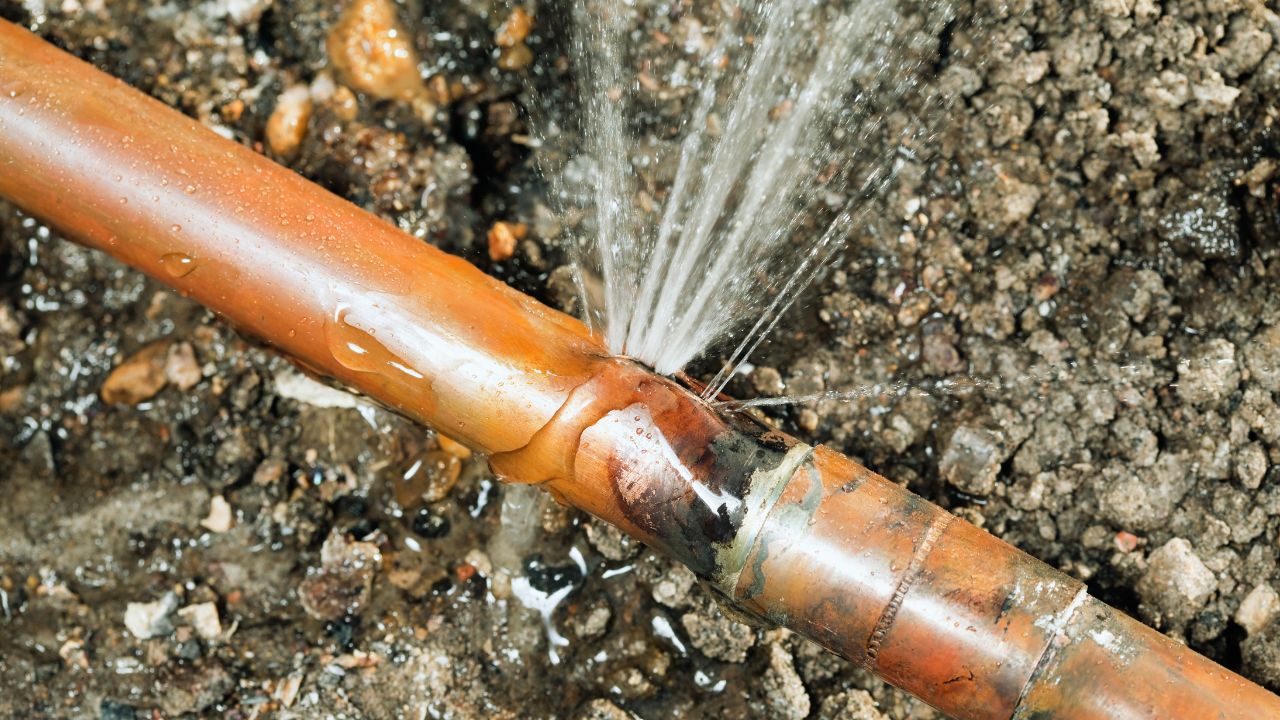
Burst pipe repair and severe leak mitigation protect your home from water damage. Emergency service call fees range from $150 to $350, with hourly rates reaching $300. These higher costs reflect the availability and urgency of after-hours service.
How Do You Assess a Plumber's Credentials and Expertise?
Professional credentials indicate training levels and legal authorization to perform plumbing work. Verifying licenses and certifications protects you from unqualified technicians who may cause additional damage. Every state requires plumbers to maintain current licensing for consumer protection.
What Certifications and Licenses Should a Plumber Have?
Apprentice plumbers represent entry-level professionals with basic training and limited independent work authorization. Journeyman plumbers hold state licenses demonstrating experience and technical competency across standard plumbing tasks. Master plumbers achieve the highest certification level, qualifying them to supervise others and handle complex installations.
Licensing requirements vary by state but typically include years of experience and examination completion. Master plumbers can pull permits, design plumbing systems, and train apprentices under their supervision. Always confirm license numbers through your state's contractor licensing board before hiring.
How Important Is Experience and Specialization?
Experience levels directly correlate with problem-solving ability and efficiency during complex repairs. Specialized training in areas like water heater installation or sewer line repair improves outcomes. Technicians with 10 or more years of experience handle unexpected complications more effectively.
Specialization matters most for complex projects requiring advanced diagnostic equipment and specific technical knowledge. General plumbers handle routine maintenance, while specialists excel at targeted challenges like hydro-jetting or repiping. Choosing the right plumber requires matching their expertise to your specific needs.
How Can You Verify a Plumber's Reputation?
Online reviews provide direct insight into customer satisfaction and service quality from past clients. Companies like Plumbing Buddies maintain 4.9-star ratings across 240+ reviews, demonstrating consistent performance. All City Plumbing, Air & Electrical earned 4.7 stars from over 4,600 reviews, indicating reliable service.
Research shows 93% of consumers read reviews before selecting home service professionals for their projects. Minimum review thresholds matter, with 47% requiring at least 20 reviews before considering a provider. EZ Sewers Rooter and Plumbing maintains a perfect 5.0-star rating, while Alpine Plumbing & Rooter receives high marks for main water line replacements.
What Are the Key Questions to Ask During the Initial Plumber Consultation?
Your hiring a plumber checklist should include specific questions that reveal professionalism and capability. Initial consultations establish expectations, clarify scope, and identify potential red flags before commitment. Thorough questioning protects your interests and ensures alignment on project details.
How Do You Confirm the Scope of Work and Timeline?
Request detailed explanations of all planned work, including materials, methods, and estimated completion timeframes. Clear scope definitions prevent misunderstandings and provide accountability benchmarks throughout the project. Timeline commitments should include start dates, work duration, and any factors that might cause delays.
Ask plumber interview questions about their diagnostic process and how they determine necessary repairs. Professional plumbers explain findings in understandable terms and provide multiple solution options when applicable. Detailed written estimates prevent scope creep and protect both parties from miscommunication.
What Warranties or Guarantees Should You Expect?
Reputable plumbers offer warranties covering both labor and parts for specified periods after completion. Standard warranties range from 90 days to one year, depending on service type and complexity. Equipment manufacturers provide separate warranties that professional installers should explain clearly.
Written warranty terms should specify what's covered, exclusion conditions, and claim procedures. Labor warranties protect against installation errors, while parts warranties cover manufacturing defects. Why leak detection services matter becomes clearer when warranties back findings and subsequent repairs.
How Do You Discuss Preventive Maintenance and Water Efficiency?
Preventive maintenance programs extend system lifespan and reduce emergency repair frequency over time. Ask about recommended maintenance schedules for water heaters, drain lines, and fixtures. California's Title 24 regulations drive water efficiency requirements, making fixture upgrades increasingly important.
Water-efficient fixtures reduce utility costs while meeting regulatory compliance in water-scarce regions. Professional recommendations should balance efficiency improvements with budget constraints and practical necessity. Annual maintenance contracts often include inspection, cleaning, and priority emergency service.
What Should You Know About Pricing and Estimates?
Understanding pricing structures prevents budget surprises and helps you compare quotes accurately across providers. Transparent estimates build trust and allow informed decisions about repair versus replacement options. Professional plumbing costs vary significantly based on job complexity, experience level, and regional market conditions.
How Are Plumbing Services Typically Priced?
Budget residential plumbing services range from $100 to $300 for simple repairs and basic maintenance. Mid-tier projects cost $300 to $800, covering standard installations and moderate complexity repairs. Premium residential work exceeds $800 and reaches $2,000 or more for extensive system upgrades.
Drain cleaning follows similar pricing tiers, with budget services starting at $125 to $300. Mid-tier drain cleaning ranges from $300 to $800 for complex blockages requiring advanced techniques. Main line work and hydro-jetting services can exceed $800 depending on accessibility and severity.
Should You Prefer Hourly Rates or Flat-Rate Pricing?
Hourly rates vary significantly based on certification level and regional market conditions. Apprentice plumbers charge $45 to $70 per hour, while journeyman rates range from $80 to $130. Master plumbers command $120 to $200 hourly, reflecting their advanced skills and licensing.
Flat-rate pricing provides cost certainty before work begins, eliminating hourly billing concerns. Many consumers prefer flat rates for standard jobs like toilet repairs or faucet installations. Hourly billing suits complex diagnostic work where the problem scope remains unclear until the investigation begins.
What Questions Should You Ask About Service Call Fees and Additional Charges?
Service call fees cover diagnostic visits and range from $50 to $250 depending on location. Many companies waive this fee if you proceed with recommended repairs during the same visit. Emergency service calls incur higher fees, typically $150 to $350, due to after-hours availability.
Additional charges may include permit fees, material markups, and disposal costs for replaced fixtures. Request itemized estimates that separate labor, materials, and fees for complete transparency. Leak detection service costs vary based on technology used and property size, so clarify pricing upfront.
How Do Consumer Preferences Impact Your Hiring Decision?
Consumer behavior patterns reveal what drives satisfaction and shapes hiring criteria for plumbing professionals. Quality and price rank as the most important factors, scoring 95% in decision-making importance. Understanding these preferences helps you prioritize evaluation criteria during your search.
Why Are Reviews and Online Presence Important?
Online presence importance scores 68%, with 70% of consumers checking websites before making contact. Review platforms influence 65% of hiring decisions, demonstrating their significant role in selection processes. Approximately 93% of homeowners read reviews, while 47% require at least 20 reviews before consideration.
Digital engagement signals professionalism and customer service commitment to potential clients. Companies maintaining updated websites and active review responses demonstrate accountability and transparency. Strong online reputations reduce perceived risk and build confidence before initial contact.
What Response Time Can You Expect?
Response time scores 72% in importance, reflecting urgency needs especially during plumbing emergencies. Quick response prevents water damage escalation and demonstrates customer service prioritization. Same-day service availability has become a competitive advantage in suburban markets.
Considerations when hiring local plumbers include their ability to reach you quickly during urgent situations. Geographic proximity directly affects response speed, making local providers preferable for emergency needs. Top-rated companies typically respond within 2 hours for emergency calls and schedule non-urgent work within 48 hours.
How Does Local Market Demand Affect Service Quality and Availability?
Strong market demand creates competition that improves service quality and keeps pricing reasonable. The US plumbing market will grow from $135 billion in 2024 to $158.6 billion by 2029. This 3.2% compound annual growth rate reflects steady industry expansion and increasing service opportunities.
Employment projections show plumber numbers rising from 736,000 in 2024 to 831,000 by 2034. Growing workforce availability should improve scheduling flexibility and reduce wait times for standard services. High-demand markets attract skilled professionals, raising overall service quality through competitive pressure.
What Are the Regional and Demographic Considerations in Hiring?
Regional factors significantly influence plumbing service needs and contractor specialization within specific geographic markets. Understanding local demographics helps predict common issues and identify plumbers with relevant experience. San Dimas presents a unique suburban market with specific infrastructure challenges and service requirements.
How Do Regional Factors Influence Plumbing Needs?
San Dimas maintains a median age of 42.8 years, with 20.3% of residents over 65. This aging population drives demand for accessibility modifications and aging-in-place plumbing upgrades. The median household income of $105,321 indicates capacity for quality service and system modernization investments.
Homeownership rates reach 72.4% in San Dimas, creating steady demand for maintenance and repair services. Most homes were built between the 1960s and 1980s, requiring infrastructure updates and potential repiping. Older plumbing systems experience more frequent failures and benefit from preventive replacement strategies.
How Do Generational Preferences Affect Selection?
Millennials spend 51% more than Generation X on home improvement projects and system upgrades. This demographic uses social media for research, with 39% relying on platforms like Facebook and Instagram. Younger homeowners prefer online booking, digital payments, and transparent pricing structures.
Baby Boomers completed aging-in-place upgrades at a 29% rate in 2024, focusing on practical modifications. This generation values personal referrals and established relationships when selecting service providers. Different age groups require varied communication approaches and service delivery preferences.
What Role Does Urban Vs. Suburban Context Play?
Suburban markets like San Dimas prioritize residential maintenance and value personalized service relationships. Urban areas demand faster emergency response times and prefer online booking for convenience. Rural markets rely heavily on word-of-mouth recommendations and relationship-based contractor selection.
Suburban homeowners typically own older properties requiring more frequent maintenance than newer urban developments. Geographic context affects service availability, with suburban providers often offering more flexible scheduling. Population density influences pricing, with urban markets sometimes commanding premium rates due to overhead costs.
How Can You Ensure Transparency and Trust in Your Plumbing Service?
Transparency builds trust and prevents common conflicts that arise from miscommunication or hidden costs. A thorough plumber service evaluation includes examining business practices, communication clarity, and contract terms. Establishing clear expectations protects both homeowners and contractors throughout the service relationship.
What Red Flags Should You Watch For?
Avoid plumbers who refuse to provide written estimates or pressure immediate decisions without inspection. Unlicensed contractors represent a significant risk, potentially voiding insurance coverage and creating liability exposure. Extremely low bids often indicate poor quality work, inadequate insurance, or future upselling tactics.
Communication red flags include vague explanations, technical jargon without clarification, and reluctance to answer questions. Legitimate professionals carry proper insurance, provide references, and maintain clean, marked vehicles. Cash-only payment requirements and missing business identification suggest unprofessional operations.
How Should Payment and Contract Terms Be Handled?
Request detailed contracts specifying work scope, materials, timeline, payment schedule, and warranty terms. Payment schedules should align with project milestones, never requiring full payment before work completion. Deposits typically range from 10% to 30% for larger projects, with the balance due upon satisfactory completion.
Legitimate plumbing contractor review processes include checking payment options, cancellation policies, and dispute resolution procedures. Professional businesses accept multiple payment methods, including credit cards that offer consumer protection. Written agreements protect both parties and provide recourse if problems arise.
How Can You Confirm Emergency Service Availability?
Emergency plumbing response capabilities should include after-hours contact methods and guaranteed response timeframes. Verify whether emergency services are truly available 24/7 or limited to specific hours. Companies offering genuine emergency coverage maintain on-call technicians rather than answering services.
Confirm emergency service fees upfront, including after-hours rates and minimum charges for callouts. Response time commitments should specify arrival windows, typically ranging from 1 to 4 hours. Test emergency contact numbers before actual need to ensure reliability when urgent situations arise.
Selecting the Right Plumber: Balancing Cost, Expertise, and Reliability
Choosing qualified plumbing professionals requires evaluating multiple factors beyond price alone to ensure quality outcomes. Experience level, licensing status, and customer satisfaction history combine to indicate overall contractor reliability. The most successful hiring decisions balance immediate cost considerations with long-term value and service quality.
Market growth projections confirm increasing demand for skilled plumbers, making early relationship building with trusted providers advantageous. Companies like Alpine Plumbing, Heating, and Air demonstrate the importance of local expertise combined with comprehensive service offerings. Established providers serving communities since 2017 offer continuity and accountability that newer operations cannot match.
Your plumbing system represents a significant property investment deserving professional care and regular maintenance. Asking thorough questions during selection protects your home and establishes service relationships that prevent future emergencies.
Ready to Hire a Plumber You Can Actually Trust?
You now know the right questions to ask — Alpine Plumbing, Heating, and Air has the right answers. We're a licensed, family-owned team serving San Dimas and 20+ cities across Southern California with honest pricing, clear communication, and reliable repairs backed by real warranties.
No pressure. No guesswork. Just straightforward service from a team that's been showing up for homeowners since 2017. Contact Alpine Plumbing, Heating, and Air today and experience the difference of hiring a plumber who treats your home like their own.