Southern California homeowners replacing a water heater face a choice that affects energy bills, installation complexity, and appliance durability for the next decade. Gas and electric models each offer distinct advantages depending on household size, existing infrastructure, and regional water conditions. Understanding how fuel type, efficiency ratings, and local climate interact helps identify the option that balances upfront cost with long-term performance.
The decision matters more in Southern California than in many other regions because hard water, mixed-dry and marine climate zones, and shifting electric-versus-gas market share create unique tradeoffs. Coastal areas experience different temperature patterns than inland valleys, while municipal water hardness around 310 ppm accelerates scale buildup in both gas and electric tanks. Matching heater technology to household demand, fuel availability, and water quality ensures reliable hot water without unnecessary operating expense.
Key Takeaways
- Electric water heater share rose to 55% in 2024, while gas declined to 45%
- Heat-pump models offer 2–3x better efficiency than standard electric resistance units
- Manhattan Beach water hardness averages 310 ppm, affecting heater lifespan across Southern California
- Gas tank installation costs $1,200–$2,300; heat-pump units cost $2,500–$3,500
- Regional climate and existing fuel infrastructure determine the best heater choice
What Are Gas and Electric Water Heaters?
Gas and electric water heaters are the two most common residential systems for producing domestic hot water. Both use insulated storage tanks to maintain a reserve of heated water, but they differ in energy source, heating mechanism, and installation requirements.
How Do Gas Water Heaters Work?
Gas water heaters burn natural gas or propane to heat water inside a glass-lined steel tank. A burner at the tank's base ignites when the thermostat detects a temperature drop, heating the water through a flue that vents combustion gases outside the home. Recovery rate—the speed at which the unit reheats a full tank—is typically faster in gas models because the burner delivers higher heat output than electric elements.
How Do Electric Water Heaters Work?
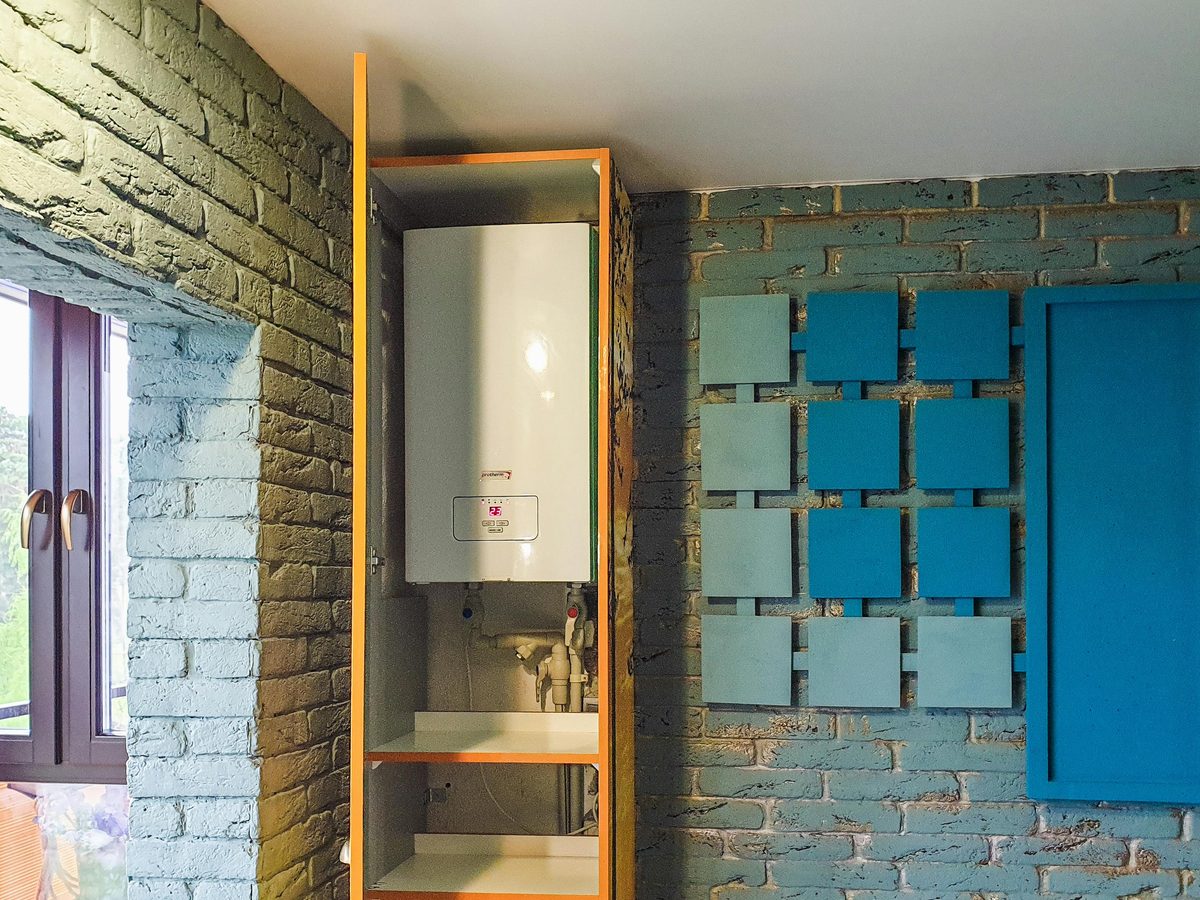
Electric water heaters use one or two resistance heating elements submerged in the tank to warm water. When the thermostat senses that the water temperature has fallen below the setpoint, current flows through the elements, generating heat. Installation is simpler than gas because no venting system is required, making electric models attractive in homes without existing gas service or where venting modifications would be costly.
What Are Heat-Pump Water Heaters and How Do They Differ?
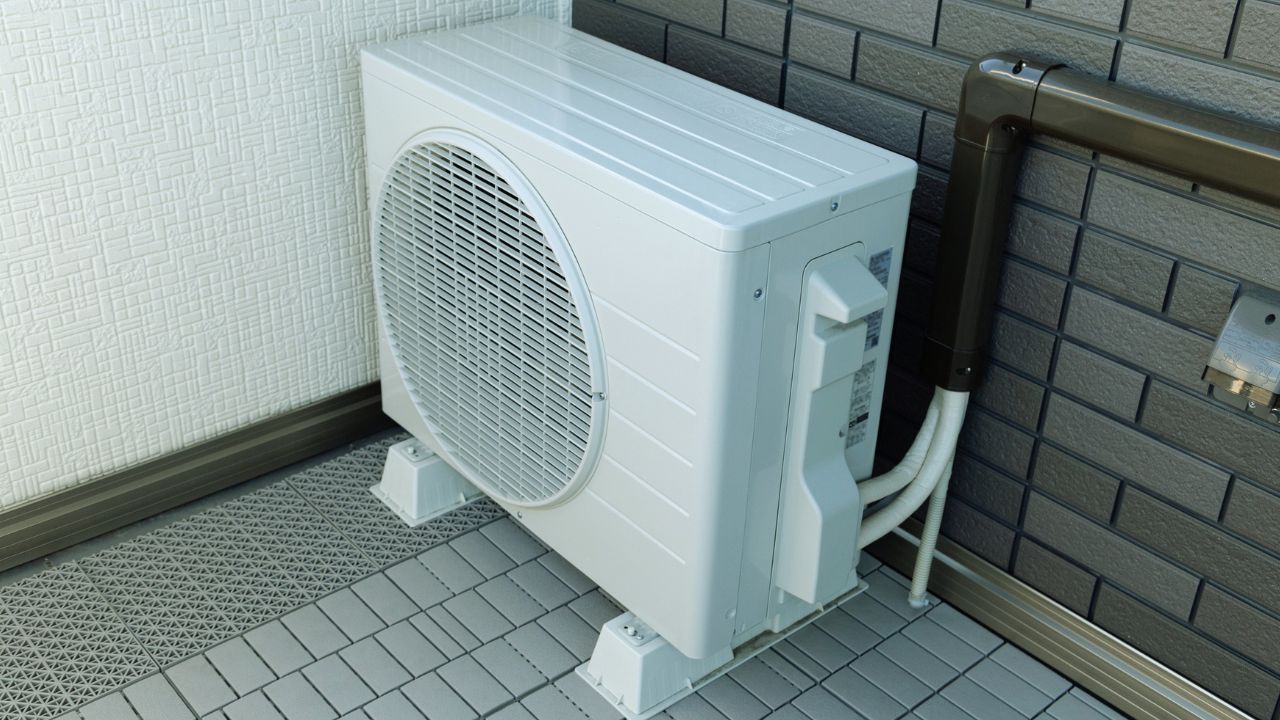
Heat-pump water heaters use a compressor, evaporator, and fan to extract warmth from the surrounding air and transfer it to the water. This process delivers 2–3x better efficiency than conventional electric resistance heating. Heat-pump water heater shipments rose 35% in 2023 to 190,000 units, and these models represented 4% of electric water-heater sales that year.
What Factors Affect Water Heater Choice in Southern California?
Southern California's climate, water chemistry, and infrastructure shape which water heater performs best in a given home. Regional temperature patterns influence recovery needs, while hard water accelerates maintenance demands regardless of fuel type.
How Does Regional Climate Influence Water Heater Fuel Types?
Mixed-dry and hot-dry regions—common in inland Southern California—contain 10.60 million gas homes and 3.99 million electric homes. Marine climate regions along the coast include 3.64 million gas homes and 3.03 million electric homes. Inland areas with hotter summers and greater temperature swings often favor gas for its faster recovery, while coastal zones with milder, more stable conditions support either fuel type depending on existing service.
What Role Does Water Hardness Play in Water Heater Performance?
Manhattan Beach water hardness averages 310 ppm, with groundwater reaching 410 ppm in some supply blends. Scale from dissolved minerals accumulates on heating elements and tank bottoms, reducing efficiency and shortening lifespan. Hard water conditions affect both gas and electric models, but the presence of submerged electric elements can accelerate mineral coating compared to gas burners positioned outside the tank.
How Do Installation Complexity and Cost Vary by Fuel Type?
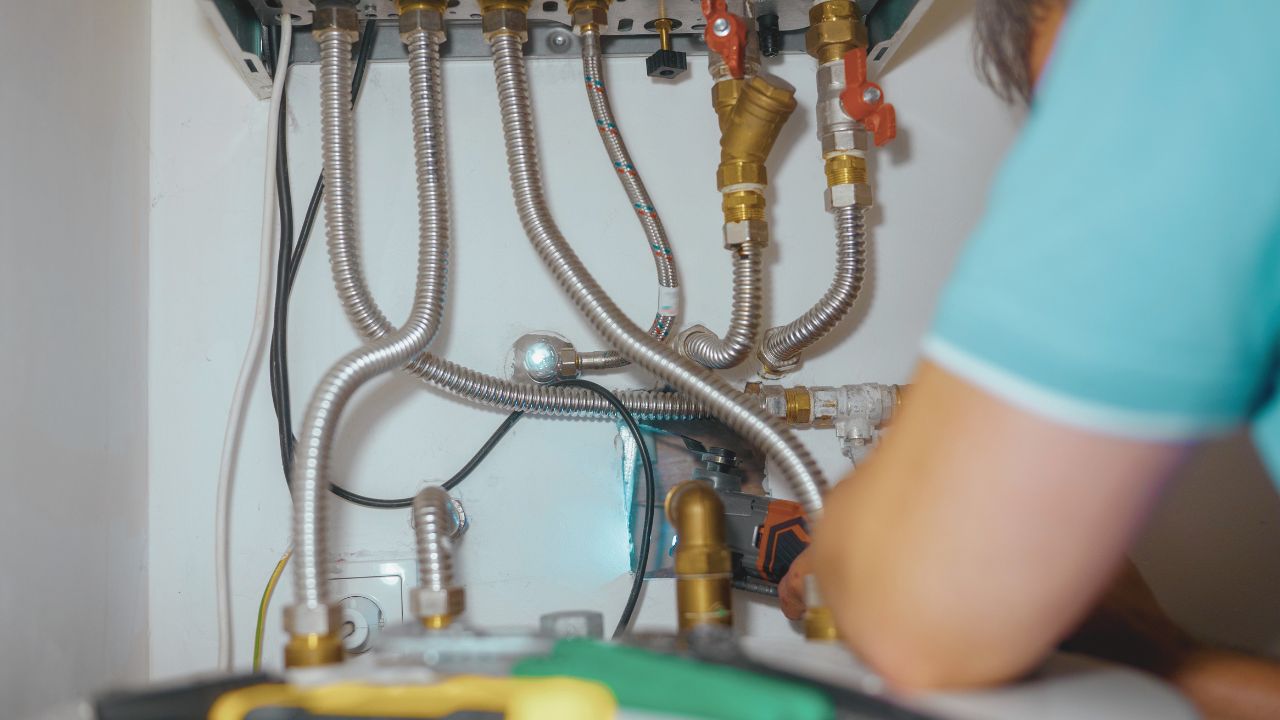
Gas installations require venting systems to exhaust combustion gases, and homes without existing gas lines need additional infrastructure. Electric installations avoid venting but demand adequate electrical panel capacity and circuit sizing. Installation complexity rises when fuel-switching from gas to electric or vice versa, as contractors must address both old and new utility connections.
How Do Gas and Electric Water Heaters Compare on Key Performance Metrics?
Performance differences between gas and electric models center on energy efficiency, recovery speed, and durability under sustained use. These metrics determine operating cost and household satisfaction over the heater's lifespan.
Which Offers Better Energy Efficiency and Operating Cost?
Electric resistance efficiency trails heat-pump efficiency by a factor of 2–3, making hybrid heat-pump models the most energy-efficient heaters available for residential use. Standard electric resistance tanks convert nearly all input electricity to heat, but cost more to operate than gas in most utility markets. Gas models maintain moderate efficiency but benefit from lower fuel costs per therm in many Southern California service territories, creating a tradeoff between upfront price and monthly bills.
How Do They Perform Under High-Demand Conditions?
Gas recovery performance remains strong when multiple showers or appliances draw hot water simultaneously, while electric resistance models offer moderate recovery. Larger households or homes with high simultaneous demand favor gas for its faster reheating. Heat-pump electric models recover more slowly than gas but maintain better efficiency, making them suitable for households willing to size the tank generously or adjust usage patterns.
What Are the Differences in Durability, Warranty, and Lifespan?
Both gas and electric water heaters typically last 10–15 years when maintained properly, though actual lifespan depends on water quality and installation environment. Warranties range from 6 to 12 years, depending on model tier and manufacturer. Common water heater issues, such as anode rod depletion and sediment accumulation, affect both fuel types equally, but electric models avoid burner and venting components that can require repair in gas units.
What Are the Installation and Maintenance Considerations for Each Type?
Installation and ongoing maintenance costs vary by fuel type, existing infrastructure, and local code requirements. Understanding these differences prevents surprise expenses during replacement or upgrade decisions.
What Are Typical Installation Costs and Requirements?
Gas tank water heater installation costs $1,200–$2,300, matching the range for electric tank models of similar capacity. Heat-pump water heaters cost $2,500–$3,500 installed due to additional components and space requirements. Gas tankless installations run $2,100–$4,000, reflecting the complexity of proper venting, gas line sizing, and combustion air supply.
How Do Venting and Space Needs Differ?
Venting complexity for gas water heaters requires either atmospheric draft through a chimney or power-vented exhaust through an exterior wall. Older homes with existing chimneys accommodate atmospheric venting, while modern high-efficiency models often need dedicated PVC venting. Space and temperature conditions required for hybrid heat-pump units include adequate air volume for heat exchange and ambient temperatures above 40°F for efficient operation.
What Maintenance and Repair Factors Should Homeowners Expect?
Gas water heaters require annual inspection of burner components, venting systems, and combustion air supply. Electric models need periodic element inspection and routine maintenance focused on sediment flushing and anode rod replacement. Both fuel types benefit from annual draining to remove scale buildup, especially in hard-water areas where mineral accumulation accelerates wear.
How Does Hard Water Affect Water Heater Choice and Longevity?
Hard water is a defining condition across much of Southern California, creating maintenance demands that influence fuel-type selection. Scale accumulation reduces efficiency and shortens equipment life regardless of heating method.
What Is the Impact of Scale on Gas Versus Electric Heaters?
Manhattan Beach reports dish spots, scale on showerheads, and appliance buildup from hard water as common household problems. Electric heating elements immersed in hard water accumulate mineral coatings that insulate the element from surrounding water, forcing the unit to work harder. Gas burners positioned below the tank avoid direct water contact, but scale still settles on the tank bottom and reduces heat transfer efficiency.
Should Water Softeners Be Used in Conjunction With Water Heaters?
Ion-exchange resin removes hardness minerals from water by exchanging calcium and magnesium ions for sodium. Salt-free systems use conditioning media rather than true hardness removal, crystallizing minerals to prevent adhesion. Water softeners cost $700–$6,000 installed, while salt-free conditioners provide conditioning only without reducing measured hardness; water softener systems paired with either gas or electric heaters extend tank life and preserve efficiency.
How Can Water Treatment Improve Heater Efficiency and Lifespan?
Reducing incoming water hardness prevents scale formation on heating surfaces and tank interiors. Treated water requires less frequent sediment flushing and extends the interval between anode rod replacements. Water treatment solutions that address hardness, sediment, and chlorine improve not only heater performance but also fixtures, appliances, and household plumbing throughout the system.
When Should Southern California Homeowners Choose Gas, Electric, or Heat-Pump Water Heaters?
Heater selection depends on existing fuel service, household size, budget constraints, and efficiency priorities. Matching technology to household conditions ensures reliable performance without overpaying for unnecessary features.
Which Heaters Are Best for Homes With Existing Gas Service?
Homes with existing natural gas service and adequate venting infrastructure often favor gas water heater Southern California installations for straightforward replacement. Gas models deliver fast recovery for large families or homes with high simultaneous demand. Replacing gas with gas avoids fuel-switching costs and leverages existing venting, making it the simplest path when the current setup functions well.
When Is Electric the Preferable Option?
Electric water heater share rose to 55% in 2024, up from 50% in 2022, while gas water heater share fell to 45% from 50% over the same period. All-electric homes, properties without gas service, or locations where venting modifications prove costly benefit from standard electric resistance models. Electric installations avoid combustion safety concerns and suit smaller households where recovery speed matters less than installation simplicity.
Who Benefits Most From Heat-Pump Water Heaters?
Homeowners prioritizing long-term efficiency and willing to invest in higher upfront costs gain the most from heat-pump models. Energy-efficient heaters with heat-pump technology suit garages, basements, or utility rooms with adequate space and ambient temperatures above 40°F. Choosing the right water heater for efficiency-focused households involves weighing premium installation costs against reduced monthly operating expenses over a 10–15 year lifespan.
What Are Common Questions and Misconceptions About Gas Vs. Electric Water Heaters?
Homeowners often assume that gas always costs less to operate or that electric models universally offer simpler installation. Reality depends on local utility rates, existing infrastructure, and household usage patterns. Another misconception holds that tankless models always outperform storage tanks; in practice, storage tanks remain more practical for many households due to lower first cost and simpler installation.
Some believe that hard water affects only gas heaters or only electric models, but scale buildup damages both fuel types equally. Water filtration systems combined with regular maintenance extend lifespan regardless of heating method. A final misconception suggests that electric resistance heaters match heat-pump efficiency; in fact, an electric water heater comparison shows heat-pump units deliver 2–3x better performance than conventional resistance elements.
Choosing the Best Water Heater in Southern California: Balancing Fuel, Cost, Efficiency, and Water Quality
Southern California homeowners replacing a water heater must evaluate the cost of gas versus electric options alongside regional water quality, climate, and household demand. Gas models suit homes with existing service and high recovery needs, while standard electric heaters fit all-electric properties or tight installation spaces. Heat-pump electric units deliver the best efficiency but require adequate space and a higher upfront investment.
Hard water conditions averaging 310 ppm across much of the region make water treatment a valuable complement to any fuel type. Recognizing signs of water heater failure early allows homeowners to plan replacement before emergency failures force rushed decisions. Alpine Plumbing, Heating, and Air serves San Gabriel Valley communities with licensed, experienced technicians who help homeowners match heater technology to household needs and water conditions.
Not Sure Which Water Heater Is Right for Your Home? Alpine Can Help.
Choosing between gas and electric comes down to your home's infrastructure, your household's hot water demand, and your long-term budget — and there's no one-size-fits-all answer. At Alpine Plumbing, Heating, and Air, our licensed technicians have helped Southern California homeowners navigate this exact decision for years.
We'll assess your current setup, walk you through your options in plain terms, and recommend the system that fits your home — not just the one that's easiest to install. No pressure, no upsells. Just honest advice from a team that's been serving the San Gabriel Valley since 2017.
Ready to replace or upgrade your water heater? Contact Alpine Plumbing, Heating, and Air today or schedule a free estimate online. We'll make sure you get reliable hot water, lower energy bills, and a system built to last.