Homeowners facing plumbing replacement decisions often weigh copper vs. PEX piping based on cost, performance, and installation complexity. Each material offers distinct advantages, aligning with different project priorities and budget constraints. Understanding manufacturing differences, durability characteristics, and real-world performance helps clarify which option delivers better long-term value.
The best repiping material depends on water chemistry, retrofit accessibility, budget limits, and preferences for traditional versus modern systems. Both copper and PEX meet code requirements when properly installed, but differ significantly in corrosion resistance, flexibility, and total installed cost. This comparison examines key decision points to identify the most suitable choice for specific repiping scenarios.
Key Takeaways
- Copper pipes cost $2-$8 per linear foot versus PEX at $0.40-$2 per linear foot
- PEX installs almost twice as fast as copper, reducing labor costs significantly
- Copper offers proven durability, but faces pinhole leak risks in certain water conditions
- PEX provides corrosion resistance and flexibility, making retrofits easier with fewer wall openings
- California repipes average $4,500-$8,500 for PEX versus $9,000-$12,000+ for copper systems
What Are Copper and PEX Piping Systems?
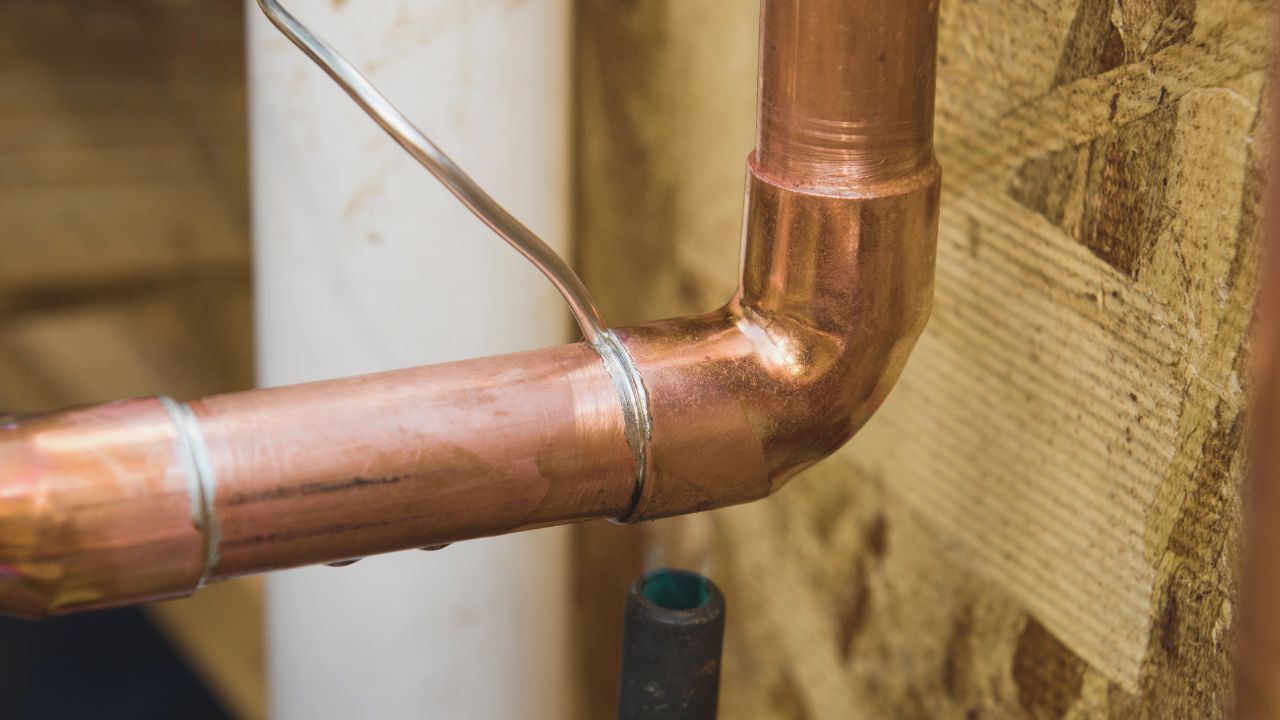
Copper and PEX represent fundamentally different approaches to residential water distribution, each with distinct material properties and installation requirements. Copper is a refined metal formed into rigid tubes, while PEX is cross-linked polyethylene engineered for flexibility. Both materials meet building codes for potable water supply when installed according to manufacturer specifications and local regulations.
The choice between these systems affects initial installation, long-term maintenance, repair accessibility, and system longevity. Copper has served as the plumbing standard for decades, whereas PEX has gained market share since the 1980s. Understanding their construction differences clarifies why installation methods, costs, and performance characteristics vary significantly.
How Is Copper Pipe Manufactured and Constructed?
Copper plumbing tube production begins with melting copper scrap or cathode copper, followed by refining to remove impurities. The refined metal is cast into billets, reheated, pierced with a mandrel, then extruded into hollow tube form. Additional drawing through dies refines the diameter and wall thickness before annealing, softens the metal for coil applications.
About 64% of copper plumbing tube material comes from recycled content, reducing raw material extraction requirements. Professional piping and repiping services typically join copper using soldered connections, brazed joints, or compression fittings. This joining process requires heat application and careful technique to prevent leaks.
What Is PEX and How Is It Made?
PEX is cross-linked polyethylene, a thermoset plastic created by permanently bonding high-density polyethylene molecules. Three cross-linking methods exist: peroxide processing (PEX-A), silane processing (PEX-B), and radiation processing (PEX-C). Each method produces PEX with slightly different flexibility and expansion characteristics, though all types meet performance standards for residential water supply.
Cross-linking transforms standard polyethylene into a material that resists high temperatures and maintains shape under pressure. PEX retains flexibility even in long lengths, allowing installers to route tubing through walls and around obstacles with minimal fittings. This manufacturing approach creates a product fundamentally different from rigid metal piping in handling and installation.
What Are the Typical Installation Methods for Each?
PEX installation relies on long continuous runs using mechanical fittings such as crimp rings, expansion fittings, or push-fit connectors. Installers can pull flexible PEX tubing through existing wall cavities with fewer access points than rigid piping requires. This reduces the number of joints where leaks might develop and simplifies routing in retrofit situations.
Copper installation involves joining straight rigid lengths with soldered or fitted connections at every direction change and branch point. Piping and repiping projects using copper typically require more wall openings to accommodate rigid sections and soldering access. Additional fittings and connection points increase both material counts and labor time compared to flexible PEX installations.
What Are the Key Differences Between Copper and PEX Pipes?
Material properties determine how copper and PEX perform under different water conditions, installation scenarios, and long-term service environments. Copper offers rigidity and a proven service history spanning decades, while PEX provides flexibility and resistance to certain failure modes. These fundamental differences influence durability, installation convenience, and suitability for specific applications.
The distinction between metal and plastic construction affects thermal conductivity, chemical interaction with water, and physical response to building movement. Copper conducts heat readily and maintains shape under all temperatures, whereas PEX insulates better and can expand slightly under pressure.
How Do Durability and Corrosion Resistance Compare?
Copper pipe durability depends heavily on water chemistry, with aggressive water causing pinhole leaks through gradual corrosion. Property damage from pinhole leaks affects 92% of households experiencing this failure mode. Copper's vulnerability to specific water conditions creates maintenance risk in areas with acidic or highly mineralized supply water.
PEX provides inherent corrosion and scaling resistance because plastic does not react chemically with dissolved minerals or pH variations. Copper has a longer documented track record, with some installations serving reliably for 50 years or more. PEX technology lacks equivalent multi-decade field data, though laboratory testing and expanding real-world experience support projected service life exceeding 25 years.
How Do Flexibility and Retrofit Convenience Differ?
Copper's rigidity requires careful planning to route straight sections through walls, often necessitating additional access openings during retrofit projects. Each direction change demands a fitting, increasing joint count, and potential leak points throughout the system. This makes copper less convenient in existing buildings where wall and floor access is limited or costly.
PEX flexibility allows installers to bend tubing around obstacles and pull long runs through confined spaces with minimal wall penetration. Systems using PEX typically require fewer joints than comparable copper installations, reducing leak risk. Installation speed data shows PEX systems install almost twice as fast as copper, directly lowering labor costs and project disruption.
What Are the Health and Water Quality Considerations?
Both copper and PEX meet EPA and NSF standards for potable water contact when properly installed and certified for plumbing use. Copper can leach small amounts of metal into water, particularly during initial flow after long standing periods in new installations. PEX may release trace organic compounds initially, though certified products meet strict limits for taste, odor, and health impacts.
Water quality priorities vary among homeowners, with some preferring metal contact surfaces and others valuing plastic's neutral interaction with water chemistry. Neither material introduces health concerns when installed according to code and purchased from reputable manufacturers meeting certification standards.
How Do Costs Compare Between Copper and PEX Repiping?
Material costs represent only one component of total repiping expenses, with labor and project complexity significantly affecting final prices. Copper material ranges from $2 to $8 per linear foot, while PEX costs $0.40 to $2 per linear foot. This substantial material price gap widens when installation time differences are factored into total project costs.
Repiping copper pipes typically requires more labor hours due to rigid routing requirements and soldered joint preparation at every fitting. PEX's faster installation and reduced fitting count lower labor expenses even before material savings are considered. Regional pricing variations reflect local labor rates, permitting costs, and market competition among licensed contractors.
What Are the Material and Labor Cost Differences?
Raw material expense strongly favors PEX, with most products costing less than half the price of comparable copper tubing. CPVC offers an intermediate option at $0.50 to $1 per linear foot, though it lacks PEX's flexibility advantages. These per-foot figures multiply across hundreds of feet in whole-house applications, creating significant budget differences before labor is considered.
Labor costs amplify material savings because PEX installation proceeds faster and requires fewer specialized skills than copper soldering. Plumbers typically charge $45 to $200 per hour, depending on regional markets and project complexity. Lower material expense combined with reduced installation time, makes PEX substantially more economical for most residential repiping projects.
How Do Typical Repiping Project Prices Vary Regionally?
California PEX repipe projects for 1,500-square-foot homes typically cost $4,500 to $8,500, reflecting regional labor rates and permitting requirements. Comparable copper repipes in the same market range from $9,000 to $12,000 or higher due to increased material and installation time. National whole-house repiping averages approximately $7,500, though individual projects span $1,500 to $15,000 based on home size and complexity.
Regional price variations reflect differences in contractor availability, local code requirements, and competitive market dynamics. Understanding leak detection service costs helps homeowners budget for diagnostic work that often precedes repiping decisions. Geographic factors such as earthquake zones may influence code requirements affecting both material selection and installation costs.
How Does Installation Time Affect Overall Cost?
PEX systems install almost twice as fast as copper installations in many retrofit scenarios, directly reducing billable labor hours. Faster installation also minimizes disruption to household routines and shortens the period during which water service remains interrupted. Time savings accumulate across every project phase, from initial routing through final pressure testing.
Labor represents the largest controllable cost variable in repiping projects, often exceeding material expenses in total budgets. Contractors can complete PEX installations with fewer crew members and less specialized training than copper soldering requires. These efficiency gains translate directly into lower customer costs while maintaining quality standards and code compliance.
How Do Consumer Preferences Influence Pipe Material Selection?
Homeowner decisions about repiping material reflect priorities beyond simple cost comparison, including trust in contractors, perceived material quality, and long-term value considerations. Research shows 55% of consumers rank trust and reputation as the top factor when choosing home improvement professionals. Quality of work follows at 28%, indicating homeowners prioritize reliable execution over initial price in consequential projects.
Material selection often depends on contractor recommendations shaped by installation experience, warranty coverage, and customer satisfaction patterns. Learning how water leak detection works helps homeowners understand when existing systems require replacement versus repair. Demographic factors, including age and DIY inclination, further influence whether homeowners pursue professional installation or attempt self-installed solutions.
What Role Do Trust and Quality Play in Hiring Professionals?
Trust and reputation drive material selection indirectly by influencing which contractors homeowners engage for repiping consultation and execution. When 55% of consumers prioritize trust over price, they implicitly accept contractor material recommendations backed by professional experience. Quality-focused consumers at 28% similarly defer to expert guidance about which materials best suit specific conditions.
Licensed professionals carry insurance and warranty obligations that align their material choices with long-term customer satisfaction rather than short-term profit maximization. Homeowners working with established contractors benefit from installation expertise that prevents common errors and ensures code compliance.
How Do Homeowners Prioritize Material Attributes?
Homeowners evaluate plumbing materials based on corrosion resistance, taste and odor impact, health considerations, installation convenience, market performance history, material cost, and warranty length. PEX plumbing advantages include superior corrosion resistance and installation flexibility, which appeal to cost-conscious homeowners managing retrofit projects. Copper pipe durability attracts homeowners valuing proven performance and traditional metal construction despite higher installation costs.
Material attribute priority varies with individual circumstances, including existing pipe condition, water chemistry, budget constraints, and long-term ownership plans. Addressing rusty water issues often reveals corrosion problems that influence material selection toward corrosion-resistant options. Homeowners experiencing repeat failures prioritize materials that eliminate the recurrence of specific failure modes affecting their current systems.
How Do Demographics Affect Repiping Decisions?
Homeowners under 35 years old dedicate approximately 29% of home improvement spending to DIY projects, while those 65 and older allocate only 12% to self-performed work. This age gradient reflects physical capability, time availability, and comfort with professional delegation among different demographic groups. Repiping projects typically fall outside comfortable DIY territory due to code requirements, concealed work, and leak-damage risk.
Survey data shows 14% of homeowners prefer handling projects entirely independently, while 28% mix DIY and professional work depending on project complexity. DIY faucet installation challenges illustrate why seemingly simple plumbing tasks often benefit from professional expertise. The remaining respondents rely primarily or entirely on hired professionals, reflecting a realistic assessment of skill requirements and consequence severity.
What Are the Market Trends in Plumbing Materials and Services?
Historical market data shows copper dominated residential plumbing installations for decades before plastic alternatives gained significant adoption. The MEP service market in North America reached $33.48 billion in 2024 and projects growth to $51.41 billion by 2030. Residential segment growth specifically tracks at 8.0% annually, while upgrade and replacement work expands at 8.5% yearly.
These growth patterns reflect aging housing stock requiring plumbing renewal as original installations reach end-of-service life. California's plumbing industry, valued at $20.3 billion in 2026, demonstrates a substantial regional market size supporting professional service demand. Material preference shifts toward PEX reflect practical advantages in retrofit applications, even as copper retains market presence for new construction and premium installations.
How Has the Installed Base of Copper and PEX Changed Over Time?
Copper historically comprised approximately 90% of residential plumbing installations in surveyed housing stock, reflecting its dominance as the standard material for most of the 20th century. PEX accounted for roughly 7% of installed systems in the same historical surveys, with CPVC at 2%. These figures represent legacy installations rather than current new-installation market share, which has shifted substantially toward PEX in recent decades.
Whole-house replumbing projects increasingly favor PEX over copper, even in homes originally plumbed with metal piping. Section repairs and partial replacements more commonly use copper to match existing systems and avoid mixed-material complications. This pattern creates a gradual installed-base transition as older copper systems undergo selective PEX replacement driven by cost and convenience considerations.
How Do Copper and PEX Perform in Real-World Repairs and Repiping?
Actual repair and replacement decisions provide insight into how materials perform under real-world conditions beyond laboratory testing. A Virginia Tech study mailed surveys to 1,600 households and received 1,047 responses, achieving a 65% response rate. Among respondents experiencing pinhole leaks, 133 replaced affected sections, 77 used clamps, 50 replumbed entire houses, and 9 applied epoxy coating.
These response patterns reveal that leak severity influences whether homeowners pursue localized repair or system-level replacement. Material choice differs between repair scenarios: copper remains common for section replacement matching existing systems, while PEX dominates whole-house replumbing decisions. Cost considerations play a major role, with 37% of leak-affected households spending over $500 on repairs.
When Is Copper Preferred for Repairs?
Copper section replacement makes practical sense when matching existing copper systems in homes where most piping remains functional. Maintaining material continuity avoids mixing dissimilar metals that can accelerate galvanic corrosion at connection points. Experienced plumbers familiar with soldering techniques can execute copper repairs efficiently when replacing short, damaged sections rather than entire systems.
Homeowners preferring traditional metal construction sometimes specify copper even when PEX offers economic advantages, valuing material consistency throughout their plumbing systems. Stopping water pipe leaks in copper systems often involves cutting out damaged sections and soldering in replacement pieces. This approach works well for isolated failures but becomes less economical when multiple locations show corrosion or pinhole development.
Why Is PEX Often Chosen for Whole-House Replumbing?
Survey evidence confirms PEX as the most common material for whole-house replumbing among households addressing severe leak problems. Cost savings, installation speed, and reduced wall access requirements make PEX particularly attractive in comprehensive replacement scenarios. Homeowners replacing entire systems prioritize materials that minimize disruption and total installed cost over maintaining consistency with removed piping.
PEX flexibility allows routing through existing wall cavities and crawl spaces without the extensive demolition required for rigid copper installation. Reduced fitting count lowers both material expense and potential leak points compared to copper systems, requiring fittings at every direction change. These practical advantages explain PEX's dominance in whole-house applications even among homeowners whose original systems used copper exclusively.
What Do Case Studies and Surveys Reveal About Usage Patterns?
The Virginia Tech study's 65% response rate and 1,047 total responses provide reliable insight into real household decisions about plumbing materials. Among leak-response actions, complete house replumbing represented a significant minority at 50 instances, while section replacement dominated at 133 cases. This distribution shows homeowners pursue partial solutions when feasible, reserving full replumbing for situations where damage is widespread or systems are near end-of-life.
Cost impact proves substantial, with 37% of affected households spending more than $500 on leak repairs and some reporting expenses exceeding $10,000, including property damage. These high-consequence scenarios drive homeowners toward materials offering superior corrosion resistance to prevent recurrence. Survey evidence of 92% property damage rates among pinhole-leak households underscores the severity of failure events that motivate repiping decisions.
Making the Best Choice Between Copper Pipes and PEX Piping for Repiping
Material selection for repiping projects should align with specific water conditions, budget constraints, installation accessibility, and long-term maintenance priorities. PEX typically delivers better value in retrofit scenarios through lower installed cost, faster completion, and corrosion resistance that prevents pinhole failures. Copper remains appropriate where traditional metal construction is valued, the budget allows premium pricing, or existing partial copper systems require matching extensions.
Homeowners should prioritize water chemistry testing before finalizing material selection, as aggressive water conditions accelerate copper corrosion while having minimal effect on PEX. Professional consultation helps identify site-specific factors such as UV exposure risk for PEX or galvanic corrosion potential in mixed-metal installations. The best choice emerges from matching material characteristics to actual conditions rather than applying universal rules.
Most residential repiping projects benefit from PEX's combination of cost efficiency, installation speed, and resistance to corrosion patterns that often trigger replacement decisions. Copper retains advantages in specific applications, including exposed decorative piping, extreme temperature environments, and situations where material prestige influences property value perception. Alpine Plumbing, Heating, and Air helps San Gabriel Valley homeowners evaluate these factors to select optimal repiping solutions based on their specific water quality, building characteristics, and budget requirements.
Still Unsure Which Pipe Is Right for Your Home?
Copper or PEX, the best choice depends on your water chemistry, your home's layout, and your long-term plans. At Alpine Plumbing, Heating, and Air, our licensed technicians assess these factors for you and walk you through honest, transparent options so you can decide with confidence. No pushy sales tactics, no guesswork, just expert guidance from a family-owned team that has served San Gabriel Valley homeowners for over 20 years. Request your free repiping estimate and get clear pricing, straight answers, and a solution built around your home.