Key Takeaways
- A heat pump heats and cools, and an ENERGY STAR air-source model can deliver up to three times more heat energy than the electrical energy it uses.
- A gas furnace rated 95% AFUE or higher stays practical when gas service and a serviceable air conditioner are already in place.
- When both the furnace and AC are due, compare one heat pump against furnace-plus-AC replacement as a whole project, including ducts, electrical work, and permits.
- No statewide ban stops existing-home furnace replacement, although California codes and air-quality rules increasingly favor heat pumps.
- Model operating cost from your home's load, your actual utility tariff, and installed efficiency, because statewide average rates cannot predict your savings.
Furnace vs heat pump Southern California decisions start with climate. Winters are mild, summers are long and hot, and one heating decision also shapes your cooling. A furnace burns natural gas or uses electric resistance and sends warm air through ducts. A heat pump moves heat with a refrigeration cycle that reverses to provide air conditioning. Since 2017, Alpine Plumbing, Heating, and Air has handled heater replacement and system installs for homes in San Dimas and nearby cities.
Here's what we break down: how each system makes heat, what efficiency ratings mean, how California codes and utility rates shape cost, which installation checks matter, and when a furnace, heat pump, or dual-fuel system fits. Comparing the two HVAC system options takes more than reading equipment labels, so we focus on your ducts, electrical capacity, existing equipment, and local rates.
Furnace vs Heat Pump Southern California: How Each System Heats
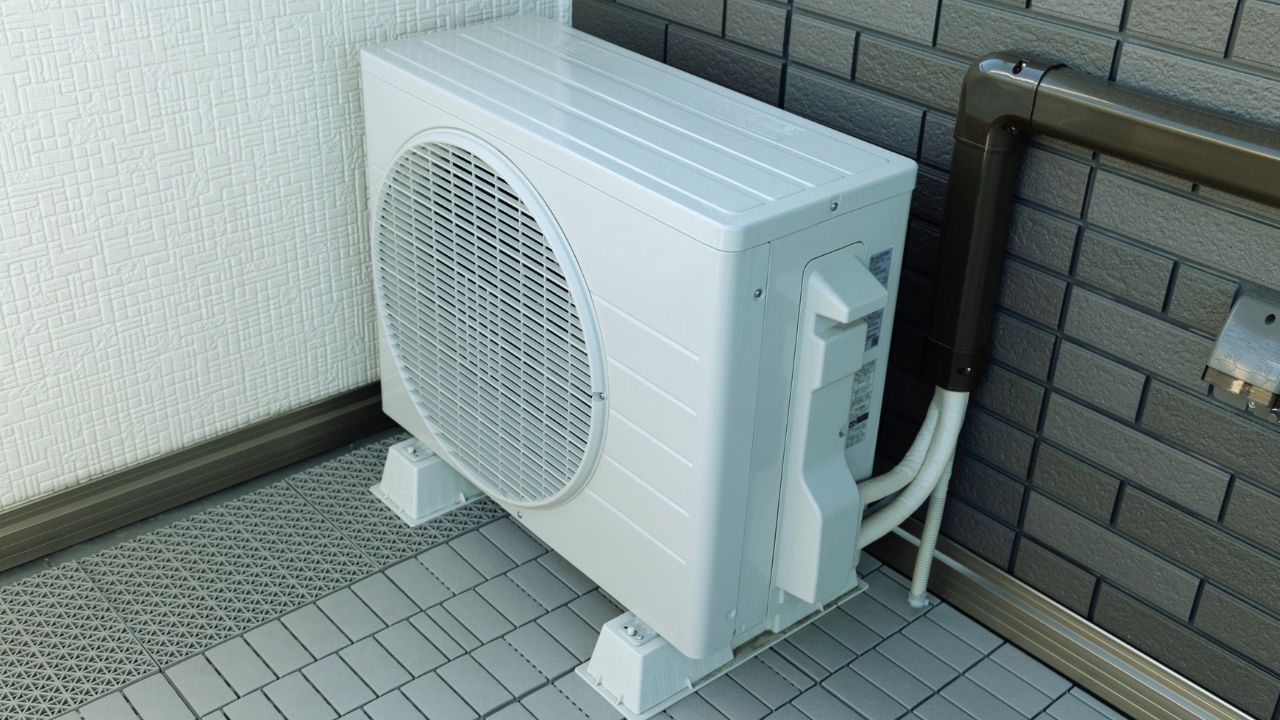
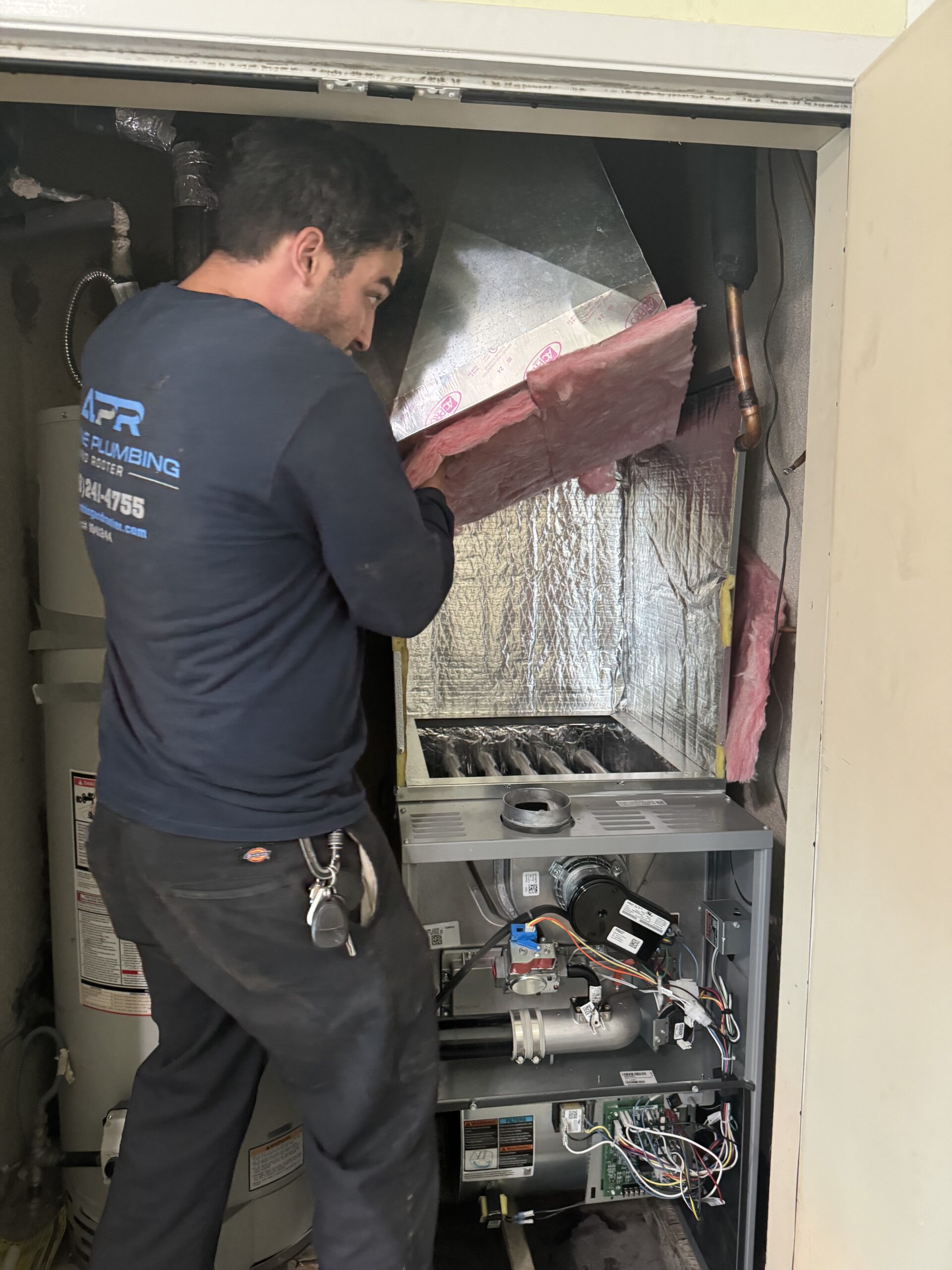
A furnace burns natural gas, propane, or oil in a combustion chamber, or uses electric resistance heating. A blower motor then pushes the warmed air across the heat exchanger and through the ducts of a forced air heating system. Gas furnaces need a gas line, venting for combustion byproducts, and combustion air to run safely. A heat pump uses electricity to transfer heat instead of creating it through combustion. It moves warmth indoors in winter and outdoors in summer, so it works as both heater and air conditioner, replacing central air conditioning and the furnace with one unit.
| Feature |
Gas furnace |
Air-source heat pump |
| Heat source |
Burns natural gas, propane, or oil; electric resistance versions exist |
Moves heat with electricity through a refrigerant cycle |
| Cooling |
None; usually paired with central air conditioners |
Reverses to cool, so one system covers both |
| Efficiency metric |
AFUE |
HSPF2 for heating, SEER2 for cooling |
| On-site combustion |
Yes; needs venting and combustion air |
No |
| Gas connection |
Required |
Not required in an all-electric home |
| Key parts |
Combustion chamber, heat exchanger, blower motors |
Outdoor unit, refrigerant lines, indoor cooling coil |
Furnaces also come in different designs. A single-stage furnace runs at one output, a two-stage furnace adds a lower setting, and a modulating furnace adjusts output in small steps. Older atmospheric burner furnaces rely on natural draft and often vent through masonry chimneys, and gravity furnaces predate blower systems. Homes without a natural gas line may use a propane furnace. ENERGY STAR air-source heat pumps can deliver up to three times more heat energy than the electrical energy they consume, and in summer they provide energy efficient cooling much like conventional air conditioners. Ducted heat pumps can often use your existing air ducts after a duct check.
Heat Pump Efficiency Rating Metrics Do Not Match Furnace Metrics
AFUE (Annual Fuel Utilization Efficiency) is the share of fuel heat that becomes space heat instead of escaping through venting. SEER2 (Seasonal Energy Efficiency Ratio 2) measures cooling-season efficiency under the newer federal test procedure. HSPF2 (Heating Seasonal Performance Factor 2) measures heat pump heating-season efficiency. COP (Coefficient of Performance) divides useful heat output by electrical energy input at a given operating condition.
Do not compare AFUE with HSPF2 as percentages of the same process, because they measure different things. AFUE leaves out some distribution losses, so real performance depends on duct condition and airflow. SEER2 and HSPF2 results depend on sizing, installation, weather, ducts, and use. ENERGY STAR criteria for gas furnaces in the U.S. South, including California, require 95% AFUE or greater. A heat pump efficiency rating only helps when the system is sized and matched correctly, and SEER2 efficiency ratings explain the cooling side in more detail.
Furnace vs Heat Pump Southern California: Climate, Codes, and Rates
Southern California has coastal, inland, foothill, high-desert, and mountain microclimates with different temperature ranges. San Dimas and much of the San Gabriel Valley have long cooling seasons and modest winter heating demand, which favors systems that handle both jobs. From Los Angeles to the Inland Empire and San Bernardino, foothill and high-desert design temperatures can differ sharply from coastal ones. That gap affects equipment sizing and backup heat, and high-elevation cold-climate homes may need more backup capacity than valley homes.
Air-quality and energy rules
- South Coast AQMD Rule 1111 limits NOx emissions from natural-gas-fired fan-type central furnaces sold or installed in the district. It lists a 14 ng/J NOx limit for covered furnace categories.
- California's 2025 Energy Code applies to permit applications submitted on or after January 1, 2026, and it expands heat pump use in newly built homes.
- The code does not prohibit furnace installation in existing-home replacements, so do not assume California has banned gas furnaces.
- State and federal energy legislation aims to cut fossil fuel consumption in buildings, which is why policy keeps moving toward heat pumps.
Electricity and gas prices
California's 2024 average retail electricity price across all sectors was 27.04 cents per kWh. EIA data puts residential natural gas at $20.33 per thousand cubic feet in June 2026 and $21.35 in July 2026. These are statewide averages, not a household quote. Your operating cost depends on:
- Your California utility, such as Southern California Edison, and your rate tier
- Your time-of-use plan and electricity rates versus gas utility rates
- Weather and thermostat settings
- Equipment efficiency
- Solar panels and solar production
- How much heating your home actually needs
Comfort, Air Quality, and Noise Differ Between Furnaces and Heat Pumps
Choosing a heating option in California involves more than efficiency ratings. Comfort, indoor air safety, and sound levels vary with equipment selection and installation quality.
Heat Delivery and Temperature Control
Furnaces typically deliver hotter supply air in shorter cycles, which feels like faster warmth. Heat pumps deliver lower-temperature air for longer periods and keep indoor temperatures steadier when correctly sized and controlled. That steadiness is what many owners mean by climate controlled heating in California.
Combustion Emissions and Air Safety
A gas furnace burns fuel on site, so it needs proper venting, combustion air, and heat exchanger integrity to prevent carbon monoxide and other emissions. A cracked heat exchanger can cause a carbon monoxide leak, so a suspected leak means leaving the home and calling for emergency help. A heat pump has no on-site combustion and needs no gas connection in an all-electric setup. Professional gas leak detection and gas line repair keep an existing furnace connection safe. During wildfire season, a clean air filter and sealed air ducts help any system protect indoor air.
Noise Levels
Noise depends on model selection, outdoor-unit location, vibration isolation, fan speed, and installation quality, not on technology alone. Heat pumps run the outdoor unit during the heating season, so placement and sound ratings matter for both systems.
Choose a Furnace, Heat Pump, or Dual-Fuel System Based on Your Equipment
The right system depends on the condition of your existing equipment, your ductwork, your budget, and whether you value one simple system or backup flexibility.
| Your situation |
Likely fit |
| Furnace and AC are both old |
Compare a heat pump against full furnace-plus-AC replacement for total installed cost and efficiency |
| Furnace failed, AC is newer and serviceable, gas service is in place |
High-efficiency gas furnace with the smaller project scope |
| Ducts pass airflow, leakage, and insulation checks |
Ducted heat pump on central ductwork |
| No ducts, or you want zoning |
Ductless mini split heat pumps |
| You want backup flexibility |
Dual-fuel system: a heat pump paired with a gas or oil furnace, used by cost and conditions |
Alpine uses 10 to 15 years as a general age prompt for considering heater replacement, which lets homeowners plan before an emergency failure. When only the furnace has failed and the AC is relatively new, furnace replacement involves less work and protects your air-conditioning investment. When both are old, AC replacement and heating can happen in one project.
Gas-to-electric conversions add scope. They can require electrical service upgrades, and an all-electric home may also add an electric water heater to the panel load. Avoid aggressive thermostat setbacks if your controls respond by firing an electric heating strip, because resistance backup heat can raise operating cost significantly.
Installation Scope, Electrical Capacity, and Ductwork Often Exceed Equipment Cost
Hidden project scope often costs more than the equipment itself. A full AC + furnace installation also touches the cooling coil, ducts, controls, and permits. Use this checklist before you commit:
| Check |
What to verify |
| Load calculation |
Manual J, a room-by-room method, sets capacity needs. Square footage or old equipment size does not. |
| Air ducts |
Test leakage, insulation, static pressure, returns, and airflow before promising reuse |
| Electrical |
Confirm service size, panel space, breaker size, wiring route, and load-management options |
| Furnace infrastructure |
Verify gas line, venting, condensate, drain, and combustion-air requirements |
| Heat pump placement |
Assess outdoor-unit location, clearances, drainage, noise, and refrigerant-line route |
| Controls |
Confirm thermostat compatibility, since newer equipment often needs updated controls |
Required electrical work for a heat pump installation depends on service size, panel capacity, existing loads, equipment configuration, and whether the design includes resistance backup heat. Proper commissioning addresses distribution losses and can improve efficiency beyond nameplate ratings, which is where real home furnace energy savings come from. A typical AC installation follows the same load, duct, and electrical checks, and HVAC replacement costs vary widely with that hidden scope.
Compare Proposals by Scope, Ratings, and Real Operating Costs
A complete proposal goes beyond model numbers and prices. Confirm these items in writing:
- The indoor coil, outdoor unit, and air handler are an AHRI-rated match, so published efficiency ratings apply to your installed system.
- Permit, Title 24/HERS, and local inspection requirements match the real project scope.
- Heating output at the home's design condition appears, rather than nominal tonnage alone.
- Any duct or electrical work is listed.
- Annual operating-cost projections use your actual tariff, time-of-use plan, and load.
EIA prices are statewide averages, not a San Dimas household quote. Ask for a local evaluation and cost assessment that models your Southern California Edison or other utility rates, solar production, and heating needs. Choosing a qualified contractor matters as much as the equipment, and a guide on how to choose an HVAC company lists the credentials to check.
Heat Pump Performance, Panel Upgrades, and Rebates: Common Homeowner Concerns
Cold-Weather Performance
ENERGY STAR cold-climate air-source heat pump certification includes third-party-verified performance testing down to 5°F. Certified models can keep operating below that point, although backup integration may matter in severe cold. Southern California homeowners should not assume they need the most cold-climate-specific product. They should require capacity data at their local winter design temperature.
Electrical Panel Upgrades
Some heat pump installations need a service or panel upgrade, while others fit within existing capacity. Request a detailed electrical assessment at the proposal stage, so you know whether climate controlled heating in California with a heat pump needs infrastructure investment beyond the HVAC equipment.
Rebates and Incentives
Check live program funding and get any required reservation or preapproval before you count a rebate in your budget. HEEHRA Rebates for single-family homes, funded through the federal Inflation Reduction Act, were fully reserved statewide as of February 24, 2026. Southern California HEEHRA reservations were fully reserved as of January 7, 2026. TECH Clean California rebates for heat pumps showed as reserved statewide as of November 14, 2025. The federal 25C tax credit ended for installations after December 31, 2025. These dates reflect past status, and program funding changes often, so confirm current availability for any HVAC rebates before you sign a contract. Alpine's California HVAC rebates guide tracks the programs.
Choosing a Heating Option in California Depends on Your Home, Not a Universal Verdict
A heat pump often fits when both your furnace and AC near the end of their lives, because one system gives year-round comfort in a moderate-winter, high-cooling climate. A high-efficiency gas furnace remains sensible when the AC is relatively new, gas service exists, and you want a small project. Dual-fuel systems let you use the cheaper heat source as outdoor temperatures and rates change.
Real-world results depend on Manual J sizing, AHRI-matched equipment, duct sealing, airflow, and control setup. Operating cost depends on your tariff, thermostat habits, and home, not on statewide averages. Verify that any proposed furnace meets South Coast AQMD Rule 1111 limits and that any heat pump proposal includes capacity at your design temperature. Understanding when repair makes sense versus replacement lets you time the decision instead of reacting to a failure, and seasonal HVAC maintenance keeps either system efficient.
Contact Alpine for a Free Heating System Assessment
Alpine Plumbing, Heating, and Air has served Southern California homeowners and businesses since 2017, and our team brings 20+ years of combined experience to every heating and cooling project. Our licensed technicians (California license #1041244) are insured, and our comfort specialists run load calculations, duct tests, and electrical assessments before they recommend a furnace, heat pump, or dual-fuel system. We offer same-day service, seven days a week, across San Dimas, Claremont, La Verne, Glendora, and nearby cities.
Call (626) 385-4001 or request your free quote online for a detailed proposal based on your home's actual load, existing equipment, and local utility rates. Our financing options can spread out the cost of a larger project, and our AC replacement cost guide helps you plan the budget.
Frequently Asked Questions
Is a furnace or a heat pump the better fit for Southern California homes?
It depends on your existing equipment and infrastructure. A heat pump often fits when both the furnace and AC are aging, because one system covers heating and cooling in a mild-winter, long-cooling-season climate. A high-efficiency gas furnace fits when the AC is newer, gas service is in place, and you want less project scope. A Manual J load calculation and a duct and electrical inspection settle the question for your specific home.
How does a heat pump efficiency rating compare with a furnace's AFUE?
They measure different processes, so you cannot compare them as percentages of the same thing. AFUE is the share of fuel heat that becomes space heat, while HSPF2 and SEER2 measure heat pump heating and cooling seasons. An ENERGY STAR air-source heat pump can deliver up to three times more heat energy than the electricity it uses. Real results still depend on sizing, installation, ducts, and weather.
Has California banned gas furnaces?
No. The 2025 Energy Code applies to permits submitted on or after January 1, 2026, and it expands heat pump use in new residential construction. It does not prohibit furnace installation in existing-home replacements. South Coast AQMD Rule 1111 does set a NOx limit for covered gas furnaces, so verify that any proposed furnace meets it.
Do heat pumps work well in cooler Southern California areas like the foothills?
Yes, when they are sized for your local design temperature. ENERGY STAR cold-climate heat pumps are certified with performance testing down to 5°F and can run below that point. Foothill, high-desert, and mountain homes may need backup heat or more capacity than coastal homes. Ask for capacity data at your local winter design temperature, not a generic rating.
How much can I save on home heating costs with a heat pump or a new furnace?
Savings depend on your utility tariff, time-of-use plan, weather, thermostat settings, equipment efficiency, and solar production. Statewide averages, such as 27.04 cents per kWh for electricity in 2024, cannot predict your bill. Request an annual operating-cost projection that models your actual rates and load. Sealed ducts, correct sizing, and updated controls often add as much to home furnace energy savings as the efficiency label does.