Timing determines total cost: April-May AC installations avoid 10-30% peak-season markups, 2-4 week wait times, and 50-100% emergency service premiums that hit during June-July heat waves.
Pre-install envelope improvements shrink system size: Air sealing ($300-$1,000) and duct sealing ($300-$1,000) stop 20-40% energy waste, enabling smaller, less expensive AC systems that run more efficiently.
Proper sizing requires Manual J calculations: Oversized systems waste 10% efficiency through short cycling and humidity problems; undersized systems run continuously and fail prematurely. Never accept rule-of-thumb sizing.
Stack incentives for maximum savings: Federal tax credits ($3,200/year through 2025), state rebates ($300-$10,000), and utility programs ($250-$5,000) can total $600-$15,000+ when combined, but require proper documentation and deadlines.
Smart thermostats deliver the fastest payback: $115-$500 investment returns $200-$400 annually (10-23% savings) with 1-2 year payback, making them the quickest win before considering larger equipment upgrades.
Summer cooling costs average $300-$800 per season, but strategic energy efficient upgrades and proper timing can cut those bills by 15-50% while improving comfort. Pre-season preparation prevents emergency breakdowns during peak heat, when wait times stretch to 2-4 weeks and repair costs jump 50-100%.
This guide shows homeowners exactly which actions deliver the fastest savings, when to replace versus repair, and how to avoid the costly mistakes that waste thousands.
What Should You Do First To Lower Cooling Costs Before Summer Hits?
Start with a quick cooling audit to identify the biggest energy drains. These five checks take 30 minutes and reveal which upgrades will deliver the fastest return.
Quick home "cooling audit" checklist:
Air leaks: doors, windows, attic hatch (20-40% of conditioned air lost through leaks)
Thermostat settings (7-10°F setback for 8 hours daily saves up to 10% annually)
Filter condition (dirty filters cause 30% of HVAC breakdowns; replace every 30-90 days)
Do You Need A New AC Installation Or Targeted Upgrades?
Replace when repair costs exceed half the replacement price or the system is 15+ years old. Age matters: units without regular maintenance fail at 10-15 years, while well-maintained systems reach 15-20 years. Run the numbers before deciding.
Replace vs. Repair Decision Triggers:
Age 15+ years (lifespan without maintenance: 10-15 years; with maintenance: 15-20 years)
SEER rating below 13 (older units: 8-13 SEER vs modern baseline: 14-16 SEER2)
Payback Calculation Basics:
Current summer costs (average: $300-$800 per season)
Upgrade from 10 SEER to 15 SEER = 33% savings
Upgrade from 10 SEER to 20 SEER = 50% savings ($400-$800/year)
Typical payback: 5-15 years for equipment; <2 years for smart thermostats
What AC System Should You Install For Lower Bills And Better Comfort?
Choose based on your existing infrastructure and climate needs. Central AC works for homes with good ductwork, heat pumps deliver year-round efficiency with better federal incentives, and ductless systems eliminate duct losses while enabling room-by-room control. For comprehensive HVAC services that include proper system selection and installation, work with certified professionals who understand local climate demands.
Central AC vs. Heat Pump vs. Ductless:
Type
Best For
Efficiency
Cost
Key Benefit
Central AC
Existing good ducts
14-26 SEER2
$6,000-$11,500
Whole-home cooling
Heat Pump
Replacing heating + cooling
14-26 SEER2 + heating
Similar
Year-round; $2,000 federal credit vs $1,200
Ductless
No ducts; problem zones
30-50% better efficiency
$2,000-$4,000/zone
No duct losses (20-40%); precise zoning
Efficiency Features That Matter:
Variable-speed/inverter compressor (30-50% better efficiency; maintains temp within 0.5°F)
SEER2 rating: each point = 5-8% efficiency improvement
Zoning capability (up to 30% additional savings)
How Do You Avoid Oversizing Or Undersizing A New AC System?
Proper sizing requires a Manual J load calculation, never use rules of thumb. Oversized units waste 10% efficiency through short cycling and create humidity problems. Undersized systems run continuously, fail to cool adequately, and wear out faster.
Sizing Requirements (No "Rule of Thumb"):
Manual J load calculation (industry standard; cost: $300-$900, often free)
What Pre-Install Home Upgrades Reduce The AC Size (And Cost) You Need?
Air sealing and duct improvements shrink the cooling load, letting you install a smaller, less expensive system that runs more efficiently. Fix these issues before sizing calculations, not after installation, when it's too late. Just as water efficiency improvements reduce utility costs, envelope upgrades cut cooling expenses by addressing the root cause of energy waste.
Air-Sealing Priorities:
Attic hatch, penetrations, recessed lights
Weatherstripping doors/windows
Garage-to-house leakage
Investment: $300-$1,000; prevents 20-40% energy loss
Ductwork Upgrade Priorities:
Seal leaks with mastic (not duct tape in hot attics)
Key fact: Ductwork leaks reduce cooling efficiency by 30%
Key fact: Airflow problems reduce efficiency by 15%
What Efficiency Ratings Should You Understand Before Buying?
SEER2 ratings measure seasonal cooling efficiency; higher numbers mean lower operating costs. Each point improvement delivers 5-8% efficiency gain, but only if ductwork is sealed and the system is properly sized.
SEER2 Ratings Explained:
Rating
Type
Efficiency Gain vs Old (10 SEER)
Annual Savings
14-16 SEER2
Modern baseline
20-30%
$200-$300
18-22 SEER2
High-efficiency
33-40%
$300-$600
Up to 26 SEER2
Premium
40-50%
$400-$800
Key fact: Each SEER2 point increase = 5-8% efficiency improvement
Claims to Verify:
"Same ducts, guaranteed savings" (20-40% loss from leaky ducts negates equipment efficiency)
"Bigger unit cools faster" (oversizing = 10% efficiency loss + humidity issues)
"High-SEER fixes hot rooms" (hot rooms = duct/insulation issues, not low SEER)
What Rebates And Tax Credits Can Reduce Your Upfront Cost?
Federal, state, and utility programs can cut $600-$15,000+ from installation costs through 2025. Stack incentives by combining the federal tax credit with state and utility rebates, just save all documentation and meet deadlines. For answers to common questions about eligibility and application processes, check our FAQ section.
Available Incentives (2023-2025):
Program
Amount
Requirements
Deadline
Federal Tax Credit (25C)
Up to $3,200/year (30% of costs)
ENERGY STAR; main home in US; itemized invoice
Dec 31, 2025
Federal - Heat Pumps
$2,000/year max
Qualified models; QMID (2025+)
Dec 31, 2025
Federal - General Improvements
$1,200/year max
Insulation, windows, doors, audits
Dec 31, 2025
State Rebates
$300-$10,000
Varies by state; licensed installer
Varies
Utility Rebates
$250-$5,000
ENERGY STAR equipment; participating contractor
Ongoing
Total potential savings: $600-$15,000+ when combining programs
Documentation Requirements:
AHRI certificate, model/serial numbers
Itemized invoice (separate equipment/labor)
ENERGY STAR certification
Submit within 30-90 days of installation (most programs)
What Installation Quality Steps Determine Efficiency After Install?
Poor installation destroys equipment efficiency, and improper refrigerant charge alone cuts performance by 20%. Demand commissioning tests and proper setup on day one. These verification steps separate contractors who install systems correctly from those who just connect wires and leave.
Program setback schedule (7-10°F for 8 hours = up to 10% annual savings)
Humidity settings (ideal: 30-50%)
Fan settings (auto vs circulate)
How Do You Choose the Right HVAC Contractor?
Contractor quality determines whether your new AC delivers promised efficiency or wastes money from day one. Ask specific technical questions and watch for evasive answers, qualified contractors welcome scrutiny. When selecting professionals for heating services in San Dimas or any location, prioritize those who perform comprehensive evaluations over those offering instant quotes.
Critical Questions:
"Will you run a Manual J load calculation?" (not rule-of-thumb sizing)
"How will you verify airflow and refrigerant charge?"
Pricing context: Residential service rates: $75-$200/hour; successful contractors: $100-$200/hour
What's The Step-By-Step Plan To Lower Cooling Costs Before Summer?
Start eight weeks before summer to secure off-season pricing and avoid peak-season delays. This summer cooling plan timeline ensures contractors have availability and rebate paperwork processes before cooling season starts.
6-8 Weeks Out (March - Early April):
Schedule AC tune-up (April-May = 10-20% discounts, same-week service vs June-July 2-4 week waits)
Get 3 quotes with identical scope
Research rebates (federal + state + utility)
Plan air sealing/duct sealing
3-6 Weeks Out (Mid-April - Early May):
Complete air sealing ($300-$1,000)
Complete duct sealing ($300-$1,000)
Order equipment/confirm permits if replacing
1-3 Weeks Out:
Install equipment (off-season window)
Collect commissioning documentation
Apply for rebates within deadline
First Heat Wave:
Set thermostat: 78°F home, 85°F away
Monitor: runtime, comfort, hot rooms
Check filters monthly during heavy use
Quick Wins You Can Do This Week
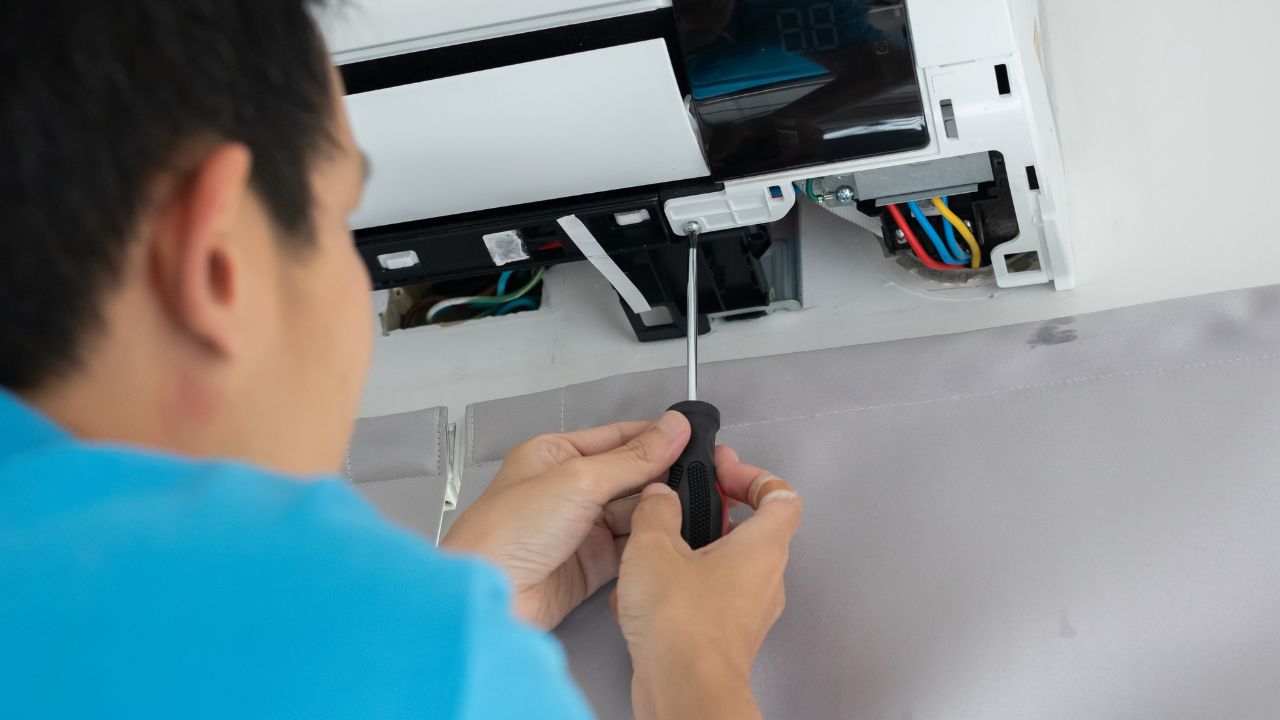
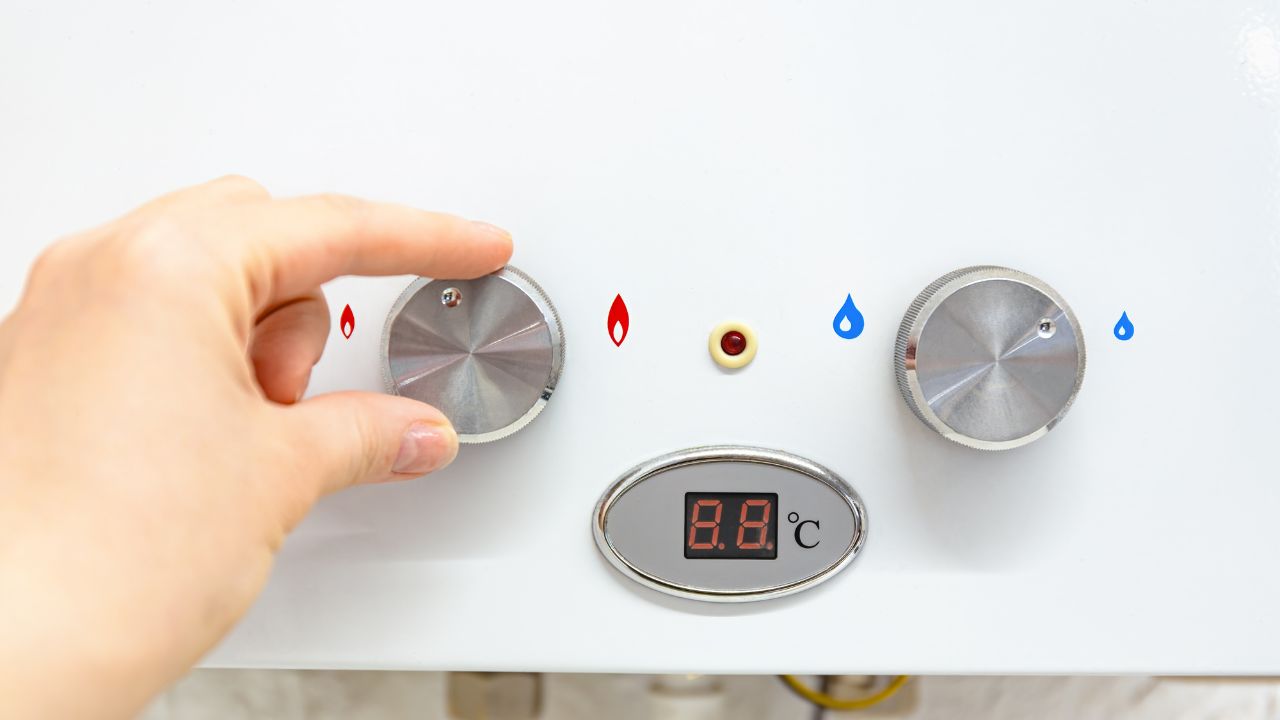
Small changes deliver immediate savings without contractor appointments. Start with thermostat adjustments and basic maintenance, these pay back within the first billing cycle. For homes with integrated systems, coordinate cooling improvements with plumbing services to maximize whole-home efficiency.
Immediate Thermostat Strategies:
Strategy
Setting
Who It's For
Annual Savings
Aggressive savings
78°F home, 85°F away, 7-10°F setback
Away during work
10-15% ($150-$300)
Balanced comfort
76°F + smart micro-adjustments
Work-from-home
5-10% ($75-$150)
Zoned cooling
76°F office, 80°F+ elsewhere
Dedicated workspace
15-20% ($200-$400)
DIY Tasks (Safe This Week):
Replace filter ($10-$30; do monthly during cooling season)
Clear outdoor unit debris (maintain 2 feet clearance)
Seal obvious gaps, add door sweeps
Shade west/south windows (exterior shading most effective)
Call a Pro For:
Refrigerant issues (requires EPA certification)
Electrical/capacitors (high voltage hazard)
Deep coil cleaning (if very dirty or bent fins)
What Should You Do Next To Lock In Lower Cooling Costs?
Match your budget to the highest-return upgrades. Even the smallest investment category delivers 15-25% savings with payback under two years, larger budgets enable comprehensive improvements that cut cooling costs in half.
Action Plan by Budget:
Budget
Priority Actions
Expected Savings
Payback
$500-$1,500
Smart thermostat ($350) + Air sealing ($300-$1,000) + Tune-up ($75-$200)
Seal air leaks + ducts ($600-$2,000 combined) → Stops 20-40% energy waste; enables smaller AC if replacing
Replace 15+ year old systems during off-season with right-sized high-SEER2 unit → 40-60% savings; capture $600-$15,000+ in rebates
Strategic upgrades before summer deliver immediate comfort improvements and long-term cost reductions. Off-season timing captures 10-20% discounts while avoiding peak-season delays and emergency premiums. The combination of proper equipment sizing, envelope improvements, and smart controls can cut cooling costs in half while extending equipment life by 3-7 years, delivering $10,000-$30,000 in total value over a decade.
Ready to lower your cooling costs before summer?Contact Alpine Plumbing and Air today to schedule your pre-season tune-up and get a free quote on energy-efficient upgrades.
Welcome to Alpine Plumbing and Rooter, serving San Dimas and the surrounding areas as your reliable source for exceptional plumbing and drainage services. We also provide reliable licensed HVAC services.
After reviewing your information, we will contact you as soon as possible.
"*" indicates required fields
Alpine Plumbing, Heating, and Air
462 Borrego Ct Unit A, San Dimas, CA 91773
CA Plumbing/HVAC License: #1041244 AZ Plumbing License: ROC 362311
Welcome to Alpine Plumbing, Heating, and Air, serving San Dimas, San Bernardino, Lake Havasu, AZ, and the surrounding areas. We are your reliable source for exceptional plumbing, Heating, and Air Conditioning needs.