California homeowners increasingly rely on advanced leak detection technology to protect high-value properties from hidden water damage. Modern systems combine acoustic listening, thermal imaging, and smart monitoring to identify leaks before they escalate into structural problems. Understanding available detection methods helps property owners make informed decisions about prevention, diagnosis, and repair strategies suited to California's unique housing stock and water management priorities.
Professional and consumer-grade technologies serve different roles in leak management. Homeowners benefit most when they match detection tools to specific scenarios, balancing upfront diagnostic costs against damage prevention and long-term maintenance savings.
Key Takeaways
- Professional leak detection uses acoustic, thermal, and camera tools to locate hidden leaks beneath slabs and behind walls
- Early detection prevents water damage claims averaging $15,400 and restoration costs reaching $500 to $15,000 or more
- Smart leak sensors remain underadopted despite 26% of households experiencing water damage, creating prevention opportunities
- Sewer cleanouts and camera inspections reduce future diagnostic costs and enable faster targeted repairs
- California's $42.9 million leak detection market reflects growing demand for technology-driven preventive solutions
What Are the Main Types of Leak Detection and Repair Services?
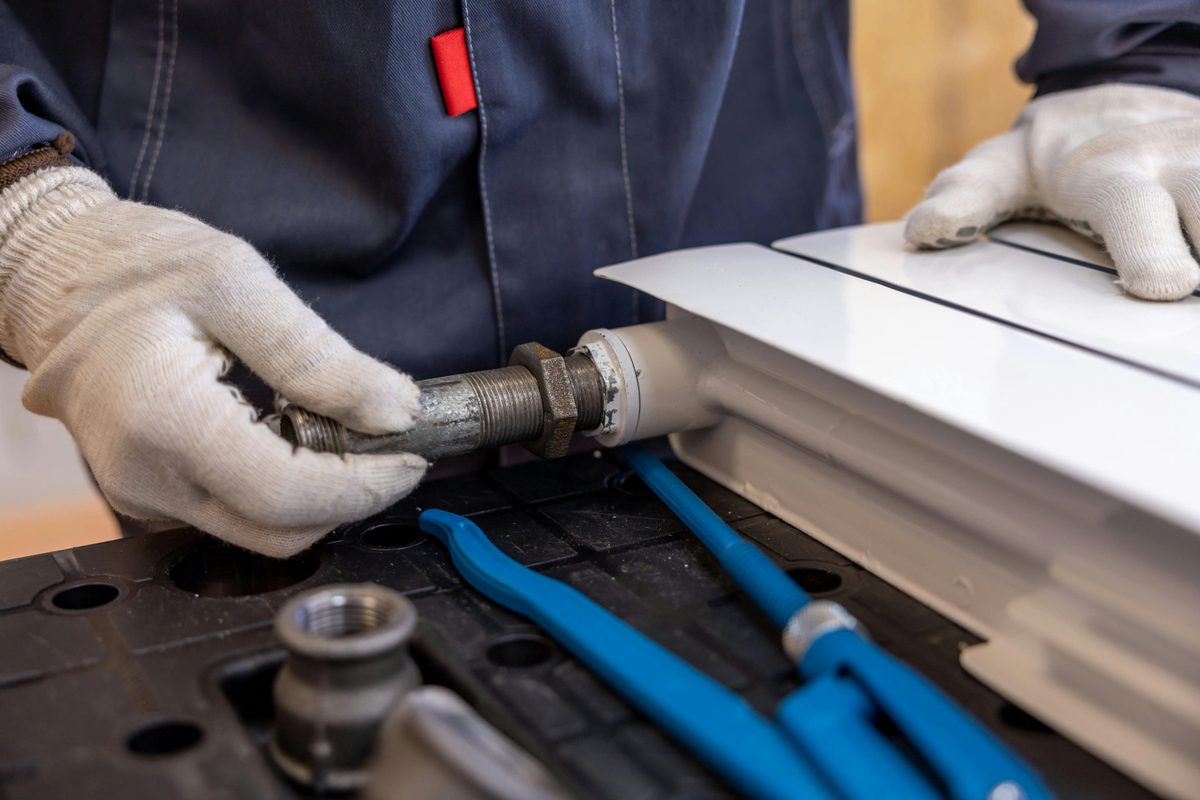
Leak detection and repair services are divided into professional diagnostics, emergency repairs, and preventive maintenance programs. Professional services use specialized equipment to locate leaks without invasive demolition. Repair offerings range from targeted pipe fixes to comprehensive slab leak remediation and sewer lateral restoration, depending on leak location and severity.
Service categories also include sewer cleanout installations and camera inspections that improve access for future diagnostics. These approaches reduce repeat service calls and lower long-term maintenance costs by addressing access barriers upfront.
What Is Professional Leak Detection and How Does It Work?
Professional detection combines acoustic listening, pressure testing, thermal scanning, and camera diagnostics with trained interpretation to locate hidden leaks. Acoustic leak detection held over 30% of the U.S. leak-detection-and-repair-services market in 2022, reflecting its effectiveness for pinpointing leaks beneath concrete slabs and inside walls. Technicians use specialized microphones to detect water escaping under pressure, then correlate sound signatures with known pipe locations.
Professional leak detection service typically ranges from $150 to $600, depending on property size and complexity. This upfront investment reduces the risk of unnecessary demolition and misdiagnosis, particularly when leaks affect foundations or hidden supply lines.
Why Is Leak Detection Important for California Homeowners?
Leak detection protects property value and prevents compounding damage in California's high-cost housing market. Hidden leaks beneath slabs or behind finished walls can cause structural moisture intrusion, mold growth, and flooring failures. Timely detection stops damage progression and reduces repair scope before restoration becomes necessary.
California's median owner-occupied home value of $734,700 raises financial stakes when leaks threaten structural integrity. Homeowners in affluent suburban markets benefit most from proactive detection strategies that preserve finish materials and prevent insurance claims.
How Can Early Leak Detection Prevent Costly Damage?
Early leak detection intercepts damage before it spreads to flooring, drywall, and structural elements. The average insurance claim for water damage reaches $15,400, while restoration costs range from $500 to $15,000 or more, depending on the affected areas. These figures demonstrate why locating leaks early delivers measurable economic benefits beyond simple pipe repair.
Hidden slab leaks pose the greatest escalation risk because concrete foundations trap moisture against framing and insulation. Once water reaches finished spaces, the restoration scope expands rapidly to include flooring removal, structural drying, and material replacement throughout affected zones.
What Risks Are Associated with DIY Leak Detection?
DIY leak detection fails most often when leaks hide beneath slabs, behind finished walls, or involve intermittent flow patterns. Sixty-nine percent of homeowners report being unsuccessful when attempting to fix leaking pipes themselves, and 70% fail when addressing broader plumbing issues independently. These failure rates reflect limitations of consumer tools rather than homeowner competence, especially when leaks require specialized localization equipment.
Both the leak itself and the repair path can damage materials when diagnostics rely on trial-and-error demolition. Simple screening methods like meter checks and dye tests work well for visible drips, but they cannot pinpoint concealed leaks without professional acoustic or thermal equipment.
How Does Regional Housing Influence Leak Detection Needs?
California's 14,877,904 housing units include diverse construction types that affect leak vulnerability and detection requirements. The state's 55.9% owner-occupied rate and $734,700 median home value create conditions where leak prevention investments align with long-term property protection goals. Los Angeles County's 3,709,507 housing units and San Dimas's 12,370 units demonstrate market scale at the regional and local levels.
Owner occupancy rates influence maintenance behavior because residents who own their homes typically invest more in preventive repairs than renters. San Dimas's 72.4% owner-occupancy rate exceeds both Los Angeles County's 45.9% and California's statewide average, suggesting stronger local demand for proactive leak detection and quality repair services.
How Is Leak Detection Technology Advancing and Being Adopted?
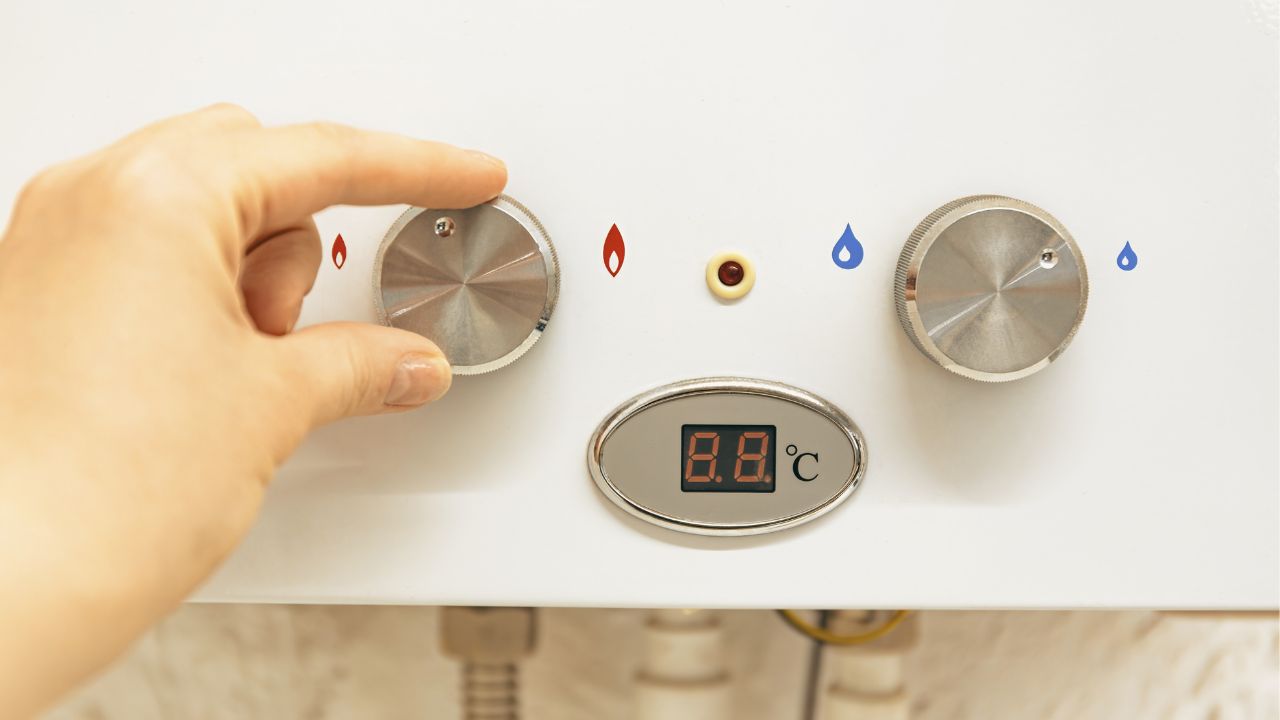
Leak detection technology is improving faster than consumer adoption rates currently reflect. Professional tools now include acoustic correlators, infrared cameras, moisture meters, and pressure decay testing systems that locate leaks without invasive access. Consumer products range from simple spot sensors to whole-home smart shutoff devices with app-based monitoring and automatic water control.
Technology adoption remains constrained by awareness gaps and installation complexity despite widespread leak exposure. Market growth relies on better consumer education about prevention value and clearer demonstrations of return on investment through damage avoidance.
What Smart Leak Technologies Are Available for Homes?
Smart leak technologies include spot sensors, flow meters, thermal monitors, and automated shutoff valves that detect and respond to leaks in real time. Only 5% of single-family homeowners currently own smart water leak or humidity detectors, despite 26% of U.S. internet households having experienced water-leak damage. This gap between problem prevalence and device adoption creates a significant market opportunity for leak prevention solutions.
Consumer Reports tested leak detector systems ranging from $350 to $700 for installed or DIY configurations. Overall, the best leak detection devices span a broader range from $20 spot sensors to $700 whole-home systems, giving homeowners multiple entry points based on coverage needs and budget.
How Do Acoustic and Thermal Technologies Enhance Detection?
Acoustic listening devices detect high-frequency sounds produced when pressurized water escapes through pipe cracks or joint failures. Technicians use ground microphones and correlation software to triangulate leak locations beneath concrete slabs without excavation. Thermal cameras complement acoustic tools by revealing temperature differentials caused by water movement behind walls or under floors.
These technologies enhance detection by reducing demolition guesswork and enabling targeted access. Professional-grade thermal imaging identifies moisture patterns invisible to visual inspection, while acoustic equipment pinpoints leak sources within inches, even through thick concrete.
What Factors Affect Technology Adoption in Urban, Suburban, and Rural Areas?
Digital infrastructure and device familiarity influence technology adoption across settlement types. Urban adults with full tech setups reach 44%, with 37% online constantly. Suburban adults show similar patterns at 43% full setup and 30% constant connectivity, while rural adoption lags at 30% full setup and 23% constant online presence.
Millennials average 4.6 smart devices per household compared to Gen X's 3.1 and Boomers' 2.2 devices. These generational differences affect receptivity to smart leak detectors, with younger homeowners more comfortable integrating connected monitoring into existing home automation systems.
How Do Sewer Cleanouts and Camera Inspections Improve Leak Management?
Sewer cleanouts provide permanent access points that simplify future diagnostic work and reduce emergency excavation costs. Properly installed cleanouts enable camera inspections and targeted cleaning without digging trenches or accessing main sewer lines through interior fixtures. This infrastructure investment pays dividends across multiple service events by lowering labor hours and property disruption.
Camera inspections reveal pipe condition, blockage locations, and structural defects that guide repair decisions. When paired with accessible cleanouts, cameras transform reactive drain clearing into strategic maintenance planning based on documented pipe health.
What Are the Benefits and Costs of Sewer Cleanout Installations?
One-way cleanouts commonly cost $650 to $2,000, while two-way cleanouts range from $1,000 to $3,500, depending on depth and access complexity. Overall sewer cleanout installation typically falls between $1,400 and $3,500, with labor costs running $45 to $200 per hour. Permits range from $50 to $500 but may reach $1,600 in jurisdictions with strict excavation oversight.
The primary benefit lies in reducing future diagnostic friction and enabling faster targeted repairs. Cleanouts eliminate the need to access sewer lines through toilets or roof vents, which speeds camera work and lowers service costs for recurring maintenance.
How Do Sewer Camera Inspections Aid in Diagnosis?
Sewer camera inspections cost $271 to $1,730, depending on equipment quality and reporting depth. Standard camera work ranges from $150 to $300, HD camera systems cost $300 to $600, and specialty camera diagnostics reach $600 to $1,500 or more for complex investigations. Cameras provide visual documentation of pipe interiors, revealing cracks, root intrusion, corrosion, and offset joints that cause recurring backups.
Visual evidence guides repair scope decisions by distinguishing between localized problems fixable through spot repairs and systemic deterioration requiring line replacement. This diagnostic clarity prevents over-repair while ensuring identified issues receive appropriate attention before they worsen.
When Is Hydro-Jetting Recommended in Sewer Solutions?
Hydro-jetting clears stubborn blockages and removes accumulated scale using high-pressure water streams that scour pipe interiors. Plumbers recommend hydro-jetting when camera inspections reveal heavy grease buildup, mineral deposits, or root masses that resist traditional cable clearing. The process restores full pipe diameter and improves flow capacity more thoroughly than mechanical augers.
Hydro-jetting service works best as preventive maintenance following camera documentation of progressive buildup. Regular cleaning extends pipe life by removing corrosive materials before they compromise structural integrity, particularly in older clay or cast-iron laterals.
What Are the Typical Costs for Leak Detection and Repair Services in California?
California's projected 2026 professional leak detection and repair services market reaches $42.92 million, reflecting growing demand for technology-driven diagnostic solutions. Sewer and drain cleaning services represent a larger segment at $184.36 million, driven by recurring maintenance needs across residential and commercial properties. These market figures indicate strong service demand supported by California's housing density and property values.
Cost structures vary by service type, with diagnostic work priced separately from repairs to maintain pricing transparency. Homeowners typically pay for detection first, then receive repair estimates based on findings rather than bundled pricing that obscures diagnostic value.
How Do Slab Leak Repair Costs Vary by Method and Severity?
Slab leak repair costs range from $630 to $4,400, depending on access method and pipe replacement scope. Leak detection preceding slab repair typically costs $150 to $400, with an average of around $280. Methods vary from surgical access through flooring to rerouting entire lines above the slab when repeated leaks indicate systemic corrosion.
Severity factors include leak duration, water pressure, and proximity to finish materials like hardwood or tile. Early intervention limits repair scope to targeted pipe replacement, while delayed detection forces broader restoration, including structural drying and flooring reinstallation.
What Is the Price Range for Professional Leak Detection Services?
Professional leak detection services range from $150 to $600 based on property size, access complexity, and equipment requirements. California's leak detection market is projected to grow at 5.2% CAGR through 2031, indicating sustained demand for specialized diagnostic capabilities. Standard residential inspections fall toward the lower range, while commercial properties or homes with multiple suspected leaks require extended investigation time.
Market growth reflects increasing homeowner awareness of detection value and expanding technology capabilities. Acoustic, thermal, and pressure-testing methods continue improving in precision while becoming more accessible through equipment cost reductions and technician training programs.
How Does Smart Leak Detection Technology Influence Overall Expenses?
Smart leak detection technology spans $20 spot sensors to $700 whole-home systems, creating multiple price points that affect prevention budgets differently. California leak detection tech adoption remains low despite demonstrated need, with only 5% of single-family homeowners using smart water leak or humidity detectors. This gap suggests significant room for education-driven market expansion focused on damage prevention rather than pure convenience.
Home leak sensors reduce overall expenses by enabling automatic water shutoff before leaks cause major damage. When positioned as insurance risk mitigation, these devices appeal to the 37% of homeowners who installed safety technology for insurance discounts, rising to 56% among Millennials and Gen Z.
What Decision-Making Framework Should California Homeowners Use for Leak Detection?
Homeowners should evaluate leak detection decisions based on damage severity risk, access complexity, and likelihood of repeat events. Visible minor drips with accessible shutoffs may warrant DIY screening using meter checks and moisture detection before calling professional services. Hidden slab leaks, sudden water bill spikes, or recurring sewer backups require immediate professional intervention because delay compounds both damage and diagnostic difficulty.
The decision framework separates incident response from resilience investment, recognizing that stopping active leaks and preventing future events require different service strategies. High-value owner-occupied homes justify greater prevention spending through smart monitoring and proactive cleanout installations.
When Should DIY Screening Be Followed by Professional Intervention?
DIY screening methods include meter checks, toilet dye tests, utility-bill comparisons, handheld moisture meters, and entry-level thermal cameras costing $0 to $250. These tools identify obvious leaks effectively but fail when problems hide beneath slabs, behind finished walls, or involve intermittent flow patterns. Homeowners should transition to professional help when DIY methods reveal unexplained water consumption or moisture without identifying sources.
The 69% failure rate for homeowners attempting pipe repairs independently demonstrates that screening and fixing require different skill sets. DIY screening adds value by confirming leak presence before professional diagnostic costs, but attempting concealed repairs risks property damage beyond the original leak.
How Can Preventive Technologies Reduce Future Leak Risks?
Preventive technologies include smart leak detectors, automatic shutoff valves, and whole-home monitoring systems that detect abnormal flow patterns before major failures occur. Thirty-seven percent of homeowners installed safety technology to qualify for insurance discounts, demonstrating that economic incentives drive adoption alongside pure risk reduction. Among younger owners, 56% of Millennials and Gen Z pursue insurance-linked safety installations, suggesting preventive technology appeals most to financially motivated buyers.
These systems reduce future leak risks by enabling intervention during early failure stages rather than after catastrophic events. Continuous monitoring identifies slow leaks that might otherwise persist undetected for months, causing hidden damage that surfaces only during property transfers or renovations.
What Role Does Homeowner Demographics Play in Choosing Solutions?
Boomers average 2.2 smart devices per household and show lower technology adoption rates than younger cohorts. However, 25% of Boomers delayed routine maintenance compared to 51% of Millennials and Gen Z, suggesting that older homeowners maintain better preventive discipline despite using fewer connected devices. These patterns indicate that leak detection marketing should emphasize different value propositions across age groups.
Millennials prioritize app-based monitoring, insurance integration, and prevention of higher downstream costs. Boomers respond better to messaging around trust, property protection, and workmanship guarantees that preserve long-term home value.
Best Leak Detection Technology: Integrated Strategies for Prevention, Detection, and Repair
California homeowners achieve optimal leak management by combining DIY screening, professional diagnostics, and strategic prevention investments based on property characteristics and risk exposure. Single-technology approaches rarely address the full spectrum from early warning through emergency response to long-term resilience. Effective strategies layer home leak sensors for continuous monitoring, professional acoustic and thermal detection for hidden problems, and infrastructure improvements like cleanouts that reduce future service friction.
Integrated approaches align spending with risk by matching detection intensity to property value and damage exposure. Owner-occupied suburban homes with slab foundations and high finish quality justify comprehensive prevention because hidden leaks threaten assets worth $700,000 or more in California's typical markets.
San Dimas homeowners benefit from this integrated approach because local demographics favor proactive maintenance combined with technology adoption. The community's 72.4% owner-occupancy rate and $801,800 median home value create conditions where prevention investments deliver measurable returns through damage avoidance and property preservation. Alpine Plumbing, Heating, and Air serves this market with licensed professional diagnostics that combine acoustic listening, thermal imaging, and camera inspection capabilities scaled to residential and commercial needs.
Think You Have a Hidden Leak? Let's Find It Before It Finds Your Floors.
A slow leak under your slab or behind a wall can cost far more than the repair itself. Water damage restoration bills often climb past $15,000, and that's before the stress of torn-up flooring, insurance paperwork, and days without a working kitchen or bathroom. You shouldn't have to guess where the water is coming from — and you shouldn't have to tear up your home to find out.
Alpine Plumbing, Heating, and Air uses acoustic listening, thermal imaging, and camera inspection tools to locate leaks without unnecessary demolition. Our licensed technicians walk you through every finding in plain language, show you the options, and give you a straight answer on what needs to happen next. No pressure. No upsell.
If you've spotted a spike in your water bill, a warm patch on the floor, or an unexplained damp spot, request a free estimate from our team. We'll run the diagnostics and help you protect your home before a small leak turns into a major repair. Request your free leak detection estimate from Alpine Plumbing, Heating, and Air