Selecting the right cooling system impacts your home's comfort, energy bills, and long-term value. Central air conditioning and mini split systems represent two distinct approaches to climate control, each offering specific advantages depending on your home's structure, cooling needs, and budget. Understanding the fundamental differences between these technologies helps homeowners make informed decisions, balancing initial investment against operational efficiency and maintenance requirements.
Both systems have evolved significantly, with manufacturers delivering higher efficiency ratings and improved reliability. The choice between central AC vs mini split depends on existing ductwork, home layout, regional climate, and whether you prioritize whole-home consistency or room-by-room control. This guide examines technical specifications, cost considerations, and practical applications to determine which system aligns with your requirements.
Key Takeaways
- Central AC systems deliver whole-home cooling through ductwork with SEER ratings between 13-21+, while mini splits achieve 16-30+ SEER through zoned operation
- Mini split installation requires no ductwork and takes 4-8 hours per zone, whereas central systems need existing ducts and a similar installation time
- The $5,000 Rule helps determine replacement timing by multiplying system age by repair cost
- Upgrading from 10 SEER to 16-20 SEER reduces annual cooling costs by 20-40%
- 66% of U.S. households rely on central air conditioning, while mini split market growth reflects rising demand for energy-efficient alternatives
What Are Central AC and Mini Split Systems?
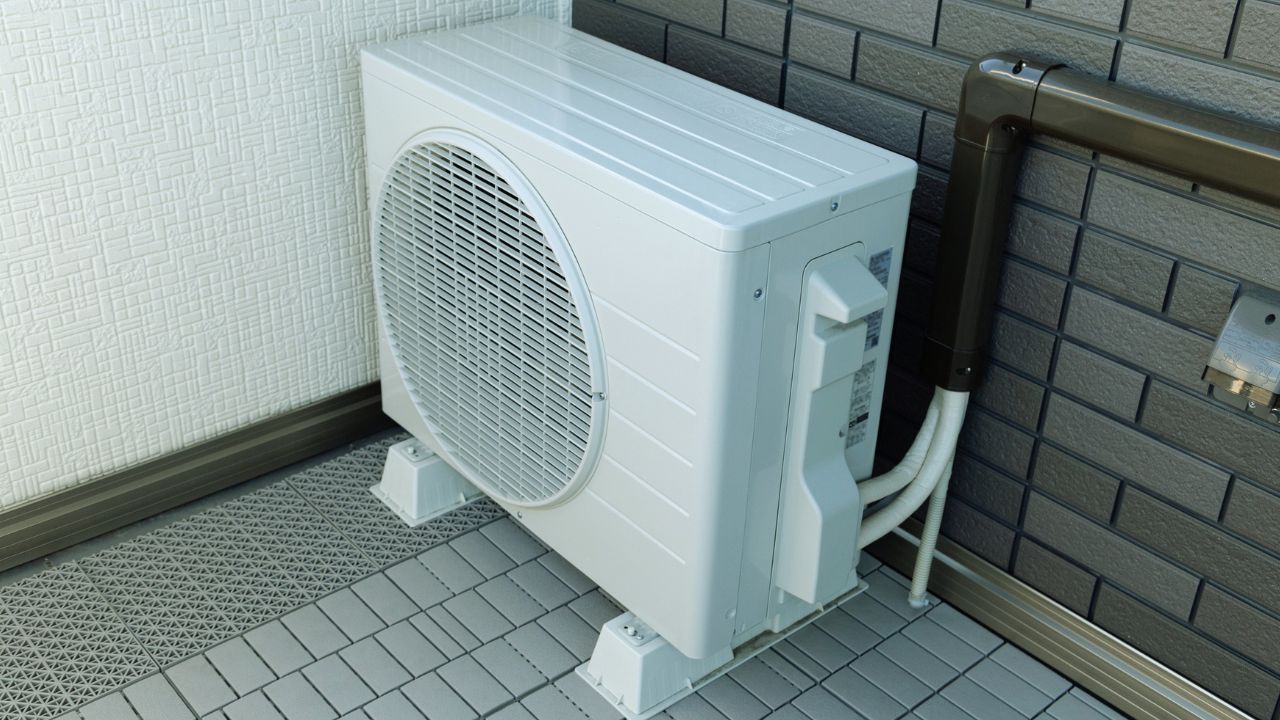
Central air conditioning and mini split systems represent fundamentally different cooling approaches. Central AC distributes cooled air throughout your home via ducts connected to a single outdoor condenser unit. Ductless mini splits deliver targeted cooling through individual wall-mounted units connected to an outdoor compressor via refrigerant lines.
How Does a Central Air Conditioning System Work?
Central AC operates by circulating refrigerant between an outdoor condenser and an indoor evaporator coil installed above your furnace. The system pulls warm air through return ducts, cools it across the evaporator coil, and distributes it through supply ducts to every room. This whole-home approach maintains consistent temperature throughout the house while keeping the equipment, except vents, hidden from view.
The centralized design allows whole-house air filtration at a single point. Central air conditioning systems provide uniform temperature control managed by one thermostat, eliminating hot or cold spots common with room-specific solutions.
What Is a Ductless Mini Split and How Does It Function?
A ductless mini split system consists of individual indoor units mounted on walls in specific rooms or zones. Each indoor unit connects directly to an outdoor compressor through small refrigerant lines requiring only a three-inch hole through the exterior wall. This configuration allows precise temperature control in each zone, enabling you to cool occupied spaces while leaving unused rooms at ambient temperature.
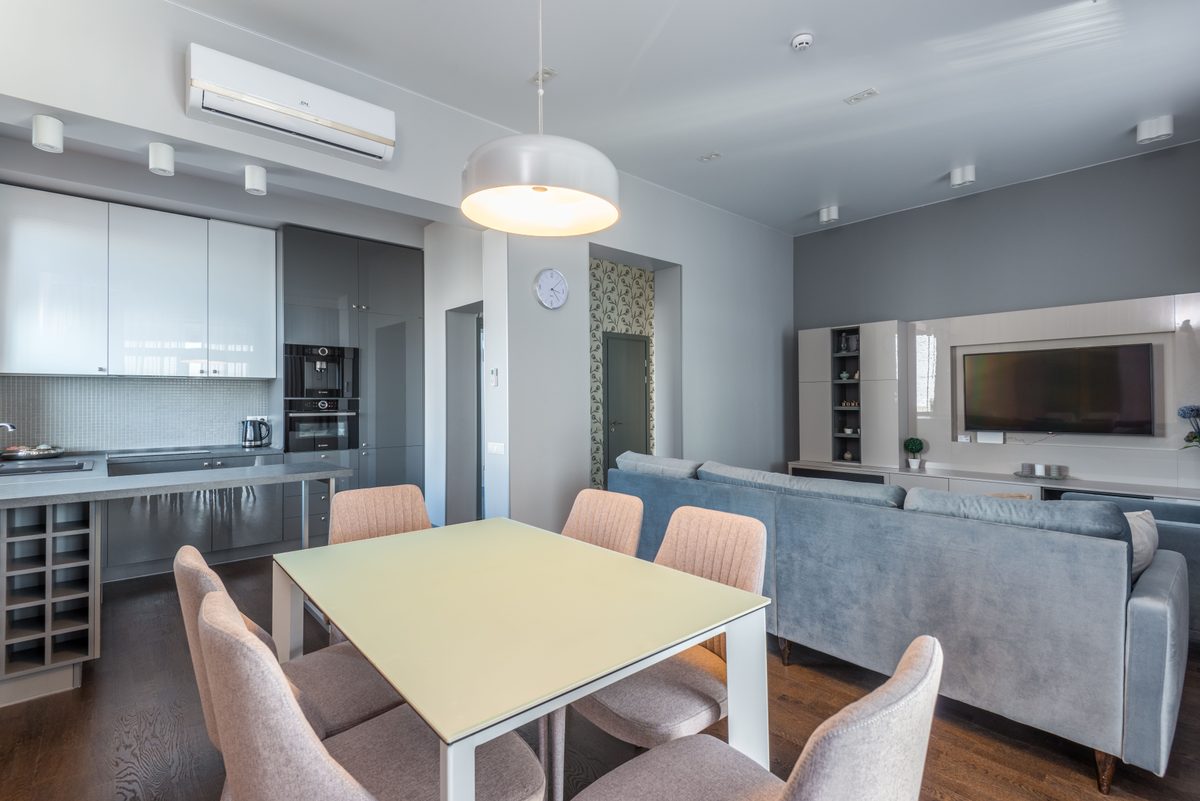
Mini splits provide exceptional zoned cooling by allowing independent temperature settings for each indoor unit. The indoor wall units remain visible as part of the room's interior, unlike central systems, where components stay hidden behind walls and ceilings.
What Are the Main Components of Each System?
Central AC systems include an outdoor condenser, indoor evaporator coil, air handler or furnace, thermostat, and ductwork. The refrigerant circulates between outdoor and indoor components while a blower motor pushes conditioned air through the duct network to each room.
Mini split systems consist of an outdoor compressor and one or more indoor air handlers. Copper refrigerant lines, electrical wiring, and condensate drainage run between components through a small conduit, eliminating extensive ductwork installation.
What Are the Key Differences Between Central AC and Mini Splits?
The primary distinctions involve efficiency ratings, infrastructure requirements, and operational characteristics. Central systems leverage existing ductwork for uniform whole-home cooling, while mini splits achieve higher efficiency through targeted room-by-room temperature control. Initial equipment costs, installation complexity, and long-term energy consumption vary significantly between the two technologies.
How Do Efficiency and Cooling Capabilities Compare?
SEER (Seasonal Energy Efficiency Ratio) measures how efficiently an air conditioner converts electricity into cooling power. Standard central AC units achieve SEER ratings between 13-16, while premium models reach 16-21+ through variable-speed compressors and advanced refrigerants. Mini split systems deliver high efficiency with SEER ratings from 16-20 in standard configurations and 25-30+ in premium models.
Central AC cooling unused rooms wastes considerable energy since the system cannot isolate specific zones. The energy efficiency of mini splits excels because each zone operates independently, allowing you to cool only occupied spaces while reducing overall consumption.
What Are the Installation Requirements and Costs?
Central AC requires existing ductwork for installation, making it ideal for homes already equipped with forced-air heating systems. Without pre-existing ducts, adding ductwork increases project costs substantially, often adding $5,000-$15,000 to total expenses. Mini splits require no ductwork, allowing installation in homes without existing air distribution infrastructure through simple wall penetrations and refrigerant line routing.
Central AC has a lower initial equipment cost per square foot compared to mini splits when ductwork already exists. Mini splits have a higher initial equipment cost per square foot but eliminate ductwork expenses, often balancing total project costs in homes requiring new duct installation.
What Are the Advantages and Disadvantages of Each System?
Central AC results in higher energy bills compared to mini splits due to duct losses and the inability to zone cooling effectively. Typical use cases for central AC include single-family homes with existing ducts where whole-home temperature consistency matters most. The hidden equipment and centralized maintenance appeal to homeowners preferring aesthetic simplicity.
Mini split indoor wall units are visible, which some homeowners consider visually intrusive despite manufacturers offering various styles and colors. Mini splits require regular filter cleaning for each unit, increasing maintenance touchpoints compared to central systems with single-point filtration. Typical use cases for mini splits include additions, historic homes, garages, and targeted room cooling where ductwork installation proves impractical or cost-prohibitive.
Who Typically Uses Central AC vs Mini Split Systems?
Adoption patterns for cooling systems vary across demographic groups, geographic regions, and economic segments. Market data reveals clear preferences based on home age, regional climate, and household income levels.
How Do Demographics Influence AC System Preferences?
88% of U.S. households utilize some form of cooling equipment, reflecting air conditioning's role as standard residential infrastructure. 66% of U.S. households rely on central air conditioning as their primary system, demonstrating its dominance in the residential market. Central AC is present in 30.73% of all U.S. housing units among the 103 million units analyzed.
4.08% of housing units report having no AC at all, concentrated primarily in temperate coastal regions. Alternative systems, including window units, wall units, and portable ACs, account for less than 1% of units, with mini splits representing a growing but still minority segment.
What Regional Factors Affect Adoption Rates?
Southern and Southwestern U.S. states like Texas and Florida exceed 90% AC penetration due to extended cooling seasons and high humidity. These regions treat air conditioning as essential infrastructure. The Northeast U.S. shows 60-75% AC adoption, reflecting shorter cooling seasons and more variable climate conditions.
The Pacific Northwest shows lower overall AC adoption due to a milder climate with fewer extreme heat days. Mini split installation has gained particular traction in this region, where homeowners seek occasional cooling without investing in full central systems.
How Do Income Levels Impact System Choice?
Higher-income households earning over $100,000 annually prioritize long-term energy savings and environmental impact. These homeowners frequently select premium high-SEER central systems or advanced multi-zone mini splits despite higher upfront costs. Lower-income households earning under $50,000 annually focus on immediate affordability, often relying on window units or delaying system upgrades until failure.
Middle-income households balance initial investment against operational costs when evaluating AC installation energy-efficient upgrades. This segment shows increasing interest in mini splits as awareness of long-term savings grows and financing options improve accessibility.
When Should You Repair vs Replace Your AC System?
Equipment failures force homeowners to evaluate whether repair or replacement represents the better financial decision. System age, repair costs, and efficiency considerations all influence this critical choice. Expert frameworks provide clear guidelines based on quantifiable metrics.
What Factors Influence the Repair or Replacement Decision?
The $5,000 Rule provides a simple calculation by multiplying system age by repair cost. If the total exceeds $5,000, replacement typically delivers better long-term value than continued repairs on aging equipment. Systems using phased-out R-22 refrigerant face exorbitant recharge costs, making replacement with modern R-410A systems financially prudent.
R-22 refrigerant is phased out and expensive to recharge due to EPA restrictions and limited supply. Compressor failure costs $1,350 to $2,300 to repair, representing a major component failure that often signals broader system deterioration.
What Expert Guidelines Help Decide Between Repair and Replacement?
Minor component failures include capacitors, contactors, and minor refrigerant leaks that cost under $500 to repair. These issues represent normal wear and don't indicate systemic problems when systems remain under 10 years old. Regular maintenance extends equipment life and helps identify developing problems before they escalate into expensive emergencies.
Major component failures include compressor failure and severe evaporator coil leaks requiring extensive labor and parts. Understanding AC repair vs replacement key signs helps homeowners avoid throwing money at systems approaching end-of-life while maximizing value from equipment with remaining service years.
How Does Maintenance Affect System Longevity and ROI?
Annual maintenance visits cost between $120 and $350, representing a small investment to protect a much larger equipment value. Professional technicians clean coils, check refrigerant levels, test electrical components, and verify proper airflow during preventive visits. Neglecting maintenance can reduce system lifespan by 5 to 10 years, transforming a 15-year investment into a 10-year expense.
Proper maintenance maximizes return on investment by ensuring equipment operates at rated efficiency throughout its service life. Homeowners who implement HVAC maintenance tips for summer comfort experience fewer emergency breakdowns and lower long-term costs compared to those who defer preventive care.
How Is a Central AC or Mini Split System Installed?
Professional installation determines system performance, longevity, and efficiency regardless of equipment quality. The process involves multiple technical steps requiring specialized tools, refrigerant handling certification, and electrical expertise.
What Are the Typical Timelines for Installation?
Standard central air conditioning installation takes 4 to 8 hours when replacing an existing system with a similar capacity. This timeframe assumes straightforward equipment access, compatible electrical service, and no structural modifications. Full HVAC system replacement, combining AC and furnace, takes 1 to 3 days due to additional components and testing.
Single-zone mini split installation takes 4 to 8 hours, including wall mounting, refrigerant line routing, and electrical connections. Multi-zone mini split installation takes 1 to 2 days as technicians install multiple indoor units, route separate line sets, and commission each zone independently.
What Are the Key Steps in the Installation Process?
Planning and assessment begin when the contractor performs a load calculation to determine the correct equipment size for your home's square footage. Modern AC units are often 20-50% larger than older models due to improved efficiency standards and refrigerant changes. Refrigerant recovery follows as technicians use specialized recovery machines to safely remove and contain old refrigerant per EPA requirements.
Equipment removal involves disconnecting the old condenser, indoor coil, and electrical disconnects before removing them from the property. Site preparation includes leveling the outdoor ground and installing a new composite pad to support the condenser and absorb vibration. Indoor coil installation places the new evaporator coil above the furnace and seals it to the existing sheet metal plenum.
Air leaks can occur if the evaporator coil is not properly sealed to the plenum, reducing efficiency and causing comfort problems. Reusing old refrigerant lines is discouraged due to incompatible refrigerant oils between R-22 and R-410A systems. Line set installation runs new copper refrigerant lines between indoor and outdoor units with proper insulation and support.
Testing and commissioning charges the system with refrigerant, verifies airflow, and measures temperature differentials across the evaporator coil. Proper commissioning ensures the system operates at manufacturer specifications and delivers rated efficiency and cooling capacity.
What Should Homeowners Expect During Installation?
Installation crews typically arrive early in the morning and work continuously until project completion. Professional contractors protect flooring, furniture, and landscaping while maintaining clean work areas. Expect temporary power interruptions as electricians disconnect old equipment and wire new systems to your electrical panel.
Noise levels vary depending on demolition requirements, with ductwork modifications and wall penetrations creating the most disruption. Contractors should communicate each major step, answer questions, and demonstrate proper system operation, including thermostat programming, before departing.
What Are the Cost Considerations for Central AC and Mini Split Systems?
Financial planning for new cooling equipment requires understanding both immediate expenses and long-term operational costs. Equipment pricing varies significantly based on capacity, efficiency ratings, and brand selection.
How Do Equipment and Installation Costs Compare?
Central air conditioning cost for equipment typically ranges from $3,500 to $7,500 for standard efficiency systems in average-sized homes. Premium high-efficiency central systems with variable-speed compressors reach $8,000-$12,000, including professional installation. These figures assume existing ductwork in good condition, requiring no modifications.
The U.S. mini split market was valued at $1.4 billion in 2024, reflecting growing adoption and competitive pricing. The U.S. mini split market is projected to reach $1.5 billion in 2025 as homeowners increasingly recognize efficiency advantages and installation flexibility. Single-zone mini split systems cost $2,000-$5,000 installed, while multi-zone configurations range from $5,000-$15,000 depending on indoor unit quantity and capacity.
What Is the Impact of Efficiency Ratings on Long-Term Savings?
Upgrading from 10 SEER to 16-20 SEER reduces cooling energy costs by 20% to 40% annually through improved compressor technology. In regions with extended cooling seasons, these savings accumulate to thousands of dollars over the equipment's 15-year lifespan. Higher efficiency systems also reduce environmental impact through lower electricity consumption and smaller carbon footprints.
Understanding SEER ratings explained for Southern California's climate helps homeowners calculate payback periods for premium equipment. The additional cost of high-SEER systems typically recovers within 5-8 years through reduced utility bills in hot climates.
How Do Financing and Warranty Options Affect Buyer Decisions?
86% of homeowners ranked warranty as extremely or very important when selecting HVAC equipment. Comprehensive warranties covering parts and labor provide peace of mind and protect against unexpected repair costs. Premium manufacturers offer 10-year parts warranties compared to 5-year coverage on builder-grade equipment.
27% of homeowners considered financing terms highly important, suggesting most buyers prioritize equipment quality over payment structures. However, 0% financing options through manufacturers or contractors make premium systems accessible to homeowners who would otherwise select lower-efficiency models. Evaluating HVAC replacement costs comprehensively requires considering total ownership expenses rather than just the initial purchase price.
How Do Consumer Priorities Influence AC System Choices?
Homeowner decision-making patterns reveal clear priorities when selecting cooling systems and contractors. Recent survey data shows trust factors outweigh price considerations for most buyers.
What Are the Most Important Factors for Homeowners?
92% of homeowners ranked contractor reputation as extremely or very important, making it the top decision factor. Verified credentials, positive reviews, and proven track records matter more than equipment discounts or promotional pricing. 86% of homeowners ranked warranty as extremely or very important, reflecting concerns about long-term equipment reliability and service availability.
85% of homeowners ranked pricing as extremely or very important, though notably lower than reputation and warranty considerations. 27% of homeowners considered financing terms highly important, indicating most buyers prefer paying upfront for quality rather than stretching budgets for unaffordable systems. The survey included 400 homeowners across diverse geographic and demographic segments.
How Does Contractor Reputation Impact Purchases?
92% of homeowners ranked contractor reputation as extremely or very important, significantly outweighing all other factors, including price. Licensed professionals with verifiable credentials and established service histories command premium pricing while maintaining strong customer demand. Online reviews, Better Business Bureau ratings, and referrals from trusted sources drive contractor selection.
Homeowners recognize that proper installation determines system performance regardless of equipment quality. Poor installation by unlicensed contractors voids manufacturer warranties and creates ongoing maintenance problems exceeding any initial savings. Knowing what is a mini split system matters less than selecting qualified installers who deliver reliable, code-compliant work.
What Role Do Energy Efficiency and Environmental Concerns Play?
Younger homeowners ages 25-34 prioritize energy efficiency and environmental impact more than older generations. This demographic actively seeks high-SEER systems, programmable thermostats, and renewable energy integration despite higher upfront costs. They view cooling systems as long-term investments in sustainability rather than simple appliances.
Older homeowners focus primarily on reliability, comfort, and avoiding disruption during installation. While efficiency matters, this group places greater emphasis on proven technology and established brands. Understanding emergency AC repair warning signs becomes critical for those managing aging systems until planned replacements become necessary.
Balancing Comfort, Efficiency, and Cost: Central AC vs Mini Split Insights
Selecting between central air conditioning and mini split systems requires evaluating your home's specific characteristics and cooling priorities. Central AC delivers consistent whole-home comfort through existing ductwork with straightforward installation when infrastructure already exists. Mini splits provide superior energy efficiency and flexible zoning without requiring extensive renovations, making them ideal for homes without ducts or those seeking room-specific temperature control.
Both systems represent significant investments that influence comfort and utility costs for 15 years or more. Homeowners in Southern California benefit from consulting experienced professionals who understand regional climate demands and can recommend appropriately-sized equipment. Alpine Plumbing, Heating, and Air brings over 20 years of industry expertise to every installation, helping homeowners navigate the central AC vs mini split decision with honest recommendations tailored to their unique situations.
Still Deciding Between Central AC and a Mini Split?
The right cooling system depends on your home's layout, your existing ductwork, and how you want each room to feel. Alpine Plumbing, Heating, and Air helps Southern California homeowners weigh both options with honest, straightforward advice - no pressure, just clear recommendations based on what your home actually needs. Our licensed technicians size every system correctly and install it right the first time, so you get reliable comfort and lower energy bills for years to come. Contact Alpine Plumbing, Heating, and Air for a free estimate, and let our team help you choose the cooling system that fits your home and your budget.