Homeowners facing clogged drains must decide between attempting repairs themselves or hiring trained technicians. This decision impacts both immediate expenses and long-term system integrity. Professional drain cleaning services address underlying issues that DIY methods cannot detect or resolve. Understanding cost structures and risk profiles helps property owners make financially sound maintenance choices.
Key Takeaways
- DIY methods cost $5-$50 upfront, but risk causing pipe damage requiring thousands in repairs
- Professional hydro jetting achieves 95% effectiveness compared to 50% for chemical cleaners
- Tree roots cause over 50% of sewer blockages and require specialized equipment for removal
- Trenchless repair technology costs $60-$250 per linear foot with minimal property disruption
- Digital transparency and upfront pricing drive 70% of homeowner service provider preferences
What Defines DIY and Professional Drain Cleaning Methods?
DIY approaches rely on basic tools and chemical products available at retail stores. Professional services employ diagnostic technology and specialized equipment to identify root causes. The distinction extends beyond tool selection to include training, liability coverage, and outcome guarantees.
What Tools and Techniques Are Used in DIY Drain Cleaning?
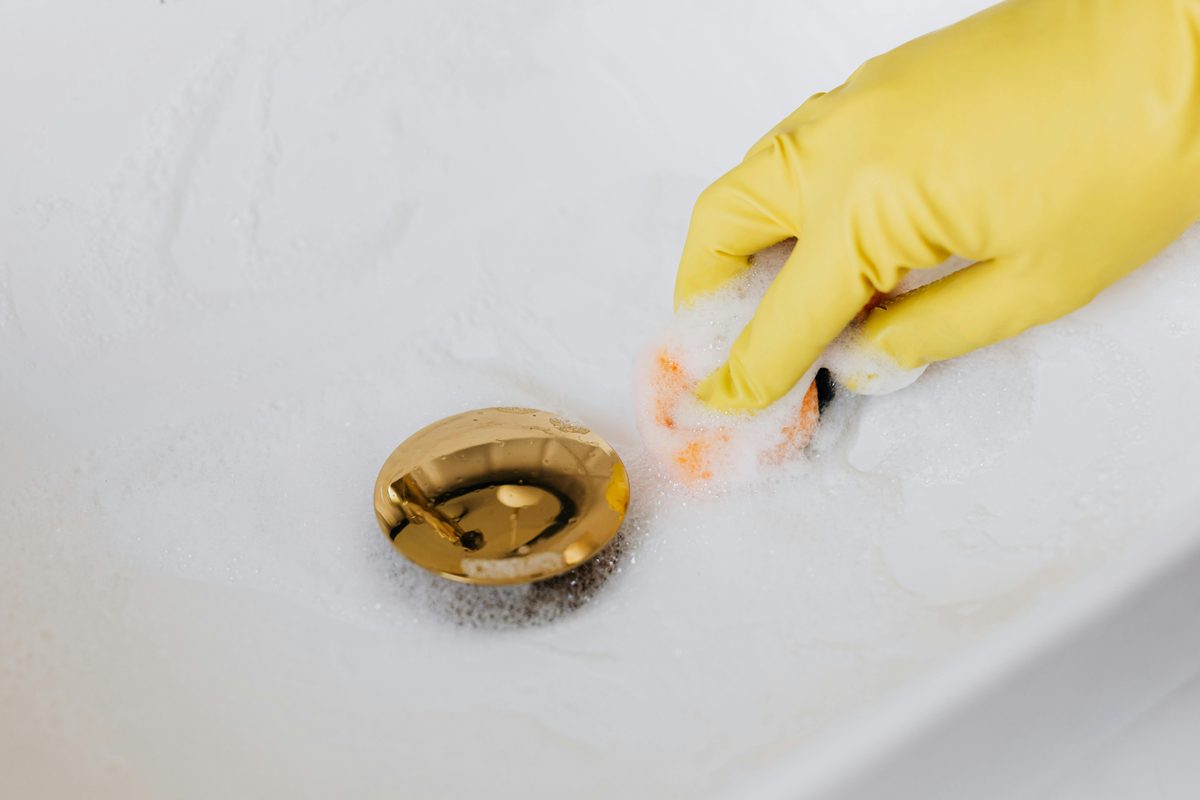
Homeowners typically use plungers costing $5-$25 for simple clogs in sinks and toilets. Small handheld augers priced at $20-$50 reach blockages up to 25 feet away. Chemical drain cleaners available for $10-$30 contain caustic substances that dissolve organic material. These DIY drain cleaning options work only for minor surface-level obstructions.
Chemical cleaners containing sodium hydroxide or sulfuric acid corrode older galvanized and copper pipes. Improper auger use can scratch pipe interiors or puncture weakened sections. Standard professional snaking services cost $150-$250 compared to a $25 DIY plunger that cannot address main line issues. Main line clearing by professionals ranges from $250-$500+ while small augers offer limited reach. Video inspection services priced at $150-$300 reveal hidden damage that DIY methods cannot detect.
What Technologies Do Professionals Employ for Drain Cleaning?
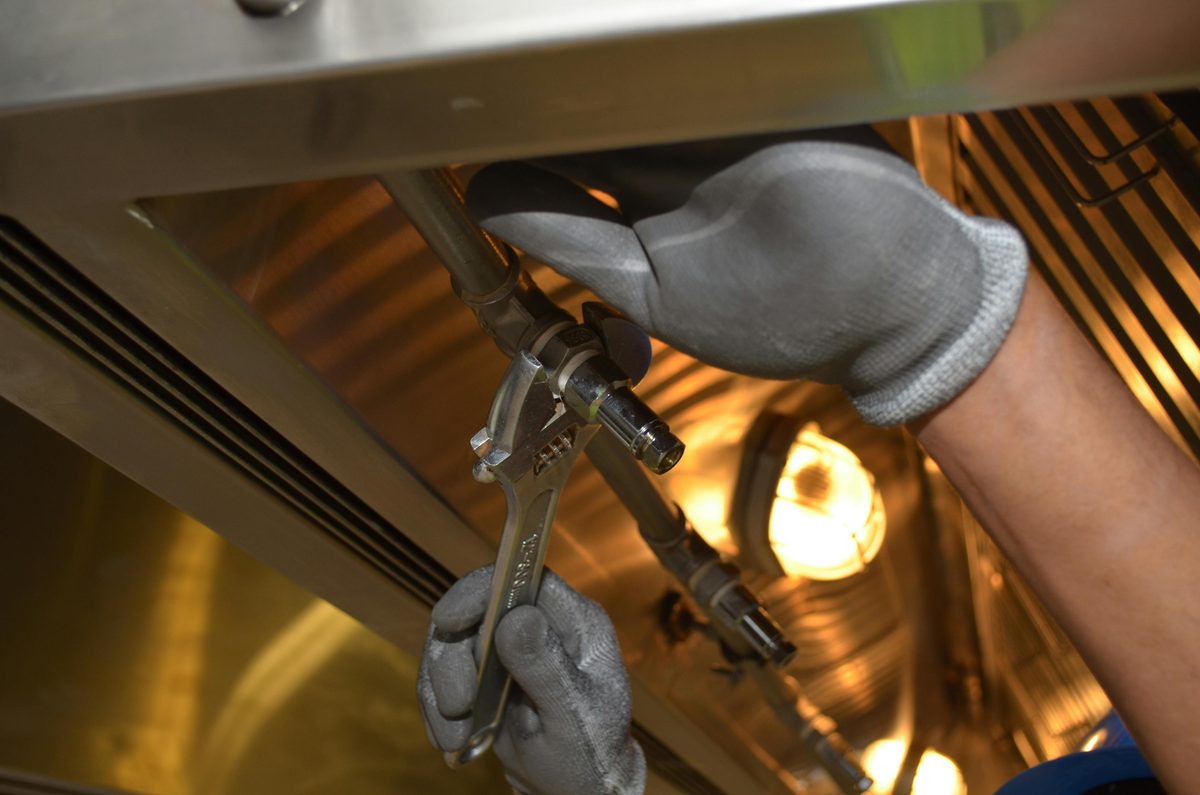
Licensed technicians use video camera inspection to identify blockage locations, pipe material, and structural damage. Professional snaking involves motorized equipment with cutting heads designed for specific obstruction types. Hydro jetting systems deliver water at 3,000-4,000 PSI to restore full pipe flow capacity.
Trenchless technology inserts a resin-saturated liner into damaged pipes, curing it in place without excavation. Pipe bursting breaks the old pipe while simultaneously pulling a new one into place. CIPP (Cured-In-Place Pipe) lining creates a new pipe inside the existing structure. Professional drain cleaning equipment costs tens of thousands of dollars and requires specialized training. These technologies minimize property disruption while addressing structural failures that DIY methods cannot repair.
How Do These Approaches Address Different Drain Issues?
Professional hydro-jetting achieves 95% effectiveness in removing accumulated debris compared to 50% effectiveness for chemical cleaners. Tree root intrusion requires mechanical intervention beyond DIY capabilities. Roots account for over 50% of all sewer blockages. Clay and older cast iron pipes are particularly susceptible to root intrusion through joints and cracks.
Hydro jetting utilizes high-pressure water to blast away roots and debris, restoring pipes to near-original capacity.
Chemical treatments only partially dissolve root material and provide temporary relief. Mechanical snaking cuts through root masses but leaves fragments that accelerate future blockages. Professional assessment through drain cleaning methods determines the most effective approach based on pipe condition.
What Are the Cost Differences Between DIY and Professional Services?
Initial investment for DIY supplies appears minimal compared to professional service charges. However, total cost calculations must include potential damage repair expenses and repeated treatments. Professional services typically charge flat rates for standard jobs or hourly rates for complex diagnostics.
How Does Initial Investment Compare for DIY vs. Professional Cleaning?
Basic DIY supplies, including plungers, small augers, and chemical cleaners, total $35-$105. Professional service calls for drain cleaning range from $100-$147 for budget-level service to $360-$800 for premium interventions. The apparent savings of DIY methods diminish when blockages recur within weeks. Professional technicians identify whether clogs result from grease buildup, foreign objects, or structural pipe damage.
Video camera inspection adds $150-$300 but reveals hidden issues preventing future emergencies. Main sewer line clearing costs $250-$500+ depending on blockage depth and accessibility. DIY chemical treatments provide temporary relief but fail to address accumulation in horizontal pipe sections.
What Are the Potential Additional Costs of DIY Failures?
Improper snaking techniques can puncture corroded pipes, leading to repairs costing thousands. Chemical cleaner misuse accelerates pipe deterioration in older homes with galvanized or brass plumbing. A single emergency backup exceeds annual preventive maintenance costs, averaging $200-$400. Water damage from burst pipes destroyed by aggressive DIY attempts adds restoration expenses of $2,000-$10,000.
Drain cleaning risks associated with DIY methods include personal injury from chemical exposure and equipment misuse. Homeowners lacking proper diagnostic tools often treat symptoms rather than underlying causes. Failed DIY attempts require professional intervention anyway, resulting in duplicate expenses. Understanding why professional drain cleaning prevents these cascading costs helps homeowners make informed decisions.
How Do Pricing Structures Vary for Common Drain Services?
Mechanical root removal costs $350-$600 while hydro jetting services range from $400-$900 for comprehensive cleaning. Chemical treatments applied professionally cost $100-$300 compared to trenchless repair starting at $2,000-$4,000+. Basic grease trap maintenance for small commercial installations costs $175-$225 per visit versus large capacity systems at $225-$315.
These drain cleaning cost variations reflect equipment requirements and treatment complexity.
Standard drain cleaning budgets range from $100-$147 for simple clogs to premium services at $360-$800 for main lines. Sewer line repair spot fixes cost $600-$1,050 while full replacement projects range from $2,500-$4,000. Video inspection services priced at $150-$300 prevent unnecessary excavation by pinpointing exact problem locations.
What Risks Are Associated with DIY Drain Cleaning?
Homeowners attempting drain repairs without proper training face multiple hazards affecting property and personal safety. Chemical products create toxic fumes in enclosed spaces without adequate ventilation. Physical damage to plumbing systems requires expensive professional correction.
How Can DIY Methods Cause Pipe Damage or Escalate Problems?
Motorized augers used without experience can catch on pipe joints and crack older clay or cast iron sections. Over-tightening manual snake cables creates kinks that reduce effectiveness and damage tools. Chemical cleaners generate heat that softens PVC joints and corrodes metal pipe threads. Mixing incompatible drain cleaning products produces dangerous chemical reactions, releasing chlorine gas.
Excessive force when plunging can dislodge toilet wax rings, creating leaks that damage subflooring. Pushing blockages deeper into main sewer lines transforms simple clogs into complex excavation projects. Foreign objects lodged in drain traps require disassembly that DIY attempts often worsen.
What Environmental and Health Concerns Are Linked to DIY Chemicals?
Sodium hydroxide-based cleaners cause severe chemical burns when splashed on skin. Sulfuric acid drain cleaners react violently with aluminum and generate explosive hydrogen gas. Residual chemicals in drain pipes create toxic fumes when professional technicians later perform mechanical cleaning. Municipal wastewater treatment systems struggle to neutralize high volumes of caustic chemicals.
Phosphate-based chemical cleaners contribute to algae blooms in waterways after passing through treatment facilities. Children and pets face poisoning risks from drain cleaner containers stored in accessible cabinets. Proper disposal requires special handling at hazardous waste collection sites. Considering eco-friendly ways to unclog a drain reduces environmental impact while protecting household safety.
When Is Professional Intervention Necessary to Avoid Structural Issues?
Recurring slow drains indicate accumulation problems requiring hydro jetting to restore full pipe capacity. Multiple fixtures backing up simultaneously signal main sewer line blockages beyond DIY tool reach. Slab leaks occur when pipes beneath concrete foundations deteriorate or burst, requiring immediate professional assessment. Gurgling sounds from drains suggest venting problems affecting the entire plumbing system.
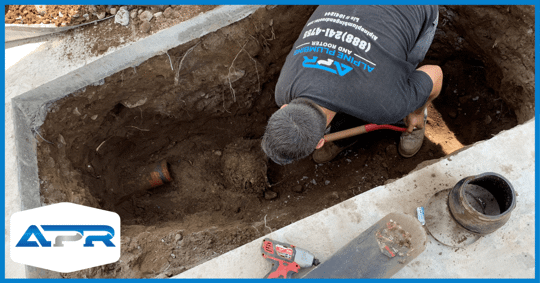
Traditional excavation involves jackhammering concrete slab sections, costing $2,000-$6,000 for access and repair. Tree roots visible in toilet bowls during backups indicate severe main line intrusion requiring mechanical removal. Foul odors persisting after DIY cleaning suggest broken pipe sections leaking sewage. Professional trenchless sewer repair addresses structural failures without destroying landscaping.
How Do Professional Services Mitigate Risks Compared to DIY?
Licensed plumbing contractors carry liability insurance protecting homeowners from damage claims. Professional technicians receive ongoing training in new technologies and safety protocols. Diagnostic equipment identifies problems accurately before treatment begins, preventing incorrect interventions.
What Diagnostic Tools Do Professionals Use to Identify Issues Accurately?
High-definition video cameras mounted on flexible cables navigate pipe systems, revealing cracks, corrosion, and obstruction types. Locator equipment traces camera signals, marking exact problem locations on property surfaces. Hydrostatic pressure testing identifies leak locations in concealed pipes without destructive exploratory excavation.
Acoustic sensors detect running water inside walls and beneath slabs, pinpointing leak sources while conserving thousands in demolition costs. Thermal imaging cameras identify temperature differences indicating moisture intrusion behind finished surfaces. Sonar equipment maps pipe layouts in older buildings lacking documentation. These diagnostic methods provide accurate information supporting cost-effective repair strategies unavailable through DIY approaches.
How Do Professionals Ensure Long-Term Solutions and Prevent Recurrences?
Chemical treatments applied by professionals kill roots and prevent regrowth for 1-3 years, though roots eventually regenerate. Mechanical root removal often requires recurring service annually or biannually, depending on tree proximity. Complete pipe replacement eliminates root intrusion permanently but costs significantly more.
Hydro jetting followed by pipe lining creates smooth interior surfaces that resist future accumulation and root penetration. Preventive maintenance contracts include regular inspections to detect problems before they cause emergencies. Professional technicians document pipe conditions during each visit, tracking deterioration patterns. Understanding the benefits of regular drain cleaning helps homeowners budget for scheduled drain maintenance rather than emergency repairs.
What Preventive Maintenance Options Are Available Professionally?
Annual drain cleaning contracts typically cost $200-$400 and include main line clearing plus camera inspection. Quarterly grease trap service for commercial kitchens prevents solidification, blocking drain lines. Enzyme-based maintenance treatments applied monthly digest organic material before accumulation causes blockages.
Backwater valve installation prevents sewage backups during municipal system overflows. Catch basin cleaning removes debris before it enters storm drains. Comprehensive drain and sewer services include scheduled maintenance, reducing emergency call frequency by 60-80%. Professional maintenance programs provide priority scheduling and discounted rates for established customers.
What Consumer Preferences and Market Trends Influence Drain Cleaning Choices?
Demographic shifts and technology adoption patterns reshape how homeowners select plumbing service providers. Younger generations prioritize digital convenience while older homeowners value established local relationships. Transparency in pricing and service options influences purchasing decisions across all age groups.
How Do Demographics Affect the Adoption of DIY Vs. Professional Services?
Millennials comprise 29% of recent homebuyers with different service expectations than previous generations. Digital tool preference reaches 64% among Millennials compared to 28% of Baby Boomers. Generation Z, at 54% digital tool preference, shows similar patterns despite lower current homeownership rates.
Generation Z consumers state that 60% would not hire professionals without online reviews. Generation X bridges generational preferences with 58% preferring digital tools while maintaining traditional communication values. Baby Boomers represent 28% digital tool preference but control significant residential property wealth. Phone communication remains preferred by 68% of homeowners overall, despite rising digital adoption.
What Role Does Digital Convenience and Transparency Play in Service Selection?
Response time expectations have intensified, with 46% of customers expecting replies within four hours. Service providers lacking rapid response capabilities lose business to competitors offering immediate scheduling. Pricing transparency appeals to 70% of homeowners who prefer providers listing costs upfront on websites.
Communication gaps cause frustration for 39% of respondents, citing lack of updates as the top concern. Text message updates about technician arrival times increase customer satisfaction scores significantly. Online booking systems allowing customers to schedule appointments outside business hours capture market share from phone-only competitors.
How Does Urbanization Impact Demand for Professional Drain Services?
Urban and suburban areas contribute 35% of the residential sector market value due to population density and aging infrastructure. Cities with pre-1970 housing stock experience higher service demand from deteriorating clay and cast-iron sewer laterals. Municipal code enforcement regarding sewer lateral responsibility shifts maintenance costs to property owners.
Apartment and condominium complexes require professional drain maintenance contracts due to shared plumbing systems. Commercial properties in urban cores cannot afford operational disruptions from plumbing failures during business hours. Population growth in suburban regions built during the post-WWII expansion creates demand as original infrastructure reaches end-of-life.
How Does Advanced Technology Impact Professional Drain Cleaning Outcomes?
Technological innovation transforms drain cleaning from a reactive emergency response to proactive system management. Equipment capabilities exceed consumer-grade tools by orders of magnitude. Modern diagnostic methods prevent unnecessary excavation, reducing project costs and timelines significantly.
What Are the Benefits of Hydro Jetting and Video Inspections?
Hydro jetting systems operating at 3,000-4,000 PSI remove decades of accumulated grease, mineral deposits, and debris. This method restores pipes to near-original interior diameter, improving flow capacity by 80-95%. Video inspection before hydro jetting identifies weakened pipe sections that might fail under high-pressure water. Combined diagnostic and cleaning services cost $400-$900 but prevent future blockages for 3-5 years.
Camera documentation provides visual evidence of pipe conditions supporting repair recommendations and insurance claims. Real-time video allows homeowners to observe blockage causes during service appointments. Learning about the benefits of hydro jetting service helps property owners understand the technology advantages.
How Does Trenchless Repair Technology Change Sewer Line Maintenance?
Trenchless repair requires minimal digging, typically accessing pipes through existing cleanouts or small entry pits. This approach eliminates landscape destruction, driveway removal, and interior floor demolition. Trenchless technology costs $90-$250 per linear foot, while pipe bursting ranges from $60-$250 per linear foot. CIPP lining creates seamless joints resistant to root intrusion and chemical corrosion for 50+ years.
Cured-In-Place Pipe lining involves inserting resin-saturated felt tubes inflated inside existing pipes and hardened with heat or UV light. Pipe bursting simultaneously destroys old pipes while pulling new HDPE pipe into place. Both methods are completed in 1-2 days compared to weeks for traditional excavation. Property owners avoid concrete replacement costs of $6-$12 per square foot and landscaping restoration averaging $2,000-$5,000.
What Emerging Eco-Friendly Solutions Are Available for Drain Care?
Enzyme-based drain maintainers use beneficial bacteria digesting organic material without harsh chemicals. These biological treatments cost $15-$30 monthly and prevent buildup when applied consistently. High-efficiency hydro jetting systems recycle and filter water, reducing consumption by 40%.
Trenchless pipe replacement reduces construction waste by 80% compared to traditional dig-and-replace methods. Biodegradable root treatment products prevent regrowth without contaminating groundwater. Professional services increasingly adopt green technologies, responding to consumer environmental concerns.
When Should Homeowners Opt for Professional Drain Cleaning Over DIY?
Decision criteria involve assessing blockage severity, pipe age, property value, and personal capability. Simple surface clogs in accessible fixtures suit DIY attempts, while main line issues require professional equipment. Clear guidelines help property owners make appropriate choices, balancing immediate costs against long-term system integrity.
What Drain Issues Are Suitable for DIY Resolution?
Single fixture slow drains caused by hair or soap accumulation respond well to plunging and enzyme treatments. Bathroom sink P-trap clogs from toothpaste buildup clear easily after trap removal. Kitchen sink disposals jammed by food particles often reset after power cycling.
Toilet clogs from excessive paper use typically clear with proper plunging technique. Shower drain hair removal using plastic drain snakes prevents recurring slow drainage. Preventive maintenance, including monthly enzyme treatments, costs $180 annually, preventing most minor household drain issues. DIY approaches work when problems affect single fixtures without backup.
What Signs Indicate the Need for Professional Assessment?
Multiple drains backing up simultaneously indicate a main sewer line blockage requiring professional intervention. Sewage backup into the basement floor drains signals a complete main line obstruction requiring immediate attention. Persistent slow drainage despite repeated DIY treatment suggests accumulation or partial pipe collapse requiring camera inspection. Gurgling sounds when flushing toilets indicate venting problems affecting the entire plumbing system.
Foul odors from drains persisting after cleaning suggest broken pipes leaking sewage. Water pooling in yard areas above sewer lines indicates collapsed or severely damaged pipes. Age of plumbing systems exceeding 40 years for cast iron or 50 years for clay pipes warrants professional inspection regardless of current symptoms. Understanding what professional drain cleaning provides helps homeowners recognize situations requiring expert intervention.
How Can Homeowners Balance Cost Savings with Risk Management?
Establishing annual maintenance budgets of $200-$400 prevents most emergency repairs costing $500-$2,000. Scheduling professional inspections every 2-3 years identifies developing problems before they cause failures. Building emergency fund reserves covering potential major repairs reduces financial stress.
Investing in main line cleanouts during landscaping reduces future service call costs. Documenting all professional service visits, including camera inspection footage, supports insurance claims. Maintaining relationships with licensed local contractors ensures priority service during emergencies.
Cost and Risk Insights on DIY Vs. Professional Drain Cleaning Services
The global sewer repair services market, valued at $40.94 billion USD as of 2025, reflects widespread infrastructure needs. Market projections indicate growth to $66.17 billion USD by 2032 at a 7.10% Compound Annual Growth Rate. Drainage maintenance services specifically represent $22.06 billion in 2025, expanding to $29.65 billion by 2029 at 7.7% CAGR.
Residential applications account for 58.0% of market share, confirming homeowners as primary service consumers nationwide. Professional drain maintenance investment protects property values exceeding repair costs by factors of 10-100. Informed homeowners balance DIY capabilities with professional expertise, reserving complex issues for licensed contractors. Technology advances, including video inspection and trenchless repair, deliver superior outcomes justifying professional service premiums over DIY attempts.
Choosing between DIY and professional drain cleaning ultimately depends on problem complexity and homeowner risk tolerance. Simple clogs respond to basic tools while structural issues require diagnostic equipment and specialized skills. Alpine Plumbing, Heating, and Air combines advanced technology with transparent pricing, helping Southern California homeowners make confident maintenance decisions. Regular professional maintenance prevents emergency situations while extending the plumbing system's lifespan.
Stop Guessing - Call Alpine Plumbing, Heating, and Air for a Drain Diagnosis You Can Trust.
A slow drain today can become a costly emergency tomorrow. At Alpine Plumbing, Heating, and Air, our licensed technicians use video camera inspection, hydro jetting, and trenchless repair technology to find the real cause and fix it right the first time — no guesswork, no repeat visits, no surprise charges.
We serve homeowners and businesses across Southern California, 7 days a week, with upfront pricing and same-day availability. Whether you’re dealing with a stubborn clog or need a full sewer line evaluation, our team is ready to help. Contact Alpine Plumbing, Heating, and Air today for a free estimate and get the peace of mind your home deserves.