Key Takeaways
- Recognize Multiple Warning Signs: Don't rely solely on sulfur smell due to odor fade. Watch for hissing sounds, dying vegetation over buried lines, physical symptoms like headaches and dizziness, and visual indicators like bubbling water or mist near gas lines.
- Act Immediately on Suspected Leaks: Gas leaks create fire, explosion, and carbon monoxide poisoning risks. Evacuate immediately, avoid all ignition sources including light switches and phones, and call emergency services and your gas utility from a safe location.
- Use Professional Gas Leak Detection: NIOSH recommends specialized detection equipment over smell alone. Licensed plumbers use electronic sensors, pressure testing, and infrared cameras to locate leaks that DIY methods miss.
- Verify Plumber Credentials for Gas Work: Confirm gas-specific licensing, current insurance coverage, and experience with gas line repairs. OSHA excavation requirements and fuel gas codes demand specialized expertise beyond general plumbing.
- Schedule Annual Safety Inspections: Preventive maintenance catches issues before they become emergencies. Monitor pilot light colors (should be 90% blue), check for soot buildup, and upgrade aging components to prevent costly failures and dangerous leaks.
Gas lines power essential home systems—furnaces, water heaters, stoves, and dryers—but damaged lines create serious hazards. Natural gas leaks cause fires, explosions, carbon monoxide poisoning, and property damage. Recognizing warning signs early and understanding when to call professionals protects your family and home.
This guide covers critical gas leak risks, detection methods, and repair processes every homeowner should know. Learn how to identify signs of gas leak, what emergency actions to take, and what to consider when hiring a local plumber for gas line repair. Regular gas line safety checks prevent catastrophic failures. Understanding these essentials helps you maintain a safe, functional gas system and respond effectively when problems arise.
What Is Gas Line Repair and Why Is It Essential?
Gas line repair maintains the safety and functionality of your home's natural gas system. Damaged or deteriorating gas lines create serious hazards including leaks, fires, and carbon monoxide exposure. Regular maintenance and prompt repairs protect your family and property from these risks.
Gas Lines and Their Role in Your Home
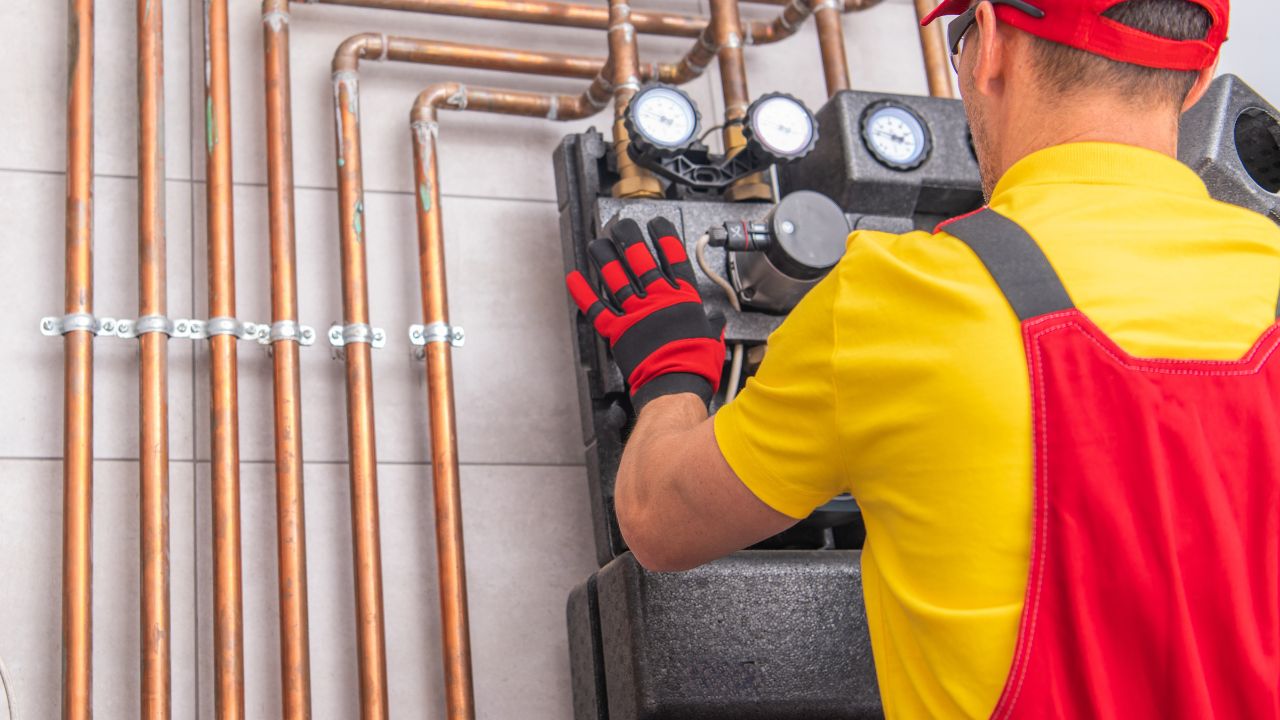
Gas lines deliver natural gas from your meter to appliances like furnaces, water heaters, stoves, and dryers. These pressurized pipes run through walls, floors, and underground to distribute fuel throughout your home. The system includes main supply lines, branch lines to individual appliances, and shutoff valves for safety control.
Over time, gas lines corrode, develop cracks, or sustain damage from ground shifting, construction, or aging connectors. Even small leaks pose immediate danger. Professional inspection identifies problems before they escalate into emergencies.
The Importance of Regular Gas Line Safety Checks
A gas line safety check detects leaks, worn components, and pressure issues that compromise your system. Routine inspections catch problems early—preventing costly repairs and dangerous situations.
NFPA 715 (2023 Edition) establishes guidelines for fuel gas detection equipment installation and maintenance. While not mandatory, these standards recommend alarm placement near fuel-burning appliances, in basements with gas entry points, in attached garages with gas lines, and outside sleeping areas. Professional plumbers use specialized detection tools and pressure testing to verify system integrity during safety checks.
Overview of Gas Line Repair Services
Gas line repair services address leaks, replace damaged sections, upgrade corroded pipes, and install new connections. Licensed plumbers handle everything from minor connector replacements to full line replacements using traditional excavation or trenchless methods.
Professional plumbing services for gas leak detection include pressure testing, electronic leak detection, and visual inspections of accessible lines and connections. Repairs must meet local codes and pass inspection. Emergency services provide 24/7 response for active leaks requiring immediate attention.
What Are the Warning Signs of a Gas Line Issue, and What Should You Do If You Suspect a Leak?
Recognizing signs of gas leak early prevents serious injury and property damage. Multiple indicators signal gas line problems—some obvious, others subtle. Know these warning signs and act immediately when you detect them.
Sulfur-like Odors and Their Significance
A rotten egg or sulfur smell is the primary sign of a gas leak. Natural gas and propane are naturally odorless. Utility companies add mercaptan—a sulfur-containing odorant—to make leaks detectable. Methyl mercaptan marks natural gas; ethyl mercaptan marks propane and n-butane.
However, odor fade reduces mercaptan's effectiveness. The odorant weakens when gas passes through soil, concrete, drywall, plywood, or new piping. Individual detection ability also varies. Anosmia (inability to smell), hyposmia (reduced sense of smell), nasal inflammation, and olfactory fatigue all impair odor recognition. Never rely solely on smell to confirm gas line safety.
Hissing or Whistling Noises Around Gas Lines
Hissing or whistling sounds indicate gas escaping under pressure. These audible leaks occur at damaged pipes, loose connections, or faulty appliance fittings. The sound intensity correlates with leak severity—louder noises signal larger, more dangerous leaks requiring immediate evacuation and professional response.
Physical Symptoms of Gas Exposure (e.g., dizziness, headaches)
Gas leaks often produce carbon monoxide (CO) through incomplete combustion. CO binds to hemoglobin 200-250 times more readily than oxygen, creating carboxyhemoglobin and causing cellular hypoxia. Mild to moderate exposure causes headache, dizziness, weakness, nausea, vomiting, chest pain, confusion, fatigue, and breathlessness. OSHA reports that 35 ppm exposure for 6-8 hours triggers headaches and dizziness.
Severe or prolonged exposure escalates rapidly—intense headaches, vertigo, incoordination, visual disturbances, seizures, unconsciousness, coma, brain damage, cardiac arrest, and death. If multiple household members experience flu-like symptoms simultaneously, evacuate immediately and call emergency services.
Dead or Discolored Plants Near Gas Lines
Dying vegetation over underground gas lines signals a leak. Natural gas deprives plant roots of oxygen, creating brown patches or dead zones above buried pipes. Look for unexplained plant death in linear patterns following your gas line route.
Additional visual indicators include bubbling in puddles or wet areas near gas lines and visible mist or fog around pipes. These signs confirm active gas escape and demand immediate professional gas leak detection services.
Gas Leak Risks: Why You Should Address Issues Promptly
Delaying gas line repair creates escalating dangers. Gas leaks threaten health, property, and life. Understanding these risks motivates immediate action when you detect warning signs.
Health Risks from Gas Leaks
Natural gas exposure causes asphyxiation in enclosed spaces by displacing oxygen. Symptoms mirror altitude sickness—rapid breathing, increased heart rate, clumsiness, and emotional upset. High concentrations lead to suffocation.
Carbon monoxide poisoning from malfunctioning gas appliances presents even greater danger. As covered in warning signs, CO binds to hemoglobin 200-250 times more effectively than oxygen, causing cellular hypoxia. Low-level exposure creates chronic health issues including persistent headaches, fatigue, and cognitive impairment. Acute exposure causes death. Children, elderly individuals, and those with respiratory conditions face heightened vulnerability.
Fire and Explosion Hazards
Natural gas is highly flammable. Concentrations between 5-15% in air create explosive conditions. A single spark from light switches, appliances, static electricity, or phones can ignite accumulated gas.
Explosions destroy homes, cause severe burns, and kill occupants. Fire spreads rapidly through gas-fed flames. Even small leaks become catastrophic when gas accumulates in basements, crawl spaces, or enclosed areas. These gas leak risks demand immediate professional intervention—never attempt DIY gas line repair near active leaks.
Environmental and Structural Damage
Gas leaks harm surrounding soil and groundwater. Methane migration kills vegetation, contaminates wells, and creates subsurface pockets that destabilize foundations. Underground leaks erode soil around pipes, causing ground settling and structural shifts.
Continuous leaks waste energy resources and increase utility costs. Corrosion accelerates on nearby metal structures. Long-term exposure weakens building materials. Professional gas leak detection and prompt repair prevent progressive damage that compounds repair costs and threatens property value.
Gas Leak Detection: How to Spot and Address Gas Line Problems
Early gas leak detection prevents emergencies. Multiple methods identify leaks—from simple homeowner tests to professional plumbing services for gas leak detection. Combining approaches ensures comprehensive safety.
DIY Methods for Detecting Gas Leaks
The soap bubble test reveals leaks at visible connections and pipes. Mix liquid dish soap with water and apply to gas line joints, valves, and fittings. Bubbles indicate escaping gas. Mark problem areas and call a licensed plumber immediately.
Listen for hissing sounds near appliances, meters, and exposed pipes. Check for dead vegetation over buried lines. Never use open flames to test for leaks. If you smell gas or suspect a leak, evacuate immediately—don't attempt DIY gas line repair or further testing.
How a Gas Leak Detection Plumber Can Help
Licensed plumbers use systematic inspection protocols to locate leaks throughout your gas system. They conduct pressure testing by isolating sections and monitoring for pressure drops that indicate leaks. Visual inspections identify corrosion, damaged connectors, and compromised seals.
Professional gas leak detection includes testing all appliance connections, checking concealed lines with electronic sensors, and verifying proper system pressure. Plumbers provide detailed reports, immediate repairs for critical issues, and recommendations for preventive maintenance. Their expertise ensures code compliance and system safety.
NIOSH recommends gas detection equipment over relying solely on smell due to odor fade limitations. Professional-grade tools include electronic gas detectors, ultrasonic leak detectors, and infrared cameras that identify leaks invisible to human senses.
Proper calibration, maintenance, and operation training are crucial for accurate detection. Licensed plumbers invest in commercial-grade equipment and ongoing certification. These specialized tools locate underground leaks, detect minute gas concentrations, and pinpoint exact leak locations—capabilities beyond homeowner methods. When things to consider when hiring a local plumber, verify they use current detection technology and maintain equipment to industry standards.
What to Consider When Hiring a Local Plumber for Gas Line Repairs
Gas line work demands specialized expertise. Hiring an unqualified contractor creates severe safety hazards and legal liability. Evaluate credentials carefully before authorizing gas line repair work.
Experience and Qualifications for Gas Line Repair
Choose plumbers with dedicated gas line experience—not general contractors dabbling in gas work. Verify specific training in gas fitting, pressure testing, and leak detection. Ask how many gas line repairs they complete annually and request examples of similar projects.
Gas-certified plumbers understand fuel gas codes, proper pipe materials, connection methods, and safety protocols. They recognize signs of gas leak during inspections and address underlying issues beyond obvious damage. Experience with both traditional excavation and trenchless repair methods indicates comprehensive capability.
Insurance and Licensing Requirements
Verify active licensing specific to gas line work in your jurisdiction. Most states require separate gas fitting certification beyond standard plumbing licenses. Confirm general liability insurance and workers' compensation coverage—gas line accidents create catastrophic claims.
OSHA 29 CFR 1926.651 mandates specific excavation requirements to prevent damage to underground utilities. Violations require immediate notification of pipeline operators and emergency services. Licensed plumbers carry proper insurance protecting homeowners from liability when accidents occur. Request proof of coverage before work begins.
Customer Reviews and Testimonials
Check online reviews focusing on gas line safety check and repair projects specifically. Look for feedback about response time for emergencies, thoroughness of leak detection, quality of repairs, and post-work testing. Consistent mentions of things to consider when hiring a local plumber—like punctuality, cleanliness, and transparent pricing—indicate professionalism.
Contact references directly for gas-specific projects. Ask if the plumber explained findings clearly, completed work to code, and provided documentation. Negative reviews mentioning rushed work, incomplete testing, or return visits for the same issue are serious red flags for gas line work where safety is paramount.
The Gas Line Repair Process: What to Expect
Professional gas line repair follows systematic protocols ensuring safety and code compliance. Understanding the process helps homeowners prepare and make informed decisions. Repairs range from simple connection replacements to complete line installations.
Inspection and Assessment of Gas Line Issues
Licensed plumbers begin with comprehensive gas leak detection using electronic sensors, pressure testing, and visual inspection. They examine the entire system—from the meter through main lines to appliance connections. Pressure tests isolate problem sections by monitoring gauge readings for drops indicating leaks.
Assessment includes determining leak severity, identifying root causes like corrosion or physical damage, and evaluating overall system condition. Plumbers provide detailed findings, explain repair options, and outline code requirements. Emergency leaks require immediate shutoff and temporary measures before permanent repairs. Non-emergency issues allow scheduled repairs with proper planning.
Types of Gas Line Repairs and Their Methods (Traditional vs. Trenchless)
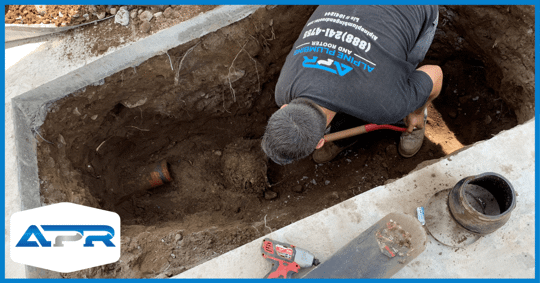
Traditional excavation exposes buried gas lines through trenching. This method allows complete pipe replacement, permits visual inspection of surrounding soil conditions, and handles complex routing. Excavation disrupts landscaping and requires restoration but provides thorough access for extensive repairs.
Trenchless methods repair or replace underground lines with minimal digging. Pipe bursting breaks old pipes while pulling new lines through. Slip-lining inserts new pipes inside existing ones. These techniques reduce landscape damage, lower labor costs, and complete faster than excavation. However, trenchless requires specific soil conditions and may not suit all situations. Plumbers recommend methods based on damage extent, pipe location, and property conditions.
Timelines and Costs for Gas Line Repair
Simple connector replacements or small leak repairs complete in 1-2 hours. Extensive repairs requiring excavation take 1-3 days depending on line length and accessibility. Trenchless repairs typically finish within one day. Emergency gas line safety check and repair services prioritize immediate response with premium pricing.
Costs vary significantly—minor repairs range $150-$500, while complete line replacements cost $1,500-$7,000 depending on distance, excavation requirements, and materials. Permits, inspection fees, and landscape restoration add expenses. Request itemized estimates from multiple licensed plumbers. Emergency calls incur higher rates but prevent catastrophic damage that exceeds repair costs exponentially.
Preventing Future Gas Line Problems: Proactive Maintenance Tips
Prevention costs less than emergency gas line repair. Regular maintenance identifies issues before they become hazards. Simple practices protect your system and extend its lifespan.
Regular Safety Checks and Inspections
Schedule annual professional gas line safety checks to catch deterioration early. Between professional visits, monitor pilot lights on furnaces, water heaters, and appliances. A healthy pilot light burns approximately 90% blue. Yellow or orange flames signal incomplete combustion from dirt accumulation in air intake holes, poor airflow starving oxygen, or improper gas-to-air ratios.
Inspect for soot—fine black or brown powder indicating incomplete combustion. Soot forms when burners receive insufficient oxygen, run fuel-rich mixtures, have blocked air mixture tubes, or operate with inadequate ventilation. Clean burners regularly and ensure proper appliance ventilation. Address flame color changes and soot buildup immediately as both indicate dangerous conditions producing carbon monoxide.
Upgrading Old Gas Lines to Prevent Leaks
Replace aging gas lines before failures occur. Corroded pipes, outdated materials, and deteriorating connections create inevitable leaks. Homes over 20 years old often need line upgrades meeting current codes.
Older appliances with AB valves leak gas when pilot lights extinguish—requiring manual shutoff for safety. Pilot lights going out repeatedly indicate faulty thermocouples, stuck gas valves, or ignitor issues. Replace these components or upgrade to modern electronic ignition systems eliminating pilot light risks entirely. Professional assessment identifies upgrade priorities based on system age and condition.
Safe Practices for Protecting Gas Lines from External Damage
Mark underground gas line locations before any digging projects. OSHA 29 CFR 1926.651 mandates specific excavation procedures preventing utility damage. Contact your utility's locating service—required by law and provided free—before landscaping, fence installation, or construction.
Monitor appliance performance for heating inefficiency caused by reduced gas pressure, clogged burners, faulty thermocouples, or cracked heat exchangers. Heat exchanger cracks allow carbon monoxide into living spaces—an emergency requiring immediate appliance replacement. Keep vegetation trimmed away from exterior lines and vents. Avoid storing items against gas meters or exposed pipes. These simple practices prevent most accidental damage requiring costly gas line repair.
Protect Your Home with Professional Gas Line Services from Alpine Plumbing, Heating, and Air
Don't risk your family's safety with gas line issues. Alpine Plumbing, Heating, and Air provides expert gas leak detection, comprehensive safety inspections, and certified gas line repair services. Our licensed technicians use advanced detection equipment to locate leaks quickly and perform repairs meeting all code requirements.
Whether you need emergency response for suspected leaks or scheduled maintenance to prevent future problems, we deliver reliable service protecting your home and loved ones. Contact Alpine Plumbing, Heating, and Air today for professional gas line safety checks and repairs you can trust. Your safety is our priority.