Water Heater Repair, Replacement, & Installation San Dimas: Tankless & Traditional
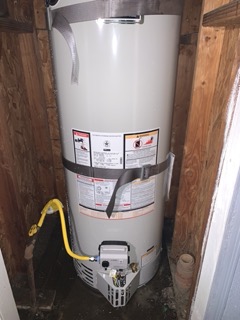
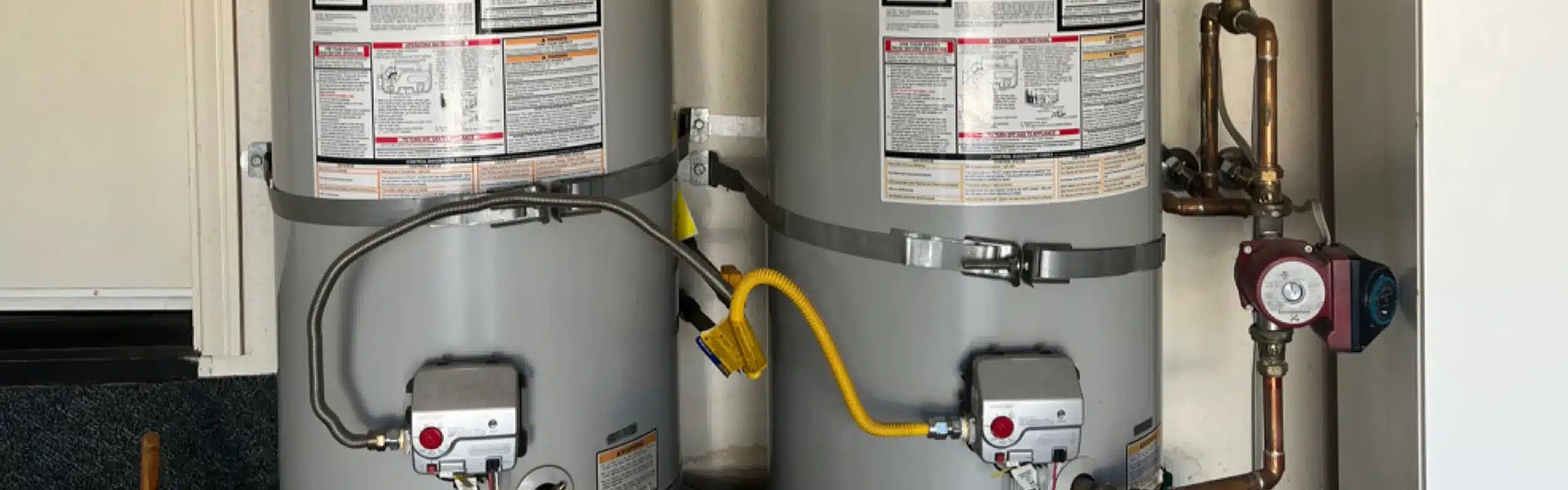
At Alpine Plumbing, Heating, and Air, we understand that a malfunctioning water heater can disrupt your daily routine, making it impossible to enjoy a hot shower or clean your dishes effectively. Our team of expert technicians specializes in water heater repair in San Dimas, offering both traditional and tankless water heater solutions. We are committed to providing fast, reliable, and efficient services to ensure your home’s water heater is always working at its best.Whether you need water heater installation in San Dimas, routine maintenance, or emergency repairs, we are the local team you can count on to restore comfort to your home. Our professional plumbers handle all types of water heater issues, from minor repairs to full replacements.
Why Choose Alpine Plumbing, Heating, and Air for Your Water Heater Needs?
Experienced Professionals
At Alpine Plumbing, Heating, and Air, our technicians are equipped with years of experience in plumbing services, including water heater installation and repairs. We are dedicated to providing efficient and lasting solutions for your water heater needs, ensuring you experience uninterrupted hot water.
Comprehensive Services
We offer a wide range of services, including water heater repair, tankless water heaters, and plumbing inspections to keep your water systems functioning properly. Whether you're dealing with a broken water heater, a leaking water heater, or low water pressure, our technicians are ready to provide the solution.
Energy Efficiency
We help you save on water bills and energy bills by offering high-quality energy-efficient water heaters. Our team can guide you through the process of selecting a unit that will keep your home comfortable without draining your finances.
Reliable Water Heater Repair and Replacement
Emergency Repairs
Water heater issues don't always happen at convenient times. That's why Alpine Plumbing, Heating, and Air offers 24-hour emergency plumbing service. If you're facing a broken water heater or a lack of hot water, we are just a call away, ready to provide fast, professional repairs.
Water Heater Installation
If your water heater is beyond repair, our experts will recommend the best replacement options for your home. Whether you choose a traditional tank-style water heater or a tankless water heater, we ensure a professional installation that meets your needs.
Upgrades and Replacement
Upgrading to a new water heater can improve your home's energy efficiency. Our team specializes in water heater replacement and can help you choose the right system that fits your home’s requirements and budget. With newer models, you can expect reduced utility bills and a longer lifespan for your plumbing system.
Tankless Water Heaters: Efficient, Compact, and Reliable
Benefits of Tankless Water Heaters
Tankless water heaters offer on-demand hot water, which means you'll never run out of hot water again. These units are also more energy-efficient since they heat water only when you need it. With tankless water heater installation from Alpine Plumbing, Heating, and Air, you’ll experience endless hot water and lower energy bills.
Professional Tankless Water Heater Installation
Switching to a tankless water heater is a great investment in energy efficiency. Our team will guide you through the installation process, ensuring that your new system is perfectly tailored to your home’s hot water needs.
Routine Maintenance: Prevent Problems Before They Start
Routine maintenance is key to extending the lifespan of your water heater. Alpine Plumbing, Heating, and Air provides thorough plumbing inspections and routine water heater maintenance. Regular maintenance helps identify potential issues early, preventing unexpected breakdowns and costly repairs.
What Does Maintenance Include?
Draining the Tank to remove sediment buildup
Checking the Pressure Relief Valve for proper operation
Inspecting for Leaks and damage
Flushing the System to ensure optimal water flow
By scheduling regular maintenance, you can avoid water heater replacement in the near future and keep your system running efficiently for years. Visit our FAQs page for more information.
Affordable Financing for Water Heater Services
At Alpine Plumbing, Heating, and Air, we understand that plumbing issues can be an unexpected expense. That’s why we offer financing options through Synchrony to make the cost of your water heater repair or installation more manageable.
Trust Our Financing
No Hidden Fees
Same-Day Credit Decision
Convenient Online Payment
With competitive rates and easy payment plans, you don’t have to wait to get your water heater back to optimal working condition.
Ready to Restore Hot Water in Your Home?
Don't wait for your water heater issues to worsen. Whether you need a quick repair, a new installation, or routine maintenance, Alpine Plumbing, Heating, and Air is here to help.
Our expert technicians are ready to deliver fast, reliable service with a focus on efficiency and long-term solutions. We understand how important it is to have hot water when you need it, so let us ensure your home stays comfortable with uninterrupted hot water. Contact us today for a fast and reliable water heater repair or installation.
Frequently Asked Questions
How long do water heaters typically last?
Water heaters can last between 10 to 15 years with proper maintenance. Regular servicing can extend their lifespan.
What is the difference between a tankless water heater and a traditional water heater?
A tankless water heater provides on-demand hot water and is more energy-efficient than traditional water heaters, which store hot water in a tank.
Can you install a water heater during off-hours or weekends?
Yes, Alpine Plumbing, Heating, and Air provides installation and repair services on weekends without additional charges.
How can I save money on my energy bills with a new water heater?
By upgrading to an energy-efficient water heater or a tankless model, you can reduce energy consumption and lower your monthly utility bills.
How do I know if I need a water heater replacement?
Signs include strange noises, inconsistent water temperature, leaks, and age (over 10 years). A professional inspection will help determine if replacement is necessary.
We’ll come direct to you and provide an on site estimate or consultation for your next plumbing project. There’s no pressure, and no obligation.
Competitive Pricing
With Alpine Plumbing you pay no additional charges for appointments on weekends. Just one more reason why we’re industry leaders.
Prompt & Reliable
Our plumbing team is promptly ready and fully equipped for repairs of all sizes and expertise.
photo gallery
Our Works
Flowing with Reviews
Hear from Delighted Customers
At Alpine Plumbing, Heating, and Air, your satisfaction is our priority! See for yourself what our customers have to say about working with us.
Wesley E.
The gentleman who answered the phone at 7 am was so friendly, quick, and efficient in getting me on the books. He had a technician over to check out the leak under my sink within 5 hours and accommodated my work schedule.
Sokun S.
Working with Alpine has been amazing. They were very responsive and the tech, Tom was awesome and very easy to talk to. They were very professional and did not push any additional unnecessary work, as some would. I will work with them again!
Yiwen C.
David is the one who helped us replace the water pressure regulator. David was really professional and didn’t try to scare us with some serious outcome if we don’t do this do that. David also replaced two fill valves for us as a courtesy.
Andrew K.
The easiest plumbing repair call I have ever had. I messaged Alpine on Yelp and within 1 minute I got a response. I was lucky enough that their technician Matt was finishing up a job and was around my neighborhood.
Maria P.
Outstanding service! Quick response. Checked our commercial water heater within a couple of hours! Vincent and his coworker were informative and professional! Wish I could give more stars!!
Luis T.
Highly recommend Alpine Plumbing. Michael performed routine maintenance on my water heater and discovered it had been improperly installed. He was able to correct most of the problem in just a few minutes.
After reviewing your information, we will contact you as soon as possible.
"*" indicates required fields
Alpine Plumbing, Heating, and Air
462 Borrego Ct Unit A, San Dimas, CA 91773
CA Plumbing/HVAC License: #1041244 AZ Plumbing License: ROC 362311
Welcome to Alpine Plumbing, Heating, and Air, serving San Dimas, San Bernardino, Lake Havasu, AZ, and the surrounding areas. We are your reliable source for exceptional plumbing, Heating, and Air Conditioning needs.