Tree root intrusion represents one of the most destructive problems homeowners face with underground plumbing systems. Roots seeking water and nutrients penetrate pipe joints and cracks, expanding until they create complete blockages. Understanding how roots damage pipes, recognizing warning signs early, and selecting appropriate repair methods can prevent thousands of dollars in emergency restoration costs.
Key Takeaways
- Tree roots naturally seek moisture and nutrients from sewer lines, causing structural damage over time
- Clay and cast iron pipes face higher vulnerability to root penetration than modern materials
- Video camera inspection provides an accurate diagnosis of root intrusion severity and pipe condition
- Hydro jetting achieves 95% effectiveness compared to chemical treatments at 50% effectiveness
- Trenchless repair methods cost $60-$250 per linear foot with minimal property disruption
What Is Tree Root Intrusion and Why Does It Occur?
Tree roots naturally grow toward moisture sources to sustain the tree's nutrient requirements. Sewer lines provide ideal conditions with constant water flow, warmth, and dissolved nutrients that attract root growth. Small cracks or loose joints release vapor that roots detect from considerable distances. Once roots penetrate these openings, they expand rapidly inside the pipe, creating dense masses that trap debris.
Tree root intrusion develops gradually over months or years as roots thicken and multiply inside pipes. Clay and older cast iron materials deteriorate faster under root pressure than modern options. The process accelerates when trees mature and develop extensive root systems reaching 20-40 feet from the trunk.
How Do Tree Roots Damage Sewer Lines?
Roots enter pipes through microscopic cracks, deteriorated joints, or connection points where materials have weakened. Initial penetration creates small openings that expand as roots absorb water and grow thicker. Root masses accumulate toilet paper, grease, and solid waste, forming complete blockages that prevent drainage. Continued expansion applies constant pressure against pipe walls, causing cracks to widen and joints to separate.
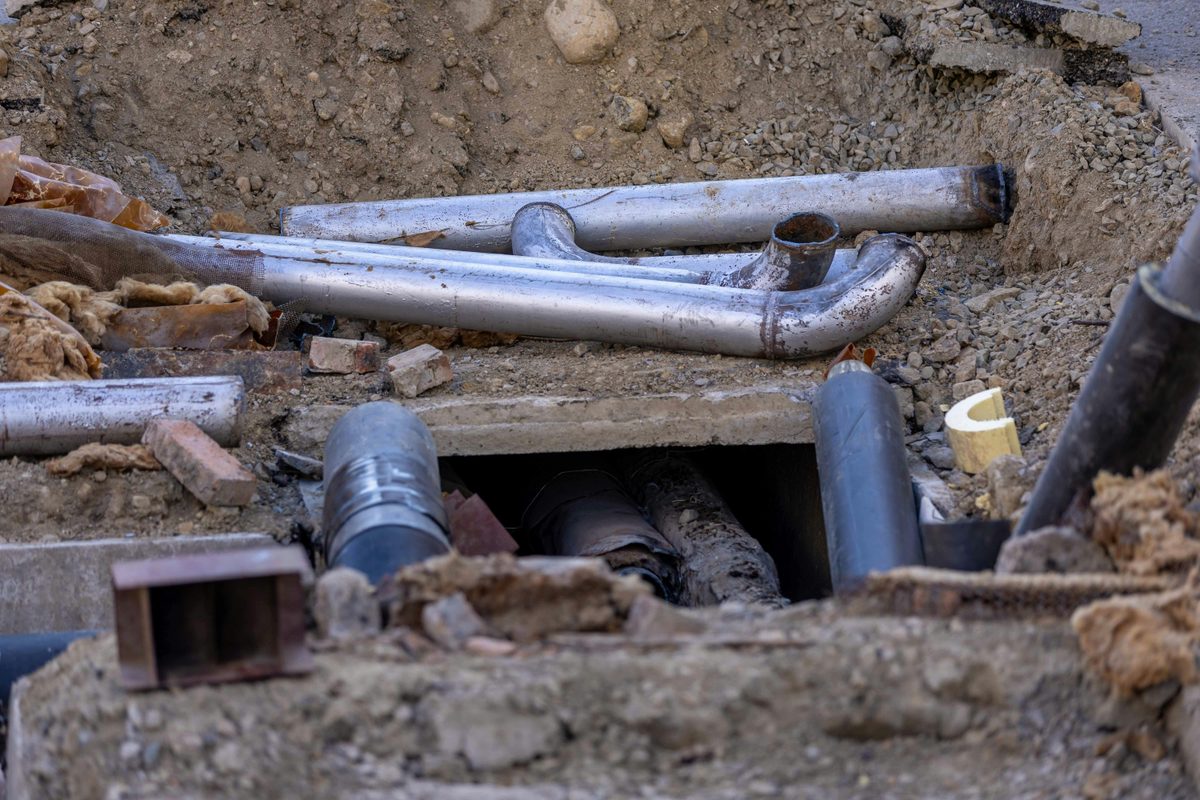
Advanced root intrusion leads to pipe collapse when structural integrity fails. Wastewater backs up into homes through floor drains, toilets, and tubs when blockages prevent proper flow. Collapsed sections require excavation and replacement rather than simple root removal, increasing repair costs substantially.
Which Pipe Materials Are Most Vulnerable?
Clay pipes installed before the 1980s remain highly susceptible to root penetration due to porous material composition and primitive joint connections. Cast iron pipes corrode internally over decades, creating rough surfaces and weakened sections where roots easily penetrate. Properties built before 1970 typically contain clay or cast-iron sewer lines requiring more frequent inspections.
Modern PVC pipes resist root intrusion better through tight heat-fused joints and non-porous surfaces. Copper pipes at $85 per linear foot offer superior durability but represent the highest material cost. Cast iron costs $50 per foot compared to PVC at $4.50 per foot for standard residential applications.
What Are the Common Signs of Root Intrusion?
Slow-draining fixtures throughout the house indicate developing blockages in the main sewer line. Multiple toilets gurgling simultaneously when flushed suggests air displacement due to partial obstructions. Roots account for over 50% of all sewer blockages according to USDA Forest Service research. Frequent backups requiring professional intervention every few months signal progressive root accumulation.
Lush green patches in the yard above sewer lines indicate leaking pipes, providing extra moisture and nutrients. Sinkholes or depressions near sewer routes develop when soil erodes into damaged pipe sections. Sewage odors in the yard or basement suggest cracks allowing wastewater to escape. Recognizing these warning signs of sewer line problems enables homeowners to address issues before complete failures occur.
How Can You Detect Tree Root Intrusion Early?
Professional inspection services identify root intrusion before symptoms become severe enough to cause emergency backups or property damage. Cameras inserted through cleanout access points provide real-time visualization of pipe interiors, revealing root masses and structural damage. Early detection allows homeowners to implement preventive treatments that cost significantly less than emergency repairs.
Monitoring drainage performance helps identify gradual changes indicating developing blockages. Properties with mature trees within 50 feet of sewer lines require more vigilant observation.
What Role Does Video Camera Inspection Play?
High-definition cameras mounted on flexible cables navigate through entire sewer line lengths, transmitting live footage to above-ground monitors. Technicians identify root masses, cracks, separated joints, and collapsed sections with precise location data. Video inspection is used to diagnose underlying issues like collapsed pipes that simple snaking cannot resolve.
Camera inspections cost $100-$300 for standard residential lines, delivering comprehensive assessments without excavation. The technology reveals whether simple root removal will suffice or if structural repairs become necessary. Modern cameras include distance counters that pinpoint problem locations within inches, eliminating guesswork during repair planning.
How Effective Are Leak Detection Technologies?
Advanced acoustic sensors detect specific sound frequencies produced by water escaping through cracks in underground pipes. Thermal imaging cameras identify temperature variations on ground surfaces above leaking sewer lines. These non-invasive technologies locate problems without exploratory digging that damages landscaping. Early water leak detection services prevent minor issues from escalating into major structural repairs. Electronic line locators trace pipe routes precisely before digging occurs. Leak detection costs range from $75-$500 depending on property size and complexity.
When Should Homeowners Schedule Preventive Inspections?
Properties with trees over 20 years old near sewer lines should receive annual video inspections to monitor root intrusion. Homes built before 1980 containing clay or cast iron pipes require more frequent evaluation. Slow-draining fixtures or gurgling sounds justify immediate professional assessment. New homeowners should inspect sewer lines within the first year to establish baseline conditions.
Post-repair inspections verify that root removal achieved complete clearance and identify remaining structural issues. Properties that previously experienced root intrusion need follow-up inspections every 12-18 months to detect regrowth early. Preventive inspection costs of $100-$300 remain far below emergency repair expenses exceeding $2,000.
What Are the Available Methods for Removing Tree Roots?
Professional root removal services range from mechanical cutting to high-pressure water blasting, each suited for different severity levels. Treatment selection depends on root density, pipe material, damage extent, and whether homeowners need temporary or permanent solutions. Combining multiple approaches often delivers superior results compared to single-method treatments.
Professional assessment determines which techniques match specific conditions. Cost comparisons should include long-term maintenance requirements since some methods require annual service while others provide multi-year relief.
How Does Mechanical Root Removal Work?
Mechanical root removal uses a motorized auger equipped with specialized cutting blades that slice through root masses inside pipes. Technicians feed rotating cables through cleanout access points, advancing cutting heads that shred roots into small pieces. Professional snaking costs $150-$250 for standard residential applications. Mechanical root removal requires recurring service as roots regrow from stumps remaining in the surrounding soil.
Cutting blades vary from saw-tooth edges for soft new growth to carbide-tipped heads for dense established roots. The process clears immediate blockages but does not address underlying structural defects that allowed initial root entry.
What Are the Benefits of Hydro Jetting?
Hydro jetting employs high-pressure water streams reaching 3,000-4,000 PSI that blast away roots, grease, scale, and accumulated debris. Specialized nozzles direct water jets forward and backward simultaneously, scouring pipe interiors to bare surfaces. Professional hydro-jetting achieves 95% effectiveness compared to chemical cleaners at 50% effectiveness according to industry data. Water pressure cuts through root masses completely while flushing fragments out of the system.
Hydro jetting services cost $400-$900 but provide thorough cleaning that extends intervals between required maintenance treatments. The process removes not just roots but also grease buildup and mineral deposits. Hydro jetting suits most pipe materials when performed by trained professionals who adjust pressure levels appropriately.
When Are Chemical Treatments Appropriate?
Chemical treatments use copper sulfate or foaming root killers that penetrate root masses, causing them to die and decompose gradually. Applications through toilets or cleanouts deliver chemicals directly into affected pipe sections. Chemical treatments kill roots and prevent regrowth for 6-12 months, depending on product strength. Root killers cost $100-$300 per application.
Copper sulfate crystals work effectively but pose environmental concerns near septic systems. Foaming products expand to coat entire pipe circumferences, reaching roots that powder or liquid chemicals might miss. Chemical methods work best for maintenance after mechanical removal.
How Do Repair Options Vary Based on Damage Severity?
Minor root intrusion with intact pipe structure requires only root removal and preventive treatments. Moderate damage involving cracked pipes may suit spot repairs using trenchless pipe lining techniques. Severe cases with collapsed sections necessitate full pipe replacement. Professional video inspection determines damage extent and guides appropriate repair method selection.
Repair costs vary from $350 for simple mechanical root removal to $15,000+ for complete sewer line replacement. Homeowners must weigh immediate expenses against the likelihood of recurring problems. Properties with aging infrastructure often benefit from complete replacement that eliminates ongoing maintenance cycles. Understanding sewer repair and trenchless solutions helps property owners make cost-effective decisions.
When Is Trenchless Repair Recommended?
Trenchless technology inserts a resin-saturated liner into damaged pipe sections, where it cures to form a new pipe inside the old one. CIPP (cured-in-place pipe lining) requires only small access points at each end rather than continuous trenching. Trenchless methods require minimal digging, preserving landscaping, driveways, and hardscaping. Costs range from $60-$250 per linear foot, depending on pipe diameter, damage severity, and site access conditions.
The process works effectively for pipes with cracks, root damage, or corrosion, but requires the existing pipe structure to support the new liner. Properly installed liners provide a 50-year life expectancy.
What Does Full Sewer Line Replacement Involve?
Traditional excavation involves jackhammering concrete slabs, trenching through yards, and removing landscaping to expose damaged pipes. Contractors excavate trenches 3-4 feet deep along the entire sewer routes. Material costs vary from PVC at $4.50 per foot to cast iron at $50 per foot before labor and restoration expenses.
Modern pipe-bursting techniques break old pipes while simultaneously pulling new ones into place through the same path. This method reduces surface disruption compared to open trenching. Total replacement costs average $7,500-$10,000 for standard residential installations but can exceed $15,000 for complex layouts. Complete replacement eliminates recurring maintenance needs.
How Do Costs Compare Across Repair Methods?
Simple mechanical root removal at $150-$250 provides temporary relief but requires annual repetition. Hydro jetting costs $400-$900 and maintains clear pipes for longer periods. Trenchless spot repairs average $2,000-$4,000 for localized damage compared to full replacement at $7,500-$15,000. Cost analysis must include restoration expenses for landscaping, concrete, and other surfaces disturbed during excavation. Professional assessment costs $100-$300 and prevents wasted money on ineffective DIY approaches.
How Can Preventive Maintenance Minimize Root Intrusion Risks?
Regular professional inspections identify early root penetration before extensive damage requires expensive structural repairs. Annual hydro jetting removes small root intrusions and debris accumulation, maintaining optimal flow capacity. Preventative sewer cleaning reduces emergency service calls and extends overall system lifespan. Maintenance contracts spread costs over manageable monthly payments rather than facing unexpected multi-thousand-dollar emergency bills.
Strategic tree placement during landscape planning keeps mature root systems away from underground utility corridors. Root barriers installed during construction redirect growth patterns away from vulnerable pipe sections.
What Are Effective Annual Maintenance Strategies?
Scheduled video inspections every 12-18 months track pipe condition changes and reveal developing problems. Hydro jetting performed annually removes small root intrusions and prevents the accumulation of grease and mineral deposits. Professional plumbers develop customized maintenance schedules based on tree proximity, pipe age, material type, and previous service history. Preventive chemical treatments applied after mechanical cleaning extend clear intervals between service appointments.
Seasonal timing matters, with fall inspections before holiday gatherings preventing embarrassing backups during family visits. Annual maintenance costs $400-$600 typically, far below emergency repair expenses exceeding $2,000-$4,000.
How Does Consumer Preference Influence Service Choices?
Approximately 70% of homeowners prefer service providers who list prices upfront. Transparent pricing builds trust and allows customers to budget appropriately. Communication remains critical, with 39% of respondents citing lack of updates as their top frustration. Speed matters significantly, as 46% of customers expect a response within four hours for emergencies. Phone communication remains preferred by 68% of customers overall. Online reviews influence decisions dramatically, with 60% of Gen Z consumers refusing to hire professionals lacking established digital reputations.
What Eco-Friendly Solutions Are Available?
Biodegradable foaming root killers minimize environmental impact compared to traditional copper sulfate treatments. Mechanical and hydro jetting methods avoid chemicals entirely while effectively removing root masses. Modern trenchless pipe lining materials use environmentally safer resins that cure without releasing harmful volatile organic compounds.
Native plant landscaping reduces irrigation needs that attract roots toward sewer lines. Professional guidance helps homeowners protect sewer lines from tree roots using sustainable approaches that balance functional infrastructure with environmental responsibility.
What Are the Pros and Cons of DIY vs Professional Root Removal?
DIY approaches appeal initially through perceived cost savings but often result in incomplete repairs requiring eventual professional intervention. Homeowners lack specialized equipment, diagnostic tools, and technical knowledge needed to assess root intrusion severity and underlying pipe damage. Professional services provide comprehensive solutions, including inspection, removal, and preventive recommendations.
DIY efforts suit only minor surface clogs in individual fixtures rather than main sewer line blockages involving root masses. Professional expertise prevents costly mistakes like using incompatible chemicals that corrode pipes.
What Risks Do DIY Chemical Cleaners Pose?
Chemical cleaners can corrode older clay and cast iron pipes, accelerating deterioration and creating new cracks. Harsh chemical cleaners pose a high risk of pipe degradation and environmental impact. Improper mixing creates dangerous fumes in confined spaces with inadequate ventilation. Store-bought products lack the concentration needed to effectively kill established root masses.
Chemical drain openers work primarily on grease and hair clogs but prove largely ineffective against dense root intrusions. Repeated chemical use weakens pipe joints and seals. DIY snaking without proper training can push roots deeper or perforate deteriorated sections. Professional drain cleaning alternatives provide safer, more effective solutions.
How Do Professional Services Provide Long-Term Value?
Licensed plumbers use proper diagnostic equipment to determine whether simple root removal suffices or if structural repairs become necessary. Professional hydro jetting removes not just roots but also accumulated grease, scale, and debris. Warranties on professional work protect homeowners from defective repairs.
Professional technicians identify contributing factors like separated joints or cracked pipes that allow root entry. Relationships with established service providers enable faster emergency response. Professional maintenance programs include reliable leak detection services that prevent minor issues from escalating into major structural failures.
When Should Homeowners Opt for Expert Intervention?
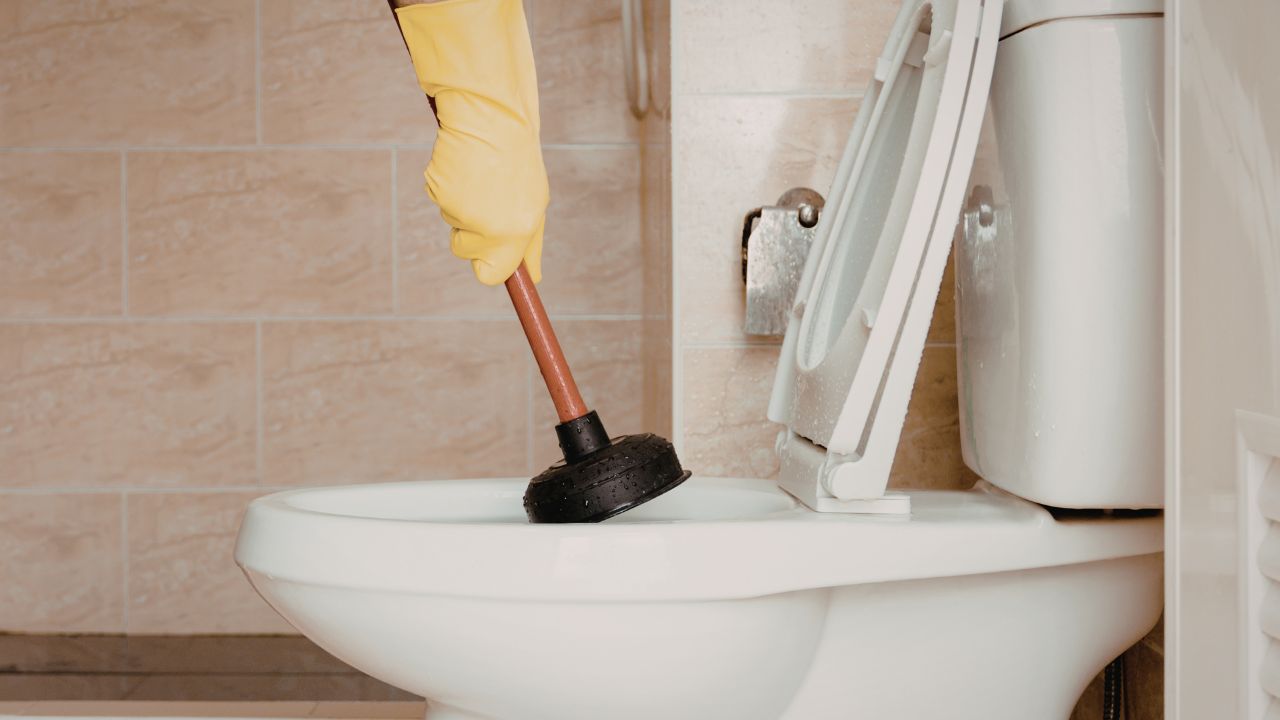
Recurring clogs requiring monthly attention indicate serious underlying problems that DIY methods cannot resolve. Multiple fixtures backing up simultaneously signal main sewer line blockages beyond the scope of household plungers. Visible root masses in toilets or cleanouts confirm tree root intrusion requiring specialized equipment.
Sewage backups into basements demand immediate professional response to prevent health hazards and property damage. Foul odors persisting after attempted DIY cleaning suggest incomplete root removal or damaged pipes.
How Is Tree Root Intrusion Repair Integrating Modern Technologies?
Digital inspection tools provide high-definition video documentation that insurance companies accept as evidence supporting claims. GPS-enabled location tracking pinpoints problem areas within inches, enabling targeted repairs without unnecessary excavation. Advanced hydro jetting equipment includes variable pressure controls that adjust water force based on pipe material and condition.
Trenchless technologies continue advancing with stronger lining materials, faster curing processes, and improved installation techniques. Mobile apps streamline scheduling, payment processing, and service documentation.
What Advances in Trenchless Technology Are Used?
Modern CIPP lining materials cure faster using UV light rather than hot water or steam, reducing installation time from hours to minutes. Pipe bursting equipment breaks old pipes while simultaneously pulling new ones into place with minimal surface disruption. Robotic cutting tools navigate pipes remotely, removing obstacles and preparing surfaces for lining installation.
Epoxy resins formulated specifically for sewer applications resist chemical corrosion and provide smooth interior surfaces that discourage future root attachment. Trenchless methods cost $60-$250 per linear foot but avoid concrete removal and landscaping restoration.
How Do Digital Tools Improve Service Delivery?
Approximately 64% of Millennials prefer digital tools for scheduling appointments and processing payments. Gen Z shows 54% preference for digital platforms, while Gen X demonstrates 58% adoption, and Baby Boomers only 28% digital preference. Online scheduling systems allow customers to book appointments 24/7. Text message updates provide real-time technician arrival notifications.
Digital payment processing eliminates checks and cash transactions, streamlining billing while providing instant electronic receipts. Customer portals store service history, maintenance schedules, and equipment documentation accessible anytime.
What Is the Impact of Urbanization on Repair Solutions?
Urban and suburban areas contribute 35% of the residential sector market value due to higher property density and older infrastructure concentrations. Cities contain aging sewer systems installed decades ago using materials now recognized as vulnerable to root intrusion. Limited space in urban environments makes trenchless repair methods particularly valuable.
Municipal regulations in dense areas impose stricter requirements for repair methods and environmental protection. Higher property values in urban markets justify premium pipe repair options that minimize disruption to expensive landscaping.
Tree Root Intrusion in Sewer Lines: Causes, Detection, and Repair Options
Recognizing tree root intrusion early and selecting appropriate sewer maintenance tips prevents minor problems from escalating into expensive emergencies. Professional video inspection combined with regular hydro jetting provides cost-effective prevention that extends system lifespan. Homeowners should prioritize preventive care over reactive repairs when managing properties with mature trees near underground utilities. Understanding available pipe repair options enables informed decisions, balancing immediate costs against long-term system reliability.
Alpine Plumbing, Heating, and Air serves Southern California homeowners with licensed root removal services backed by 20+ years of collective experience. Professional assessment determines whether simple maintenance suffices or if structural repairs become necessary based on actual pipe conditions. Transparent pricing and rapid response times address customer priorities while maintaining quality standards.
If tree root intrusion threatens your sewer system, contact main sewer line repair specialists for professional inspection and customized solutions that protect your property investment.
Tree Roots Won't Wait - Neither Should You
A slow drain or gurgling toilet might seem minor today, but tree root intrusion moves fast once it starts. The good news: caught early, it's a straightforward fix. Left alone, it becomes an emergency.
Alpine Plumbing, Heating, and Air serves homeowners across Southern California with professional sewer inspections, hydro jetting, and full root removal services — backed by licensed technicians and 20+ years of collective experience. We use high-definition camera inspection to see exactly what's happening inside your pipes, so you get a clear answer and a real plan — not guesswork.
If you have mature trees near your sewer line, or you've noticed any of the warning signs covered in this guide, don't wait for a backup to force the issue. Call Alpine Plumbing, Heating, and Air today for a professional sewer inspection. Honest assessment. Transparent pricing. Fast response.