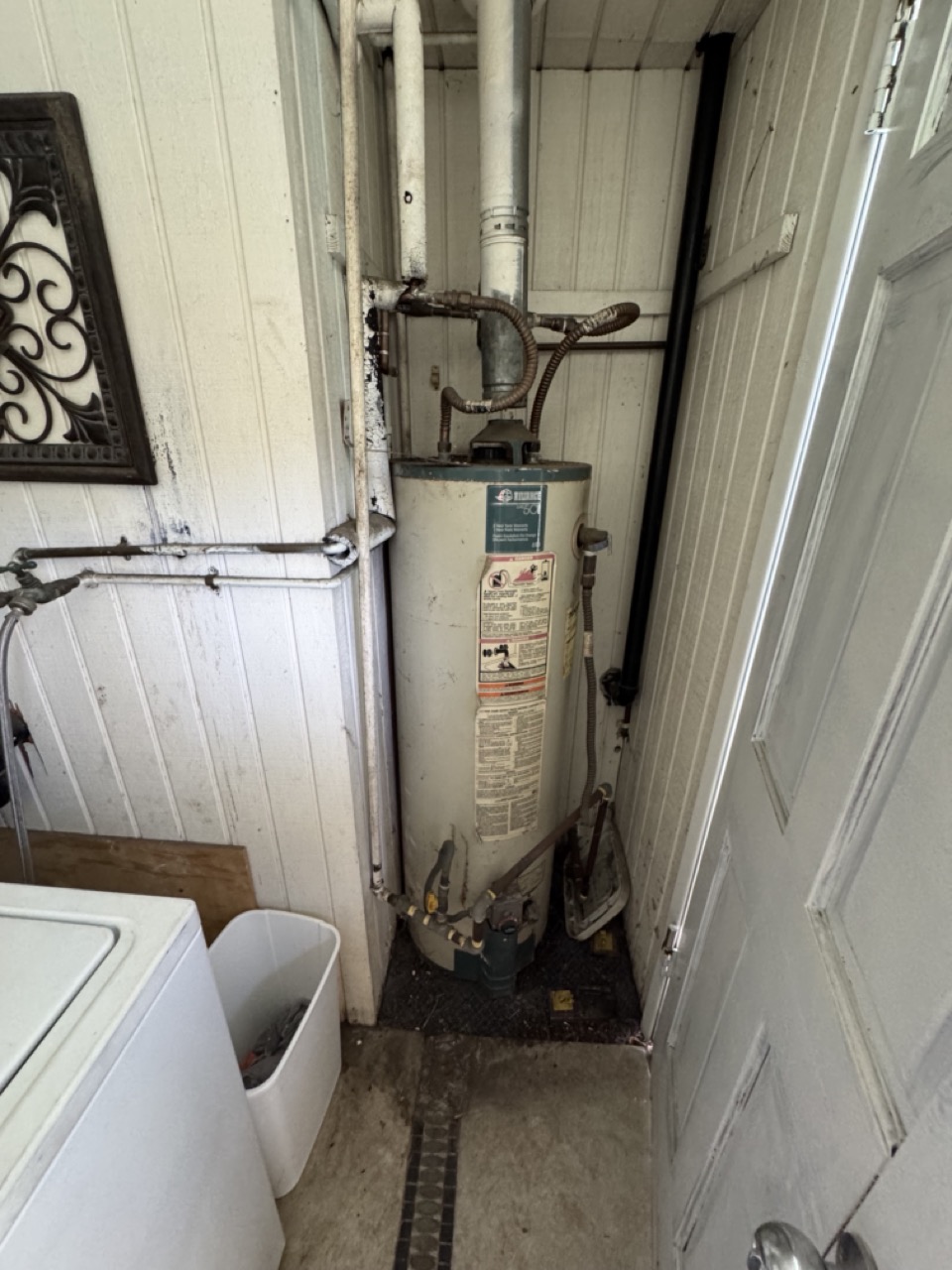
# Water Heater Pilot Light Keeps Going Out
Few household issues are as frustrating as having no hot water from an unreliable water heater pilot light. When your water heater pilot light keeps going out, it can interrupt your daily routine and create additional stress needing to call a reliable plumber. Understanding why this happens and how to fix it can restore your peace of mind and ensure a reliable supply of hot water.
In this guide, we'll explore some common reasons why the pilot light might go out and provide you with a step-by-step approach to troubleshoot and resolve these issues.
Understanding the Pilot Light
The pilot light is a small flame that ignites the gas burner in your water heater. It's an essential component that allows your water heater to function properly. However, when it keeps going out, it can leave you without hot water.
Why Did the Pilot Light Go Out?
There are several reasons why your pilot light may go out. Identifying the root cause is crucial for resolving the issue effectively. Here are some common reasons:
- Faulty Thermocouple: The thermocouple is a safety device that senses when the pilot light is burning. If the thermocouple is dirty or malfunctioning, it may not detect the flame, causing the gas supply to shut off.
- Dirty Pilot Orifice: Over time, debris and dirt can accumulate in the pilot orifice, obstructing the flow of gas and extinguishing the flame.
- Drafts and Airflow Issues: Strong drafts or poor airflow around the water heater can blow out the pilot light.
- Gas Supply Issues: Insufficient gas supply or a problem with the gas valve can prevent the pilot light from staying lit.
- Faulty Gas Regulator: A malfunctioning gas regulator can disrupt the gas flow to the pilot light.
- Internal Tank Leak: When an older water begins to leak it can drip into the burner chamber causing humidity, Leading to the flame being put out.
Troubleshooting the Issue
Step 1: Safety First
Before you start any troubleshooting, ensure your safety:
- Turn off the gas supply to the water heater (Usually the gas shutoff valve at the unit).
- Wait for any gas to dissipate before proceeding.
- Gather necessary tools, such as a screwdriver and multimeter.
Step 2: Inspect the Thermocouple
The thermocouple is a thin metal rod located next to the pilot light. It detects the flame and signals the gas valve to remain open.
- Check for Dirt or Damage: Clean the thermocouple with a fine sandpaper or replace it if it's damaged.
- Ensure Proper Alignment: Make sure the thermocouple is correctly positioned in the pilot flame.
- Test the Thermocouple: Use a multimeter to test for continuity. If there's no continuity, replace the thermocouple.
Step 3: Clean the Pilot Orifice
A clogged pilot orifice can prevent gas from reaching the pilot light.
- Remove the Pilot Assembly: Carefully disconnect the pilot tube from the gas control valve.
- Clean the Orifice: Use a thin wire or needle to remove any debris from the orifice.
- Reassemble the Pilot Assembly: Reattach the pilot tube and ensure all connections are secure.
Step 4: Check for Drafts
Drafts can blow out the pilot light. Inspect the area around your water heater for potential sources of drafts.
- Seal Openings: Ensure windows, doors, and vents near the water heater are closed or properly sealed.
- Install a Draft Shield: Consider installing a draft shield to protect the pilot light from airflow disturbances.
Step 5: Inspect Gas Supply and Regulator
Gas supply issues can prevent the pilot light from staying lit.
- Check the Gas Valve: Ensure the gas valve is fully open and functioning properly.
- Inspect the Gas Line: Look for any kinks or damage in the gas line that may restrict flow.
- Test the Gas Regulator: If you suspect a faulty regulator, contact a professional to assess and replace it if necessary.
- Check Seismic Shutoff: Some homes that have a seismic shutoff may have a tripped valve if it was bumped, or after a minor earthquake.
When to Call a Professional
If you've gone through these steps and the pilot light still won't stay lit, it might be time to call a professional. Complex issues such as internal damage or extensive gas supply problems require expertise that ensures safety and effectiveness.
Preventative Maintenance Tips
To avoid future issues with your water heater pilot light, consider the following maintenance tips:
- Regular Cleaning: Clean the pilot assembly and thermocouple periodically to prevent dirt buildup.
- Annual Inspection: Have your water heater inspected by a professional annually to ensure all components are in good working order.
- Monitor Gas Supply: Regularly check for any gas leaks or obstructions in the gas line.
- Ensure Proper Ventilation: Maintain adequate ventilation around the water heater to prevent drafts and airflow issues.
Conclusion
Dealing with a water heater pilot light that keeps going out can be frustrating, but with the right approach, you can identify the cause and implement a solution. By following these troubleshooting steps and maintaining your water heater, you can ensure a reliable supply of hot water for your home.
Remember, safety is paramount. If you're ever unsure about handling gas appliances, don't hesitate to seek professional help. With a bit of diligence and care, you can tackle this common household issue and maintain your water heater's efficiency for years