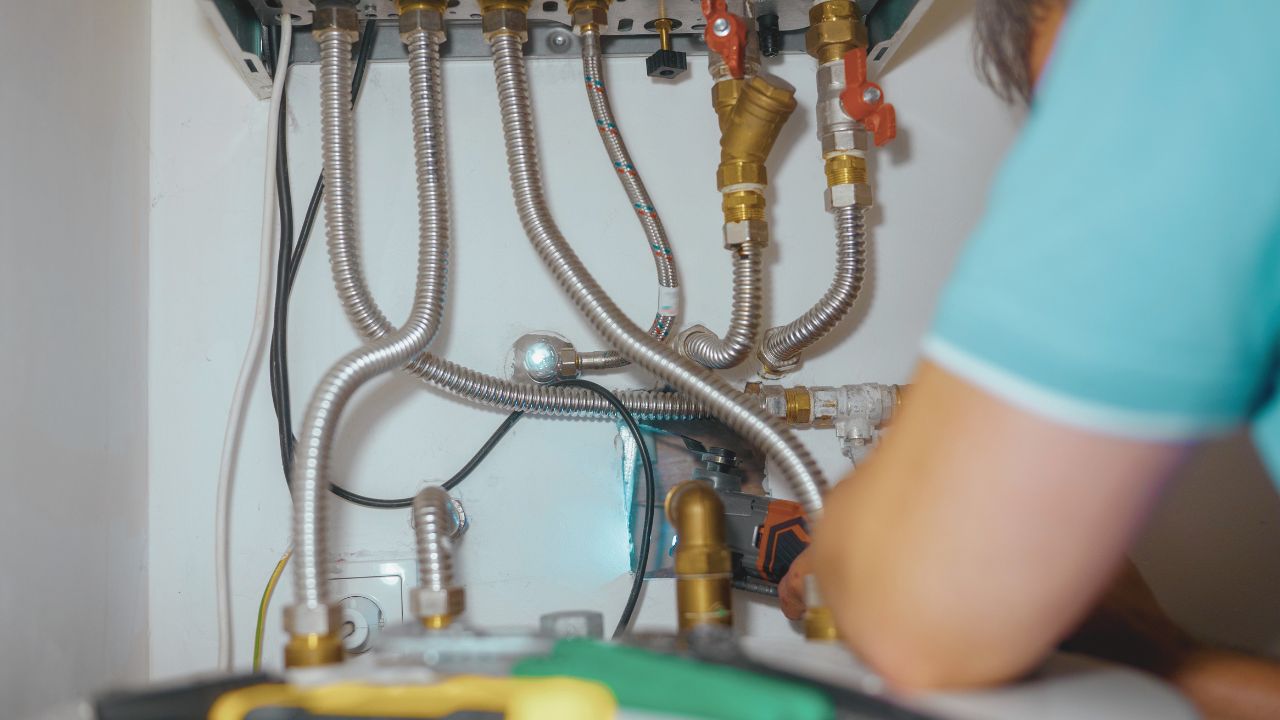
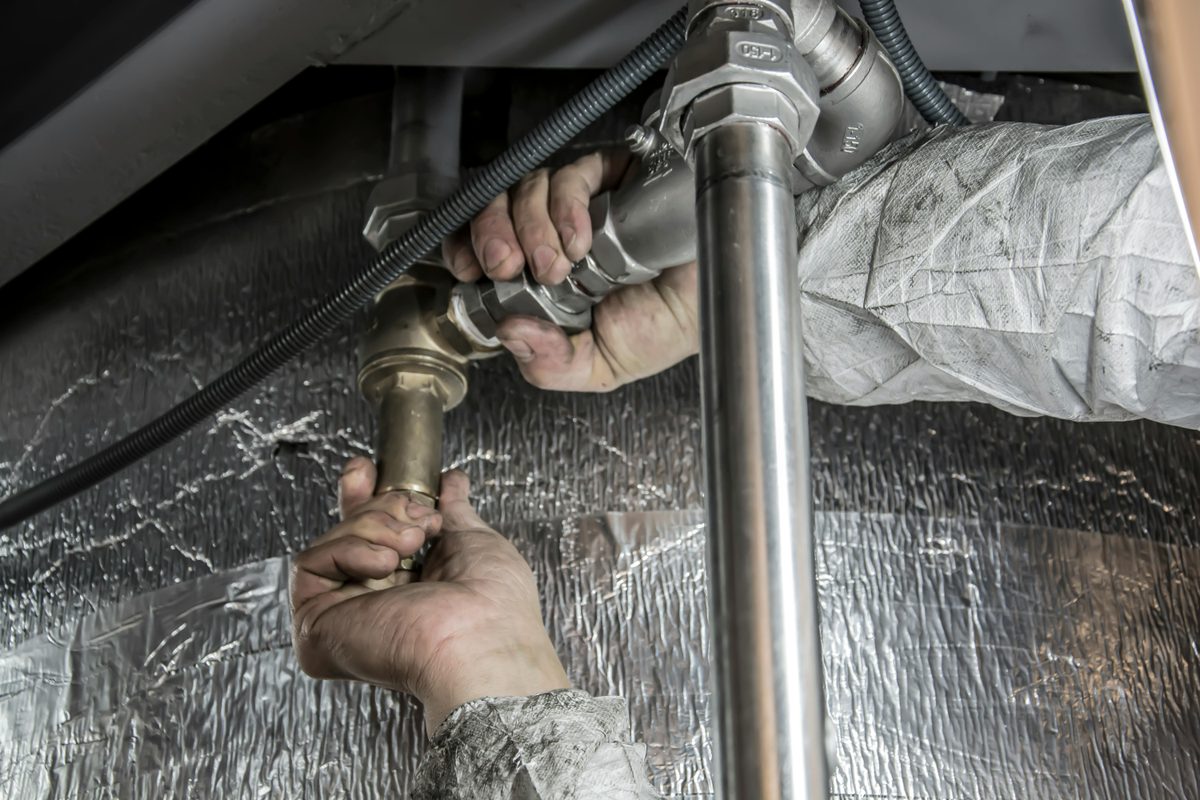
Water heater installation represents a significant home infrastructure decision affecting daily comfort and long-term operating costs. California homeowners face a growing range of system types, each with distinct installation requirements, upfront pricing, and preparation steps that influence project success and timeline.
The water heater installation process varies substantially depending on whether you choose a conventional tank, tankless system, or heat pump model. Understanding what to expect when installing water heater equipment helps homeowners prepare adequately, avoid complications, and make informed technology choices aligned with household needs and budget.
Key Takeaways
- Tank systems remain the most common choice at 72.3% of California purchases
- Heat pump water heaters offer the highest efficiency, but require electrical and space preparation
- Emergency replacements account for 46% of California installer projects, limiting technology choices
- Installation costs in San Dimas range from $800-$1,500 for tanks to $3,600-$6,500 for heat pumps
- Permit requirements, code upgrades, and location challenges significantly impact project scope and timeline
What Are the Main Types of Residential Water Heaters?
Tank systems dominate California's residential market at 72.3% of recent purchases. Tankless systems represent 15.6%, while heat pumps claim 11.3%, and solar thermal accounts for 0.6%. Research shows 52% of California homeowners replaced their existing water heater with the same type, reflecting familiar technology during emergency decisions.
Each system type offers distinct advantages and involves different installation complexity for water heaters based on the existing home infrastructure. Tank systems provide the simplest replacement path and the lowest upfront cost. Tankless and heat pump systems require more extensive preparation but deliver long-term operating benefits.
How Do Conventional Tank Water Heaters Work and Who Uses Them?
Conventional tank water heaters store 30 to 80 gallons of hot water in an insulated reservoir with gas or electric heating elements. The system continuously maintains water temperature, providing reliable hot water on demand but consuming standby energy even when no fixtures are running. Tank models offer the fastest installation timeline and widest contractor availability, ideal for emergency replacements where speed and budget drive decisions.
These systems work best for households prioritizing upfront affordability and simple like-for-like replacements without infrastructure changes. Typical San Dimas tank replacement requires minimal preparation beyond access clearance, permit scheduling, and verification of existing gas or electrical connections. Most installations are complete within a single day when replacing an existing tank in the same location without code-triggered upgrades.
What Are the Benefits and Considerations of Tankless Water Heaters?
Tankless water heaters eliminate storage tanks by heating water instantly as it flows through the unit's heat exchanger. Gas tankless models dominate the California market due to their ability to serve whole-home demand with continuous hot water output. These systems require proper gas line sizing, adequate combustion air, and appropriate venting configurations that often exceed existing infrastructure capacity.
Main benefits include space savings, longer equipment lifespan, and unlimited hot water during high-demand periods. However, tankless water heater installations frequently involve gas meter upgrades, new venting runs, and wall-mounting reinforcement that increases project cost beyond equipment pricing. Emergency buyers often avoid tankless systems due to extended installation timelines and complexity.
Why Are Heat Pump Water Heaters Growing in Popularity?
Heat pump water heaters are hybrid electric tank systems that extract heat from ambient air rather than generating it through combustion or resistance elements. These systems deliver the highest energy efficiency among mainstream residential water heaters, reducing operating costs by 50% or more compared to conventional electric tanks. HPWHs currently represent 3% to 5% of California's annual sales but are gaining market share driven by policy incentives, utility rebates, and decarbonization goals.
Growth stems from California's push toward electrification and alignment with statewide emissions reduction targets. Successful installation requires adequate air volume, ambient temperatures typically above 38°F, electrical service upgrades in most gas-to-HPWH conversions, and condensate drain provisions. Many San Dimas garages and utility rooms provide suitable conditions, but confined closet installations often fail to meet clearance and air-volume requirements.
When Is a Solar Thermal Water Heater Suitable?
Solar thermal water heaters use roof-mounted collectors to capture sunlight and heat water circulating through a storage tank with backup heating. A typical home system with two collectors costs approximately $4,000, with pricing structured around $100 per square foot of collector area. These systems deliver the lowest long-term operating costs but require favorable roof orientation, adequate sun exposure, and structural capacity for collector mounting.
Solar thermal suitability depends on homeowner commitment to sustainability, willingness to manage system complexity, and patience for extended payback periods. Most California installations incorporate backup gas or electric heating to ensure hot water availability during cloudy periods. The technology remains niche at 0.6% of state purchases, appealing primarily to environmentally motivated buyers with ideal site conditions and long ownership horizons.
What Are the Key Considerations Before Installation?
Preparing for a water heater install begins with understanding how different system types interact with your home's existing infrastructure and local code requirements. The water heater installation process differs significantly between simple tank-to-tank replacements, tankless conversions requiring gas or venting upgrades, and heat pump installations involving electrical modifications. Emergency replacements account for 46% of California installer projects, while planned replacements represent 43%, illustrating how timing pressure influences technology decisions.
Home water heater installation tips emphasize early contractor assessment of site conditions, permit requirements, and potential hidden costs before committing to a system type. Households with adequate preparation time should request detailed installation scopes covering equipment removal, code compliance updates, utility modifications, and final inspection timelines.
What Should Homeowners Prepare for a Tank-to-Tank Replacement?
Tank-to-tank replacements appear straightforward but often reveal hidden compliance requirements during contractor assessment and permit review. Existing systems installed before current code cycles may lack required seismic strapping, expansion tanks, code-compliant venting, or proper shutoff valve configurations. Local building departments typically require these upgrades during permitted replacements, even when swapping a tank in the same location.
Aged components such as gas shutoff valves, water supply lines, and expansion tanks frequently need replacement during installation due to corrosion or code obsolescence. Signs it's time for replacement include leaking connections, visible rust, or systems older than 10 years. Homeowners should photograph existing installations, clear access paths, and discuss potential upgrade triggers with contractors during initial site visits.
How Does Tankless Conversion Impact Installation Complexity?
Tankless conversions introduce substantial complexity beyond equipment cost, particularly when replacing conventional tanks with whole-home gas tankless systems. Gas line sizing represents the most common underestimated challenge, as tankless units require significantly higher instantaneous gas flow than storage tanks. Many homes need gas meter upgrades, new larger-diameter supply lines, or pressure testing to verify adequate delivery capacity.
Venting requirements also exceed tank system standards, typically requiring stainless steel Category III or IV venting with specific clearances and termination locations. Wall-mounting preparations include structural reinforcement, appropriate height positioning for service access, and integration with existing plumbing layouts. Contractors experienced with tankless installations should provide detailed scopes covering gas, venting, and labor complexity to ensure accurate cost expectations.
What Special Preparations Are Needed for Heat Pump Installations?
Heat pump water heater installations require careful preparation of electrical infrastructure, installation space, and condensate management systems. Gas-to-HPWH conversions typically involve an electrical scope, as most homes need 240V/30A dedicated circuits installed by licensed electricians before plumbing contractors can complete water connections. Even 120V plug-in models require verified outlet capacity and proper circuit protection that older homes may lack.
Equipment location critically affects HPWH performance and household comfort. Poor installation placement leads to noise complaints, inadequate air volume, and reduced efficiency. Ideal locations include garages, basements, or large utility rooms with ambient temperatures staying above 38°F year-round and sufficient clearance for service access. Installations also require condensate drain lines routed to approved disposal points.
How Does Installation Differ by Location and Setup?
Installation location determines project complexity, code compliance requirements, and long-term system performance more than any other single factor. The water heater install checklist must address space dimensions, clearance requirements, venting paths, floor protection, and service access before selecting a system type or finalizing contractor agreements. California building codes mandate specific safety and operational standards that vary by installation setting.
San Dimas homeowners typically install water heaters in garages, utility closets, or outdoor alcoves, each presenting distinct challenges. Garage installations offer the most flexibility for heat pump upgrades due to air volume and electrical access, while closet installations prioritize compact equipment and simplified venting.
What Are the Challenges of Closet or Confined-Space Installations?
Closet installations present space constraints that limit equipment options and complicate service access throughout the system's operational life. Confined spaces restrict contractor movement during installation, making precise measurements and clearance verification essential before equipment delivery. Many closets cannot accommodate heat pump water heaters due to insufficient air volume, inadequate clearance around compressor components, or noise transmission to adjacent living spaces.
Serviceability issues emerge when closets provide minimal working room, complicating routine maintenance such as anode rod replacement, element service, or leak repairs. Code requirements for combustion air, venting clearances, and electrical access become particularly restrictive in confined spaces. Homeowners should verify that proposed equipment meets manufacturer-specified clearances and that contractors can physically maneuver units through doorways into final positions.
How Are Garage Installations Managed for Water Heaters?
Garage installations offer significant advantages for heat pump water heater retrofits due to larger air volumes, easier electrical access, and fewer noise concerns. California code requires water heaters in garages to sit on 18-inch platforms when installed in areas where vehicles park, protecting equipment from gasoline vapor ignition risk. Professional installation services ensure proper elevation, seismic strapping, and clearance compliance during garage installations.
Homeowner storage conflicts frequently emerge in garages, as accumulated belongings restrict access to water heaters and violate clearance requirements for safe operation. Contractors need a clear working space extending 30 inches around equipment during installation and adequate clearance for future service access. Seasonal temperature swings in garages can affect heat pump performance in extreme summer heat, though most San Dimas installations maintain acceptable operating conditions year-round.
When Are Permits Required and What Code Compliance Matters?
San Dimas requires building permits for water heater replacement, relocation, and new installations, regardless of system type or equipment value. Permit requirements ensure code compliance covering seismic safety, proper venting, electrical connections, gas piping, and final inspection approval. Separate electrical permits become necessary when installation involves circuit modifications, panel upgrades, or new dedicated circuits for heat pump water heaters.
Code compliance matters extend beyond basic installation to include expansion tank sizing, temperature-pressure relief valve discharge piping, combustion air provisions for gas appliances, and proper condensate drainage. Inspection failures frequently result from inadequate documentation, missing safety components, or installation details that deviate from approved plans. Licensed contractors familiar with local code requirements should obtain permits and coordinate inspections.
What Are the Typical Pricing Tiers and Cost Factors in Installation?
California's residential installed water-heater market is estimated at approximately $2.06 billion in 2026, based on annual sales of roughly 800,000 units statewide. The market is projected to reach about $2.62 billion by 2031, growing at a 4.98% compound annual rate driven by replacement demand, policy-driven technology shifts, and ongoing residential development.
Pricing tiers vary significantly by system type, installation complexity, and whether projects involve emergency replacements or planned upgrades. Los Angeles area averages provide useful benchmarks, with typical replacement costs around $1,740, ranging from $775 for basic tank swaps to over $6,500 for premium heat pump installations with electrical modifications.
How Do Costs Vary Between Tank, Tankless, and Heat Pump Systems?
Tank system installation costs in Los Angeles typically range from $775 to $3,275, depending on capacity, fuel type, and efficiency ratings. Standard 40- to 50-gallon tanks cluster in the $1,200 to $2,500 range for straightforward replacements without major code upgrades. Premium tank models with extended warranties, higher efficiency, and advanced controls push costs toward the upper range.
Tankless installed costs range from $1,850 to $5,100, with most whole-home gas tankless installations falling between $2,800 and $4,500 when including necessary gas line upgrades and venting modifications. Heat pump water heater installed costs span $3,600 to $6,500, with gas-to-electric conversions typically requiring electrical work that places most projects in the $4,500 to $6,000 range. These premium systems appeal to planned replacements where homeowners prioritize long-term operating savings.
What Installation Factors Influence the Overall Price?
Emergency replacements versus planned replacements fundamentally shape project cost and system selection patterns in California's water heater market. Emergency replacement refers to unplanned water heater replacement due to system failure, typically occurring with minimal preparation time and strong pressure to restore hot water service quickly. Planned replacement describes scheduled water heater replacement before system failure, allowing thorough research, multiple contractor bids, and consideration of advanced technology options.
Installation factors influencing price include removal and disposal of existing equipment, permit fees, code-required upgrades, gas line modifications, electrical work, venting changes, access challenges, and contractor labor rates. Projects requiring leak detection services before installation or addressing hidden water damage add scope beyond standard replacement costs. Material price fluctuations, seasonal demand peaks, and contractor availability also affect final pricing.
How Does San Dimas Market Context Affect Pricing Expectations?
San Dimas pricing follows broader Los Angeles County patterns with local adjustments for contractor availability, permit processing timelines, and community-specific factors. Tank water heaters in San Dimas typically cost $800 to $1,500 for standard residential installations, while tankless systems range from $1,500 to $3,500, depending on capacity and installation complexity. High-efficiency models span $2,000 to $4,000, and complete replacement installations generally fall between $1,200 and $3,500 for conventional systems.
These ranges reflect San Dimas's suburban housing characteristics, including typical garage or utility room installations, moderate permitting requirements, and good contractor access. The city's 72.4% owner-occupancy rate and median household income above $105,000 support a market where planned replacements and efficiency upgrades occur more frequently than in lower-income areas. Financing options help homeowners manage larger upfront investments in heat pump or tankless systems, spreading costs over time while capturing immediate performance benefits.
Who Should Choose Each Water Heater Type Based on Decision Criteria?
Technology selection depends on household priorities, including upfront budget constraints, operating cost sensitivity, hot water usage patterns, and alignment with electrification goals. Survey research indicates that California buyers respond most strongly to reliability, utility savings, energy efficiency, ease of installation, and installer availability when evaluating water heater options.
Each system type serves distinct buyer profiles, with decision frameworks built around simultaneous fixture demand, existing utility infrastructure, installation space availability, and ownership timeline. Short-term homeowners prioritize the lowest upfront cost and fastest installation, while long-term residents can capture operating savings from premium efficiency systems.
How Does Upfront Cost Influence Emergency Replacement Choices?
Emergency replacement scenarios heavily favor conventional tank water heaters due to immediate availability, familiar installation procedures, and predictable project costs. Buyers facing unexpected system failures prioritize rapid hot water restoration over long-term operating savings or efficiency optimization. Budget pressure intensifies during emergencies, making the $1,200 to $2,500 installed cost of standard tanks far more accessible than the $4,000 to $6,500 heat pump alternatives.
Contractor availability also constrains emergency technology selection, as most plumbing services maintain a ready inventory of conventional tanks but order tankless and heat pump systems on a project-specific basis. Installation timeline differences become critical when families need functioning hot water within hours rather than days or weeks. These emergency dynamics explain why 52% of California homeowners replace existing water heaters with the same type.
Which Buyers Prioritize Endless Hot Water or Energy Savings?
Buyers prioritizing endless hot water and space efficiency gravitate toward tankless systems, particularly in households with morning shower overlaps or large families. Tankless technology eliminates storage capacity limitations, providing continuous hot water as long as demand stays within unit capacity and gas supply remains adequate. The systems appeal to homeowners who value premium comfort, have adequate budgets for higher upfront costs, and can accommodate gas line or venting modifications.
Energy savings drive planned replacements toward heat pump water heaters among buyers focused on long-term operating costs and electrification alignment. Regular maintenance schedules help maximize efficiency and equipment lifespan across all system types. Heat pumps deliver the highest efficiency ratings available, reducing utility bills by 50% or more compared to conventional electric tanks while eliminating natural gas combustion and associated emissions.
How Do Electrification and Emissions Goals Affect Selection?
California's decarbonization policy and growing electrification awareness increasingly influence water heater selection among environmentally conscious homeowners and those responding to utility incentive programs. Heat pump water heaters align with state goals to reduce building emissions, electrify residential systems, and improve overall energy efficiency. Incentive programs, rebates, and low-interest financing options help offset the technology's higher upfront cost, making heat pumps financially competitive when evaluated on total cost of ownership.
Emissions reduction becomes particularly relevant for homeowners planning long-term residence, pursuing whole-home electrification, or installing solar photovoltaic systems that offset HPWH electricity consumption. The technology's environmental benefits extend beyond greenhouse gas reduction to include indoor air quality improvements from eliminating gas combustion appliances. These factors appeal to San Dimas households with above-average incomes and strong community sustainability values.
What Market and Demographic Trends Influence Water Heater Choices?
Market and demographic patterns shape water heater preferences through factors including household size, homeowner age, income levels, housing tenure, and regional awareness of advanced technologies. California research shows that heat pump water heater awareness varies significantly across housing segments and geographic regions, with 50% of residential decision makers reporting familiarity with the technology. Awareness reaches 51% among single-family homeowners but drops to 39% among mobile home residents.
Regional differences also appear, with coastal California showing 51% HPWH awareness compared to 47% inland, and county-level variation ranging from 74% in San Francisco to 19% in Ventura County. These patterns suggest that local contractor ecosystems, utility program visibility, and community adoption influence technology familiarity.
How Does San Dimas Demography Shape Installation Needs?
San Dimas demonstrates demographic characteristics that support both conventional tank replacements and planned upgrades to advanced systems. The city's 72.4% owner-occupancy rate creates a market where long-term investment decisions make economic sense. The 2.75 persons per household average suggests that most San Dimas homes fit comfortably within 40- to 50-gallon tank sizing or 50- to 65-gallon heat pump planning ranges.
The 20.3% of residents age 65 and older influences preferences toward reliable, proven technology with straightforward operation and minimal maintenance complexity. Median household income above $105,000 indicates the capacity to consider premium systems when benefits justify higher initial costs, though emergency situations still constrain technology selection regardless of income level.
How Do Urban and Suburban Settings Impact Water Heater Types?
Urban California settings tend to favor tankless systems and compact high-efficiency tanks due to space constraints in smaller homes, condominiums, and properties with limited mechanical room square footage. Multifamily buildings face additional complexity from shared venting systems, centralized equipment locations, and property management decision structures. Noise concerns become more significant in urban settings where equipment proximity to living spaces and shared walls amplifies operational sound.
Suburban markets such as San Dimas typically offer better physical accommodation for heat pump water heaters, with garage installations providing adequate air volume, electrical access, and separation from occupied spaces. Single-family homes in suburban settings more easily absorb installation scope for gas line upgrades, dedicated electrical circuits, or venting modifications needed for tankless conversions.
Water Heater Installation in San Dimas: Expectations and Preparation Essentials
Successful water heater installation in San Dimas depends on thorough preparation, appropriate system selection, and realistic expectations about project scope and timeline. Homeowners should begin preparation by assessing household hot water needs, evaluating existing utility infrastructure, identifying installation space constraints, and determining whether emergency timing or planned scheduling drives the decision. Understanding these factors before contractor engagement leads to better technology choices, more accurate cost estimates, and fewer unexpected complications.
Professional installation ensures code compliance, proper system operation, and warranty protection that DIY projects cannot match. Licensed contractors bring expertise in local permit requirements, safety standards, and installation best practices that protect homeowner investments. Alpine Plumbing, Heating, and Air provides comprehensive installation services across San Dimas and the broader San Gabriel Valley, helping families navigate system selection, preparation requirements, and installation logistics with transparent communication and expert guidance.
Planning a Water Heater Installation? Let Alpine Make It Simple.
Choosing the right water heater — and preparing your home for installation — is a big decision, whether you're weighing a tankless upgrade, a heat pump replacement, or a same-day emergency swap. Alpine Plumbing, Heating, and Air is here to walk you through every option with honest pricing, clear timelines, and no pressure.
Our licensed technicians review your current setup, explain what preparation your home actually needs, and help you choose the system that fits your household, budget, and long-term energy goals. As a family-owned team serving San Dimas and more than 20 cities across Southern California since 2017, we handle the permits, the prep, and the install — so you can get back to reliable hot water without the stress.
Contact Alpine Plumbing, Heating, and Air today for a free estimate on your water heater installation. Expert advice, fair pricing, and peace of mind from a team that treats your home like our own.