Multiple fixtures showing symptoms simultaneously indicate a main sewer line problem requiring immediate professional diagnosis
Early detection through video camera inspection saves thousands by pinpointing exact problems before catastrophic failures
California-specific factors, including seismic activity and tree roots, make regular sewer inspections especially critical
Trenchless repair technologies provide 50-100-year solutions at a lower total cost than traditional excavation
Pipe material determines risk: clay (50-60 years) faces the highest root intrusion risk, cast iron (30-50 years) suffers severe corrosion, and PVC (100+ years) offers superior longevity
Your toilet communicates critical information about your home's sewer system health, if you know how to listen. That occasional gurgle, repeated clog, or slow flush isn't just an annoyance; it's often your first warning that a serious sewer line problem is developing beneath your property. For California homeowners, where seismic activity, expansive soils, and mature tree roots create unique plumbing challenges, recognizing these early warning signs can mean the difference between a $500 cleaning and a $20,000 emergency excavation.
This guide decodes what your toilet is trying to tell you about your sewer line's condition, helping you distinguish between simple clogs and systemic failures that demand professional intervention.
How Is Your Toilet Connected To The Main Sewer Line?
Your toilet sits at the frontline of your home's wastewater system. Understanding this connection helps you recognize when problems extend beyond a simple clog in your main sewer line.
How Does Waste Move From The Toilet Into The Sewer Line?
Your toilet connects to a vertical drain pipe called a soil stack. When you flush, gravity pulls waste through a curved trap that maintains a water seal, preventing sewer gas from entering your home. The waste travels down the soil stack into your home's main drain line, which slopes toward the street connection and flows into the municipal sewer system or septic tank.
Why Do Sewer Line Problems Often Show Up At The Toilet First?
Toilets are the lowest, largest-diameter fixtures in most homes, sitting directly above the main drain line. When a blockage forms downstream, wastewater backs up to the lowest point, your toilet. Other fixtures may drain temporarily past a partial obstruction, but the toilet's high-volume flush immediately reveals the restriction.
How Is A Simple Toilet Clog Different From A Sewer Line Problem?
Characteristic
Simple Toilet Clog
Sewer Line Problem
Number of affected fixtures
Only the clogged toilet
Multiple drains throughout the home
Typical symptoms
Toilet won't flush; nearby fixtures work normally
Slow drainage, backups, or gurgling across several fixtures
Location of blockage
In the toilet trap or within 3 feet
In the main sewer line, 10-50+ feet from the house
DIY-fixability
Usually cleared with a plunger
Requires professional equipment
Urgency
Moderate; one bathroom out of service
High; risk of sewage backup throughout the home
What Are The Main Toilet Warning Signs Of A Sewer Line Problem?
Your toilet provides the clearest signals when your sewer line is compromised. Recognizing these sewer warning signs early can prevent catastrophic backups and expensive emergency repairs.
Why Does Your Toilet Keep Backing Up Or Overflowing?
Sewage backs up into the toilet bowl after flushing, sometimes overflowing onto the bathroom floor, indicating a complete blockage requiring immediate professional attention
Multiple fixtures back up simultaneously when you flush, such as water appearing in the tub drain, signaling a systemic issue in the main sewer line
Backups occur even after successful plunging, suggesting the obstruction is in the shared sewer lateral
The toilet overflows when running water elsewhere, revealing that the main line cannot handle normal household flow
What Do Gurgling Or Bubbling Sounds From The Toilet Mean?
Gurgling noises coming from the toilet, sink, or shower drain (especially after flushing or running water) indicate trapped air in the sewer line, often caused by a partial blockage impeding proper flow and venting
The toilet bubbles when you run the bathroom sink or shower, showing displaced air is being pushed back through the toilet's trap seal
Multiple drains gurgle simultaneously, confirming the problem originates in the shared main sewer line. These toilet gurgling and backups require professional drain and sewer services
Why Is Your Toilet Flushing Slowly Or Weakly Again And Again?
The toilet flushes with weak pressure, indicating restricted flow caused by buildup, root intrusion, or a developing blockage
California water conservation efforts have led to reduced water flow in sewer lines, which can result in higher concentrations of solids, grease, and debris, increasing clog frequency in older systems
Slow flushing accompanies gurgling sounds or foul odors, pointing to a partial blockage trapping air and sewage gases
The problem affects all toilets in your home, confirming a main line restriction
What Do Constantly Changing Toilet Water Levels Indicate?
Water levels that are consistently too low or too high, or that fluctuate randomly can indicate a pressure imbalance or partial vacuum caused by a blockage or break in the line
Water level changes when other fixtures drain, demonstrating inadequate venting or a restriction creating pressure changes throughout the system
What Do Sewer Or Rotten Egg Smells Around The Toilet Or Bathroom Mean?
Persistent sewage smells emanating from drains or the yard suggest a blockage is trapping gases or a crack in the sewer line is allowing sewer gas to escape, requiring a proper sewer odor diagnosis
Foul odors that worsen after flushing or running water, revealing sewer gases are being forced back through fixture traps
Sewage smell appears in multiple bathrooms simultaneously, confirming the odor source is the main sewer line
What Does Waste Or Dirty Water Backing Up Into The Tub Or Shower Mean?
When sewage or wastewater backs up into bathtubs or showers, it's a clear sign of a severe or complete blockage in the main line requiring immediate professional attention
This represents a systemic issue in the main sewer line as opposed to a localized clog in a single fixture's trap
Dark, foul-smelling water appears in the tub after flushing the toilet, demonstrating that wastewater has no path forward
How Can You Tell If It Is Just the Toilet Or The Main Sewer Line?
Distinguishing between a simple toilet clog and a main sewer line problem saves time and prevents improper DIY attempts.
What Signs Suggest The Problem Is Limited To One Toilet Or Drain?
Only the affected toilet shows symptoms, while all other fixtures drain normally
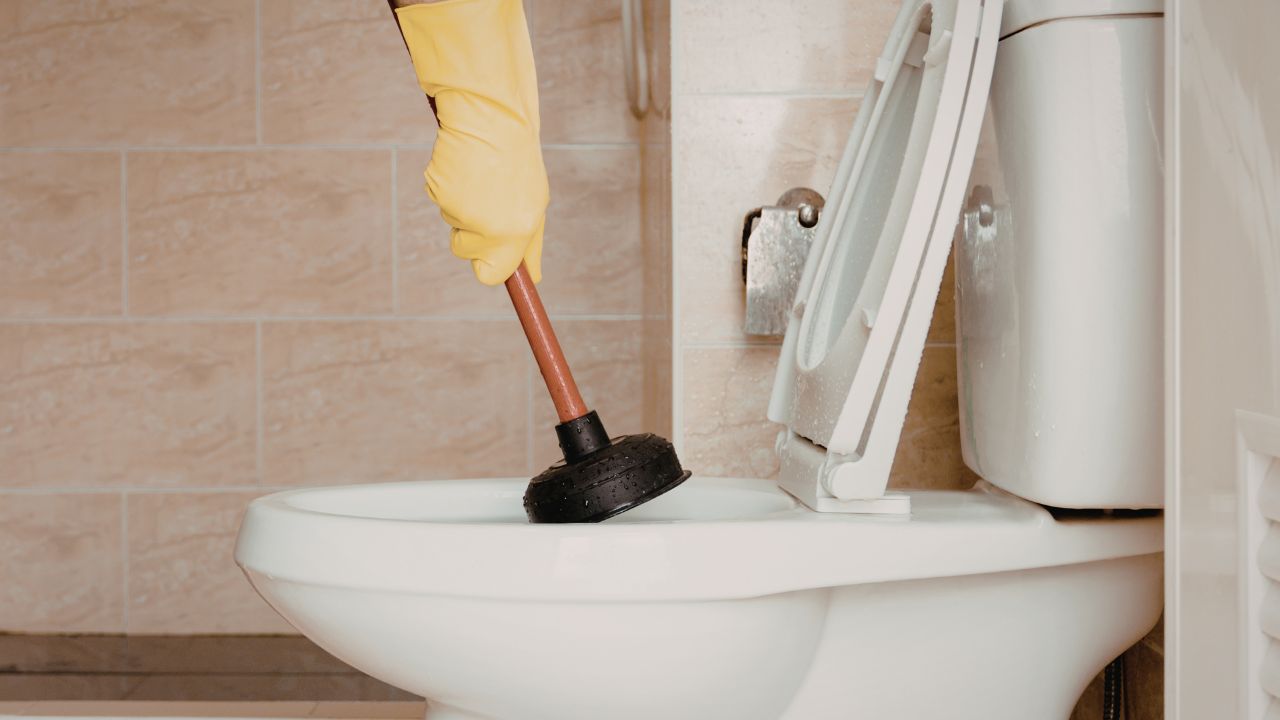
You can clear the problem temporarily with a plunger
No gurgling or slow drainage occurs in nearby sinks, tubs, or showers
What Signs Point To A Deeper Main Sewer Line Blockage?
Multiple fixtures (e.g., all bathroom drains, kitchen sink) draining slowly at the same time is a strong sign of a systemic issue in the main sewer line
Running water in upper-level fixtures causes backups in lower-level drains
Every plumbing fixture in your home shows symptoms simultaneously; these slow drains house-wide indicate serious main line problems
How Do Patterns Across Multiple Fixtures Help You Pinpoint The Source?
Fixture Pattern
Most Likely Location
Action to Take
Only one toilet
Toilet trap or dedicated drain pipe
Use a plunger or toilet auger
Toilet + tub/shower in same bathroom
Shared bathroom drain line
Call a plumber to snake the branch line
All lower-level fixtures
Main sewer line blockage
Schedule immediate professional service
Whole house drains slow
Severe main line blockage/collapse
Emergency plumbing service required
When Does Outdoor Standing Water Or A Full Cleanout Signal Sewer Trouble?
Unusually green, fast-growing, or wet patches of grass in the yard above the sewer line indicate a leak where wastewater is fertilizing the soil
Opening the cleanout produces immediate sewage overflow, confirming the main line is completely blocked
What Steps Should You Take When Your Toilet Shows Sewer Line Warning Signs?
Step 1: What Immediate Safety Precautions Should You Take?
Stop using all plumbing fixtures immediately to prevent worsening the backup
Keep children and pets away from affected areas
Wear rubber gloves, boots, and eye protection if entering areas with sewage exposure
Ventilate the space by opening windows and doors
Step 2: How Should You Check Other Drains And Fixtures?
Test every drain in your home systematically, observing drainage speed
Flush each toilet once while listening for gurgling sounds in nearby drains
Note which fixtures are affected and their locations
Inspect your yard for wet spots or unusually green grass patches
Step 3: When Should You Stop DIY Efforts And Call A Professional?
Multiple drains are affected simultaneously
Sewage backs up into your home through toilets, tubs, or floor drains
A sewer scope inspection, especially at the first sign of a slow drain, can save a homeowner tens of thousands of dollars by identifying problems before they escalate
Professional inspection allows pinpointing the exact location and nature of the problem, be it a root ball, crack, or offset joint
What Problems In The Sewer Line Are Toilet Warning Signs Hinting At?
How Do Tree Roots In The Sewer Line Cause Toilet Gurgling And Backups?
Tree root intrusion is a major and widespread problem, especially in established neighborhoods. Roots are drawn to water and nutrients leaking from pipe joints, infiltrating the line and causing blockages. Your pipe material determines root intrusion risk: clay pipes have the highest vulnerability (5 out of 5) with a 50-60 year lifespan, cast iron has medium risk (3 out of 5) with 30-50 years, while PVC has the lowest risk (1 out of 5) with over 100 years of service.
How Do Grease, Wipes, And "Un-Flushables" Build Up And Block The Line?
Cooking grease and fats solidify in pipes, coating walls, and creating blockages
"Flushable" wipes don't disintegrate and form dense clumps
California's reduced water flow from state-mandated water conservation can result in higher concentrations of solids, grease, and debris, increasing clog frequency
How Do Sagging Or "Bellied" Pipes Lead To Recurring Toilet Issues?
California's active seismic zones and expansive clay soils cause ground movement that shifts buried pipes. This movement leads to shifting, cracking, and separation of joints in older, rigid pipes like clay and cast iron. When sections settle lower, they create bellies where wastewater pools and debris accumulates.
How Can Cracked, Collapsed, Or Offset Pipes Show Up As Toilet Symptoms?
Ground movement from seismic activity creates entry points for roots and potential pipe collapse in older pipes
Cast iron pipes have the highest corrosion and deterioration risk (5 out of 5)
Cracks or breaks in the sewer line allow sewer gas to escape, causing persistent sewage smells
How Do Plumbers Diagnose Sewer Line Problems When Toilets Act Up?
How Does A Plumber Use Questions And Visual Inspection?
"When did symptoms first appear, and have they gotten worse?" helps determine if the problem is sudden or progressive
"Which fixtures are affected, and do they all show symptoms at the same time?"
"What's the age of your home and the pipe material?" identifies high-risk systems
How Do Sewer Cameras And Locators Help Confirm What Your Toilet Is "Saying"?
Video camera (sewer scope) inspection is the gold standard for diagnosis, providing a live, non-invasive view of the pipe's interior
Pinpoint accuracy eliminates guesswork, allowing for targeted, minimal-dig repairs
Informed decision-making based on visual data to choose the most cost-effective repair method
Preventative maintenance opportunities are revealed when cameras identify minor issues before they cause major failures
How Are Toilet-Related Sewer Line Problems Usually Fixed?
When Do You Need Spot Repairs, Pipe Lining, Or Sectional Replacement?
Method
Best For
Pros
Cons
Traditional Repair (Excavation)
Small, isolated spot repairs
Direct access to problem area
Requires extensive digging, damaging landscaping
Trenchless Pipe Lining (CIPP)
Moderate damage without collapse
Creates new, seamless pipe inside old one; 50-100 year lifespan
Not suitable for collapsed pipes
Trenchless Pipe Bursting
Full replacement needed
Pulls new pipe through while destroying old one; 50-100 year lifespan
Requires two small access pits
When Is Full Sewer Line Replacement The Only Long-Term Solution?
Older pipe materials reach a point where repeated repairs become more expensive than replacement. Cast iron pipes with 30-50 year lifespan often suffer severe corrosion by age 40. Clay pipes lasting 50-60 years experience widespread joint separation. Modern PVC pipes offer over 100 years of service with minimal root intrusion and corrosion risk.
Civil engineers and plumbers recommend trenchless technologies as the best long-term solution for California homes, minimizing property disruption while providing superior durability.
How Much Do Toilet-Related Sewer Line Repairs Typically Cost?
What Factors Have The Biggest Impact On Sewer Line Repair Costs?
In California, labor and landscaping costs are high, making the repair method a major cost factor
Length of the sewer line affects total cost, as pricing is typically based on linear footage
The repair method chosen significantly impacts the overall expense
How Do Cleaning, Spot Repair, And Full Replacement Compare In Price Range?
Type of Work
Cost Range (50ft)
Notes
Professional snaking/augering
$150–$500
Simple clogs only; temporary solution
Hydro-jetting
$350–$800
Required before lining; good preventative measure
Traditional Repair (Excavation)
$2,500–$12,500
Requires extensive digging
Trenchless Pipe Lining (CIPP)
$4,000–$12,500
Minimal excavation; 50-100 year lifespan
Traditional Full Replacement
$5,000–$20,000+
Highest cost due to excavation and restoration
Trenchless Pipe Bursting
$3,000–$10,000
Most cost-effective replacement
How Does Catching Toilet Warning Signs Early Help You Save Money?
Early detection through video scoping is the most significant factor in reducing long-term costs. A sewer scope inspection can save a homeowner tens of thousands of dollars by identifying problems before they escalate. Trenchless technologies minimize damage by avoiding the high cost and disruption of digging up yards, driveways, and sidewalks.
Early intervention allows you to schedule repairs during non-emergency timeframes, choose targeted solutions, and prevent secondary damage to foundations and landscaping.
How Can You Prevent Future Sewer Line Problems?
Proactive habits and regularpreventive maintenance protect your investment and extend your sewer line's lifespan.
What Everyday Bathroom Habits Help Protect Your Sewer Line?
Flush only human waste and toilet paper, never wipes, feminine products, or other items
Use moderate amounts of toilet paper per flush
Install drain screens in tubs and showers to catch hair
Don't use the toilet as a trash receptacle
How Often Should You Schedule Preventive Drain Cleaning or Inspections?
For California homeowners, regular sewer scope inspections are recommended, especially for homes with older clay or cast iron pipes
Clay pipes with high root intrusion risk require inspection every 2-3 years
Cast iron pipes with high corrosion risk need inspection every 3-5 years
Modern PVC pipes benefit from preventive maintenance every 5-7 years
Before purchasing a home, always include a sewer scope inspection in your due diligence
How Can Landscaping And Tree Placement Reduce Sewer Line Risk?
Plant trees at least 10 feet from the sewer line for small species and 20-30 feet for large ones
Choose slow-growing, shallow-rooted trees and shrubs near sewer laterals
Install root barriers along the sewer line path when planting new landscaping
When Do Toilet Sewer Line Warning Signs Become A True Emergency?
What Specific Symptoms Mean You May Have A Dangerous Sewage Backup?
Symptom
Risk Level
Recommended Response Time
Sewage on floors
Critical, immediate health hazard
Call an emergency plumber within 1 hour
Backup in tub/shower
High, complete main line blockage
Call a plumber within 2-4 hours
Strong sewer gas odor
Moderate to High
Same-day service required
Multiple fixtures are backing up
High system failure
Call a plumber within 4 hours
What Should You Do Immediately While Waiting For Emergency Help?
Stop using all the water immediately
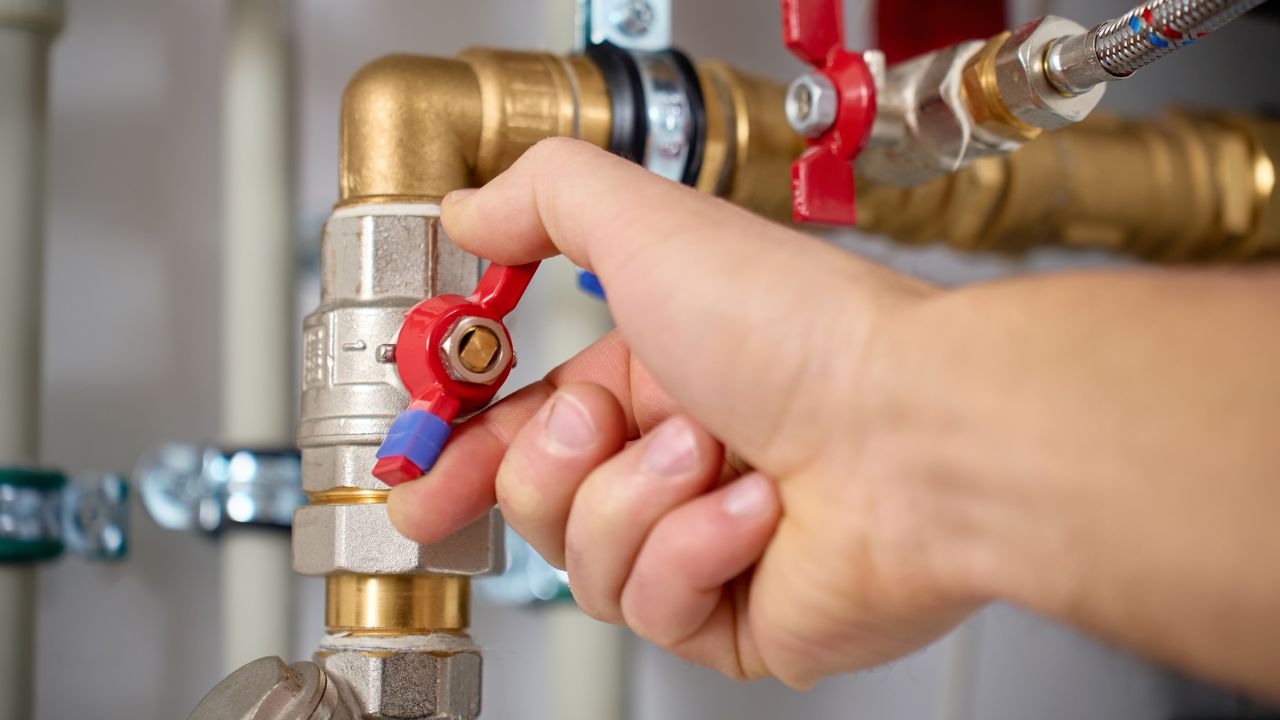
Shut off the main water supply if backups continue
Evacuate vulnerable individuals from affected areas
Open windows and doors for ventilation
Document the damage with photos before cleanup
How Should You Work With A Plumber When Your Toilet Signals Sewer Trouble?.
What Questions Should You Ask Before Hiring A Sewer Line Specialist?
"Are you licensed, bonded, and insured for sewer line work in California?"
"Do you offer video camera (sewer scope) inspection capabilities?"
"What trenchless technology options do you provide?" including pipe lining (CIPP) and pipe bursting
"What warranty do you provide on new PVC or epoxy-lined pipes?" expecting 50-100 year coverage
What Information Should You Share Up Front?
Pipe material if known (PVC, cast iron, or clay)
Age of plumbing system
Specific symptoms observed: gurgling sounds, multiple slow fixtures, backups, sewage odors, water level fluctuations, green patches in yard
Mature trees near the sewer line
How Can You Compare Estimates Confidently?
Compare traditional excavation versus trenchless technologies in total project cost
Evaluate durability claims, ensuring new pipes offer a 50-100 year lifespan
Consider whether the method minimizes damage to landscaping
Assess if the solution addresses root intrusion resistance
Recognizing Toilet Warning Signs Early To Protect Your Home And Budget
For California homeowners, proactive maintenance and early intervention are the most prudent approaches to sewer system management. Early detection through video scoping can prevent major financial burdens by identifying problems before they escalate; traditional full replacement with excavation can exceed $20,000. Regular sewer scope inspections are a small investment that prevents emergency repairs, especially critical in California, given the unique challenges of seismic activity, expansive clay soils, tree root intrusion, and water conservation effects.
When you notice toilet warning signs like gurgling, slow drainage, or backups, act immediately. Staying proactive about sewer line health means scheduling inspections every 2-5 years, depending on pipe material, and addressing minor issues before they become major failures. When repair or replacement becomes necessary, trenchless technologies offer the most modern, durable, and cost-effective solution, providing a new, root-resistant pipe with a century-long lifespan.
Don't wait for a sewage backup to become a costly emergency. If your toilet is showing warning signs of sewer line problems, contact Alpine Plumbing & Rooter today for professional video inspection and expert diagnosis that can save you thousands in preventable damage.
Welcome to Alpine Plumbing and Rooter, serving San Dimas and the surrounding areas as your reliable source for exceptional plumbing and drainage services. We also provide reliable licensed HVAC services.
After reviewing your information, we will contact you as soon as possible.
"*" indicates required fields
Alpine Plumbing, Heating, and Air
462 Borrego Ct Unit A, San Dimas, CA 91773
CA Plumbing/HVAC License: #1041244 AZ Plumbing License: ROC 362311
Welcome to Alpine Plumbing, Heating, and Air, serving San Dimas, San Bernardino, Lake Havasu, AZ, and the surrounding areas. We are your reliable source for exceptional plumbing, Heating, and Air Conditioning needs.