Whole-home water treatment systems promise to improve water quality throughout your house. Whether they justify their cost depends on your water source, regional hardness levels, and household priorities. In regions like Southern California, where groundwater hardness reaches 410 ppm, these systems address visible problems like scale buildup and spotting. Municipal water customers may prioritize taste and odor improvements, while private well owners often focus on contaminant reduction.
The decision to install whole-home water filtration or softening equipment requires understanding what each system does. Filtration systems remove sediment, chlorine, and other contaminants from all incoming water. Softening systems specifically target hardness minerals that cause scale and appliance damage. Some households benefit from one system, others from both, and many from neither.
Key Takeaways
- Whole-home filtration treats all taps at the point of entry, while softeners remove hardness minerals through ion exchange
- Water quality issues affecting taste, odor, or safety drive 40% of water treatment purchases nationwide
- Manhattan Beach reports an average hardness of 310 ppm, making Southern California an ideal market for softening systems
- Installed costs for whole-home filtration range from $1,500 to $10,000, with softeners typically costing $700 to $3,000
- Millennials and Gen X households show the highest filtration adoption rates at 76% and 73%, respectively
What Are Whole-Home Water Filtration and Softening Systems?
Whole-home water filtration treats all water entering your house at a single point. Water softening systems remove calcium and magnesium minerals that cause hardness issues. Both install at the main water entry point, but they serve different purposes and use distinct technologies.
How Do Whole-Home Filtration Systems Work?
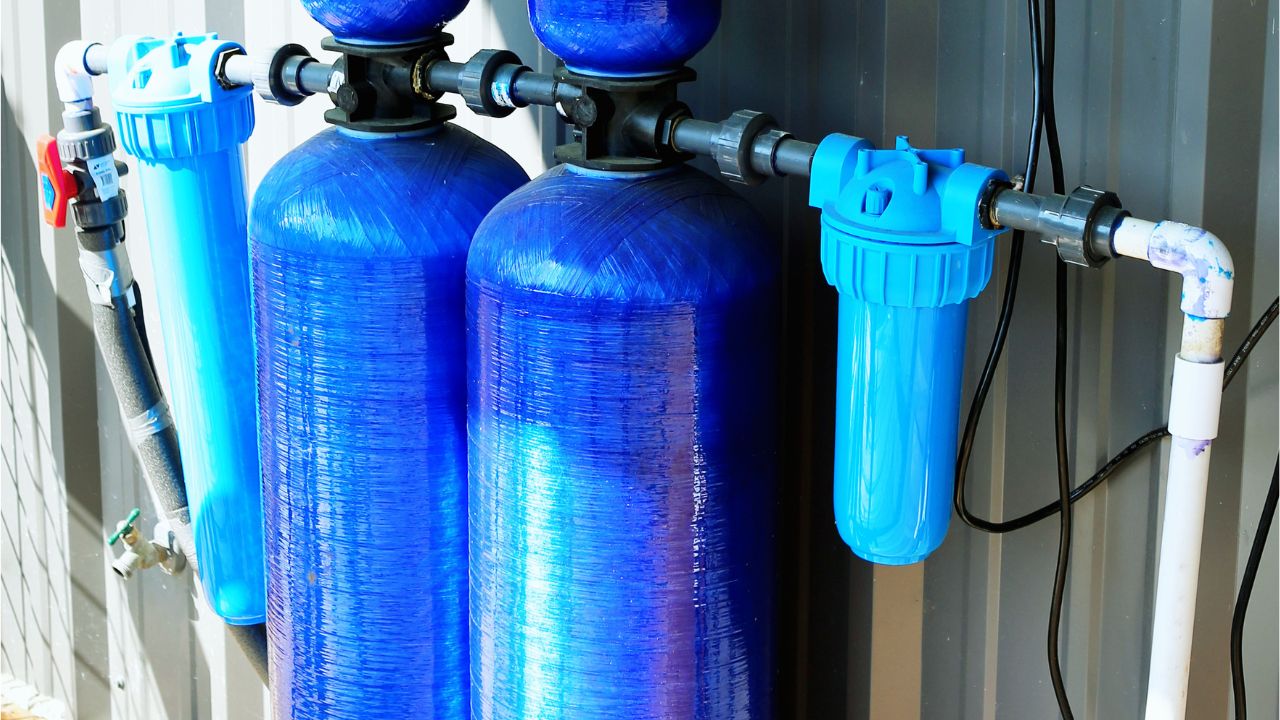
Whole-home filtration uses sediment prefilters plus activated carbon or multi-stage cartridge systems housed in polymer or metal tanks. Point-of-entry treatment occurs at the main water entry to your home. Point-of-use treatment, by contrast, occurs at specific taps or appliances like kitchen sinks.
These systems typically include multiple stages that target different contaminants. The first stage captures sediment and rust particles larger than five microns. Subsequent stages use activated carbon to reduce chlorine, volatile organic compounds, and taste or odor issues.
What Is the Purpose of Water Softeners?
Water softeners use an ion-exchange resin tank, a brine tank, and a control valve. Salt-free systems use conditioning media rather than true hardness removal. The ion-exchange process replaces calcium and magnesium ions with sodium ions, effectively eliminating the minerals that cause scale.
Traditional salt-based softeners regenerate periodically by flushing the resin bed with brine solution. Salt-free conditioners alter the structure of hardness minerals so they don't adhere to surfaces. This difference matters because only salt-based systems actually remove hardness minerals from water.
What Are the Key Components of These Systems?
Water pressure regulation systems include brass or composite pressure-reducing valves and integrated booster units. These booster units contain a pump, motor, pressure tank, sensors, drive, and check valve. Proper pressure regulation protects both filtration and softening equipment from damage caused by excessive pressure.
Most whole-home installations require professional plumbing modifications to accommodate the equipment. Filtration housings mount inline with bypass valves for maintenance access. Softener systems need a drain connection for regeneration cycles and adequate space for the brine tank.
When Do Homeowners Need Whole-Home Water Treatment?
Homeowners need whole-home water treatment when water quality issues affect daily life or appliance performance. Private well users face different risks than municipal water customers. Regional factors like hardness levels and common contaminants also influence treatment decisions.
How Do Water Quality Issues Influence Filtration Needs?
Private well water is not regulated under the Safe Drinking Water Act. More than 43 million Americans rely on domestic private wells for their drinking water. About one in five domestic wells contained at least one contaminant above a human-health benchmark.
Roughly half of domestic wells had at least one nuisance contaminant affecting taste or odor. Microbial contaminants were found in about one-third of wells tested in recent studies. These statistics make comprehensive water treatment a practical necessity for many well-dependent households.
When Is Water Softening Necessary?
Symptoms of hard water include spots on dishes, scale on showerheads, and appliance buildup. These visible signs indicate mineral content high enough to cause ongoing problems. When hardness exceeds seven grains per gallon, most households notice diminished soap performance and increased maintenance needs.
Hard water also shortens the lifespan of water heaters and other appliances. Scale accumulation inside tanks reduces heating efficiency and accelerates component failure. The cost of replacing appliances prematurely often exceeds the investment in water softeners over time.
What Role Does Regional Water Hardness Play?
Manhattan Beach reports an average hardness of about 310 ppm. Groundwater hardness around 410 ppm in Manhattan Beach makes it one of the hardest water areas. Imported surface water with around 230 ppm hardness in Manhattan Beach provides some relief in blended supplies.
These regional variations mean Southern California homeowners face different treatment needs than residents of other areas. Coastal communities with access to imported surface water experience moderate hardness. Inland areas relying primarily on groundwater encounter severe hardness that demands effective softening solutions.
How Do Filtration and Softening Compare to Point-of-Use Solutions?
Whole-home systems treat all water entering your house, while point-of-use systems target specific taps. Consumer awareness varies significantly between system types. Household demographics and water confidence levels also affect which approach makes sense.
What Are the Benefits of Whole-Home Vs. Under-Sink Systems?
Point-of-use filters show 64% aided awareness among consumers. Water softeners show 42% aided awareness nationally. Under-sink systems show 41% aided awareness, while whole-house systems show 37% aided awareness.
Whole-home systems provide consistent water quality at every fixture, including showers and laundry. Under-sink systems improve drinking water quality at a lower initial cost. The choice depends on whether you value comprehensive treatment or prefer targeted drinking water improvement.
How Does Household Type Affect System Suitability?
Millennials filter water at home at a 76% rate. Gen X households filter water at home at a 73% rate. Boomers who do not filter believe filtering is not necessary at a 61% rate.
Additionally, 52% of Boomers are confident in the quality of their city's water. These generational differences suggest younger households prioritize filtration while older homeowners trust municipal treatment. Family size and water usage patterns also influence whether whole-home systems deliver sufficient value to justify their higher cost.
Are Renters Good Candidates for Whole-Home Systems?
Renters rarely benefit from installing whole-home systems because they cannot recover the investment. Point-of-use filters and pitcher systems offer portable alternatives that move between residences. Landlords may install whole-home systems in multi-family properties to reduce maintenance costs.
Homeowners planning to stay in their property for at least five years can typically recover installation costs. Shorter ownership periods make portable point-of-use systems more economical. The permanence of whole-home installations makes them appropriate primarily for long-term homeowners.
What Are the Costs and Pricing Tiers for These Systems?
Whole-home water treatment systems span a wide price range based on features and capacity. Budget options address basic needs while premium systems offer automation and advanced filtration. Understanding these tiers helps match system capabilities to household requirements and budget constraints.
How Do Budget, Mid-Tier, and Premium Systems Differ?
Whole-house filtration retail ranges from $7 to $2,741 for equipment only. Professional installation brings the total cost of filtration to $1,500 to $10,000, depending on complexity. Water softener installed range spans $700 to $3,000 for mainstream systems, with specialty types reaching $6,000.
Budget systems typically use basic carbon filtration or single-tank softeners with manual controls. Mid-tier systems add multi-stage filtration, higher flow rates, and automatic regeneration controls. Premium systems integrate smart monitoring, constant pressure regulation, and certified contaminant reduction for specific health concerns.
What Maintenance Costs Are Involved?
Salt refills for softeners cost approximately $5 to $10 per 40-pound bag. Most households use one to two bags monthly, depending on water hardness and consumption. Drainage needs for softeners require proper discharge locations and may increase water and sewer costs slightly.
Filter cartridge replacement represents the primary ongoing expense for whole-home filtration systems. Sediment prefilters typically need replacement every three to six months at $15 to $40 each. Carbon filters last six months to one year and cost $50 to $150, depending on size and quality.
How Do Installation Complexities Affect Cost?
Higher installed cost for whole-home systems reflects plumbing modifications and professional labor requirements. Tight installation spaces increase labor hours and material costs for pipe rerouting. Homes with multiple water lines or complex plumbing layouts require additional valves and bypass configurations.
Electrical requirements for automated softeners and filtration systems add installation expenses. Systems requiring drain lines for backwashing or regeneration incur additional plumbing costs. Permits and inspections in some jurisdictions further increase total project expenses beyond equipment and basic labor.
How Should Homeowners Evaluate the Value of Whole-Home Systems?
Evaluating whole-home system value requires matching capabilities to specific household problems. Contamination concerns drive different decisions than nuisance issues like taste or hardness. Long-term benefits often outweigh initial costs when systems address measurable water quality problems.
What Symptoms or Problems Indicate a Need?
Contamination problems motivate 40% of water treatment buyers to take action. Visible scale on fixtures signals hardness levels that damage appliances and reduce efficiency. Strange tastes, odors, or discoloration indicate filtration needs that affect daily water use quality.
Frequent plumbing repairs or premature appliance failures suggest water quality issues causing damage. Skin irritation or excessive dryness after showering points to chlorine or hardness problems. These symptoms provide clear justification for investigating whole-home treatment options rather than accepting poor water quality.
How Do Contaminant Risks Influence Purchase Decisions?
In 2023, 58% of U.S. adults were very concerned or concerned about their water supply. More than 150,000 of approximately 370,000 Californians likely exposed to elevated arsenic, nitrate, or hexavalent chromium rely on domestic wells. These statistics demonstrate that contamination risk is a significant factor in treatment system purchases.
Well water testing reveals specific contaminants that require targeted treatment approaches. Municipal water reports provide annual data on treatment levels and detected contaminants. Reviewing these reports helps homeowners determine whether whole-home filtration addresses actual risks or mainly improves aesthetic qualities.
What Are the Long-Term Benefits Beyond Initial Cost?
Among households without systems, 23% say they are somewhat or very likely to install one in the future. An extended appliance lifespan represents a measurable financial benefit of water softening in hard water areas. Water heaters protected from scale buildup last longer and operate more efficiently throughout their service life.
Filtered water benefits include improved taste and odor that encourage better hydration habits. Whole-home systems protect plumbing fixtures from corrosion and mineral buildup that cause leaks. These long-term advantages often justify a higher initial investment compared to doing nothing or using only point-of-use solutions.
What Are the Common Technologies and Their Pros and Cons?
Different filtration and softening technologies address specific water quality issues. Understanding how each technology works helps match systems to household needs. Market options range from simple sediment filters to sophisticated multi-stage systems with smart controls.
What Types of Filtration Media and Processes Are Used?
Major filtration brands include Pentair, Veolia, 3M, Culligan, and iSpring. Additional manufacturers like AQUASURE, PRO+AQUA, APEC, and Whirlpool offer systems across various price points. These brands use activated carbon, catalytic carbon, and multi-stage cartridge systems to target different contaminants.
Sediment filters use pleated polyester or spun polypropylene to capture particles. Carbon filters employ granular activated carbon or carbon block media for chemical contaminant reduction. Specialty filters use catalytic media for chloramine reduction or KDF media for heavy metal removal.
How Do Salt-Based and Salt-Free Water Softeners Differ?
Salt-free options do not remove hardness in the same way as ion exchange. These systems condition water by altering mineral crystal structure to prevent scale formation. True softening requires an ion exchange resin that replaces calcium and magnesium with sodium.
Salt-based softeners eliminate hardness minerals completely, providing the most effective scale prevention. Salt-free conditioners reduce scale without removing minerals or requiring salt and drainage. The choice depends on whether complete hardness removal or simple scale prevention matters more for your situation.
What Smart Features or Automation Options Exist?
Premium systems include Wi-Fi monitoring that tracks water usage and regeneration cycles. Automated regeneration based on actual water consumption optimizes salt and water efficiency. Leak detection sensors and automatic shutoff valves protect homes from water damage.
Flow meters calculate exact water usage to minimize waste during regeneration. Bypass valves allow normal water service during maintenance without system shutdown. These features add cost but reduce ongoing maintenance effort and resource consumption over the system's lifespan.
How Does Water Softening Protect Appliances and Plumbing?
Water softening removes minerals that cause scale buildup in pipes and appliances. Hard water reduces efficiency and shortens equipment lifespan across multiple systems. The protective benefits extend beyond water heaters to dishwashers, washing machines, and plumbing fixtures.
What Are the Consequences of Hard Water Without Treatment?
Hard water leaves mineral deposits inside pipes that gradually restrict flow. Scale buildup on heating elements forces water heaters to work harder and consume more energy. Appliances exposed to hard water effects require more frequent repairs and earlier replacement.
Soap and detergent effectiveness decreases significantly in hard water conditions. Dishes emerge from dishwashers with spots and film that require rewashing. Clothing washed in hard water feels stiff and fades faster than clothing washed in soft water.
How Does Softening Impact Water Heater Longevity?
Tank life and durability ranked 72% importance among water heater buyers in consumer surveys. Soft water prevents scale formation on heating elements and tank interiors. This protection extends the water heater lifespan from eight years to twelve years or more in many cases.
Scale-free heating elements transfer heat more efficiently, reducing energy consumption. Lower operating temperatures needed to heat soft water reduce thermal stress on tank materials. These factors combine to deliver measurable savings in energy costs and replacement expenses over time.
What Are Consumer Experiences in Hard-Water Regions?
A coastal Southern California family case illustrates common hard water challenges. Their four-person household experienced dish spotting and scale on showerheads. An aging gas heater showed reduced efficiency from years of mineral accumulation inside the tank.
After installing water softening systems, they noticed immediate improvements in soap performance and fixture cleanliness. Their replacement water heater operates more efficiently without scale buildup. These real-world benefits validate the investment for households facing similar hardness levels and appliance protection needs.
Whole-Home Water Filtration & Softening Systems: Evaluating Their Worth Based on Household Needs and Water Quality
Household filtration system ownership reached 45% in 2023, up from 40% in 2021. The global water-filters market was estimated at $10.74 billion in 2024. The North American water-softening market reached $1.03 billion in 2024, with steady growth continuing.
The water filter market shows a compound annual growth rate of 6.87% through 2029. Cost and lack of knowledge are major barriers to water treatment adoption despite rising consumer concern. Understanding these systems helps homeowners make informed decisions about whether whole-home treatment matches their specific water quality challenges.
Determining whether whole-home water filtration and softening systems are worth the investment depends on measurable water quality conditions. Households in hard water regions with visible scale problems typically recover costs through appliance protection and reduced maintenance. Municipal water customers prioritizing taste, odor, and chlorine reduction find value in comprehensive filtration at all fixtures.
Private well owners face contamination risks that often justify whole-home treatment for health protection. The cost of filtration and softening must be weighed against long-term appliance replacement expenses and water quality preferences. Homeowners who value clean water at every tap and plan to remain in their homes long-term gain the most benefit from these systems.
Alpine Plumbing, Heating, and Air helps Southern California homeowners evaluate their water treatment options based on actual water quality conditions. Licensed professionals assess hardness levels, contamination risks, and household usage patterns to recommend appropriate solutions. Expert installation ensures systems operate efficiently and deliver the expected improvements in water quality and appliance protection.
Not Sure What Your Water Needs? Let Alpine Find Out.
Hard water, mystery contaminants, and spotty dishes aren't problems you should have to guess your way through. Alpine Plumbing, Heating, and Air serves homeowners across Southern California with honest, licensed assessments — no pressure, no upselling, just a clear picture of what your water actually needs.
Whether you're dealing with scale buildup, concerned about well water safety, or simply want cleaner water at every tap, our team will walk you through your options and help you decide what makes sense for your home and budget. Schedule your free water quality assessmenttoday!