Alpine Plumbing & Rooter Logo

Your Water Bill Doubled? Here's How to Find Hidden Leaks Before They Destroy Your Home


Key Takeaways

  • A doubled water bill usually signals a hidden leak; act within one billing cycle to avoid further damage.
  • The water meter test is definitiveโ€”if the meter moves with all fixtures off, you have a leak, even without visible damage.
  • Small leaks, like a running toilet or pinhole leak, can waste significant water and cause hidden structural damage.
  • Insurance covers sudden damage but not long-term neglect; document everything and consider adding coverage for service lines and sewer backups.
  • Smart shutoff systems prevent 96% of water damage claims and can earn you 8โ€“40% in insurance discounts, paying for themselves in a few years.

A doubled water bill isn't just an annoying expense; it's an urgent warning signal. Whether caused by a silent running toilet, a pinhole leak slowly saturating your walls, or a catastrophic slab leak destroying your foundation, that sudden spike demands immediate investigation. The difference between a $200 repair and a $12,500 insurance claim often comes down to how quickly you act. 

This guide walks you through high water bill diagnosis, hidden leak detection methods, and professional plumbing services that can save your home and finances.

What Does It Mean When Your Water Bill Suddenly Doubles?

A doubled water bill signals either a major leak, a billing error, or a significant usage change. The key is distinguishing normal fluctuations from serious problems requiring immediate investigation.

Ways to compare this bill to past usage:

  • Compare to the last 3โ€“6 months to establish your baseline
  • Compare to the same month last year to account for seasonality
  • Compare water usage units (gallons/CCF) vs. just total cost, rate increases affect dollars, not gallons
  • Check for overlapping billing periods or estimated reads on your statement

Thresholds that should trigger suspicion:

  • Normal variation: ยฑ10โ€“20% month-to-month (seasonal changes, occasional guests)
  • Red flag increases: +50% or more suggests a leak or major system failure
  • +100% or higher: Almost always indicates a hidden leak, irrigation malfunction, or running toilet
  • One-time spike vs. trend: A single high bill may be an error; two consecutive high bills confirm ongoing water loss

Why Is It Risky To Ignore A Doubled Water Bill For More Than One Billing Cycle?

Hidden leaks compound exponentially. A pinhole leak wasting 720 gallons per month becomes 1,440 gallons the next month if unaddressed, while water saturates drywall, insulation, and structural framing. Mold colonizes within 24โ€“48 hours of exposure. The average cost of a water damage insurance claim resulting from an undetected leak is over $12,500.

Worst-case outcomes:

  • Structural damage to foundation, subfloors, or load-bearing walls
  • Toxic mold requiring professional remediation ($2,000โ€“$10,000+)
  • Voided insurance claims due to "neglect" or "maintenance issues"
  • Complete water heater or pipe system failure requiring emergency replacement

What Non-Leak Reasons Could Explain A Doubled Water Bill?

Not every spike means disaster. Rule out legitimate usage changes and billing errors before assuming a leak.

Legitimate usage-related reasons:

  • Seasonal changes: lawn watering, pool filling, heat waves, increasing shower frequency
  • Guests, new roommates, or short-term tenants doubling household occupancy
  • New water-using appliances (dishwasher, washing machine) or habit changes (daily baths vs. showers, car washing)

Billing and pricing issues:

  • Recent rate increase or shift to a tiered pricing structure
  • For estimated vs. actual meter readings, the utility may have corrected prior underestimates
  • Meter misreads or administrative errors (transposed digits, wrong account)

When "non-leak" explanations are still a concern:

  • Usage increase doesn't fully explain a +75% or +100% spike
  • Outdoor irrigation use may hide underground mainline leaks
  • When the explanation is uncertain, inspect anyway; false positives cost hours; false negatives cost thousands

How Often Is A Sudden High Water Bill Actually Caused By Hidden Leaks?

Hidden leaks are the most common cause of unexplained water bill spikes. Even minor leaks waste hundreds of gallons monthly.

Leak SourceApprox. Flow RateWasted Gallons per MonthApprox. Added Cost per Month*
Dripping Faucet (1 drip/sec)Varies250+ gallons$5โ€“$15
Running Toilet (Flapper leak)Varies500+ gallons$10โ€“$30
Pinhole Pipe Leak (Hidden)1 gal/hour720+ gallons$15โ€“$45
Outdoor Irrigation Leak5โ€“10 gal/hour3,600โ€“7,200 gallons$75โ€“$150
Slab Leak (Major hidden)Thousands gal/day30,000โ€“90,000+ gallons$600โ€“$1,800+

*Cost estimates based on average water rates; actual costs vary by region.

Most common hidden leak culprits:

  • Toilets: silent tank/flapper leaks (most frequent, hardest to detect without testing)
  • Faucets and showerheads: worn washers or cartridges
  • Irrigation systems: broken sprinkler heads, cracked underground lines
  • Water heaters and supply lines: slow drips from pressure relief valves or corroded connections

How small leaks translate into big bills:

  • Continuous leaks waste water 24/7; intermittent leaks (running toilets after flushes) waste less, but still significant volumes
  • 1 drip/second = 5 gallons/day = 150 gallons/month = enough to double a low-usage household's bill
  • A dripping faucet at 1 drip/second wastes 3,000+ gallons annually
  • A running toilet with a flapper leak wastes 6,000+ gallons annually
  • A hidden pinhole leak at just 1 gallon/hour wastes 8,640+ gallons annually

How Can You Systematically Track Down Hidden Leaks Before They Damage Your Home?

Use a five-step process to isolate and document leaks. Start with safety checks, confirm a leak exists, then narrow the location systematically using proven hidden leak detection techniques.

Step 1: How Do You Do A Quick Safety And Visible Damage Check Around The Home?

Walk through every room before testing. Look for water stains on ceilings, warped flooring, musty odors, or soft drywall, signs of active leaks causing structural damage.

High-priority inspection areas:

  • Check exposed pipes for dampness or corrosion (green/white deposits, mineral buildup)
  • Basement and crawlspace walls for moisture or efflorescence (white chalky residue)
  • Under sinks, behind toilets, around the water heater base
  • Ceilings below bathrooms or kitchens (upper-floor leaks)
  • Exterior foundation for pooling water or soft soil (mainline leaks)

Step 2: How Do You Use A Simple Whole-House Meter Test To Confirm A Leak?

The water meter test is definitive. If the meter moves with zero water use, you have a leak. This meter test step-by-step process is the foundation of professional leak diagnosis.

The water meter test:

  1. Turn off all water-using appliances and fixtures (including the ice maker)
  2. Record the reading on your main water meter
  3. Wait 15โ€“30 minutes without using any water
  4. Check the meter again. If the reading has changed, you have a leak

If the meter moves even slightly, 1 gallon or less, a leak exists. Larger movements (5+ gallons in 30 minutes) indicate major leaks requiring immediate professional assessment.

Step 3: How Do You Isolate The Leak To Either The House Plumbing Or The Service Line?

Turn off the main house valve. If the street meter still moves, the leak is in the service line; if it stops, the leak is inside the home.

Step 4: How Do You Narrow The Leak To Specific Fixtures, Appliances, Or Irrigation Zones?

Turn off individual shutoff valves (toilets, sinks, appliances, irrigation). Recheck the meter after each. When the meter stops, the last valve closed isolates the leak. For toilets, use food coloring to test the flapper.

Step 5: How Should You Document Your Findings For Plumbers, Insurers, And The Water Utility?

Log dates, meter readings, and observations. Take photos/videos of the meter, damage, and fixtures. Document leak sources and damage for claims and accurate plumbing diagnoses.

How Can You Use Your Water Meter And Valves To Confirm A Hidden Leak?

Your water meter is the most reliable diagnostic tool. Understanding how to read it and test valve isolation pinpoints leaks without guesswork.

How to read different meter types:

  • Analog meters: rotating dials with sweep hands showing gallons or cubic feet; read left to right like an odometer
  • Digital meters: LCD display showing exact usage in gallons, cubic feet (CF), or hundred cubic feet (CCF)
  • Usage units: 1 CCF = 748 gallons; note decimal places for precise leak detection (0.01 CCF = 7.48 gallons)

How to use the leak indicator or flow icon:

  • Spinning triangle, star, or gear (analog) or flashing droplet icon (digital) indicates active water flow
  • With all fixtures off, any movement confirms a leak
  • Watch for 10โ€“15 minutes minimum; slow leaks take time to register

How to test between the street meter and the home shutoff:

  1. Turn off the main house valve (near the water heater or entry point)
  2. Check the street meter for continued movement
  3. If the meter moves, a leak is in the underground service line
  4. If the meter stops, the leak is inside the home plumbing

How Can Smart Water Monitors And Apps Help You Spot Unusual Usage Patterns?

Smart water monitors track real-time flow rates, alerting you to leaks before they appear on bills. Whole-house shutoff systems (e.g., Flo by Moen, Phyn Plus) can detect leaks as small as 1 drop per second and automatically shut off water in case of a major leak. These devices, costing $400โ€“$1,000, can reduce water damage claims by up to 96% and earn insurance discounts of 8โ€“40%.

Where Should You Look Indoors For Hidden Leaks That Increase Your Water Bill?

Indoor leaks waste more water than most homeowners realize. Systematic inspection of high-risk areas catches problems before structural damage occurs.

Toilet leak checks:

  • Food-coloring dye test: Drop food coloring into the tank water, wait 15 minutes without flushing. If color appears in the bowl, the flapper or seal is leaking
  • Listen for running/filling sounds 30+ minutes after the last flush
  • Check the flapper for cracks or mineral buildup, inspect the fill valve and overflow tube for continuous dripping

Faucets, showerheads, and under-sink plumbing:

  • Visual drips from spouts or handles, white/green mineral buildup indicating slow leaks
  • Damp cabinets, warped wood, or corrosion on supply lines
  • Check compression nuts on shutoff valves, common leak points

Dishwashers, fridges, and ice makers:

  • Inspect behind/under units for pooling water or rust stains
  • Look for warped, discolored, or soft spots in nearby flooring
  • Check supply line connections and water inlet valves

Laundry rooms and water heaters:

  • Check around appliance bases for puddles, rust, or mineral deposits
  • Condensation (normal, cool to the touch) vs. actual leaks (warm, constant moisture)
  • Inspect pressure relief valve discharge tubes for dripping

Basements, crawl spaces, and walls:

  • Signs of dampness, staining, or efflorescence (white powdery deposits)
  • Cool or soft spots on walls/floors indicating hidden moisture
  • Peeling paint or wallpaper along baseboards

Where Should You Look Outdoors For Hidden Leaks Around Your Property?

Outdoor leaks often go unnoticed for months, wasting thousands of gallons. Check these high-risk areas during dry weather for easier detection.

Outdoor faucets and hose bibs:

  • Test under pressure with the hose attached, and leaks appear at the connection points
  • Look for wet or eroded soil directly under spigots
  • Check for freeze damage (cracks, splits) after winter

Irrigation and sprinkler systems:

  • Run each zone separately and walk the entire yard
  • Check for low pressure, sunken areas, or constant soggy spots between waterings
  • Inspect valve boxes and backflow preventers for pooling water

Service-line and slab leak clues:

  • Wet or warm spots on pavement, concrete slabs, or interior floors
  • Unusual green strips of grass in dry weather or during droughts
  • Sound of running water at the street meter when all fixtures are off
  • Slab leaks can waste thousands of gallons per day and have a long time-to-detection (weeks to months), leading to high repair costs ($1,000โ€“$5,000+) and structural damage

Pools, hot tubs, and water features:

  • Track water level loss vs. expected evaporation (1/4 inch per day is normal)
  • Inspect pump and filter areas for leaks, wet equipment pads
  • Check for cracks in pool shells, loose tiles, or damp soil around the perimeter

What Warning Signs Reveal Hidden Water Damage Even When You Cannot See Water?

Water damage begins before visible leaks appear. Recognizing early warning signs prevents catastrophic structural failure and mold growth.

Visual surface changes:

  • Stains (yellow, brown, or copper-colored) on ceilings, walls, or floors
  • Bubbling or peeling paint, especially along seams or baseboards
  • Warped or buckling hardwood floors, lifting vinyl, or spongy carpet
  • Cracked or discolored caulk and grout in bathrooms and kitchens

Smell and air-quality indicators:

  • Musty or earthy odors indicate mold colonization
  • Persistent damp smell in specific rooms, closets, or behind appliances
  • Mildew odor in HVAC vents (ductwork leaks or condensation issues)

Sound and pressure clues:

  • Hissing or trickling sounds behind walls when fixtures are off
  • Sudden, unexplained drops in water pressure throughout the home
  • Normal water pressure should be 40โ€“60 psi; unexplained drops may indicate a hidden leak and potential water pressure issues
  • Water hammer (banging pipes), suddenly starting or worsening, may signal loose pipes from water damage

Which Common Leaks Can You Safely Fix Yourself, And When Should You Call A Pro?

Minor fixture leaks are often DIY-friendly, but hidden or structural leaks require professional expertise. Knowing the difference saves money and prevents worsening damage.

Leaks are typically safe for DIY:

  • Replacing faucet washers, cartridges, and aerators (most require only basic wrenches)
  • Tightening loose fittings or supply line connections with an adjustable wrench
  • Replacing toilet flappers or fill valves, both snap-in or screw-on, no soldering required
  • Dripping faucet repair: $125โ€“$426 (professional cost if you choose not to DIY)
  • Running toilet repair: $150โ€“$391 (professional cost)

Situations requiring a plumber:

  • Slab leaks or main-line leaks require specialized detection equipment and concrete/excavation work
  • Repeated leaks in the same spot indicate systemic pipe failure
  • Any leak near electrical panels, gas lines, or structural/load-bearing elements
  • Pinhole pipe leak: $250โ€“$850 (professional repair)
  • Slab leak: $1,000โ€“$5,000+ (requires slab access)
  • Emergency plumber hourly rates: $100โ€“$500
  • Surcharges: 1.5x for evenings, 2x for weekends, up to 3x for holidays
  • Emergency response time: typically 1โ€“2 hours

Choosing a qualified plumber or leak specialist:

  • Verify active state licensing, liability insurance, and workers' compensation coverage
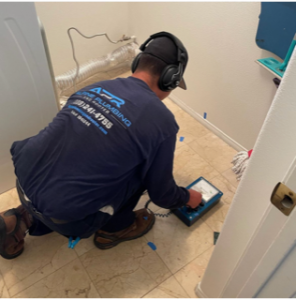
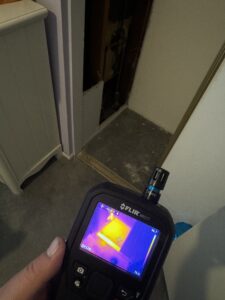
  • Ask about diagnostic methods: acoustic listening devices, thermal imaging, pressure testing
  • Request itemized written estimates before work begins, and avoid "flat rate" quotes without detail

Common DIY mistakes to avoid:

  • Over-tightening fittings, cracks in pipes, and stripped threads
  • Using wrong sealants: plumber's tape for threads only, pipe dope for metal joints, silicone for drains
  • Delaying calling a pro when water damage is visible, mold begins growing in 24โ€“48 hours

How Can Hidden Leaks Impact Your Home, Health, and Finances Over Time?

Undetected leaks cause exponentially worsening damage. What starts as a slow drip becomes structural failure, toxic mold, and five-figure repair bills.

How Do Ongoing Leaks Threaten Foundations, Framing, And Other Structural Elements?

Leaks weaken wood framing, crack foundations, and cause soil shifts, leading to significant structural damage that can cost tens of thousands to repair.

How Can Long-Term Dampness And Mold Affect Indoor Air Quality And Health?

Mold colonizes damp surfaces within 24โ€“48 hours, releasing allergens and mycotoxins that trigger respiratory issues and cognitive problems. Mold remediation can cost $2,000โ€“$10,000+, and insurance may not cover mold from neglected leaks.

Leak Type/SizeGallons per DayGallons per MonthApprox. Monthly Cost Increase*Example Impact Over 6โ€“12 Months
Small drip (1 drip/sec)8โ€“10 gallons250+ gallons$5โ€“$15$30โ€“$180 wasted + minor damage
Toilet flapper16โ€“20 gallons500+ gallons$10โ€“$30$60โ€“$360 wasted + potential floor damage
Pinhole leak (1 gal/hr)24 gallons720 gallons$15โ€“$45$90โ€“$540 wasted + wall/ceiling damage
Major hidden leak100+ gallons3,000+ gallons$60โ€“$200+$360โ€“$2,400+ wasted + structural damage, mold
Slab leak1,000โ€“3,000+ gallons30,000โ€“90,000+ gallons$600โ€“$1,800+$3,600โ€“$21,600+ wasted + foundation damage

*Cost estimates vary by region

How Can You Prevent Future Hidden Leaks And Avoid Another Bill Shock?

Proactive maintenance and smart technology prevent 95%+ of leak-related water damage. Establish routines and invest in early warning systems as part of your preventive maintenance strategy.

Routine inspection and maintenance schedule:

  • Daily/Weekly: Listen for running water when all fixtures are off; check exposed pipes for dampness or corrosion (green/white deposits)ย ย ย 
  • Monthly: Perform food-coloring test on all toilets; test sump pump by pouring a bucket of water into the pit
  • Semi-Annually: Flush water heater to remove sediment; check anode rod; set temperature to 120ยฐF (49ยฐC)
  • Annually: Schedule a comprehensive professional inspection of all plumbing, including a water pressure check (should be 40โ€“60 psi)

Upgrades that reduce leak risk:

  • Replace rubber supply lines with braided stainless-steel versions, burst-resistant, and last 10+ years
  • Install shutoff valves at all key fixtures (toilets, sinks, washing machines) for quick isolation
  • Replace fixtures older than 15 years with modern WaterSense-certified models, with fewer moving parts and better seals
Device TypeWhere It's InstalledWhat It DetectsTypical Use CaseRough Cost RangeInsurance Benefit
Point-of-Use SensorsNear high-risk areas (water heater, under sinks, washing machine)Detects water on the floor and sends an alertAffordable early warning system$20โ€“$50 per unitMay qualify for small discounts
Whole-House Shutoff SystemInstalled on the main water lineContinuously monitors flow; automatically shuts off water for major leaks; detects leaks as small as 1 drop/secondComprehensive protection and automatic response$400โ€“$1,000 (requires professional install)Premium discounts: 8%โ€“40%

Many insurers offer premium discounts ranging from 8% to 40% for installing whole-house smart water shut-off systems. These devices pay for themselves within 2โ€“3 years through insurance savings and prevented damage.

What Are The Most Common Questions About Doubled Water Bills And Hidden Leaks?

To better understand doubled water bills and hidden leaks, here are some of the most common questions homeowners ask.

Can A Single Running Toilet Really Double A Typical Household Water Bill?

Yes, a running toilet can waste 6,000+ gallons annually, adding $10โ€“$30+ to your bill, potentially 10โ€“15% of monthly usage. Multiple leaks or combined with summer usage can double the bill.

How Long Can A Hidden Leak Run Before Most Homeowners Notice A Problem?

Hidden leaks can run for months before being noticed. Typical detection timeframes:

  • Dripping faucet: Immediate to days
  • Running toilet: Days to weeks
  • Pinhole pipe leak: Weeks to months
  • Slab leak: Weeks to months

What Renters Should Do When They Suspect A Leak?

Document evidence, notify the landlord in writing, request repairs, and check the lease for water bill and repair responsibilities.

Can You Have A Hidden Leak Even If You Do Not See Any Visible Water Damage Yet?

Yes, hidden leaks like pinhole or slab leaks can go unnoticed for months. A water meter test is the only way to confirm a leak when thereโ€™s no visible damage.

What Should You Do Right Now If Your Water Bill Just Doubled?

If your water bill has doubled, act quickly. Within 24 hours, verify the billโ€™s accuracy and perform a whole-house meter test to check for leaks. Inspect your home indoors and outdoors for any signs of leaks and document everything. If you canโ€™t find the leak within 30 minutes, call a licensed plumber immediately.

To prevent future issues, schedule monthly inspections, seasonal checks, and annual plumbing evaluations. Consider upgrading to leak sensors and a smart shutoff system for added protection. Regularly review your water bill to catch increases early and avoid major costs.

Don't let a doubled water bill become a $12,000+ insurance claim. Contact Alpine Plumbing and Rooter for expert leak detection and emergency repairs, 24/7 response when you need it most.

Alpine Plumbing, Heating, and Air
Welcome to Alpine Plumbing and Rooter, serving San Dimas and the surrounding areas as your reliable source for exceptional plumbing and drainage services. We also provide reliable licensed HVAC services.
get free estimates

Ask for FREE Estimate here!

After reviewing your information, we will contact you as soon as possible.
Alpine Plumbing & Rooter Logo
ยฉ 2026 Alpine Plumbing, Heating, and Air. All Rights Reserved.
phone-handsetcalendar-fullcross