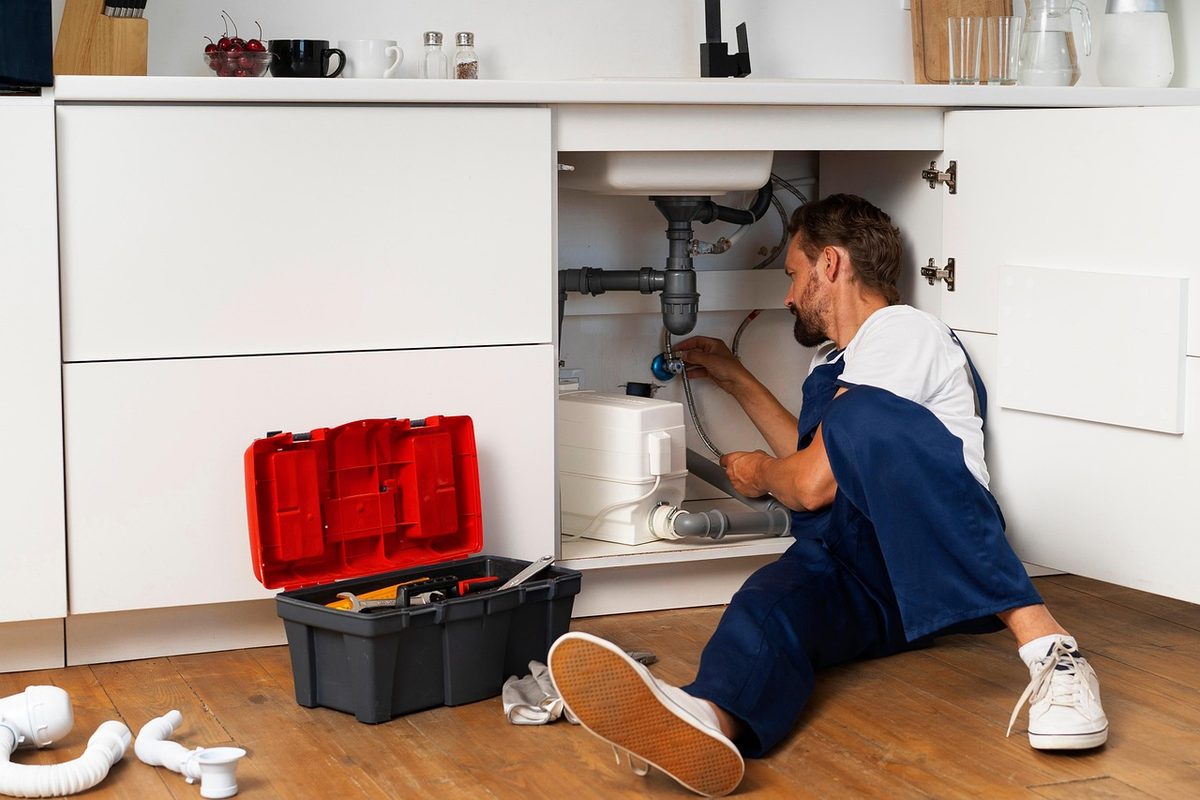
DIY faucet installation hides massive risks: Over-tightening, improper sealing, and code violations can trigger water damage costing thousands, insurance claim denials, and the expense of hiring professionals to redo failed work, effectively paying twice.
California's strict plumbing codes create DIY compliance traps: State law mandates 2.2 GPM flow limits and specific installation standards; unknowing violations result in fines and expensive corrections.
Professional installation provides four critical protections: Code compliance, labor warranties, liability insurance that shifts damage costs from homeowner to contractor, and expert diagnosis that catches problems before they become emergencies.
Hidden DIY costs accumulate quickly: Specialty tools purchased for one job, multiple store trips, water damage remediation, mold cleanup, voided warranties, and lost opportunity costs from wasted time often exceed professional installation fees.
Smart homeowners know when to DIY and when to call pros: Simple identical replacements with good access and working valves may suit confident DIYers; complex jobs, corroded plumbing, high-end fixtures, and main-use locations demand professional expertise.
Every homeowner faces the same temptation: why pay a plumber $200 when YouTube makes faucet installation look like a 30-minute project? The appeal is obvious: pocket the labor cost, gain DIY satisfaction, and move on with your weekend. But beneath that shiny new faucet lies a minefield of hidden expenses most homeowners never see coming until water pools across their kitchen floor or an insurance adjuster denies their claim.
This guide exposes the true cost of DIY faucet installation, reveals what professionals actually protect you from, and helps you make the decision that saves money in the long run.
Why Do So Many Homeowners Try DIY Faucet Installation To Save Money?
The appeal is simple: avoid labor costs and keep cash in your pocket. Most homeowners see the professional installation fee and think, "I can do that myself." With countless online tutorials making the job look straightforward, faucet replacement seems like the perfect entry-level DIY plumbing project.
What Makes Faucet Installation Look Like An Easy DIY Job At First?
Faucet installation appears deceptively simple. The old faucet comes out, the new one drops into the same holes, it's a swap, not a renovation. The fixture is small, lightweight, and arrives with instructions. YouTube hosts thousands of confident installers completing the job in under an hour. You already own a wrench and screwdriver.
This "simple swap" illusion ignores what's hidden beneath the sink: corroded connections, mismatched supply lines, tight spaces requiring specialty tools, and code requirements most DIYers don't know exist. Understanding the full scope of plumbing services helps homeowners recognize when professional expertise becomes essential.
How Do Upfront DIY And Professional Faucet Costs Compare At A Glance?
Same risks as above, plus tools you'll rarely use again
Licensed plumber
$150–300 labor + faucet
Code compliance, warranty protection, liability coverage, guaranteed work
What Hidden Costs Of DIY Faucet Installation Do Homeowners Usually Overlook?
The sticker price tells only part of the story. DIY faucet installation triggers a cascade of hidden expenses that surface after you've already started the job, when backing out becomes inconvenient and pressing forward feels like the only option. The pro vs DIY total cost calculation requires accounting for these often-invisible factors.
How Do Extra Tools, Parts, And Store Trips Quietly Inflate Your DIY Bill?
Basin wrench ($15–35): Essential for reaching nuts in tight under-sink spaces, your standard wrench won't fit
Supply lines ($12–25/pair): Old ones rarely match new faucet connections; buy the wrong size once, return, buy again
Plumber's putty or silicone ($5–8): Can't reuse old sealant; wrong type causes leaks
Adjustable wrench upgrade ($15–20): Your old wrench strips the finish on visible nuts
Teflon tape and pipe dope ($8–12): Both are needed for different connection types
Emergency trip fees ($10–15/visit): Gas, parking, time for 2–3 return trips when parts don't fit
Delivery charges ($8–15): When you order online after the store is out of stock
These tool/part mismatches represent one of the most frustrating aspects of DIY plumbing; each trip to the hardware store adds time and expense while your sink remains unusable.
How Can Small DIY Faucet Mistakes Turn Into Costly Leaks And Water Damage?
Connection Failures:
Over-tightening cracks fittings and distorts O-rings, creating slow leaks
Under-tightening leaves connections loose enough to drip constantly
Skipping Teflon tape or applying it backward prevents proper seals
Cabinet and Structural Damage:
Slow leaks rot particleboard cabinet floors and side panels
Water wicks up cabinet backs, destroying drywall behind the sink
Cabinet replacement ranges $500 to $2,000, depending on size and quality
Flooring Destruction:
Moisture seeps through the cabinet base to the subfloor
Laminate swells and buckles; hardwood cups and warps
Tile grout fails, and substrate deteriorates
Flooring repair costs $800–3,500 for a typical bathroom or kitchen area
Mold Remediation:
Hidden moisture feeds mold growth inside walls and cabinets
Professional mold removal is required to prevent health hazards
Remediation costs $1,500–6,000+, depending on contamination extent
The threat of leaks & water damage represents the single largest financial risk in DIY faucet work; a $200 professional installation prevents thousands in potential remediation costs.
How Much Do Time, Stress, And Do-Overs Really Cost When You Install A Faucet Yourself?
Pre-work research: 2–4 hours watching videos, reading forums, second-guessing your plan
Actual installation time: 3–6 hours for first-timers (pros complete it in 45–90 minutes)
Cleanup and disposal: 30–60 minutes dealing with old parts, packaging, and water mess
Code compliance redo: Hiring a professional to correct non-compliant work means paying for installation twice, your wasted time, plus their full labor rate
Opportunity cost: Time lost from paid work, family activities, or rest, often worth more than professional labor costs
How Can DIY Faucet Work Affect Codes, Warranties, And Insurance?
Professional installation isn't just about skill; it's about legal compliance and financial protection. DIY work that looks fine can fail code compliance requirements and void coverage you're counting on when problems arise.
When Can DIY Faucet Installation Break Plumbing Codes Or Manufacturer Rules?
Flow rate violations: California law mandates faucets not to exceed 2.2 gallons per minute; older or out-of-state fixtures may exceed limits, resulting in fines
Improper supply line connections: Using compression fittings where code requires soldered joints or PEX crimps
No backflow prevention: Kitchen faucets with sprayers need vacuum breakers to prevent contamination
Anti-scald protection: Single-handle faucets must include temperature-limiting devices in many jurisdictions
Unknowing compliance failures: DIY installers don't know local amendments to plumbing codes, hiring a professional to redo non-compliant work costs double
How Can DIY Faucets Work Void Warranties Or Complicate Insurance Claims?
Area
What DIY Can Do Wrong
Possible Financial Consequence
Fixture warranty
High-end faucet manufacturers require installation by a licensed professional to honor product warranties
$300–1,200 replacement cost when defective faucet isn't covered
Homeowner's insurance
Major water damage traced to faulty DIY plumbing repair may trigger claim denial
$5,000–50,000+ in uninsured water damage, mold remediation, and structural repairs
Supply line warranty
Improper installation of braided supply lines voids manufacturer defect coverage
$2,000–8,000 in flood damage from burst line with no recourse
Future inspection/appraisal
Non-permitted DIY work discovered during home sale reduces property value or kills deals
Lost equity of 2–5% of home value; required corrections before closing
How Do Professional Plumbers Prevent These Hidden Costs In The First Place?
Professional installation eliminates guesswork and risk. Licensed plumbers arrive with the right tools, knowledge of current codes, and experience spotting problems before they become expensive failures. They understand DIY faucet risks that homeowners typically overlook until damage occurs.
What Does A Typical Professional Faucet Installation Actually Include?
Safe removal: Properly disconnect the old faucet without damaging the sink or countertop
Code-compliant installation: Ensure fixture meets California's 2.2 GPM requirement and all local codes
Proper sealing techniques: Apply correct sealants and gaskets to prevent leaks
Correct connection torque: Tighten fittings to manufacturer specs, avoiding both over-tightening damage and under-tightening leaks
Pressure and leak testing: Run water at full pressure, check all connections, and verify drainage
Workspace cleanup: Remove old fixture, packaging, and debris
Operation demonstration: Explain maintenance, warranty coverage, and shut-off locations
How Does Expert Diagnosis During Installation Stop Future Plumbing Problems?
Professional plumbers don't just replace faucets; they inspect the entire fixture area for developing issues. Catching problems early prevents emergency repairs that cost 3–5 times more than scheduled maintenance. Issues with water pressure or water quality often become apparent during professional faucet installations.
Corroded shut-off valves: Replace failing valves before they break during next use
Water pressure irregularities: Identify aerator clogs or supply line restrictions reducing flow
Outdated or incompatible fittings: Swap problematic connections before they leak or fail inspection
Early leak signs elsewhere: Spot water stains, mineral deposits, or cabinet damage indicating hidden problems
How Do Workmanship Guarantees And Liability Coverage Protect Your Wallet?
Labor warranties: Licensed plumbers guarantee their work for 1–2 years, return visits for leaks or adjustments cost nothing
Liability insurance: Contractor's insurance covers installation-related damage; homeowner pays nothing if something goes wrong
Documented compliance: Written records prove code-compliant installation for future home sales, inspections, and insurance claims
Peace of mind investment: Professional installation means quality, compliance, and protection, not just a working faucet
No double-payment risk: Get it right the first time instead of paying twice to fix DIY mistakes
When Does DIY Faucet Installation Make Sense, And When Should You Call A Pro Instead?
Not every faucet job requires professional help, but most homeowners underestimate the complexity until they're already committed. Knowing the difference before you start saves money and frustration.
In Which Simple Situations Is DIY Faucet Replacement Relatively Low Risk?
Identical replacement: New faucet uses exact same holes and mounting as the old one
Recent functioning shut-offs: Valves turn smoothly, no corrosion or mineral buildup
Good access: Open cabinet space with no obstructions or tight angles
No visible damage: No water stains, rust, or previous patchwork repairs under the sink
Basic tools on hand: You already own a basin wrench, an adjustable wrench, and plumber's tape
Comfort with repairs: You've successfully completed similar small plumbing tasks before
What Red Flags Under Your Sink Mean You Should Not DIY This Faucet Job?
Missing or frozen shut-off valves: Can't turn off water without closing main valve, valve replacement requires professional skill
Heavy corrosion: Green/white mineral deposits, rust, or deteriorating metal on connections
Previous DIY patchwork: Mixed fittings, multiple repair attempts, non-standard parts
Water stains or mold: Evidence of past or current leaks indicating larger problems
Unusual or mixed piping: A Combination of copper, galvanized, PEX, or PVC requiring special adapters
Extremely tight workspace: Cannot reach connections with standard tools or see what you're doing
High-end fixture: Expensive faucet with manufacturer's warranty requiring professional installation
How Can A Quick DIY vs A Professional Checklist Help You Decide What to Do Next?
Factor
DIY Is Reasonable If…
Hire a Pro If…
Complexity
Direct swap, same configuration
Different hole pattern, added features, sprayer involved
Plumbing condition
Clean, recent parts, working valves
Corrosion, unknown age, mixed materials, no shut-offs
Time available
Flexible weekend, no urgent deadline
Need it working today, limited availability
Comfort level
Confident in basic repairs, done similar work
First plumbing project, unsure about steps
Room importance
Guest bath, utility sink, secondary location
Kitchen, main bathroom, daily-use fixtures
Warranty/insurance
Standard fixture, comfortable with risk
High-end brand, concerned about coverage, home sale pending
How Do You Choose The Right Professional And Keep Your Costs Under Control?
Hiring a plumber doesn't mean paying whatever they ask. Smart preparation and informed questions keep costs reasonable while ensuring quality work and proper coverage.
What Questions Should You Ask When Getting Faucet Installation Quotes?
What's included in your quoted price? Clarify whether the quote covers removal, disposal, supply lines, minor valve work, or just basic installation
How do you handle unexpected problems? Understand pricing if they discover corroded valves, damaged pipes, or code violations
What warranty covers your work? Confirm labor guarantee length and what triggers return visits
Is this hourly or flat-rate pricing? Know whether complications extend your bill or stay fixed
Do parts and labor separate? Some quotes include supply lines and connections; others charge separately
Who handles cleanup and disposal? Verify that old fixture removal and workspace restoration are included
Are you licensed and insured? Confirm the contractor carries liability insurance and a current plumbing license
Can you provide references? Ask for recent customer contacts or online review profiles
How Can You Prepare For A Plumber Visit So The Job Is Faster And Cheaper?
Clear under-sink area completely: Remove all cleaning supplies, pipes, obstacles, and storage items before arrival
Have new faucet on-site: Unbox the fixture to confirm all parts are present; saves trip charges for missing pieces
Take photos of the current setup: Text pictures to the plumber beforehand so they arrive with the correct parts and tools
Document known issues: Note any existing leaks, valve problems, or past repairs to mention upfront
Schedule during normal hours: Avoid evening, weekend, or emergency rates by booking standard business hours
Ask about multi-fixture discounts: If replacing multiple faucets, request bundle pricing for the same visit
Ensure water access: Confirm the main shut-off location is accessible in case individual valves fail
DIY Faucet Costs Versus Professional Savings
DIY looks cheaper upfront, but hides substantial risks: water damage, denied insurance claims, code violations, voided warranties, and paying twice for corrective work. The real financial threats include thousands in remediation costs when leaks damage cabinets and flooring, plus insurance denials tracing damage to faulty DIY repairs. Professional installation delivers code compliance, warranty protection, liability coverage, and proper techniques that prevent over-tightening and sealing failures. California's strict codes require 2.2 GPM flow limits and specific installation standards. DIY work often fails to comply without homeowners knowing until it's too expensive.
Smart homeowners calculate total cost, not just today's bill. Professional installation prevents problems that cost 10–20 times the original labor savings. The difference between a $200 professional installation and a $5,000 water damage nightmare comes down to one decision.
Choose expertise over wishful thinking andprotect your home and your wallet.Get a free quote from Alpine Plumbing & Rooter and skip the hidden costs entirely.
Welcome to Alpine Plumbing and Rooter, serving San Dimas and the surrounding areas as your reliable source for exceptional plumbing and drainage services. We also provide reliable licensed HVAC services.
After reviewing your information, we will contact you as soon as possible.
"*" indicates required fields
Alpine Plumbing, Heating, and Air
462 Borrego Ct Unit A, San Dimas, CA 91773
CA Plumbing/HVAC License: #1041244 AZ Plumbing License: ROC 362311
Welcome to Alpine Plumbing, Heating, and Air, serving San Dimas, San Bernardino, Lake Havasu, AZ, and the surrounding areas. We are your reliable source for exceptional plumbing, Heating, and Air Conditioning needs.