Video camera inspection is non-negotiable – Saves tens of thousands by providing diagnostic evidence before deciding on repair versus replacement; eliminates guesswork and exploratory excavation costs.
Trenchless replacement often costs less than traditional repair – Replacement ($3,000-$10,000) frequently undercuts excavation-based repair ($2,500-$12,500) when restoration expenses are included, while providing 50-100 year lifespan.
Pipe age and material determine decision – Replace cast iron at 30-50 years (corrosion risk 5/5) or clay at 50-60 years (root intrusion risk 5/5); repair only when significant lifespan remains.
California-specific factors accelerate failure – Seismic activity, expansive clay soils, tree root intrusion, and low-flow conditions from water conservation create unique challenges requiring proactive maintenance.
10-20 year cost analysis favors replacement – Repeated repairs on aging pipe total $15,000-$30,000+ versus one-time trenchless replacement at $3,000-$10,000 with minimal future maintenance.
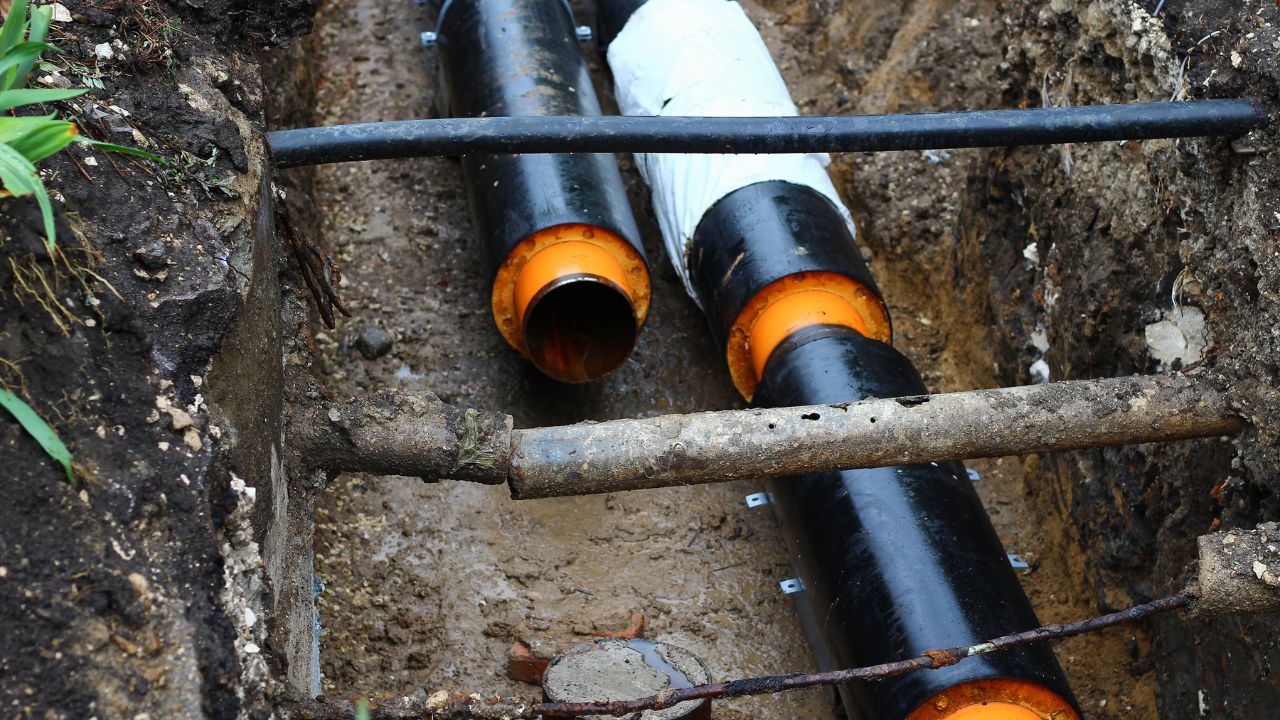
The sewer line repair vs replacement decision hinges on pipe condition and remaining lifespan. Trenchless repair ($4,000-$12,500) works for isolated damage in structurally sound pipes with remaining lifespan. Full replacement ($3,000-$10,000 trenchless) makes financial sense when pipes reach end-of-life (cast iron 30-50 years, clay 50-60 years), show widespread damage, or when repair costs approach replacement pricing. In California's seismic zones with aging infrastructure, replacement often costs less long-term than repeated repairs on failing pipe material.
Whether you're dealing with slow drains, frequent backups, or planning proactive maintenance, this analysis provides the decision framework for choosing the most cost-effective solution.
Understanding Your Sewer Line And Common Problems In California
California's unique environmental factors, seismic activity, expansive clay soils, and water conservation policies create specific challenges for residential sewer systems. Identifying problems early through video scope inspection prevents catastrophic failures and reduces costs by 70-80% compared to emergency repairs.
What Are The Most Common Sewer Line Problems California Homeowners Face?
Root intrusion: High risk in clay pipes (Risk: 5/5), medium in cast iron (Risk: 3/5); tree roots infiltrate joints seeking water and nutrients; starts localized, spreads system-wide if untreated
Corrosion/deterioration: Extremely high in cast iron (Risk: 5/5); interior pipe walls rust and disintegrate; typically system-wide, leading to replacement, not repair
Slow drainage across multiple fixtures: All bathroom drains and the kitchen sink are draining slowly simultaneously; a strong sign of a main sewer line issue, not just a single clog
Frequent sewage backups: Sewage backing up into bathtubs, showers, or toilets; indicates severe or complete blockage requiring immediate professional attention
Gurgling sounds and foul odors: Gurgling from drains after flushing or persistent sewage smells indicate trapped air from partial blockage or cracks allowing sewer gas to escape
Lush green patches in yard: Unusually green, fast-growing grass above sewer line; leak where wastewater fertilizes soil
Pipe sag/offset joints: Creates low spots where waste accumulates; common with seismic movement that shifts older rigid pipes
Water level fluctuations: Toilet water consistently too low, too high, or fluctuating randomly; indicates pressure imbalance from blockage or line break
California's active seismic zones and expansive clay soils cause ground movement that cracks and separates joints in older rigid pipes (clay, cast iron), creating entry points for root intrusion and backups. Tree root intrusion is widespread in established neighborhoods. State-mandated water conservation reduces flow in sewer lines, concentrating solids, grease, and debris, increasing clogs and corrosion frequency. Homeowners seekingSan Dimas sewer repair face these regional challenges regularly.
Repair vs. Replacement: Methods, Costs, And When Each Makes Sense
Method selection depends on damage extent, pipe age, material, and remaining lifespan. California's high labor and landscaping costs make trenchless sewer options the superior choice for both cost-effectiveness and minimal disruption.
What Do Sewer Line Repairs And Replacements Cost In California?
Method
Type
CA Cost (50ft)
Best For
Key Limitation
Spot Repair (Excavation)
Repair
$2,500–$12,500
Small, isolated damage
Requires extensive digging; damages landscaping and driveways
Trenchless Lining (CIPP)
Repair
$4,000–$12,500
Intact pipe with cracks/minor root intrusion
Not suitable for collapsed or severely offset pipes
Traditional Replacement
Replacement
$5,000–$20,000+
Complete pipe renewal with excavation access
Highest cost due to excavation labor and restoration expenses
Trenchless Pipe Bursting
Replacement
$3,000–$10,000
Full replacement with minimal disruption
Requires two small access pits
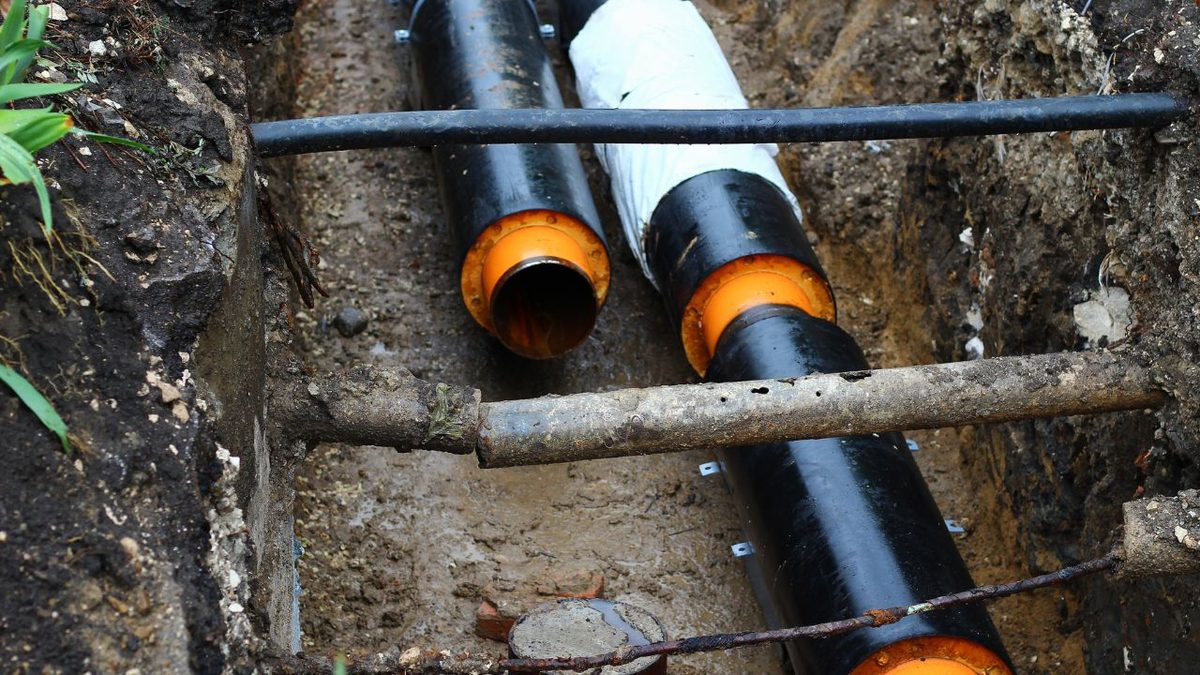
Traditional excavation costs include substantial restoration expenses, repaving driveways, replacing landscaping, and repairing sidewalks, which is why trenchless methods often cost less overall despite comparable base pricing. Restoration alone can add $3,000-$8,000 to excavation-based repairs. For more information on available methods, visit our plumbing services page.
When Is Trenchless Repair Enough vs. When Does Full Replacement Make Financial Sense?
Choose REPAIR when:
Video inspection shows isolated, localized damage in an otherwise sound pipe
Pipe has significant life remaining: PVC under 50 years, cast iron under 25 years, clay under 40 years
Single root intrusion or small crack is addressable with hydro-jetting or spot lining
Budget is extremely limited (though trenchless replacement may cost less than excavation-based repair)
Choose REPLACEMENT when:
Pipe age/material at end of life: cast iron 30-50 years (corrosion risk 5/5) or clay 50-60 years (root intrusion risk 5/5)
Widespread damage: multiple failures, system-wide issues visible on camera inspection
Collapsed or severely offset pipes: trenchless lining not suitable; structural integrity compromised
Financial break-even: cost analysis shows replacement ($3,000-$10,000 trenchless) pays for itself vs. repeated repairs over 5-10 years
Repeated failures: pipe already repaired 2+ times indicates systemic material failure
"A sewer scope inspection, especially before purchasing a home or at the first sign of a slow drain, can save a homeowner tens of thousands of dollars. It allows us to pinpoint the exact location and nature of the problem, be it a root ball, a crack, or an offset joint, before it turns into a catastrophic failure."
- Licensed Plumber/Home Inspector Consensus
How Do Pipe Materials And Lifespans Affect Your Cost-Benefit Decision?
Material
Typical Lifespan
Root Intrusion Risk
Corrosion Risk
CA-Specific Issues
PVC
100+ years
1 (Low)
1 (Low)
Highly resistant to seismic movement, roots, and corrosion
Cast Iron
30-50 years
3 (Medium)
5 (High)
Vulnerable to interior corrosion; joints crack with soil movement
Clay
50-60 years
5 (High)
2 (Low)
Joints easily invaded by roots; cracks with seismic activity
Epoxy Lining
50-100 years
1 (Low)
1 (Low)
Seamless, root-resistant; recommended by civil engineers
Modern trenchless technologies create seamless, root-resistant pipes lasting 50-100 years, eliminating the joint vulnerabilities and material degradation inherent in aging clay or cast iron systems. PVC and epoxy-lined pipes resist California's seismic shifts, root intrusion, and low-flow corrosion issues that destroy older materials.
Long-Term Cost Analysis: Repair vs. Replacement Over Time
Evaluating the total cost of ownership over 10-20 years reveals the replacement's financial advantage. This cost-benefit analysis demonstrates that aging pipes require escalating repairs until inevitable full replacement, while a new pipe provides decades of maintenance-free service.
What Does The 10-20 Year Cost Comparison Look Like?
Scenario
Upfront Cost
Future Costs (20 yrs)
Total
Per Year
Repair aging pipe repeatedly
$2,500–$12,500
Multiple repairs on end-of-life material, eventual replacement
$15,000–$30,000+
$750–$1,500+
Replace once (trenchless PVC)
$3,000–$10,000
Minimal maintenance (50-100 year lifespan)
$3,000–$10,000
$150–$500
Trenchless replacement often costs less than even one major excavation-based repair when restoration expenses (driveways, landscaping) are included, while providing a 50-100 year lifespan versus a temporary fix on failing pipe material. Homeowners who repair aging cast iron or clay pipes typically face 2-4 additional failures within 10 years before inevitable full replacement, multiplying costs and disruption.
Critical Warning Signs And When To Act
Early detection through video camera inspection reduces repair costs by 70-80% compared to emergency failures. Recognizing warning signs and acting proactively prevents catastrophic sewage backups and structural damage.
What Early Warning Signs Require a Sewer Camera Inspection?
Gurgling sounds after flushing – Trapped air from partial blockage impeding proper flow and venting
Multiple slow drains at same time – All fixtures draining slowly indicate a main line issue, not individual clogs
Frequent sewage backups into tubs/toilets – Severe or complete blockage requiring immediate professional attention
Persistent sewage odors – Blockage trapping gases or a crack allowing sewer gas to escape into the home or yard
Toilet water fluctuations – Water level consistently too low, too high, or fluctuating randomly indicates a pressure imbalance from blockage or line break
Unusually green yard patches above sewer line – Leak where wastewater fertilizes soil; often the first visible sign of pipe failure
Video camera inspection is the gold standard diagnostic tool that provides pinpoint accuracy, eliminating costly exploratory excavation. It enables informed decisions, choosing an appropriate repair method (simple hydro-jetting for clogs versus full pipe bursting for collapsed lines) based on visual evidence. Preventive maintenance catches minor issues like small root intrusion before catastrophic failure occurs.
Experts unanimously agree that camera inspection "can save a homeowner tens of thousands of dollars" by enabling early detection and targeted intervention.
Choosing A Contractor And Protecting Your Investment
Contractor selection directly impacts repair longevity and cost-effectiveness. California's competitive plumbing market requires homeowners to verify credentials and compare detailed estimates.
How Should You Compare Bids And Avoid Common Pitfalls?
What to verify:
California contractor license (active status), liability insurance, workers' compensation coverage
Actual video camera footage provided (not just verbal diagnosis)
Written estimates within typical ranges: $2,500-$20,000, depending on method, damage extent, and access
Clear explanation of trenchless versus traditional options with cost breakdown
Permit handling and restoration details included in scope
Warranty length: 50-100 years standard for new PVC installations
Red flags:
No camera footage was provided before the diagnosis
Recommendation for full replacement after minimal inspection
Pressure for an immediate decision without time to review options
Pricing significantly above average ranges without justification
Large upfront payment demands (standard is 10-20% deposit maximum)
How Can You Extend Your Sewer Line's Lifespan After Work Is Done?
Risk Level
Inspection Interval
Reasoning
High: Clay pipe (root risk 5/5) with trees
Every 1-2 years
Proactive root management is essential to prevent re-intrusion
High: Cast iron 30+ years (corrosion 5/5)
Every 1-2 years
Monitor deterioration progression in aging material
Low: New PVC, few trees nearby
Every 3-5 years
Minimal maintenance required for 100+ year lifespan
Prevention best practices: Avoid flushing wipes or feminine products (even "flushable" products), never pour grease down drains, plant new trees 10+ feet from sewer line, install root barriers in high-risk situations, watch for early warning signs (gurgling, slow drains, odors), and schedule inspection immediately when detected.
Making Your Repair vs. Replacement Decision
When deciding between sewer line repair and replacement, it’s important to gather all the facts and get answers to common questions about repair versus replacement decisions. Start with a video camera inspection to provide clear diagnostic evidence. Evaluate the pipe's age and material. Cast-iron pipes typically last 30-50 years, and clay pipes 50-60 years, replacing them when they reach the end of their lifespan.
Consider the long-term costs of repeated repairs, which can total $15,000-$30,000 over 10-20 years, compared to a one-time replacement cost of $3,000-$10,000. Getting 2-3 bids, including options for trenchless replacement, is also key, as trenchless methods can be more cost-effective despite similar per-foot pricing. For emergency situations like sewage backups, raw sewage indoors, strong sewer gas odors, or sinkholes above the sewer line, immediate action is necessary.
In California, trenchless repair (CIPP lining) is a good option for localized damage with a remaining pipe lifespan, typically costing $4,000-$12,500. However, full replacement may be more financially sensible when the pipe is at the end of its life, widespread damage is found during inspection, or replacement will save on repair costs in the next 5-10 years. Trenchless technologies offer durable, root-resistant solutions that last 50-100 years, ideal for California’s unique environmental challenges.
Need expert guidance on your sewer line decision? Contact Alpine Plumbing and Rooter for professional video camera inspection and transparent repair vs. replacement recommendations.
Welcome to Alpine Plumbing and Rooter, serving San Dimas and the surrounding areas as your reliable source for exceptional plumbing and drainage services. We also provide reliable licensed HVAC services.
After reviewing your information, we will contact you as soon as possible.
"*" indicates required fields
Alpine Plumbing, Heating, and Air
462 Borrego Ct Unit A, San Dimas, CA 91773
CA Plumbing/HVAC License: #1041244 AZ Plumbing License: ROC 362311
Welcome to Alpine Plumbing, Heating, and Air, serving San Dimas, San Bernardino, Lake Havasu, AZ, and the surrounding areas. We are your reliable source for exceptional plumbing, Heating, and Air Conditioning needs.