California homeowners spend between $1,500 and $25,000+ on sewer line repairs depending on damage severity and repair method. Understanding the sewer line repair cost in CA requires examining multiple factors, including pipe depth, surface restoration, and whether trenchless or traditional excavation makes financial sense. Repair costs vary significantly across regions due to labor rates, permit requirements, and local water conditions that accelerate pipe deterioration.
This guide provides detailed pricing breakdowns for every repair method California homeowners encounter in 2026. You'll learn how trenchless sewer repair prices compare to traditional excavation, what drives cost variations, and how to interpret contractor estimates confidently.
Key Takeaways
California sewer line repair costs range from $1,500 for spot repairs to $25,000+ for full lateral replacement, depending on method and scope
Trenchless methods cost $80–$250 per linear foot while traditional excavation runs $50–$250 per linear foot including restoration
Labor represents approximately 50% of total repair costs, with depth and surface restoration driving final pricing
Most California cities require permits and inspections for lateral work, with fees varying from $235 to $1,870+ by jurisdiction
Water hardness in California averages 6.2–10 GPG statewide, influencing long-term pipe maintenance and softener needs
Sewer Line Repair Cost Depends on Method, Depth, and Damage Severity
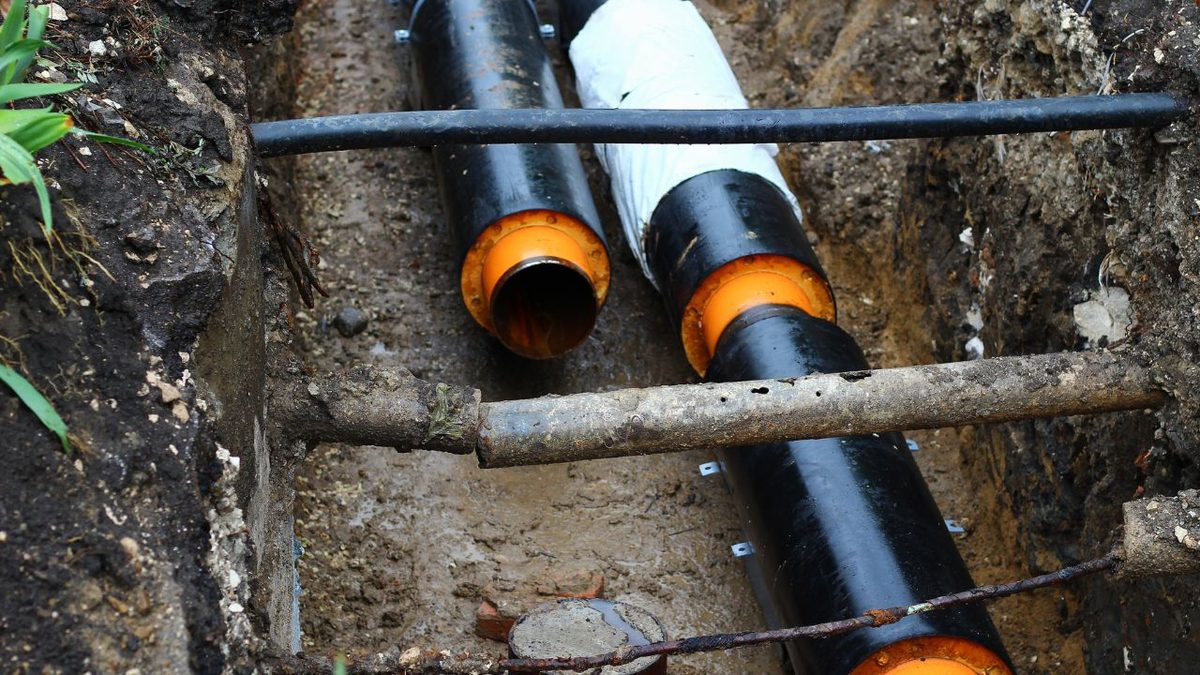
Sewer line repair restores damaged underground pipes carrying wastewater from your home to the municipal sewer system. These lateral lines deteriorate from tree root intrusion, ground shifts, corrosion, or age-related structural failure, requiring professional intervention. Most California homeowners own the lateral from their foundation to the property line or main connection point.
Timely repair prevents sewage backups, foundation damage, and contamination of surrounding soil that creates health hazards. Delaying necessary repairs typically escalates costs as minor cracks expand into complete pipe collapses requiring full replacement.
Common Causes of Sewer Line Damage
Tree roots seeking moisture infiltrate sewer lines through microscopic cracks, eventually crushing pipes entirely as roots expand. Clay and cast-iron pipes installed before 1980 are particularly vulnerable to root damage in California's mature landscaping zones. Ground movement from seismic activity or soil settling creates joint separation and fractures in rigid pipe materials.
Corrosive wastewater chemistry and chemical drain cleaners accelerate deterioration of metal pipes over decades of service. Grease buildup combined with invasive roots often triggers blockages that require drain cleaning methods explained types pros and when to use each before structural damage becomes evident.
Types of Sewer Line Repair Methods
CIPP lining inserts a resin-saturated fabric tube into existing pipes, curing it into a structural pipe-within-a-pipe. This trenchless method requires the host pipe to retain at least 40% structural integrity to support the liner during installation. Spin-casting applies epoxy coating inside pipes at $80–$250 per linear foot, sealing cracks without full excavation.
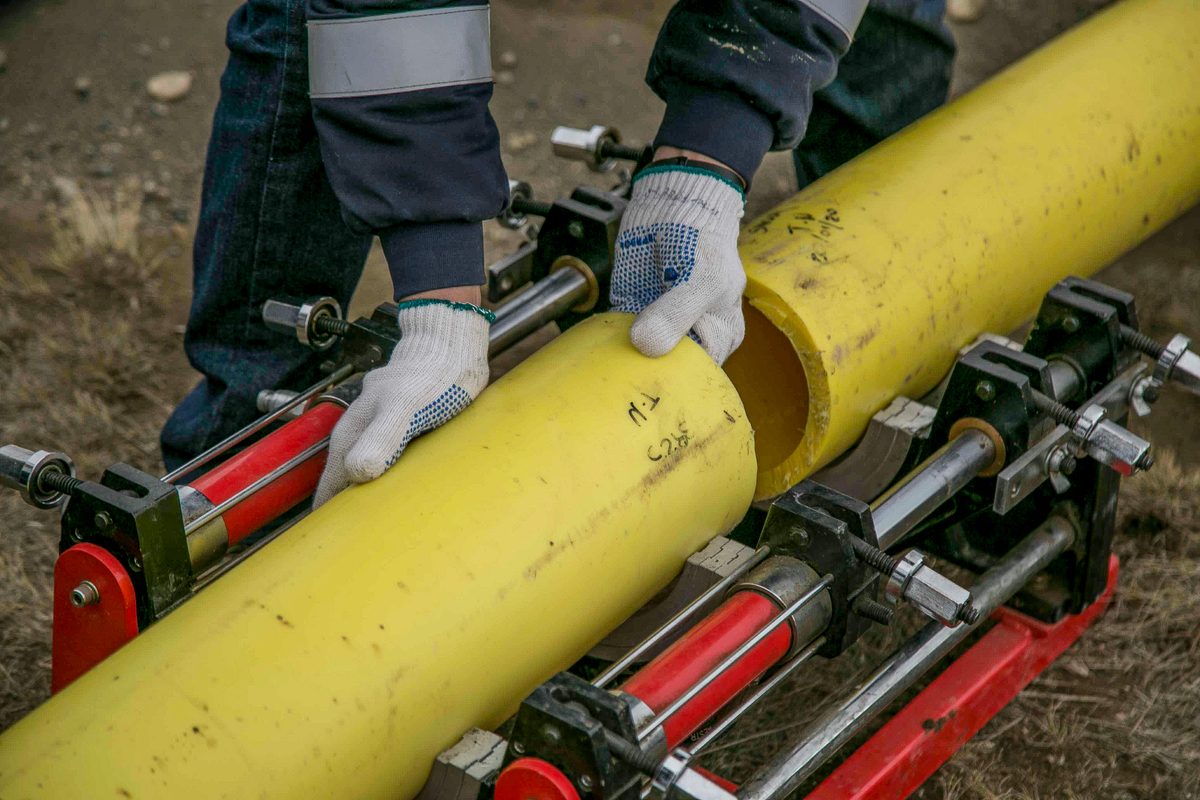
Pipe bursting replaces old lines by pulling a bursting head through existing pipes while simultaneously installing new material. Hydro jetting uses high-pressure water at 1,500–4,000 PSI to clear blockages before repair work begins. Main sewer line repair often combines multiple methods depending on damage assessment.
Differences Between Traditional and Trenchless Repairs
Traditional excavation adds $3,000–$8,000 in surface restoration costs compared to trenchless alternatives that minimize landscape disruption. A 50-foot CIPP liner costs $4,800–$7,200 total versus $6,100–$12,400 for traditional open-cut replacement including restoration. Trenchless pipe-bursting for the same length runs $6,000–$13,000 compared to $8,900–$16,300 for open-trench methods.
Traditional open-trench digging labor alone costs $5–$12 per linear foot before adding pipe materials and restoration. Trenchless boring runs $10–$30 per linear foot but eliminates driveway, landscaping, and concrete replacement expenses.
Sewer Line Repair Cost Calculation Includes Labor, Materials, and Permits
Sewer line repair cost calculation combines labor rates, material expenses, permit fees, and site-specific complexity factors. Contractors assess pipe depth, surface type above the line, access limitations, and local code requirements before providing estimates. Total project costs typically split evenly between labor and materials, with permits adding jurisdiction-specific fees.
Accurate cost of sewer line replacement estimates require camera inspection revealing damage extent and location. Properties with deep lines, hardscape surfaces, or limited access carry premium pricing compared to shallow lines under open lawn areas.
Factors Affecting Repair Costs in California
Labor represents approximately 50% of total sewer repair costs in California's competitive contractor market. Each 2-foot increase in pipe depth adds 25%–40% to labor costs due to shoring requirements and excavation complexity. OSHA mandates protective shoring for any excavation exceeding 5 feet in depth, adding equipment and time expenses.
Most California cities require permits and inspections for lateral work ranging from $235 to $1,870+ depending on jurisdiction. Some municipalities mandate lateral certification during home sales, creating urgency for repairs that might otherwise be deferred.
Cost Components: Labor, Materials, and Permits
Root-removal and digging labor rates range from $75–$200 per hour across California's urban and suburban markets. Pipe material costs vary from $4.50–$85 per linear foot depending on composition and diameter specifications. PVC and ABS pipe materials run $3–$11 per foot for residential applications.
CIPP lining, pipe bursting, and traditional excavation each carry different per-foot costs in California, with traditional excavation requiring more labor and material investment for a complete replacement.
Trenchless methods range from $60–$300 per linear foot across all techniques and site conditions. Most California contractors budget CIPP lining at $70–$150 per linear foot for straightforward residential projects.
Typical Sewer Line Repair Prices Vary by Method and Location in California
California sewer line repair prices vary significantly between spot repairs and full lateral replacements based on damage extent. Regional labor rates, permit costs, and restoration complexity create pricing ranges that require site-specific evaluation. Understanding typical pricing helps homeowners identify reasonable estimates versus inflated quotes during emergency situations.
Sewer line repair estimate California figures incorporate local soil conditions, water table depth, and municipal code requirements. Los Angeles area pricing tends to be higher than inland regions due to higher labor costs and stricter permitting.
Spot Repairs Vs. Full Lateral Replacement Costs
California spot repairs address isolated damage sections, while full lateral replacement covers a complete line installation from foundation to municipal connection, as the table below details.
Los Angeles typical jobs cost $2,158–$6,816 with an average of $3,294 for standard residential laterals. Sewer line repair in San Dimas pricing aligns with broader LA County rates given similar labor markets and permitting requirements.
Repair Type
Typical Cost Range
Context
Spot Repair
$1,500–$5,000
Isolated section
Full Lateral Replacement
$5,000–$25,000+
Foundation to connection
National Average
$3,319 ($225–$10,000)
Full replacement
LA Typical Job
$2,158–$6,816 (avg. $3,294)
Residential lateral
Per Linear Foot Cost Breakdown by Method
California trenchless methods, including CIPP lining and pipe bursting, vary widely on a per-foot basis depending on pipe diameter and job complexity, as the table below shows.
Los Angeles pipe lining specifically ranges from $135–$185 per foot for competitive contractor pricing. LA pipe bursting runs $145–$195 per foot, reflecting urban access challenges and higher labor rates.
Repair Method
Statewide CA Range (per ft)
LA County Range (per ft)
CIPP / Pipe Lining
$80–$250
$135–$185
Pipe Bursting
$60–$200
$145–$195
Traditional Excavation
$50–$250
Varies by access
Additional Expenses: Surface Restoration and Inspections
Pre- and post-camera inspection costs $200–$400 to document damage and verify repair quality after completion. Landscaping restoration runs $4–$12 per square foot depending on plant material and irrigation system complexity. Lawn restoration costs $4–$7 per square foot for sod or seed installation over repaired trenches.
Asphalt restoration ranges from $8–$14 per square foot for driveway or street surface replacement following excavation. Concrete restoration costs $11–$18 per square foot, making hardscape repairs significantly more expensive than lawn areas.
Drain Cleaning Costs in Southern California Depend on Method and Severity
Drain cleaning costs in Southern California range from $100 for simple snaking to $1,500+ for hydro jetting main sewer lines. Method selection depends on blockage severity, pipe condition, and whether roots or grease cause the obstruction. Regular maintenance cleaning costs substantially less than emergency service calls requiring after-hours technician dispatch.
Understanding pricing differences between methods helps homeowners request appropriate service without overpaying for unnecessary procedures. Sewer camera inspection how it works and when you need one, often precedes drain cleaning to identify blockage causes and optimal clearing methods.
Drain Cleaning Methods and Their Price Ranges
Hydro jetting, simple snaking, and cable snaking each address different levels of blockage severity, from minor clogs to main line obstructions, as the table below details.
Chemical treatments and hand snake tools round out the lower-cost options for minor, accessible clogs.
Method
Price Range
Ideal For
Hydro Jetting
$300–$800+
Grease, minor roots
Cable Snaking (Main Line)
$285–$495
Main line blockages
Simple Drain Snaking
$100–$275
Sink or toilet clogs
Chemical Treatment
$125–$225
Organic buildup
Hand Snake Tool
$75–$175
Minor fixture clogs
Location-Based Cost Variations: Sink Drains to Main Sewer Lines
Simple sink and tub cleaning costs $100–$275 for straightforward clogs cleared through trap access. Sink snake services specifically run $150–$275 depending on fixture type and access difficulty. Kitchen grease drains cost $150–$300, reflecting additional complexity from accumulated fats blocking horizontal runs.
Main sewer line cleaning ranges $200–$800 depending on blockage severity and line length requiring treatment. Sewer-line snake costs run $200–$500 for cable-based clearing of main lateral obstructions.
Emergency and After-Hours Service Surcharges
Emergency service premiums add 1.5x–2x the standard rate for calls requiring immediate technician dispatch. After-hours fees in Los Angeles add $150–$300 flat charges for evening, weekend, or holiday service calls. Emergency surcharges total $100–$300 above scheduled service rates for urgent blockage clearing.
Overtime labor rates apply at 1.5x–2x standard hourly costs for technicians working outside business hours. Business-hours scheduling saves 30%–50% compared to evenings and weekends for non-urgent drain cleaning needs.
Homeowners Assess Sewer Line Problems Through Camera Inspections and Warning Signs
Homeowners assess sewer line problems through professional camera inspections revealing internal pipe conditions and damage locations. Visual inspection identifies cracks, root intrusion, corrosion, and structural collapse before committing to repair methods. Early detection through routine inspections prevents emergency failures requiring expensive after-hours service.
Recognizing warning signs helps homeowners schedule inspections before minor issues escalate into complete system failure. Diagnostic services provide documentation supporting accurate repair estimates and insurance claims when applicable.
When to Schedule a Camera Inspection
Camera inspection costs $125–$750 depending on line length and access point availability for equipment insertion. Standalone camera inspections without additional services run $250–$900 for comprehensive lateral documentation. Standard camera inspections average $100–$300 when bundled with drain cleaning or repair estimates.
Schedule inspections when purchasing older homes, experiencing recurring slow drains, or before landscaping projects near sewer lines. Properties with mature trees should undergo camera inspection every 3–5 years to detect root intrusion early.
Signs Indicating Sewer Line Issues
Multiple drains backing up simultaneously indicate a main sewer line blockage rather than isolated fixture problems. Persistent sewage odors in yard areas or basement spaces suggest cracked pipes leaking wastewater into surrounding soil. Unexplained wet spots or unusually lush grass patches above the lateral line reveal underground leaks feeding vegetation.
Gurgling sounds from toilets when running water elsewhere signal venting problems or partial blockages restricting flow. Foundation cracks near the sewer lateral combined with drainage issues warrant immediate professional assessment.
Role of Diagnostic Fees and Service Calls
Service call and diagnostic fees range $50–$200+ for technician dispatch and initial problem assessment. Trip and dispatch fees cost $75–$200 to cover technician travel and basic evaluation time. Service call fees in Los Angeles specifically run $250–$450, reflecting higher metropolitan area operating costs.
Emergency service call fees reach $150–$500 for urgent assessments outside normal business hours. Most contractors waive trip and dispatch fees if homeowners proceed with recommended repair work.
Water Softener Options and Costs Vary for California Homes
Water softener options for California homes include salt-based ion exchange systems, salt-free conditioners, and electronic descalers, each priced differently by system type and capacity. California's variable water hardness creates different softening needs across regions, requiring capacity matching to household size.
Choosing appropriate softening technology depends on actual water hardness levels, household water consumption, and maintenance preferences. Are water softeners worth it for California homeowners depends on measured hardness exceeding 7 grains per gallon.
Salt-Based Vs. Salt-Free Water Softeners
Salt-based and salt-free water softeners carry different installed and equipment-only costs, summarized in the table below.
Salt-based systems provide 15–20-year lifespans with proper maintenance, including periodic salt replenishment. TAC technology in salt-free systems conditions water without regeneration cycles but doesn't eliminate soap scum completely.
System Type
Installed Cost
Notes
Salt-Based Ion Exchange
$1,200–$3,800
15–20 year lifespan
Salt-Free (TAC) Conditioner
$1,500–$4,500
No mineral removal
Whole-House Electronic Descaler
$200–$600
Reduces scale only
Electronic and Magnetic Descalers: Pros and Pricing
Magnetic and electronic descalers cost $200–$600 for whole-house professionally installed units preventing scale buildup electromagnetically. Portable electronic descalers run $150–$300 for DIY installation, protecting limited fixture groups. Industrial electronic descalers reach $1,000–$5,000 for commercial applications requiring greater capacity.
Electronic descaler average pricing sits around $200 based on 2021 market data for residential units. These systems don't remove hardness minerals but alter their crystallization behavior, reducing pipe scale formation.
Installation Complexity and Ongoing Maintenance Costs
Installation costs separate from equipment pricing run $300–$1,000 depending on plumbing configuration and accessibility. Straightforward labor costs $200–$400 for simple installations near existing water mains with adequate space. Complex labor reaches $400–$800+ when requiring new supply lines, drain routing, or bypass valve installation.
Water softener maintenance costs $100–$300+ annually for salt replenishment, filter changes, and system servicing. Annual salt costs alone total $60–$120 depending on household water consumption and regeneration frequency.
Water Hardness Affects Pipes, Appliances, and Plumbing Costs in California
Water hardness affects California homeowners through accelerated pipe corrosion, appliance scaling, and reduced soap efficiency requiring mitigation. Regional hardness varies from soft coastal supplies to very hard inland groundwater sources, creating location-specific needs. Understanding local hardness levels helps homeowners determine whether softening systems provide cost-effective benefits.
California statewide average hardness measures 6.2 grains per gallon according to water district composite data. Los Angeles-specific hardness reaches 8.0 GPG, classified as moderately hard by water quality standards. Santa Clara County groundwater exceeds 250 mg/L, translating to approximately 14.6 GPG from mineral-rich aquifers.
Santa Clara County treated surface water measures under 120 mg/L or approximately 7 GPG after municipal processing. Blended water hardness typically ranges 120–180 mg/L, equivalent to 7–10 GPG throughout most California service areas.
Matching Water Softener Capacity to Household Needs
The sizing formula multiplies household members times 75 gallons daily consumption times GPG hardness times 7 days, equaling weekly grain capacity needed. A 48,000-grain system suits 3–4 person households in moderate-hardness areas using standard appliances. A 64,000-grain capacity serves larger families or higher mineral content situations requiring greater regeneration intervals.
Hardness above 15 GPG often needs 48,000–64,000-grain systems to maintain adequate softening between regeneration cycles. Systems rated 40,000–48,000-grain suit multi-bathroom homes with moderate hardness, avoiding daily regeneration frequency.
Benefits of Water Testing Before Installation
Professional water testing reveals actual hardness levels, iron content, and pH affecting system selection and sizing. Testing costs $50–$150 but prevents purchasing inadequate capacity or unnecessary equipment for already-soft water. Test results document baseline conditions justifying system investments and supporting accurate capacity calculations.
Annual testing tracks softener performance and identifies resin bed degradation requiring replacement or regeneration adjustments. Homeowners should test water before installation, annually thereafter, and after any municipal supply source changes.
Sewer Line Repair Costs: A Comprehensive Overview for California Homeowners
Understanding sewer line repair costs requires evaluating multiple factors including repair method, pipe depth, and surface restoration expenses. California homeowners benefit from comparing trenchless and traditional options based on site-specific conditions rather than cost alone. Sewer line repair costs in San Dimas and surrounding San Gabriel Valley communities reflect broader Los Angeles County pricing influenced by labor rates and permit requirements.
Transparent cost breakdowns help homeowners budget appropriately and identify contractors providing fair pricing versus inflated estimates. Working with licensed professionals ensures compliance with California plumbing codes and municipal lateral ownership requirements.
Proper repair method selection balances immediate costs against long-term durability and future maintenance needs. Sewer line repair upland pricing demonstrates consistent regional rates across the San Gabriel Valley service area. Homeowners who invest in camera inspections before committing to repairs make informed decisions supported by visual documentation of actual conditions.
Get a Sewer Line Repair Estimate From Alpine Plumbing, Heating, and Air
Alpine Plumbing, Heating, and Air has served San Dimas and the San Gabriel Valley since 2017, and our licensed technicians provide camera inspections and clear, written estimates before any work begins. Call (626) 385-4001 or request a free quote online to review your trenchless and traditional repair options.
Frequently Asked Questions About Sewer Line Repair Costs
How much does sewer line repair cost in California?
Most repairs cost between $1,500 for isolated spot repairs and $25,000 or more for a full lateral replacement, depending on method and pipe depth.
Is trenchless sewer repair cheaper than traditional excavation?
Trenchless methods often cost less overall once restoration is included, even though the per-foot rate runs higher than open-trench digging.
Do I need a permit for sewer line repair in California?
Most California cities require permits and inspections for lateral repair work, with fees ranging from $235 to $1,870 or more depending on jurisdiction.
What are the warning signs of a sewer line problem?
Multiple drains backing up at once, persistent sewage odors in the yard, and unusually lush grass above the lateral line all point to a damaged sewer line.
Do California homes need a water softener?
Softeners become worth considering once measured hardness exceeds about 7 grains per gallon, a threshold many Los Angeles-area and inland California homes reach.
Welcome to Alpine Plumbing and Rooter, serving San Dimas and the surrounding areas as your reliable source for exceptional plumbing and drainage services. We also provide reliable licensed HVAC services.
After reviewing your information, we will contact you as soon as possible.
"*" indicates required fields
Alpine Plumbing, Heating, and Air
462 Borrego Ct Unit A, San Dimas, CA 91773
CA Plumbing/HVAC License: #1041244 AZ Plumbing License: ROC 362311
Welcome to Alpine Plumbing, Heating, and Air, serving San Dimas, San Bernardino, Lake Havasu, AZ, and the surrounding areas. We are your reliable source for exceptional plumbing, Heating, and Air Conditioning needs.