California homeowners face an evolving water heater landscape shaped by technological advances, policy incentives, and rising energy costs. The state sells approximately 800,000 water heaters per year, with storage tanks still leading at 72.3% of recent purchases despite growing interest in heat pump and tankless systems.
Selecting the best water heaters 2026 for your household requires balancing upfront cost, operating efficiency, installation readiness, and hot water demand patterns. This guide provides California water heater recommendations grounded in current market data, sizing methods, and real-world pricing to help San Gabriel Valley homeowners make informed decisions.
Key Takeaways
- Conventional tank water heaters account for 72.3% of California purchases and offer the lowest upfront cost for emergency replacements.
- Heat pump water heaters deliver the best efficiency and operating savings but require adequate space, electrical readiness, and often cost $3,600-$6,500 installed.
- Proper sizing matters more than technology: match first-hour rating to peak demand for tanks and simultaneous flow rate for tankless systems.
- San Dimas replacement costs range from $1,200-$3,500, depending on equipment type, installation complexity, and necessary upgrades.
- California sells approximately 800,000 water heaters annually, with the 2026 residential market estimated at $2.06 billion and projected to reach $2.62 billion by 2031.
What Types of Water Heaters Are Common in California Homes?
California's residential market is dominated by four water heater categories, each offering distinct advantages based on household needs and installation conditions. Understanding how these systems work and who benefits most from each type is essential when choosing the right water heater for your home.
Recent consumer research shows that conventional tanks represent the largest share of California purchases, while tankless and heat pump systems are growing among homeowners planning upgrades rather than emergency replacements. Solar thermal remains a niche category suited to sustainability-focused buyers with favorable site conditions.
How Do Conventional Tank Water Heaters Work and Who Are They Best For?
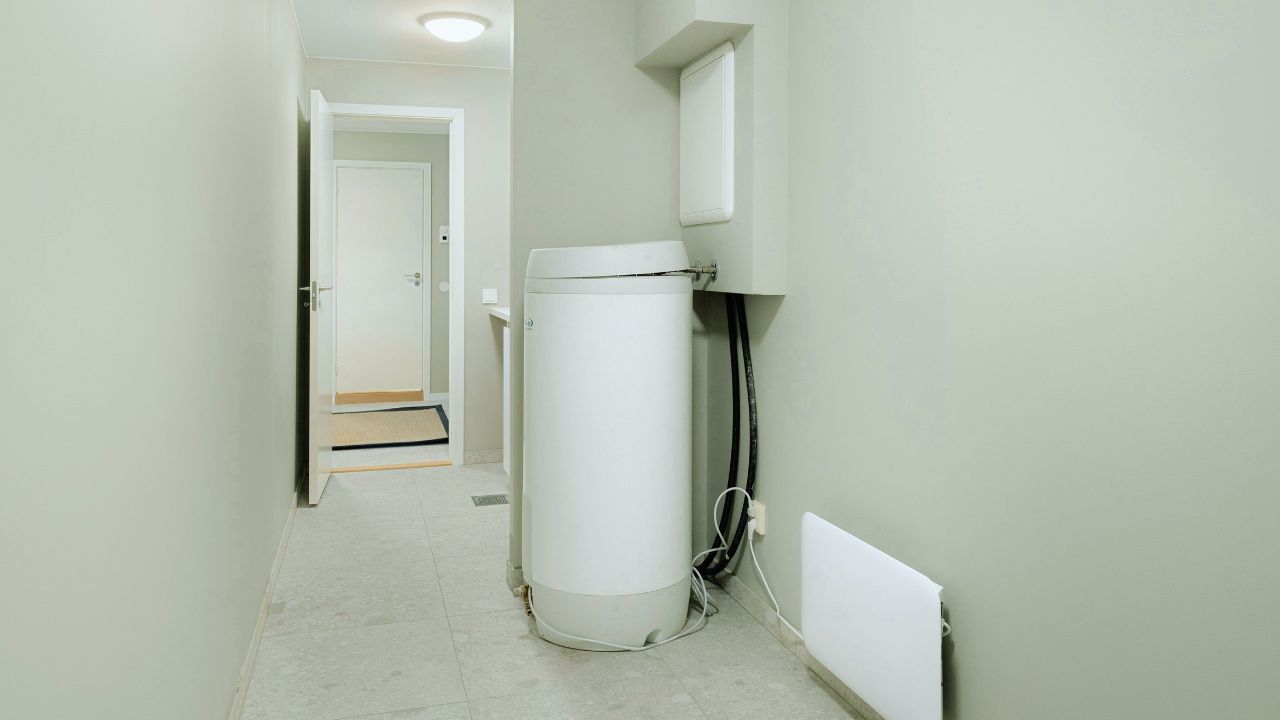
Conventional tank water heaters store 30-80 gallons of heated water in an insulated vessel using gas or electric heating elements. These systems maintain a ready supply of hot water but experience standby energy losses as stored water cools between uses.
Tank systems remain the default choice for many California homeowners because they offer the lowest upfront cost and simplest replacement process during emergencies. They work best for households prioritizing quick installation, minimal complexity, and budget-conscious solutions where operating cost is a secondary concern.
What Are the Features and Benefits of Tankless Water Heaters?
Tankless water heaters heat water on demand as it flows through a heat exchanger, eliminating the need for storage tanks. Wall-mounted units save floor space and deliver continuous hot water as long as flow rates stay within the heater's capacity.
These systems provide endless hot water, longer service life, and space savings compared to conventional tanks. However, tankless water heaters California installations typically cost $1,500-$3,500 and may require gas line sizing upgrades or dedicated electrical circuits, depending on fuel type.
Why Are Heat Pump Water Heaters Growing in Popularity?
Heat pump water heaters use electricity to move heat from ambient air into a storage tank, operating like a refrigerator in reverse. These hybrid systems combine a heat pump with electric resistance elements for backup heating during high-demand periods.
Heat pump units deliver the best efficiency among all residential water heaters, reducing operating costs by 50-70% compared to standard electric tanks. California policy incentives and utility rebates make these energy-efficient water heaters increasingly attractive despite the higher upfront costs of $3,600-$6,500 installed.
How Do Solar Thermal Water Heaters Fit into California's Market?
Solar thermal systems use roof-mounted collectors to capture solar energy and transfer heat to a storage tank with a backup heat source. These systems operate best in sunny climates with favorable roof orientation and minimal shading.
California's solar resource makes thermal water heating technically viable, but the category represents only 0.6% of state purchases. Solar systems often cost $4,000-$9,000 installed at approximately $100 per square foot of collector area, creating longer payback periods than other efficiency upgrades.
What Are the Typical Price Ranges for Different Water Heater Types in San Dimas and California?
San Dimas water heater replacement costs vary significantly based on equipment type, installation complexity, and necessary code upgrades. Standard tank water heaters cost $800-$1,500 for equipment, while complete installations, including labor and permits, range from $1,200-$3,500.
Los Angeles area data shows average replacement costs of $1,740, with most projects falling between $1,140-$2,410 depending on system type and scope. High-efficiency gas water heater installations and tankless conversions typically fall in the $2,800-$5,100 range, while heat pump systems occupy the premium tier at $3,600-$6,500 installed.
How Should Homeowners Choose the Right Water Heater Size?
Proper sizing prevents hot water shortages and avoids wasting energy heating excess capacity. The Department of Energy recommends different sizing methods based on water heater type and household usage patterns.
California homeowners average 2.75 persons per household in suburban communities like San Dimas, suggesting most families fit the 40-65 gallon planning range. However, simultaneous shower use and appliance timing create peak-hour demands that require careful sizing analysis beyond simple occupant counts.
What Sizing Methods Apply to Tank and Heat Pump Water Heaters?
First-hour rating measures how many gallons a tank or heat pump system can deliver during its busiest one-hour window. This metric accounts for both stored capacity and recovery rate to ensure adequate supply during morning or evening demand peaks.
DOE sizing worksheets help homeowners calculate peak-hour demand by totaling hot water use for simultaneous showers, dishwashing, and laundry. A sample calculation shows 66 gallons of first-hour demand for a typical multi-person household, indicating why many families outgrow undersized 40-gallon tanks.
How Do You Size a Tankless Water Heater Based on Household Usage?
Simultaneous fixture flow rate determines tankless capacity by adding the gallons-per-minute demand of all fixtures that may run at once. A bathroom faucet typically flows at 0.75 gpm while a shower head delivers 2.5 gpm.
DOE examples demonstrate that running a shower and bathroom sink simultaneously requires a minimum tankless capacity of 3.25 gpm at the needed temperature rise. Whole-home tankless systems must account for multiple bathrooms, kitchen use, and laundry to prevent flow restrictions during peak demand.
When Should Homeowners Upsize for Heat Pump Water Heaters?
Heat pump water heaters recover more slowly than gas tanks because they extract heat from ambient air rather than combustion. California installers often recommend moving from 50-gallon gas tanks to 65-gallon heat pump units to maintain comparable hot water availability.
This upsizing compensates for the heat pump's lower heating speed while still delivering substantial energy savings. Proper sizing becomes especially critical in households where signs it's time for a new water heater include frequent hot water shortages from undersized legacy equipment.
How Do Consumer Priorities Shape the Best Water Heater Choices?
California buyer research reveals that reliability, energy savings, and ease of installation rank highest among residential decision-makers. These practical concerns outweigh abstract environmental messaging for most homeowners facing replacement decisions.
Statewide surveys show 86% of respondents prioritize reliable hot water, 85% value energy savings, and 77% consider ease of installation important when evaluating options. Understanding these priority patterns helps homeowners align technology choices with their most important household needs.
What Reliability and Efficiency Factors Matter Most to Buyers?
Reliability encompasses both system longevity and consistent hot water delivery without performance degradation. Tank water heaters typically last 8-12 years, while tankless and heat pump units offer 15-20-year service lives with proper maintenance.
Efficiency ratings directly impact operating costs, with heat pump systems achieving 2.5-3.5 energy factors compared to 0.90-0.95 for standard electric tanks. However, homeowners must weigh these savings against higher initial costs and installation requirements specific to heat pump technology.
How Can Homeowners Balance Upfront Cost with Long-Term Savings?
Emergency replacements often drive buyers toward the lowest-cost tank systems because of time pressure and immediate financial constraints. California data shows 46% of installations are emergency replacements, while 43% are planned upgrades, allowing for a more thorough evaluation.
Planned replacements enable homeowners to calculate lifecycle costs by comparing equipment price, installation complexity, expected service life, and annual energy savings. A heat pump system costing $4,500 more than a standard tank but saving $400 annually reaches payback in approximately 11 years before delivering net savings.
What Role Does Fuel Type and Electrification Play in Decision Making?
California's decarbonization policies increasingly favor electric heat pump systems over gas water heaters for new installations and major retrofits. State incentive programs and utility rebates can reduce heat pump costs by $1,000-$2,500, depending on location and household income.
Gas water heaters remain practical where gas infrastructure exists, and electrical service cannot easily accommodate heat pump loads. Homeowners should consider whether water heater repair or replacement offers opportunities to align with California's evolving energy landscape while meeting household needs.
Best Water Heaters for California Homes: 2026 Recommendations and Buyer Profiles
The best water heater for any California household depends on specific occupancy patterns, installation conditions, budget constraints, and ownership timeline. No single technology wins across all scenarios despite marketing claims suggesting otherwise.
Budget-focused households facing emergency failures typically benefit most from direct tank replacements costing $1,200-$2,500 installed. Families planning renovations or concerned about traditional vs tankless water heater tradeoffs should evaluate whole-home tankless systems in the $2,800-$5,100 range for premium performance and space savings.
Long-term homeowners prioritizing operating efficiency and sustainability should consider heat pump water heaters despite the higher upfront costs of $3,600-$6,500 installed. These systems deliver the strongest lifecycle value in California's energy cost environment while supporting state electrification goals.
Households with adequate garage or utility room space, 240-volt electrical service, and plans to stay 8-15 years capture maximum value from heat pump technology. Communities like San Dimas, with 72.4% owner occupancy rates, show a strong demographic fit for efficiency investments.
Emergency replacement scenarios require different decision frameworks because time pressure limits options. Homeowners experiencing water heater failure warning signs should maintain contractor relationships and understand when to replace a water heater before crisis conditions force suboptimal choices.
Preventive maintenance extends equipment life and reduces emergency failures. Regular tasks like knowing how often to drain a hot water heater and monitoring common water heater issues help homeowners maximize value from any system type.
California's residential water heater market continues evolving as policy, incentives, and technology reshape the replacement landscape. The 2026 market is estimated at $2.06 billion, growing to $2.62 billion by 2031 as efficiency standards tighten and electrification accelerates.
Homeowners making water heater decisions in 2026 benefit from understanding these trends while keeping practical household needs at the center of technology choices. The right system balances initial cost, operating efficiency, installation readiness, and hot water demand to deliver reliable performance throughout its service life.
Alpine Plumbing, Heating, and Air helps San Gabriel Valley homeowners navigate water heater decisions with honest assessments and transparent options. Our licensed technicians evaluate your home's specific conditions to recommend systems that match your household's needs and budget constraints.
Ready to Choose the Right Water Heater for Your Home?
Picking between a tank, tankless, or heat pump system comes down to the details of your home: your hot water habits, available space, electrical setup, and budget. Alpine Plumbing, Heating, and Air has helped San Gabriel Valley homeowners make this decision since 2017, and we'll walk you through every option without pushing an upgrade you don't actually need.
Whether you're replacing a failing tank on short notice or planning a long-term efficiency project, our licensed technicians will inspect your current setup, size the new system correctly, and give you a clear, written quote before any work begins.
Schedule a free estimate with Alpine Plumbing, Heating, and Air, and get honest guidance from a team that treats your home like our own.