Water pressure problems disrupt showers, slow dishwashers, and stress plumbing systems throughout the home. Consistent pressure between 45-60 psi supports normal household activities without damaging pipes or fixtures. Pressure below 40 psi causes weak flow, while pressure above 80 psi accelerates wear on appliances and plumbing components.
Homeowners often assume a single fix will solve all pressure issues. Effective water pressure solutions require accurate diagnosis of whether the problem is systemic, fixture-specific, or caused by municipal supply conditions. This guide explains how to identify water pressure causes, select appropriate hardware, and balance first cost against long-term system reliability.
Key Takeaways
- Low pressure throughout the home often indicates municipal supply issues, long service lines, or failing booster pumps
- High water pressure above 80 psi can damage pipes, appliances, and fixtures without proper regulation
- Pressure-reducing valves cost $200-$700 to replace, while booster pumps range from $997-$4,330
- Hard water accelerates scale buildup in pipes and water heaters, contributing to pressure restrictions
- Wrong hardware recommendations are common failure modes; accurate diagnosis prevents costly mistakes
What Are the Types of Water Pressure Problems?
Water pressure problems fall into three categories: low pressure throughout the home, high pressure causing damage, and fixture-specific restrictions. Each type requires a different diagnostic approach and solution. Low pressure affects all fixtures equally, while high pressure often goes unnoticed until appliances fail prematurely.
Fixture-specific problems suggest localized restrictions rather than systemic issues. Identifying the problem type before purchasing equipment prevents spending money on solutions that do not address the root cause.
What Causes Low Water Pressure Throughout the Home?
Low water pressure throughout the home typically stems from municipal supply limitations, long service lines, or undersized plumbing. Homes at the end of distribution lines or in elevated areas often receive lower pressure than homes closer to water mains. Aging galvanized pipes narrow over time as corrosion and mineral deposits reduce the interior diameter.
Failing booster pumps or private well systems also cause whole-home low pressure. Pressure below 40 psi makes showers weak, slows washing machines, and extends dishwasher cycle times.
Why Does High Water Pressure Cause Damage?
High water pressure above 80 psi stresses pipes, joints, and appliance valves beyond their design limits. Excessive pressure causes water hammer, leaks at connection points, and premature failure of dishwashers, washing machines, and water heaters. Most fixtures and appliances are rated for pressures between 40 and 80 psi.
Pressure spikes from municipal systems or failing pressure-reducing valves accelerate wear on plumbing components. Banging pipes and frequent appliance repairs often indicate pressure regulation problems requiring immediate attention.
How Do Fixture-Specific Pressure Issues Differ from Systemic Problems?
Fixture-specific pressure issues affect only one faucet, shower, or appliance rather than the entire system. Clogged aerators, partially closed valves, or scale buildup inside individual fixtures restrict flow without indicating system-wide problems. Isolating the fixture confirms whether cleaning or replacement will restore normal pressure.
Systemic problems affect multiple fixtures simultaneously and usually require pressure testing or pump inspection. Diagnosing fixture-level restrictions prevents unnecessary system upgrades when simple maintenance would solve the problem.
How Do Water Pressure Systems and Components Work?
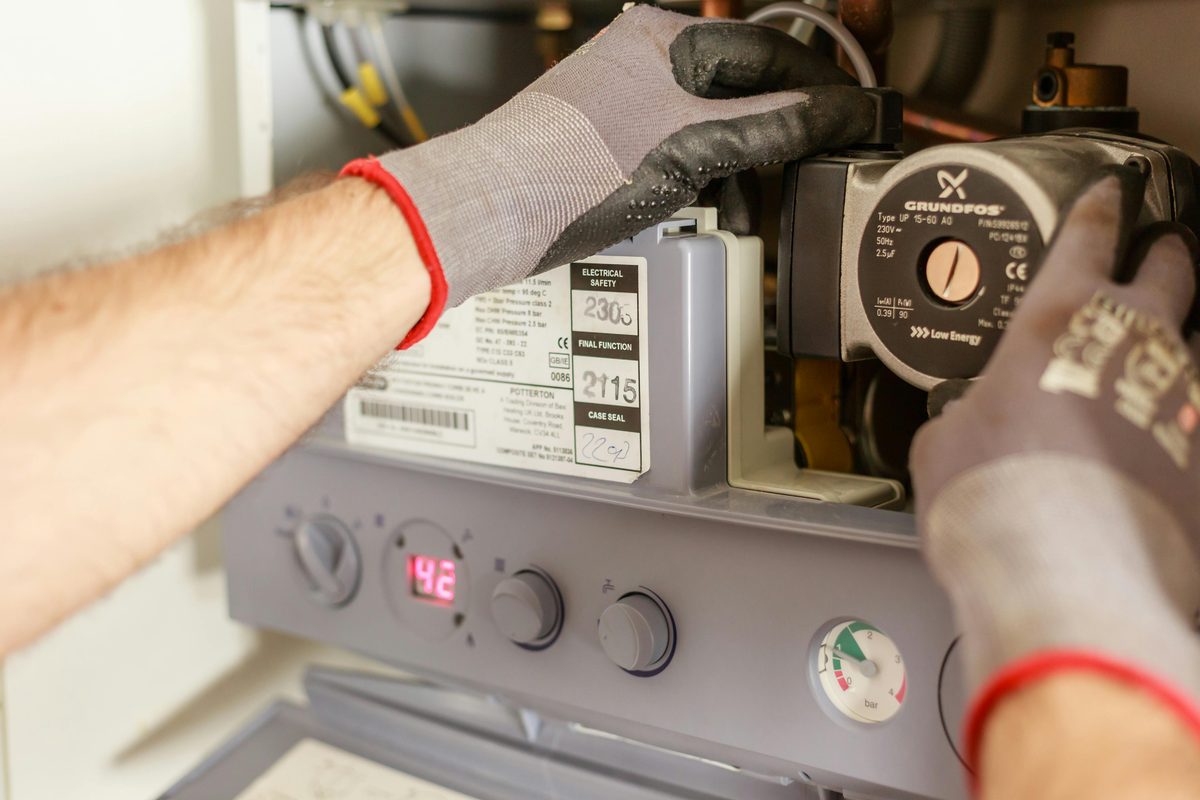
Water pressure systems regulate flow and maintain consistent delivery throughout the home. Municipal water enters at street pressure, which varies by location, elevation, and time of day. Pressure-reducing valves and booster pumps adjust incoming pressure to safe, functional levels for household plumbing.
Understanding component roles helps homeowners recognize when regulation fails or when boosting becomes necessary. Proper system design prevents both low-pressure frustration and high-pressure damage.
What Is the Role of Pressure-Reducing Valves (PRVs)?
Pressure-reducing valves limit excessive incoming pressure to protect pipes and appliances. PRVs install on the main supply line and regulate street pressure down to 50-60 psi. Most homes in areas with high municipal pressure require PRVs to prevent damage.
Failing PRVs allow pressure spikes that stress plumbing components and shorten appliance lifespan. Replacing a worn PRV costs $200-$700 and prevents thousands of dollars in damage from uncontrolled pressure.
How Do Booster Pumps Improve Water Pressure?
Booster pumps increase low incoming pressure to functional levels throughout the home. Water pressure regulation systems include pressure-reducing valves and booster pumps with a pump, motor, pressure tank, sensors, drive, and check valve. Pumps activate when demand exceeds supply pressure, maintaining consistent flow during simultaneous fixture use.
Premium constant-pressure systems adjust pump speed automatically to match demand without pressure fluctuations. Booster pumps cost $997-$4,330 depending on capacity, automation features, and installation complexity.
When Is a Plumbing Inspection Necessary for Pressure Issues?
Plumbing inspection becomes necessary when pressure problems persist after obvious fixes or when the diagnosis is unclear. Licensed plumbers measure static and flowing pressure, inspect regulators, and evaluate pipe condition to identify root causes. Hidden leaks, corroded pipes, or undersized supply lines often require professional assessment.
Inspection prevents buying expensive equipment that does not address the actual problem. Professional diagnosis costs less than replacing hardware based on incorrect assumptions about the cause.
How Can You Diagnose Water Pressure Problems Effectively?
Effective diagnosis separates symptoms from causes and prevents spending money on the wrong solutions. Measuring pressure under different conditions reveals whether the problem is supply-side, demand-side, or fixture-specific. Simple tests eliminate guesswork and direct homeowners toward appropriate fixes.
Accurate diagnosis requires pressure gauges, fixture isolation, and load testing. Skipping diagnosis leads to common failures like installing booster pumps when a simple PRV replacement would solve the issue.
What Tools Are Used to Measure Water Pressure?
Pressure gauges attach to hose bibs or washing machine connections to measure static and dynamic pressure. Measure static and flowing pressure before diagnosing pressure issues. Static pressure with all fixtures off shows the supply baseline, while flowing pressure during use shows system performance under load.
Pressure test and inspect the regulator for excessive pressure problems. Gauges cost $10-30 and provide objective data that eliminates guesswork about whether pressure is actually low or high.
How to Identify Pressure Issues Based on Symptoms?
Symptom patterns reveal whether problems are systemic or localized. Isolate the fixture for single-point pressure problems. A weak shower with normal pressure elsewhere indicates a clogged showerhead or valve restriction, not a system-wide issue.
Check pressure under simultaneous draw for fluctuating pressure. Opening multiple fixtures at once shows whether the system maintains pressure or drops significantly under load.
When Should You Consult a Professional Versus DIY Solutions?
DIY solutions work for simple fixes like aerator cleaning, PRV replacement, or pressure testing. Wrong hardware recommendation is a common failure mode for pressure solutions. Professional consultation prevents buying booster pumps when the real issue is corroded pipes or a failing PRV.
A booster pump is not a universal answer for pressure problems. Complex diagnoses involving well pumps, hidden leaks, or whole-system replumbing require licensed assessment to avoid costly mistakes.
What Are the Proven Hardware Solutions for Water Pressure Issues?
Hardware solutions range from simple valve replacements to whole-home booster systems. Choosing the right solution depends on accurate diagnosis and understanding whether the problem is excessive pressure, insufficient pressure, or fixture-level restriction. Cost varies from a few hundred dollars for PRV replacement to several thousand for premium booster installations.
Proven solutions match the specific pressure problem identified during diagnosis. Generic recommendations without testing often lead to unsatisfactory results and wasted money.
When Is PRV Replacement the Best Fix?
PRV replacement solves problems caused by excessive or unstable incoming pressure. Signs include banging pipes, frequent appliance repairs, and measured pressure above 80 psi. Replacing a failing PRV costs $200-$700 and immediately protects the entire system from pressure damage.
PRVs last 7-12 years before needing replacement. Proactive replacement during home plumbing issues prevents emergency failures that can cause flooding or appliance damage.
How Do Booster Pumps Work and When Are They Needed?
Booster pumps increase low supply pressure to functional levels throughout the home. They work by sensing pressure drops and activating a motor-driven pump to maintain consistent delivery. Pumps suit homes with municipal pressure below 40 psi, long service lines, or elevated locations.
Installation complexity varies based on electrical requirements, space availability, and plumbing configuration. Premium systems with constant-pressure controls cost more but eliminate pressure fluctuations during simultaneous fixture use.
What Maintenance or Repairs Can Address Fixture-Level Pressure Restrictions?
Fixture-level restrictions often resolve with simple cleaning or component replacement. Clogged aerators, partially closed valves, and scale-blocked showerheads mimic low-pressure symptoms without requiring system upgrades. Faucet, sink, and fixture replacement addresses worn components that cannot be cleaned or repaired.
Mineral buildup inside fixture bodies requires replacement when cleaning fails. Regular maintenance prevents scale accumulation that progressively restricts flow over time.
How Does Water Quality Influence Pressure and Appliance Performance?
Water quality directly affects pressure stability and appliance lifespan. Hard water deposits calcium and magnesium inside pipes, reducing the interior diameter and restricting flow. Scale buildup in water heaters, washing machines, and dishwashers shortens their service life and increases energy costs.
Addressing water quality alongside pressure problems prevents recurring restrictions. Treatment systems protect investments in pressure regulation equipment by reducing mineral accumulation.
How Does Hard Water Affect Plumbing and Water Heaters?
Hard water accelerates scale formation inside pipes and appliances, progressively restricting flow and reducing efficiency. Heat-pump water heaters add a compressor, evaporator, fan, and condensate management to a standard electric tank. Scale buildup on heating elements forces units to work harder, increasing energy consumption and repair frequency.
Conventional electric resistance models cost more to run than gas. Hard water effects on plumbing systems compound pressure problems by narrowing pipe interiors and damaging appliance components.
When Are Water Softeners and Conditioners Necessary?
Water softeners become necessary when hardness exceeds 7 grains per gallon and causes visible scale buildup. Water softeners use an ion-exchange resin tank plus brine tank, and a control valve for hardness removal. Traditional systems require salt refills, maintenance, and drainage needs for traditional softeners.
Salt-free systems use conditioning media rather than true hardness removal. Water softeners prevent scale damage to pipes and appliances, protecting investments in pressure regulation equipment.
How Can Filtration Systems Complement Pressure Solutions?
Filtration systems remove sediment and contaminants that can clog valves and restrict flow. Whole-home filtration uses a sediment prefilter plus activated carbon or multi-stage cartridge system in polymer or metal housings at the point of entry. Point-of-entry treatment occurs at the main entry versus point-of-use at individual taps.
45% of households reported having a home water filtration system. 76% of Millennials filter water at home, while 73% of Gen X filter water at home, showing broad adoption. Water filtration systems protect plumbing components from sediment damage while improving water quality.
What Are the Cost Considerations for Water Pressure Solutions?
Cost considerations include equipment price, installation complexity, and long-term maintenance requirements. Initial investment varies widely based on solution type and project scope. Understanding total ownership cost helps homeowners choose between budget fixes and comprehensive upgrades.
Balancing first cost against system longevity prevents short-term thinking that leads to repeated repairs. Professional installation ensures correct sizing and reliable performance.
What Is the Price Range for PRV Replacement and Booster Pumps?
PRV replacement costs $200-$700, depending on valve type, accessibility, and permit requirements. Simple replacements on accessible main lines cost less than installations requiring wall removal or difficult access. Pressure regulator services restore stable pressure and protect appliances from damage.
Booster pumps cost $997-$4,330 based on capacity, automation level, and installation complexity. Premium constant-pressure systems command higher prices but eliminate pressure fluctuations during peak use.
How Do Installation and Maintenance Costs Vary by System?
Installation costs vary based on equipment complexity, electrical requirements, and plumbing modifications. Budget whole-house filtration starts around $1,500 vs premium $3,500-$10,000, depending on stages, flow rate, and certification level. Water softener budget range $700-$1,500 vs. premium $3,000-$6,000 based on capacity and features.
Maintenance includes filter replacements, salt refills, and periodic inspections. Preventative maintenance extends system life and prevents costly emergency repairs.
How to Balance First Cost Versus Long-Term Value in Pressure Repairs?
Balancing first cost against long-term value requires evaluating durability, efficiency, and maintenance frequency. Cheap fixes often fail quickly, requiring repeated service calls that exceed the cost of quality components. Premium systems with automation and warranties reduce long-term ownership costs despite a higher initial price.
Energy-efficient pumps and durable valves pay back initial premiums through lower operating costs and extended service life. Evaluating total cost over expected equipment life guides better purchasing decisions than focusing only on installation price.
How Do Regional and Household Factors Affect Water Pressure Problems?
Regional water quality and household characteristics determine which pressure problems are most likely. Hard water regions experience more scale-related restrictions, while rural areas face well-pump challenges. Urban municipal systems may deliver variable pressure depending on demand patterns and infrastructure age.
Household size affects pressure needs, with larger families requiring higher flow rates during peak use. Understanding these factors helps target solutions to specific conditions.
Why Is Southern California a Hotspot for Hard Water and Pressure Issues?
Southern California combines hard water with complex municipal distribution systems that create pressure variability. Manhattan Beach reports an average hardness of 310 ppm. Groundwater with around 410 ppm hardness contributes to scale buildup in pipes and appliances.
Imported surface water around 230 ppm hardness provides softer alternatives but still exceeds national softness standards. Manhattan Beach municipal water shows visible scale, spots on dishes, and scale on showerheads, confirming that hardness impacts daily life.
How Does Urban Versus Rural Water Supply Impact Pressure Solutions?
Urban homes rely on municipal systems with regulated pressure and professional maintenance. Private well water is not regulated under the Safe Drinking Water Act. More than 43 million Americans rely on domestic private wells, requiring homeowners to manage pressure and quality independently.
About 15% of the population uses private wells. About one in five domestic wells contained at least one contaminant above the human-health benchmark, making water testing essential. Test first, then specify treatment for well water households to address both pressure and safety concerns.
What Role Do Household Size and Plumbing Age Play?
Household size determines peak water demand, affecting whether existing pressure remains adequate during simultaneous use. Larger families strain systems designed for smaller occupancies, requiring booster pumps or replumbing to maintain pressure during morning and evening peaks. Older plumbing narrows as corrosion and scale accumulate, progressively reducing pressure even with an adequate supply.
An apartment/renter household has limited value from whole-home systems. Renters benefit more from point-of-use solutions that move with them rather than permanent pressure upgrades.
Understanding Water Pressure Problems and Choosing the Right Solution
Water pressure problems require accurate diagnosis before selecting hardware solutions. Testing static and flowing pressure reveals whether issues stem from excessive supply, insufficient supply, or fixture-level restrictions. Matching solutions to diagnosed problems prevents common failures like installing booster pumps when pressure regulation would solve the issue more affordably.
Regional factors like hard water compound pressure challenges by accelerating scale buildup inside pipes and appliances. Comprehensive approaches address both water pressure causes and quality issues to protect long-term system performance. Professional assessment clarifies which problems require immediate attention versus which can wait for scheduled maintenance.
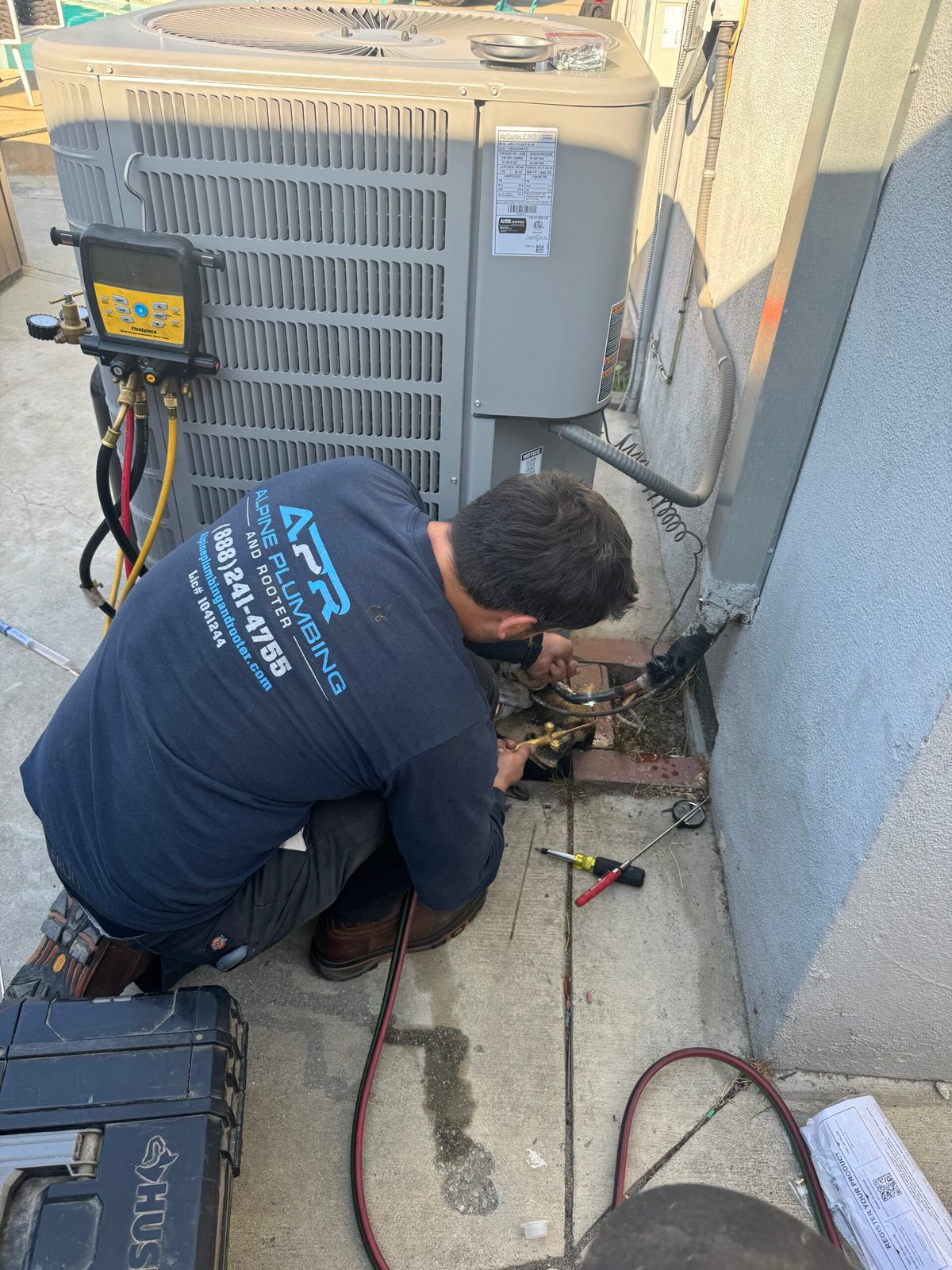
Alpine Plumbing, Heating, and Air helps Southern California homeowners diagnose water pressure solutions and restore reliable performance. Licensed technicians test pressure under multiple conditions, inspect regulators and pumps, and recommend solutions matched to actual problems rather than generic fixes. Professional water pressure regulator services ensure accurate diagnosis and appropriate solutions for your specific pressure challenges.
Is Your Water Pressure Working Against You? Alpine Can Help.
Low pressure ruining your showers? Pipes banging from pressure that's too high? The right fix starts with an accurate diagnosis — not guesswork. At Alpine Plumbing, Heating, and Air, our licensed technicians test static and flowing pressure, inspect your PRV and booster pump, and recommend solutions that match your actual problem. No upsells. No unnecessary equipment. Just honest answers and reliable repairs. Contact Alpine today for a water pressure diagnosis. We serve San Dimas and 20+ Southern California communities — and we're ready when you are.