Outdoor plumbing prep protects homes from freeze damage, water waste, and hidden leaks that escalate into expensive repairs. Residential outdoor water use reaches nearly 8 billion gallons daily, with up to 50% wasted through overwatering and inefficient systems. Effective preparation combines seasonal inspection of hose bibs, strategic irrigation upgrades, and proactive leak prevention outdoors to reduce utility costs and insurance claims.
Key Takeaways
- Frost-free hose bibs reduce freeze damage by positioning valve seats inside heated wall cavities
- WaterSense-labeled irrigation controllers save the average home up to 15,000 gallons annually
- Only 5% of homeowners use smart leak detectors despite 26% experiencing water damage
- Labor accounts for approximately 70% of whole-house repiping costs
- Annual inspection of outdoor faucets and irrigation systems prevents foundation damage and costly failures
What Are Hose Bibs and How Do They Function Outdoors?
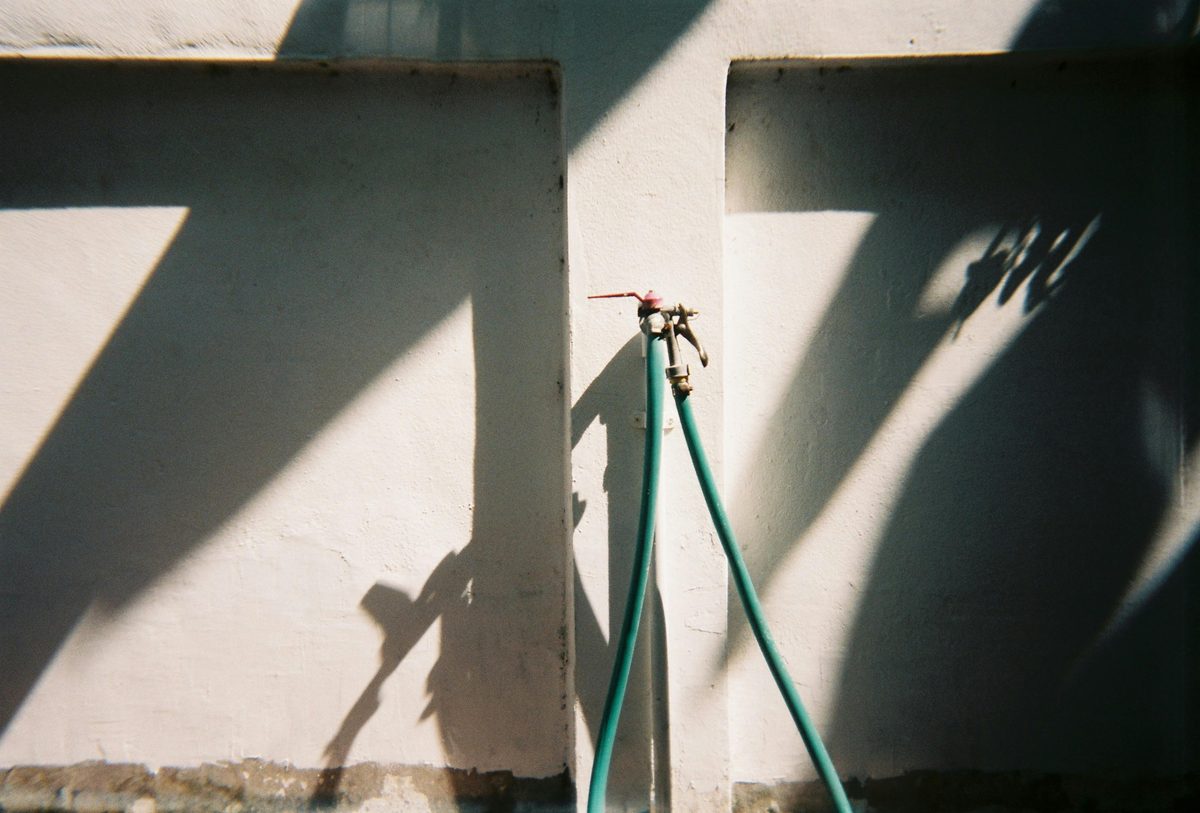
Hose bibs are exterior faucets that supply water to gardens, hoses, and outdoor cleaning equipment through threaded connections. These fixtures control water flow using multi-turn or quarter-turn valve mechanisms positioned at exterior wall penetrations. Standard hose bibs use brass or bronze construction to resist weather corrosion. Cold-climate installations require valve seats positioned inside heated spaces to prevent ice formation and pipe bursts.
Outdoor faucet performance depends on material quality, valve design, and installation depth. Budget models cost USD 10-30 but offer limited freeze protection. Premium frost-free variants priced at USD 80-800 extend valve seats 6-12 inches into wall cavities where ambient heat prevents freezing. Anti-siphon features prevent contaminated water from backflowing into household supply lines during pressure drops.
What Materials and Features Should Homeowners Consider?
Hose bib material selection balances corrosion resistance, freeze tolerance, and installation requirements for specific climates. Lead-free brass dominates residential installations due to code compliance and durability. Forged brass handles higher pressure while maintaining threaded connection integrity across temperature fluctuations. Bronze alloys provide superior corrosion resistance in coastal environments where salt air accelerates standard brass degradation.
Feature prioritization depends on regional freeze risk, water quality, and usage patterns. Frost-free sillcocks extend the valve seat into heated wall cavities to reduce freeze failures. Anti-siphon vacuum breakers prevent irrigation water from contaminating the potable supply during backflow events. Quarter-turn ball valves offer faster shutoff than traditional compression designs while reducing leak risk from worn washers.
How Do Frost-Free and Anti-Siphon Hose Bibs Protect Against Damage?
Frost-free designs prevent pipe bursts by positioning the shutoff valve inside the heated building envelope rather than at the exterior wall. The valve seat sits 6-12 inches deep, where ambient heat maintains above-freezing temperatures throughout winter. Seasonal draining of outside faucets to prevent freeze failures removes standing water from the extended spout assembly, eliminating ice formation that splits pipes and causes interior water damage during the spring thaw.
Anti-siphon hose bibs incorporate backflow prevention devices that stop contaminated water from entering household supply lines during pressure reversals. Atmospheric vacuum breakers automatically open when supply pressure drops below downstream pressure, breaking the siphon effect that would pull standing irrigation water back into potable distribution systems. Combination frost-free anti-siphon models provide year-round protection in climates with both freeze risk and irrigation demands.
How Do Irrigation Systems Improve Outdoor Water Efficiency?
Irrigation systems reduce water waste by delivering scheduled moisture directly to root zones instead of relying on manual watering. Weather-based and soil-moisture controllers automatically adjust runtime based on environmental conditions affecting evapotranspiration rates. The global smart irrigation market reached USD 2.18 billion in 2024 and is projected to reach USD 6.88 billion by 2033. Automated systems eliminate overwatering caused by fixed schedules that ignore rainfall or temperature changes.
Efficiency improvements come from zone-specific programming, precipitation sensors, and real-time data integration. WaterSense-labeled controllers save average homes up to 15,000 gallons annually by skipping cycles during rain events. Drip irrigation delivers water directly to root systems with 90% efficiency versus 65% for traditional sprinklers. A Loveland, Colorado, neighborhood saved more than 4 million gallons yearly after irrigation system maintenance audits and WaterSense-labeled upgrades.
What Are the Differences Between Weather-Based and Soil Moisture Controllers?
Weather-based irrigation systems use forecast and climate data to adjust schedules according to predicted evapotranspiration and precipitation. These controllers access online weather services or onsite weather stations to calculate daily watering needs without manual intervention. Historical climate data establishes baseline requirements while real-time forecasts modify runtime to prevent irrigation during approaching storms.
Soil-moisture irrigation systems rely on on-site readings to trigger or suppress watering based on actual ground conditions. Sensors buried in root zones measure volumetric water content and prevent cycles until moisture drops below programmed thresholds. 49% of respondents viewed soil-moisture-sensor systems as the best fit for their needs in UF/IFAS research. This direct measurement approach accounts for microclimatic variations, soil type differences, and drainage characteristics that regional weather data cannot capture.
How Can Smart Irrigation Technology Reduce Water Waste?
Smart irrigation controllers eliminate fixed scheduling that causes most residential outdoor water waste. These systems integrate weather forecasts, soil conditions, plant types, and sun exposure to calculate precise watering duration. 45% of surveyed homeowners said smart systems are easier to use than conventional timers once the initial setup is complete. Remote app control allows schedule adjustments from any location while push notifications alert users to system malfunctions.
Water savings come from automatically skipping unnecessary cycles rather than requiring manual adjustments after rainfall. Water-efficient systems prevent the 50% outdoor waste resulting from irrigation during wet periods or cooler weather. Flow monitoring detects broken sprinkler heads and line leaks that conventional controllers cannot identify without visual inspection. Advanced models track monthly consumption and compare usage against regional benchmarks to identify optimization opportunities.
What Types of Leak-Prevention Products Are Available for Outdoor Plumbing?
Leak-prevention solutions range from simple battery-powered point sensors to whole-home automatic shutoff systems with flow monitoring capabilities. Point sensors detect water presence at specific locations and trigger audible alarms or smartphone notifications when moisture appears. Smart app-connected detectors add remote monitoring and detailed event logs that help identify intermittent leaks. Whole-home systems installed at the main supply line monitor flow patterns and shut water off automatically when abnormal usage suggests pipe failure.
The global water leak detector market was USD 1.3 billion in 2024 and is forecast to be USD 2.2 billion by 2034. Despite this growth, only 5% of single-family homeowners own smart water leak or humidity detectors, yet 26% of U.S. internet households have experienced water-leak damage. Budget point sensors cost USD 50-100 while premium whole-home monitors with automatic shutoff range from USD 300-500 or higher.
How Do Point Sensors Compare to Whole-Home Automatic Shutoff Systems?
Point sensors offer affordable entry-level protection by detecting water at floor-level locations where leaks typically appear first. These battery-powered devices cost USD 50-100 and require no professional installation beyond placement near water heaters and appliances. Audible alarms alert occupants to standing water while smart variants send smartphone notifications regardless of home occupancy. However, point sensors cannot stop leaks and depend on a quick homeowner response to prevent extensive damage.
Whole-home automatic shutoff systems provide comprehensive protection by monitoring all water use and cutting the supply when abnormal patterns indicate leaks. These systems install at the main line and track flow rate, duration, and usage patterns using machine learning algorithms. Early water leak detection prevents minor drips from becoming insurance claims by shutting off the supply before gallons escape. A manufacturer-cited study of 2,306 homes claims 96% reduction in water-damage claim events after installation.
What Are the Key Benefits and Limitations of Smart Leak Detectors?
Smart leak detectors provide 24/7 monitoring that catches failures occurring during vacations, overnight, or when occupants cannot hear standard alarms. Remote notification systems alert homeowners immediately through smartphone apps with details about the detection location and severity. Flow monitoring identifies slow leaks that waste water without creating visible damage, addressing the EPA's estimate of 6 billion gallons lost daily. Freeze warnings protect pipes during extreme cold by alerting owners before temperature drops cause burst failures.
Limitations include installation complexity for whole-home systems, ongoing connectivity requirements, and persistent awareness gaps. Point sensors require strategic placement to intercept leaks before they spread. Wi-Fi dependence means detection systems fail during internet outages unless cellular backup exists. Initial cost and professional installation requirements for comprehensive leak detection systems create adoption barriers for budget-conscious homeowners who underestimate their water-damage risk exposure.
When Should Homeowners Inspect and Replace Outdoor Plumbing Components?
Annual inspection timing should align with seasonal weather transitions that stress outdoor plumbing through freeze-thaw cycles and irrigation startup. Spring inspections before first irrigation use identify winter damage to hose bibs, valve boxes, and backflow preventers. Fall preparation confirms proper drainage and shutoff before freezing temperatures. Mid-season checks during peak irrigation months catch worn sprinkler heads, cracked hoses, and controller programming errors before water waste accumulates.
Component replacement depends on visible damage, performance degradation, and preventive upgrade opportunities. Replace cracked hoses immediately to prevent burst failures under pressure. Hose bibs showing drips from worn washers or corroded threads should be replaced before internal valve damage requires wall opening. Sprinkler heads with uneven spray patterns waste water through misting and should be upgraded when irrigation system maintenance reveals efficiency losses.
What Seasonal Checks Help Prevent Freeze Damage and Leaks?
Seasonal plumbing maintenance focuses on drainage confirmation, valve operation testing, and visual inspection of exterior components before temperature extremes arrive. Fall preparation requires disconnecting garden hoses, draining hose bibs, and confirming interior shutoff valves close completely to prevent standing water. Outdoor faucet inspection identifies leaks from worn packing, cracked spouts, or loose pipe connections that freeze and split during winter. Insulated covers add protection for standard hose bibs in climates with occasional freezing.
Spring startup checks reverse winterization steps and confirm no freeze damage occurred before restoring full pressure. Visual inspection of hose bib spouts, valve stems, and pipe connections detects cracks or separation caused by ice expansion. Slow opening of interior shutoff valves prevents water hammer that damages weakened joints after months without flow. Understanding leak detection methods helps identify hidden failures in below-ground irrigation lines that standard visual checks cannot reveal.
How Can Regular Audits Optimize Irrigation Performance?
Professional irrigation audits measure system efficiency through catch-can testing, pressure readings, and coverage analysis that reveal optimization opportunities. Technicians place collection containers throughout irrigation zones to measure precipitation rate uniformity and identify overspray or dry spots. Pressure testing at sprinkler heads confirms adequate flow without excessive force that causes misting and evaporation loss. Coverage mapping documents overlapping spray patterns and gaps where plant stress indicates insufficient moisture delivery.
Audit findings guide targeted upgrades like replacing worn nozzles, adjusting spray patterns, and recalibrating controller runtime. Catch-can data reveals whether zones apply water faster than soil can absorb, creating runoff that wastes resources. Flow sensor installation during audits provides ongoing monitoring that alerts homeowners to line breaks and stuck valves. Review of sprinklers and irrigation ensures systems are not damaging foundations through oversaturation or misdirected spray.
How Do Homeowners Balance Cost, Durability, and Installation Complexity?
Purchase decisions weigh upfront investment against expected lifespan, maintenance requirements, and installation disruption using total cost of ownership calculations. Budget products minimize initial expense but may require more frequent replacement or professional service calls. Premium components offer better warranties, longer service life, and features like freeze protection that prevent expensive damage in specific climates. Mid-range options balance reasonable first cost with acceptable durability for mainstream homeowners.
Installation complexity affects total project cost through labor rates, permit requirements, and household disruption. Simple hose bib installation typically costs USD 150-400, including labor, while whole-home leak prevention systems require USD 300-500 in equipment plus professional installation. DIY capability varies by age group, with 84% of Millennials using professionals for renovations versus 92% of Boomers. However, 29% of Millennial DIY projects later needed professional correction compared to 11% for Boomers.
What Are Typical Price Tiers for Hose Bibs, Irrigation Systems, and Leak Prevention?
Budget hose bibs priced at USD 10-30 provide basic flow control for mild climates with minimal freeze risk. Mid-range units at USD 30-80 add features like quarter-turn operation, anti-siphon protection, and improved corrosion resistance. Premium frost-free models range from USD 80 to 800, depending on extension length, finish quality, and integrated vacuum breaker specifications. Installation labor adds USD 150-400 for straightforward replacement, but increases substantially when wall penetration location changes or copper-to-PEX conversion occurs.
Budget irrigation controllers cost USD 20-80 and include basic timers without weather integration. Mid-range smart controllers priced at USD 80-200 offer app connectivity, weather-based adjustments, and zone-specific programming. Premium systems at USD 200-400+ add soil-moisture sensors, flow monitoring, and multi-zone coordination. Budget leak prevention starts at USD 50-100 for point sensors, while premium whole-home systems with automatic shut-off cost USD 300-500 or more.
How Do Installation Disruption and Maintenance Influence Product Choices?
Installation disruption becomes a primary decision factor when projects require wall opening, water service interruption, or landscape excavation. Labor accounts for about 70% of the total repiping cost because access difficulty and finish restoration dominate project timelines. Homeowners accepting higher disruption can choose copper piping for premium durability, while those prioritizing minimal invasion select flexible PEX systems. Frost-free hose bib installation requires longer wall penetration than standard bibs, potentially affecting siding repair and interior patching needs.
Maintenance requirements over the system's lifespan influence material selection when homeowners compare long-term ownership costs. PEX systems resist corrosion and scale buildup that gradually restricts copper pipes in hard-water regions. Smart irrigation controllers need occasional software updates and Wi-Fi connectivity maintenance that budget timers avoid. Professional leak detection services identify hidden problems before they require emergency intervention, but add recurring costs.
How Does Consumer Behavior Affect Outdoor Plumbing Decisions?
Homeowner decisions cluster around loss prevention, efficiency savings, trust in installer quality, and budget management. 27% of renovating homeowners upgraded plumbing systems in 2024, making it the most common home-systems improvement category. Word-of-mouth recommendations account for 61% of the most trusted provider input when selecting contractors. Regional climate differences drive specific priorities, with Northeast homeowners focusing on freeze protection while Western buyers emphasize drought-responsive irrigation controls.
Adoption gaps persist between awareness of water-efficiency technology and actual purchase behavior due to upfront cost sensitivity. 52% of irrigation survey respondents said conventional systems were better priced than smart alternatives despite long-term savings claims. Only 24% believed smart and conventional systems were comparably priced. This price perception barrier slows adoption even when 49% acknowledge soil-moisture systems best fit their functional needs.
What Demographic Trends Influence DIY Vs. Professional Installation?
Generational patterns show younger homeowners attempt more DIY work but experience higher correction rates requiring professional intervention. 84% of Millennials use professionals for renovations compared to 89% of Gen X and 92% of Boomers. However, 29% of Millennial DIY projects later needed professional correction versus 18% for Gen X. This suggests outdoor plumbing prep projects like simple hose bib installation attract DIY interest while complex irrigation retrofits remain professional territory.
Income and home value correlate with average improvement spending, influencing which upgrades homeowners prioritize within constrained budgets. Homeowners aged 35-44 spent an average of USD 5,700 on improvements in 2023 compared to USD 4,900 for those aged 55-64. Regional differences show higher spending in the West at approximately USD 5,400 versus lower amounts in other regions.
How Does Trust in Providers Impact Upgrade and Replacement Choices?
Provider trust heavily influences high-consideration outdoor plumbing decisions where homeowners fear overcharging or unnecessary work recommendations. 61% of homeowners identify word-of-mouth as their most trusted information source when choosing contractors. Online reviews and community reputation shape selection more than advertising or third-party platform listings. Nearly 30% reported negative experiences with professionals sourced through third-party platforms, creating a preference for local referrals.
Transparent pricing and clear project scope explanations reduce decision anxiety around expensive upgrades like whole-home leak detection systems. Homeowners prioritize licensed credentials, insurance verification, and detailed written estimates over the lowest initial quote when replacement costs approach thousands. Family-owned operations with documented community presence often win contracts over larger chains despite comparable pricing.
What Are the Recommended Steps to Prepare Outdoor Plumbing for Seasonal Changes?
Comprehensive outdoor plumbing prep combines equipment inspection, system testing, and strategic upgrades executed before weather extremes stress aging components. Spring preparation focuses on irrigation startup, hose bib leak checks, and backflow preventer testing before heavy watering begins. Fall preparation emphasizes drainage confirmation, interior shutoff valve operation, and freeze-protection measures before subfreezing temperatures arrive. Year-round monitoring through smart leak detectors and irrigation controllers provides continuous protection.
Preparation sequencing matters because some tasks depend on the completion of earlier steps. Drainage of outdoor faucets must follow hose disconnection to ensure complete water removal from extended frost-free assemblies. Irrigation system pressurization should occur gradually after winter dormancy to detect freeze-damaged lines before full-pressure operation causes floods. Controller programming updates need completion before the first seasonal watering to prevent applying winter schedules during spring growth periods.
How to Inspect Hose Bibs, Valves, and Sprinkler Heads Effectively
Visual inspection begins at hose bib spouts and valve stems, where freeze damage and corrosion typically appear first. Examine threads for cracks, check packing nuts for leaks during operation, and confirm smooth handle rotation. Open the valve slowly while watching for drips from spout, stem, or pipe connections that indicate component failure. Close the valve completely and verify no residual flow continues, which suggests worn washers or damaged valve seats.
Sprinkler head inspection requires operating each zone individually while walking coverage areas to identify performance problems and damage. Look for sunken heads, cracked nozzles, and tilted risers that prevent proper spray pattern development. Check for misting caused by excessive pressure, dry spots indicating clogged nozzles, and overspray hitting hardscape or structures. Adjust spray direction to eliminate foundation watering and replace damaged components before the full irrigation season begins.
When and How to Upgrade Controllers and Add Smart Leak Detectors
Controller upgrades deliver immediate water savings when existing systems use fixed schedules that ignore weather conditions. Replace basic timers with WaterSense-labeled smart controllers before peak irrigation season to capture maximum annual savings. Installation timing matters less for whole-home leak detectors since the protection value extends year-round. However, coordinating detector installation with other plumbing work reduces total disruption and may offer combined service pricing.
Smart leak detector placement requires professional assessment of vulnerable locations where failures cause maximum damage. Whole-home systems are installed at the main supply line, where single monitoring points protect entire distribution networks, including outdoor irrigation. Point sensors belong near hose bibs, irrigation valve boxes, and basement areas where outdoor plumbing penetrates building envelopes. Budget USD 300-500 for whole-home systems with automatic shutoff plus professional installation, while point sensors allow gradual expansion starting with the highest-risk locations.
Outdoor Plumbing Prep: Integrating Hose Bibs, Irrigation, and Leak Prevention for Effective Seasonal Readiness
Successful outdoor plumbing prep requires integrating hose bib maintenance, irrigation optimization, and leak prevention outdoors into a comprehensive seasonal protection strategy. Homeowners who combine inspection routines with strategic technology upgrades achieve better water efficiency and lower damage risk than those addressing only immediate failures. Market evidence shows strong growth in smart irrigation and leak detection despite persistent adoption gaps.
Effective preparation balances DIY capability with professional expertise for complex installations requiring licensed work and specialized diagnostic equipment. Simple tasks like hose replacement and controller programming suit capable homeowners, while frost-free hose bib installation and whole-home leak detector integration benefit from contractor experience. Alpine Plumbing, Heating, and Air provides licensed professionals who help homeowners evaluate outdoor system condition and prioritize upgrades that deliver meaningful protection.
Seasonal outdoor plumbing prep protects homes from freeze damage, reduces water waste, and prevents costly emergency repairs through proactive irrigation system maintenance. Start by inspecting all hose bibs for leaks and proper drainage, then evaluate irrigation system efficiency using catch-can testing. Add smart leak detection where water damage risk exceeds prevention system cost, particularly for vacation properties and homes with prior claims.
Ready to Protect Your Outdoor Plumbing Before the Next Season Hits?
CTA Copy: Hose bibs, irrigation systems, and outdoor water lines take a beating through seasonal changes — and small issues have a way of turning into expensive ones fast. At Alpine Plumbing, Heating, and Air, our licensed technicians inspect, repair, and upgrade outdoor plumbing systems so you're not caught off guard when temperatures shift or a hidden leak gets out of hand.
Whether you need a frost-free hose bib replacement, an irrigation efficiency audit, or a whole-home leak detection system installed, we'll give you a straight assessment and a clear plan — no upselling, no guesswork. Schedule your outdoor plumbing assessment today and get the peace of mind that comes with knowing your home is ready for whatever the season brings.