Selecting the correct water heater size prevents frustrating cold showers and reduces wasted energy from oversized equipment. Most California households underestimate peak hot water demand during morning routines, leading to inadequate capacity during the busiest usage windows.
A water heater sizing guide must account for household occupancy, simultaneous fixture use, and equipment type characteristics. Storage tanks, tankless units, and heat pump systems each use different sizing calculations to match home water heater capacity with actual demand.
Key Takeaways
- First-hour rating determines how much hot water a storage tank delivers during peak usage windows
- Tankless water heater size depends on simultaneous fixture flow rates and required temperature rise
- Heat pump water heaters often require upsizing compared to gas tanks for equivalent performance
- Household occupancy and simultaneous use patterns drive accurate water heater size selection
- Installation complexity and space constraints significantly influence final sizing decisions
What Are the Main Types of Water Heaters?
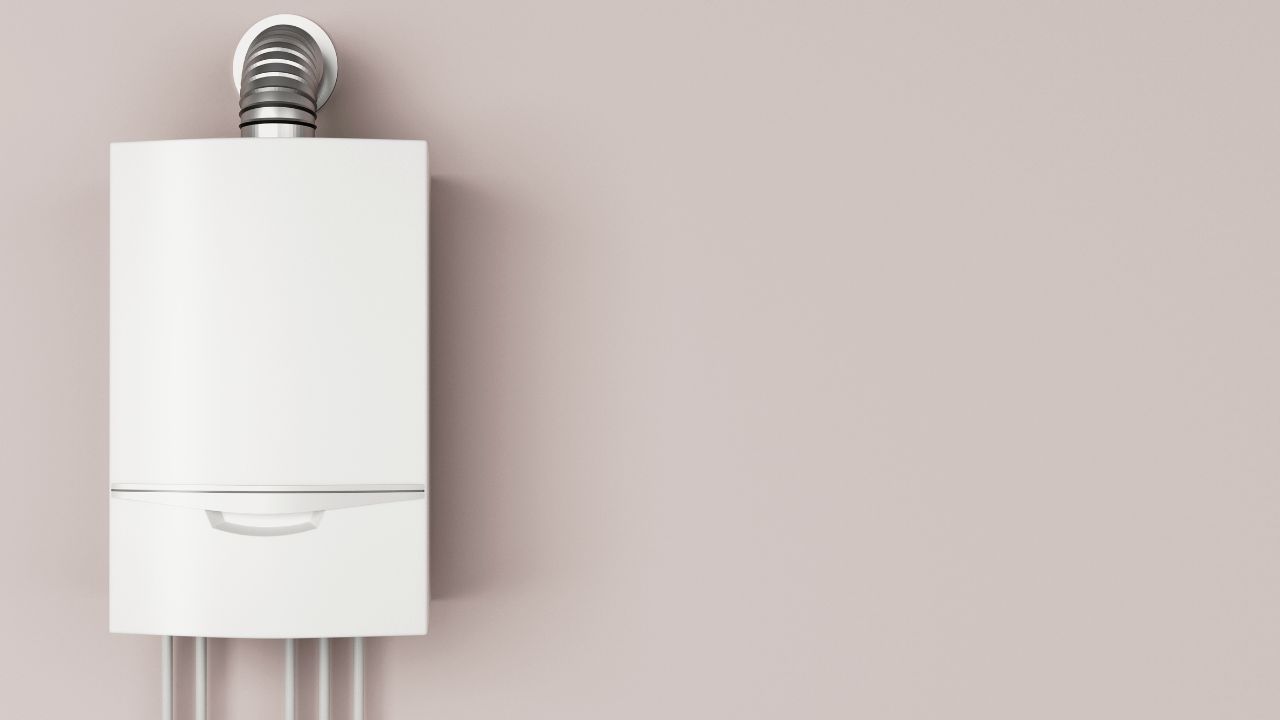
Conventional storage tanks, tankless systems, and heat pump water heaters represent the primary residential technologies available today. Choosing the right water heater requires understanding how each type delivers hot water and what sizing metrics apply.
Tank systems account for 72.3% of recent California purchases, reflecting their familiarity and straightforward replacement process. Tankless and heat pump models offer alternative benefits but require different sizing approaches and installation considerations.
What Features Distinguish Conventional Tank Water Heaters?
Storage tank water heaters store preheated water in insulated tanks ranging from 30 to 80 gallons. The first-hour rating measures how much hot water a storage tank can deliver in the first hour of use.
This metric combines stored capacity with the heating element's recovery rate during active draw periods. Tank systems remain popular because contractors can complete most replacements in a single visit without major system modifications.
Why Is Proper Water Heater Sizing Important?
Undersized water heaters run out of hot water during peak demand, creating frustration and inconvenience for household members. Oversized units waste energy heating water that never gets used and increase both purchase and operating costs.
Proper water heater size selection ensures adequate supply during the heaviest usage window without unnecessary capacity overhead. Correct sizing also extends equipment life by preventing excessive cycling and reducing thermal stress on components.
How Does Household Demand Affect Water Heater Size?
Peak-hour demand represents the maximum hot water volume needed during the household's busiest single hour. The Department of Energy uses a sample calculation showing 66 gallons for typical household peak-hour usage patterns.
This calculation accounts for simultaneous activities like morning showers, dishwashing, and laundry during preparation for work and school. Understanding actual demand timing prevents sizing errors based solely on household size without considering usage concentration.
What Metrics Are Used to Size Tank and Heat Pump Water Heaters?
Storage tank sizing requires matching the first-hour rating to the household's heaviest one-hour usage window. The tank must deliver enough stored and recovered hot water to satisfy overlapping fixture demands without a temperature drop.
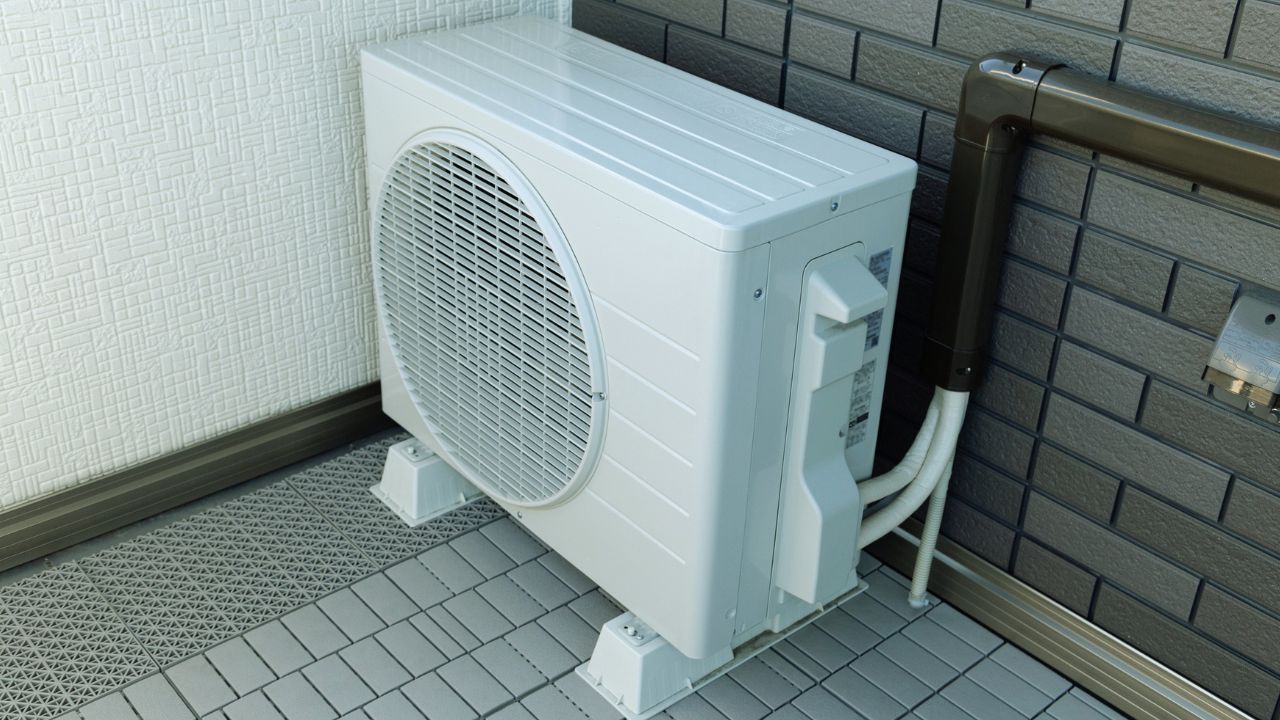
Heat pump water heaters often need larger tank capacities than gas units due to slower recovery rates. Installers typically recommend upsizing from a 50-gallon gas tank to a 65-gallon heat pump model for equivalent performance.
How Is Tankless Water Heater Size Calculated?
Tankless sizing requires listing simultaneous fixtures, adding their flow rates, and ensuring the heater meets temperature rise requirements. A household running a 0.75-gallon-per-minute faucet and a 2.5-gallon-per-minute shower simultaneously needs at least 3.25 gallons per minute capacity.
The required temperature rise depends on the incoming groundwater temperature and desired output temperature at the fixture. Southern California's moderate groundwater temperatures reduce the temperature rise burden compared to colder regions.
How Do Household Factors Impact Water Heater Size Selection?
Number of occupants provides a starting point for water heater capacity planning but fails to capture actual usage patterns. Two adults with staggered schedules need less capacity than two teenagers showering simultaneously before school each morning.
San Dimas households average 2.75 persons per household, suggesting most homes fit the 40- to 65-gallon planning range. Installation space, energy source availability, and simultaneous use patterns refine the initial occupancy-based estimate into accurate sizing.
How Does Number of Occupants Influence Size Recommendations?
One to two people typically require 30 to 40 gallons of tank capacity for moderate daily use. Three to four people need 40 to 50 gallons unless morning routines create heavy simultaneous demand periods.
Households with five or more occupants should consider 50-gallon high-recovery tanks, 65-gallon heat pump models, or properly sized tankless systems. Occupancy alone cannot determine correct water heater size without analyzing when household members actually use hot water.
What Role Does Simultaneous Hot Water Use Play?
Simultaneous use occurs when multiple fixtures draw hot water at the same time during peak household activity. Morning showers, bathroom sinks, and kitchen cleanup can overlap and exceed a small tank's first-hour rating quickly.
Identifying the worst-case simultaneous use scenario ensures adequate capacity during the most demanding daily period. Water heater problems often stem from sizing that ignores realistic overlap patterns in multi-person households.
How Do Space and Energy Source Availability Affect Sizing?
Available installation space constrains both tank dimensions and necessary clearances for heat pump air circulation. Closet installations face space constraints and serviceability issues that limit equipment options and maintenance access later.
Garage installations must accommodate seismic strapping, elevation requirements, and vehicle clearance while avoiding safety-code issues and storage conflicts. Gas availability, electrical panel capacity, and venting pathways determine which equipment types can physically serve the home.
What Are Price Tiers and Installation Considerations for Different Sizes?
Equipment and installation costs vary significantly by water heater type, size, and conversion complexity. Tank water heaters cost $775 to $3,275 installed in Los Angeles, while tankless systems range from $1,850 to $5,100.
Heat pump water heaters represent the highest upfront investment at $3,600 to $6,500 installed, primarily due to electrical work. Standard tank installations in San Dimas typically cost $800 to $1,500, while tankless projects run $1,500 to $3,500.
How Do Costs Vary by Water Heater Type and Size?
Budget-tier tank replacements start around $800 for basic 30- to 40-gallon units with simple installations. Mid-range tanks and smaller tankless models fall between $1,500 and $3,000, depending on capacity and venting complexity.
Premium heat pump systems and whole-home tankless installations reach $5,000 to $6,500 when electrical upgrades or extensive venting modifications are necessary. Gas-to-heat-pump conversions cost more due to the required electrical work that tank replacements typically avoid.
What Installation Factors Influence Water Heater Sizing Decisions?
Hidden code upgrades or aged shutoff and expansion components in tank replacements can add unexpected scope to simple projects. When you should replace a water heater depends partly on whether the supporting infrastructure also needs attention.
Underestimating gas, venting, and labor complexity in tankless conversions leads to budget overruns and project delays. Surprise electrical scope or poor equipment location in heat pump conversions can derail projects that initially appeared straightforward.
How Should Homeowners Prepare for Installation?
Heat pump water heater installation preparation requires verifying adequate air volume, location above 38°F, proper clearances, and 240V/30A service readiness. Homeowners should photograph existing piping, measure available space, and identify electrical panel capacity before contractor visits.
Confirming permit requirements and discussing potential code upgrades during initial consultation prevents surprises during installation. Routine maintenance needs should also factor into equipment selection and sizing decisions.
What Decision Criteria Should Guide Choosing the Right Size?
Upfront cost, long-term efficiency, and installation complexity represent the three primary decision drivers for most households. Los Angeles water heater replacement averages $1,740, with typical homeowner costs ranging from $1,140 to $2,410 across all equipment types.
Balancing immediate affordability against lifecycle operating costs requires comparing equipment prices, energy consumption projections, and expected service life. Emergency replacement scenarios limit choices, while planned upgrades allow homeowners to optimize size and type for long-term value.
How Does Upfront Cost Affect Size and Type Selection?
Emergency failures typically drive homeowners toward the fastest available replacement within budget constraints, regardless of optimal sizing. Fifty-two percent of California homeowners replaced their existing water heater with the same type, prioritizing speed over efficiency improvements.
Planned replacements allow time for proper sizing analysis, incentive research, and contractor comparison before equipment purchase. Budget-conscious households can still choose water heater size appropriately by focusing on accurate demand calculation rather than equipment type preferences.
How Do Long-Term Efficiency and Operating Cost Influence Size Decisions?
Operating cost differences between equipment types and sizes compound significantly over ten to fifteen-year service lives. Heat pump water heaters offer the lowest energy consumption but require a higher initial investment and more complex installations.
Correctly sized equipment runs more efficiently than oversized units because it avoids excessive standby losses and short cycling. Homeowners planning to stay five or more years typically recover the premium cost of high-efficiency equipment through utility savings.
How Can Installation Complexity Shape Size Choices?
Installation complexity often determines final equipment selection when multiple sizes could technically satisfy household demand. Forty-six percent of California installer projects were emergency replacements, while 43% were planned replacements, affecting how much complexity homeowners will accept.
Simple tank-to-tank replacements minimize installation time, permit scope, and potential complications from aged infrastructure. More complex conversions to tankless or heat pump systems make sense when homeowners can tolerate longer project timelines and potential code-upgrade requirements.
How to Match Water Heater Size to Your Household's Hot Water Usage Patterns
Matching water heater capacity to actual usage patterns produces better results than relying solely on household size estimates. A home water heater capacity assessment should document shower duration, fixture flow rates, and typical overlap during morning and evening routines.
Creating a simple usage worksheet helps identify the peak-hour demand window that determines minimum required capacity. Department of Energy sizing worksheets provide structured approaches for calculating both storage tank and tankless requirements based on real household behavior.
What Size Fits Small Households with Moderate Use?
One to two people with moderate usage need 30- to 40-gallon tanks or entry-level tankless units. These households rarely experience simultaneous use and can tolerate slower recovery times between hot water demands.
Budget-focused small households benefit most from straightforward tank replacements that minimize installation costs and complexity. Tankless systems become attractive when space savings or continuous hot water justify the higher installation expense.
What Are the Best Sizes for Medium to Large Households?
Two to four people with typical suburban use patterns need 40- to 50-gallon tanks or 50- to 65-gallon heat pump models. These sizes handle moderate simultaneous use like a shower running while someone washes dishes in the kitchen.
Households with three to five people experiencing morning shower overlap should consider 50-gallon high-recovery tanks, 65-gallon heat pump units, or properly sized gas tankless systems. Failing water heater signs include inadequate hot water during peak periods.
When Should Homeowners Upsize for Peak Demand or Electrification?
Households with four to six people or high-demand fixtures need 75- to 80-gallon tank or heat pump systems to handle intensive usage. Whole-home tankless systems become practical when gas supply can support the required input rating for multiple simultaneous fixtures.
Electrification conversions from gas to heat pump technology require careful capacity planning because recovery characteristics differ significantly between fuel types. Upsizing from 50-gallon gas tanks to 65-gallon heat pump models maintains equivalent performance during peak demand windows.
Choosing the Right Water Heater Size for Your Home: Integrating Needs, Technology, and Budget
Successful water heater size selection balances household demand calculations with installation feasibility and budget constraints. The first-hour rating for storage tanks must equal or exceed peak-hour demand, while tankless sizing requires adequate flow rate and temperature rise capacity.
Heat pump systems offer the best long-term efficiency but need larger tanks than gas models for equivalent performance. Installation complexity, available space, and existing infrastructure often limit practical choices more than theoretical capacity calculations suggest.
Understanding your household's actual hot water usage patterns produces better sizing accuracy than generic occupancy-based estimates alone. Professional assessment helps identify peak demand windows, simultaneous use scenarios, and installation constraints that affect final equipment selection and capacity decisions.
California's policy environment increasingly favors heat pump water heaters through incentives and building codes, making electrification planning relevant for many planned replacements. Energy-efficient upgrades extend beyond HVAC systems to include strategic water heater investments that reduce operating costs over time.
San Dimas homeowners benefit from local expertise that understands regional installation requirements, permit processes, and climate-specific considerations affecting equipment performance. Alpine Plumbing, Heating, and Air helps families select and install properly sized water heaters that deliver reliable hot water without wasting energy or capacity.
Get the Right Water Heater Size Without the Guesswork
Sizing a water heater involves more than a quick bedroom count. Peak-hour demand, simultaneous fixture use, installation space, and the right equipment type all shape the decision. Alpine Plumbing, Heating, and Air takes the guesswork off your plate with a professional on-site assessment that matches capacity to how your household actually uses hot water.
Whether you're planning ahead or facing an unexpected failure, our licensed technicians walk you through tank, tankless, and heat pump options with clear pricing and honest recommendations. No pressure. No upsells. Just the right fit for your home, your budget, and your San Dimas-area installation requirements.
Schedule your free estimate with Alpine Plumbing, Heating, and Air today and get a sizing plan built around your home, not a generic occupancy chart.