Homeowners in San Dimas face specific pricing considerations when replacing air conditioning systems due to California's strict energy codes and local labor rates. Understanding the complete cost structure helps you budget accurately and identify opportunities to reduce expenses through rebates and equipment selection. This guide provides detailed pricing information for 2026 installations, from budget systems to premium high-efficiency units.
Equipment type, efficiency ratings, permitting requirements, and contractor selection all influence your final investment. Regional factors unique to San Dimas and Los Angeles County create additional cost variables that distinguish this market from other California communities.
Key Takeaways
- Standard AC replacement cost in San Dimas ranges from $6,000 to $13,500, with premium installations reaching $20,000 to $30,000
- California's Title 24 compliance and HERS testing add $500 to $1,500 to installation expenses
- Federal IRA Tax Credit offers up to $2,000 annually for Energy Star-certified heat pumps
- SEER ratings between 15 and 17 provide an optimal balance of efficiency and air conditioning replacement price
- Contractor reputation influences 92% of consumer decisions when selecting HVAC service providers
What Factors Influence AC Replacement Costs?
Multiple variables determine your total AC replacement cost in San Dimas, ranging from equipment specifications to regulatory compliance expenses. System type represents the primary cost driver, followed by efficiency ratings and installation complexity.
Labor costs in Los Angeles County typically exceed state averages due to licensing requirements and regional wage standards. Permit fees and mandatory energy testing further increase project expenses beyond basic equipment and installation.
How Do Different HVAC System Types Affect Pricing?
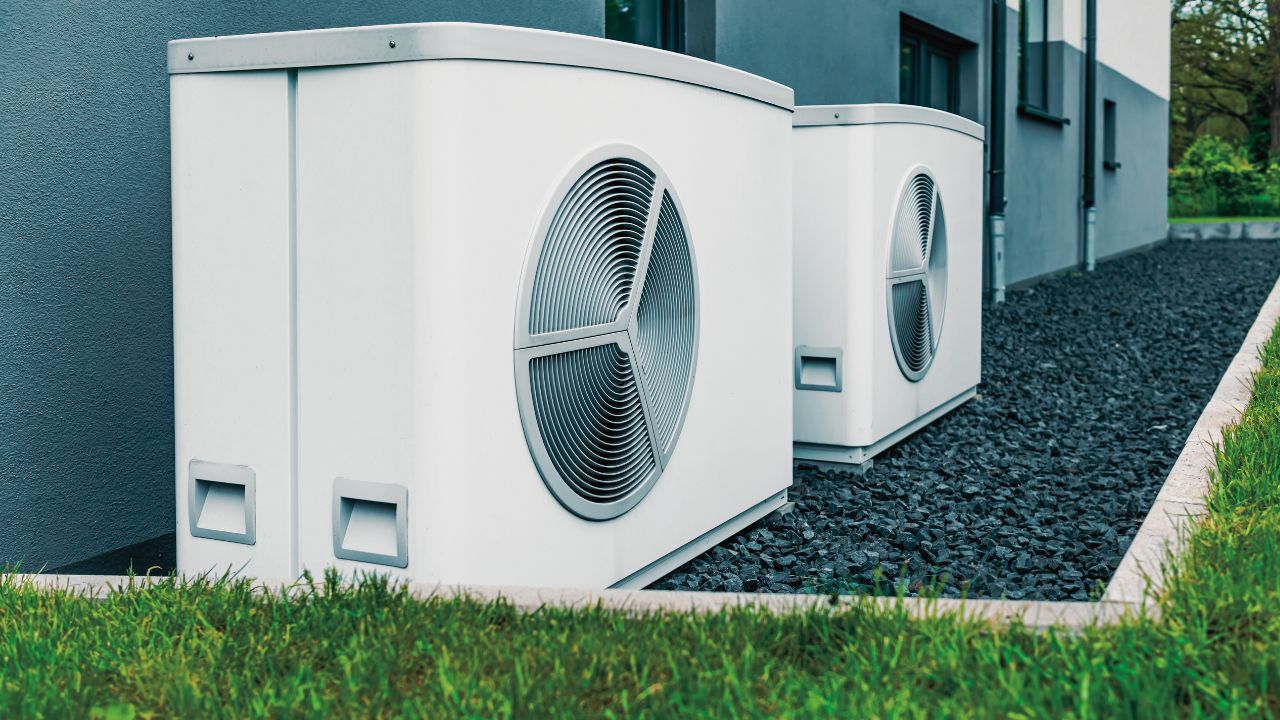
Central air conditioning systems dominate residential installations with 45% market distribution across North America. These traditional systems connect to existing ductwork and provide whole-home cooling through a single outdoor condenser unit.
Ductless mini-splits capture 25% of the market and offer flexible zoning without ductwork modifications. Single-zone configurations represent nearly 60% of mini-split installations, making them popular for targeted room cooling.
Budget units typically cost between $2,500 and $5,000, including installation for basic cooling needs. Premium systems range from $10,000 to over $20,000 with advanced features like variable-speed compressors and smart home integration.
What Regional Conditions Impact Installation Costs in San Dimas?
Standard AC replacement in San Dimas costs between $6,000 and $13,500 for mid-range central air systems. Full premium system replacements reach $20,000 to $30,000 when including high-efficiency equipment and complex installation requirements.
California's permitting and HERS testing requirements add $500 to $1,500 to baseline equipment costs. These mandatory assessments ensure installations meet Title 24 energy efficiency standards before receiving final approval.
How Do Permitting and Compliance Affect Total Expenses?
Title 24 represents California's building energy efficiency code, requiring all new HVAC installations to meet minimum performance standards. Compliance verification occurs through HERS testing, which measures actual system performance after installation.
The C-20 Warm-Air Heating, Ventilating, and Air-Conditioning license is mandatory for all contractors performing HVAC work in California. Licensed contractors handle permit applications and coordinate required inspections, ensuring projects meet local building department standards.
Which HVAC System Options Are Available for Replacement?
Three distinct equipment tiers serve different budget levels and performance expectations for residential replacements. Each category offers specific features, efficiency ratings, and expected operational lifespans.
Understanding air conditioning replacement price differences between tiers helps match system selection to your financial capacity and long-term goals. Equipment choice directly affects both installation costs and ongoing energy expenses throughout the system's operational life.
What Are the Features of Entry-Level, Mid-Range, and Premium Units?
Mid-range units cost between $5,000 and $10,000 and deliver 20-30% better efficiency than budget alternatives. These systems typically include variable-speed technology and quieter operation than entry-level models.
Budget systems operate for 10-15 years but generate higher utility bills throughout their lifespan. Mid-range and premium models reduce operating costs while extending equipment life beyond basic system expectations.
How Do Seasonal Energy Efficiency Ratios (SEER) Impact Choice?
SEER measures cooling efficiency by comparing total seasonal cooling output to energy consumed during operation. Higher SEER ratings indicate better efficiency and lower monthly utility costs.
Budget systems operate at SEER 13 to 14, meeting minimum California requirements without premium efficiency features. Mid-range systems reach SEER 15 to 17, while premium units achieve SEER 18 to 22 or higher through advanced compressor technology and optimized airflow designs, as explained in detailed SEER ratings.
What Are the Benefits of Central AC Vs. Ductless Mini-Split Systems?
Central air conditioning provides uniform cooling throughout homes with existing ductwork using a single thermostat control point. These systems integrate seamlessly with forced-air heating equipment and maintain consistent temperatures across multiple rooms.
Ductless mini-splits eliminate energy losses associated with duct leakage and enable independent temperature control in different zones. Installation costs typically run lower when avoiding ductwork modifications, making mini-split systems attractive for room additions or homes without existing ducts.
How Do Consumer Preferences Shape HVAC Purchases in San Dimas?
Demographic patterns and regional priorities influence equipment selection and budget allocation for HVAC replacement estimate projects. Understanding these trends helps contractors align offerings with customer expectations and community needs.
Local preferences reflect broader California emphasis on energy efficiency and environmental responsibility while balancing immediate affordability concerns. Purchase decisions incorporate both upfront costs and projected long-term operational savings.
Which Demographics Lead AC Replacement Decisions?
Baby Boomers represent 42% of homebuyers in 2026, making them the dominant force in residential HVAC purchasing. Millennials account for 26% of buyers, Gen X comprises 25%, and Gen Z represents 4% of the market.
One in five Millennials spends more than $5,000 on home improvement projects annually, demonstrating significant investment capacity. This spending pattern positions younger homeowners as key consumers for mid-range and premium HVAC systems.
What Are the Top Priorities When Selecting an HVAC System?
Contractor reputation influences 92% of consumers when evaluating service providers for AC replacement projects. This priority surpasses all other factors, including equipment brand and pricing considerations.
System reliability ranks second at 38% of consumer priorities, followed by cost and purchase price at 35%. These priorities demonstrate that most homeowners value dependable performance and trusted installation over simply securing the lowest bid.
How Do Urban and Regional Preferences Differ Locally?
Urban areas favor smart, high-efficiency systems with advanced zoning capabilities and app-based controls for managing energy consumption. Rural markets prioritize durable, reliable equipment that withstands demanding conditions without frequent service requirements.
Electric heat pumps demonstrate a strong preference across California, Arizona, and Nevada due to favorable climates supporting year-round efficient operation. These regional patterns reflect state-level incentives promoting electrification and renewable energy integration.
What Rebates and Incentives Can Reduce AC Replacement Costs in California?
California offers multiple financial incentive programs that substantially lower net replacement costs for qualifying installations. These programs target energy efficiency improvements and electrification of home heating and cooling systems.
Federal and state rebates can combine to offset $4,000 to $10,000 or more of total project expenses. Eligibility requirements and application procedures vary significantly between programs, requiring careful planning before purchasing equipment through California's AC rebate programs.
What State-Level Programs Like HEEHRA Are Available?
HEEHRA represents California's state heat pump rebate program funded through federal Inflation Reduction Act dollars. Phase I offers low-income households up to $8,000 maximum rebates and moderate-income households up to $4,000.
Single-family HEEHRA rebates became fully reserved statewide as of February 2026 and now operate on a waitlist basis. Applicants must monitor program status and register interest for future funding availability.
How Do Federal IRA Tax Credits Apply to HVAC Replacements?
The IRA Tax Credit (25C) provides federal tax credits for energy-efficient equipment installations, including qualifying heat pumps. This credit offers up to $2,000 per year for eligible homeowners who itemize deductions.
Federal IRA Tax Credits require Energy Star-certified heat pumps to qualify for the maximum benefit. Installation must occur during the tax year claimed, and homeowners should retain all manufacturer certifications and contractor documentation.
Are There Local Utility Rebates Relevant to San Dimas Residents?
SMUD rebates provide up to $3,000 for qualifying heat pump installations in the Sacramento area. These utility-specific incentives require installation by approved contractors meeting program quality standards.
SMUD rebates remain limited to Sacramento area residents served by the municipal utility district. San Dimas homeowners served by different utilities should investigate available programs through their specific energy providers.
How Should Homeowners Select the Right HVAC Contractor?
Contractor selection significantly impacts installation quality, permit compliance, and long-term system performance beyond equipment specifications. Proper vetting reduces risks of substandard work, code violations, and warranty complications.
Professional credentials, transparent pricing, and comprehensive service offerings distinguish qualified contractors from less reliable alternatives. Evaluating multiple providers helps identify the best combination of expertise and value, as outlined in guidance for selecting the best plumbers in San Dimas.
What Certifications and Licenses Should Contractors Have?
NATE certification represents a voluntary technician excellence program demonstrating advanced technical knowledge and diagnostic capabilities. These credentials indicate that contractors invest in ongoing training and professional development.
Verify contractors hold valid C-20 licenses issued by the California Contractors State License Board for HVAC work. Confirm that general liability and workers' compensation insurance coverage protect homeowners from liability during installation projects.
How Can Consumers Evaluate Pricing Transparency?
Request detailed written estimates separating equipment costs from labor expenses and permit fees for commercial AC replacement costs and residential projects. Itemized proposals enable direct comparison between contractors and reveal potential hidden charges.
Obtain at least three quotes from licensed contractors in the San Dimas area to establish realistic market rates. Significant price variations may indicate different equipment tiers, installation methods, or service quality levels.
Why Is Permit Handling and Warranty Important?
Confirm contractors will pull all necessary local permits through the Los Angeles County building departments before starting work. Proper permitting ensures installations meet code requirements and avoid future compliance issues during home sales.
Inquire about labor warranty terms separate from the manufacturer's equipment warranty coverage for comprehensive protection. Labor warranties typically cover installation defects for one to five years, while equipment warranties protect against manufacturing failures.
What Is the Step-by-Step Process for AC Replacement in San Dimas?
Professional installations follow systematic procedures ensuring proper system sizing, efficient operation, and code compliance throughout the project. Understanding this process helps homeowners recognize quality work and identify potential shortcuts.
Timeline expectations and inspection requirements vary based on system complexity and permit approval speeds through local jurisdictions. Most standard residential replacements are complete within one to three days from equipment removal to final testing.
How Is the Load Calculation Performed?
Manual J load calculation represents the industry-standard methodology for determining appropriate system capacity based on home characteristics. This engineering analysis accounts for square footage, insulation levels, window specifications, and local climate conditions.
Ask if contractors perform Manual J load calculations rather than simply replacing existing equipment with similar-sized units. Proper sizing prevents short-cycling, inadequate cooling, and premature equipment failure from oversized or undersized installations.
What Does the Installation Timeline Typically Look Like?
Most single-system replacements complete in one to two days for straightforward installations without ductwork modifications. Complex projects involving duct replacement, electrical upgrades, or multi-zone systems may require three to five days.
Permit approval adds one to two weeks before installation, depending on building department workload and application completeness. Contractors should communicate realistic timelines accounting for all permitting and inspection requirements.
What Are the Final Inspection and Testing Requirements?
HERS testing verifies system performance meets Title 24 efficiency requirements through an independent third-party assessment after installation. Raters measure airflow, refrigerant charge, and duct leakage to confirm proper system operation.
Final building inspections check electrical connections, gas line installations, and condensate drainage for code compliance before issuing permits. Passing these inspections legally authorizes system operation and closes the permit record.
What Are the Long-Term Financial and Comfort Benefits of Replacing AC Units?
System replacement delivers measurable returns through reduced energy consumption, improved comfort control, and decreased repair frequencies over time. These benefits accumulate throughout the equipment's 15-20 year operational lifespan.
Financial analysis should account for avoided repair costs on aging equipment alongside energy savings from improved efficiency ratings. Total cost of ownership provides a more accurate value assessment than initial central air replacement cost alone.
How Do High-Efficiency Systems Impact Energy Bills?
High-efficiency units with SEER ratings above 16 typically reduce cooling costs by 20-40% compared to older 10 SEER systems. These savings accumulate monthly throughout Southern California's extended cooling season from May through October.
Annual cooling cost reductions of $300 to $800 are common when upgrading from 15-year-old equipment to modern high-efficiency systems. Actual savings depend on home size, insulation quality, thermostat settings, and local electricity rates, as detailed in recommendations for AC installation energy efficient upgrades.
What Warranty and Maintenance Factors Affect Lifetime Cost?
Manufacturer warranties on premium systems often extend 10 years for major components compared to 5 years on budget equipment. Extended coverage reduces out-of-pocket repair expenses during the middle years of system operation.
Regular maintenance through annual service contracts preserves efficiency and prevents minor issues from developing into costly failures. Maintenance costs typically range from $150 to $300 annually, but protect much larger equipment investments through optimized performance found in HVAC maintenance tips.
How Does System Reliability Influence Consumer Satisfaction?
Reliable systems minimize disruptive breakdowns during peak summer heat when service demand strains contractor availability and repair costs escalate. Dependable operation provides consistent comfort and peace of mind throughout the equipment's lifespan.
Modern systems with quality installation demonstrate failure rates below 5% annually during the first 10 years of operation. This reliability contrasts sharply with aging equipment experiencing increasing breakdown frequency after 12-15 years of service.
AC Replacement Cost in San Dimas: Market Insights, Customer Priorities, and Incentives Synthesis
The global HVAC market reached $258.96 billion in 2025, with the U.S. market valued between $31.7 billion and $34.1 billion. This substantial market reflects widespread replacement demand as aging systems reach end-of-life across residential and commercial properties.
Trane Technologies leads the North American market share at 21.1%, followed by Daikin at 19.0% and Carrier Global at 16.7% as of 2023. These manufacturers dominate through extensive dealer networks, comprehensive product lines, and established reputations for quality equipment, which factors into overall HVAC replacement costs.
San Dimas homeowners benefit from understanding how national market dynamics, regional preferences, and available incentives interact to create unique local pricing conditions. Combining federal tax credits with state rebate programs, when available, delivers optimal financial outcomes for qualifying installations. Prioritizing contractor reputation, proper system sizing through Manual J calculations, and appropriate efficiency levels ensures long-term satisfaction beyond initial cost considerations.
Investing in quality HVAC replacement protects your home comfort, reduces ongoing energy expenses, and provides reliable cooling for years ahead. Alpine Plumbing, Heating, and Air brings over 20 years of collective industry experience to every installation, ensuring your system meets California's demanding standards while delivering efficient operation.
Get a Straight Answer on Your San Dimas AC Replacement
Pricing guides give you ranges. A site visit gives you a real number. Alpine Plumbing, Heating, and Air sends a licensed technician to assess your home, size the right system, and explain your options in plain terms, with no pressure to upsize. We handle the Title 24 permits and HERS testing so your installation passes inspection the first time.
Family-owned since 2017 and licensed in CA and AZ, we help San Dimas homeowners choose equipment that fits both their home and their budget. Request your free estimate and get an honest quote built around what your system actually needs.