Hard water treatment in San Dimas requires understanding both mineral hardness and specific contaminants in local water supplies. Golden State Water Company serves the area with water scoring C+ overall due to elevated arsenic, hexavalent chromium, and disinfection byproducts. Selecting the best water treatment solutions depends on comprehensive testing, household needs, and understanding how different technologies address hardness and contamination.
This guide examines water softener systems, reverse osmosis filtration, carbon filters, and hybrid approaches for San Dimas residents. Each technology offers distinct advantages for removing hardness minerals, protecting appliances, and eliminating health-threatening contaminants. Understanding these options enables homeowners to make informed decisions about water filtration for hard water and long-term investment.
Key Takeaways
- San Dimas water contains hard minerals plus contaminants like arsenic and hexavalent chromium that require comprehensive treatment
- Ion exchange water softeners reduce hardness by up to 97% and extend appliance life by 5-10 years
- Reverse osmosis systems remove up to 99.5% of dissolved solids and chemical contaminants, but generate wastewater
- Hybrid systems combining softening and filtration provide the most complete protection for San Dimas households
- Independent certification from NSF International or the Water Quality Association ensures system effectiveness and safety
What Causes Hard Water and Why Is It a Concern in San Dimas?
Hard water forms when groundwater dissolves calcium and magnesium from geological formations before entering municipal systems. San Dimas receives water from Golden State Water Company, which reports hardness levels consistent with California's range of 47 to 666 PPM. The area's geology contributes naturally occurring minerals that create scale buildup in pipes, water heaters, and appliances.
Beyond hardness, San Dimas water contains contaminants requiring comprehensive treatment. The C+ water quality score reflects multiple compounds exceeding health advocacy guidelines. Hard water effects on San Dimas homes include aesthetic problems and serious health concerns.
Key Minerals and Contaminants in San Dimas Water
San Dimas water contains calcium and magnesium, causing hardness plus several harmful contaminants at elevated levels. Arsenic appears naturally in local geology, while hexavalent chromium stems from industrial sources and geological deposits. The water also contains 1,4-dioxane, a probable carcinogen linked to liver and kidney damage.
Disinfection byproducts, including Bromodichloromethane and Chloroform, form when chlorine reacts with organic matter during treatment. Nitrates from agricultural runoff complete the contamination profile, requiring multi-stage filtration. These compounds explain why basic water softener systems alone cannot address San Dimas water quality challenges.
Health and Appliance Impacts of Hard Water and Contaminants
Long-term arsenic exposure creates risks for bladder, lung, and skin cancers, plus cardiovascular disease. Hexavalent Chromium is carcinogenic even at levels California health guidelines consider dangerous, but federal standards permit. Disinfection byproducts carry increased cancer risks with chronic exposure.
Nitrates pose severe risks to infants, causing Blue Baby Syndrome, and threaten pregnant women's health. 1,4-Dioxane damages liver and kidney function over time. Hard water minerals simultaneously create scale deposits that reduce water heater efficiency and shorten appliance lifespans by years.
Skin Absorption Risks During Daily Water Use
The human body absorbs up to 64% of waterborne contaminants through skin during a typical 10-minute shower. Families use 40+ gallons during bathing compared to 8 glasses consumed for drinking daily. Dermal absorption makes whole-house filtration essential for protecting against chlorine, industrial chemicals, and disinfection byproducts.
Point-of-use drinking water filters fail to address shower and bath exposure to harmful compounds. Commercial water treatment San Dimas businesses require similar comprehensive solutions for employee and customer safety. Understanding absorption routes helps residents prioritize whole-house versus point-of-use treatment based on actual health risks.
What Are the Main Types of Water Treatment Technologies?
Three primary technologies dominate residential water treatment: ion exchange softeners, reverse osmosis systems, and carbon filtration. Each addresses specific water quality problems through distinct processes. Selecting appropriate treatment requires matching technology capabilities to identified contaminants and household usage patterns.
Hybrid systems combining multiple technologies provide comprehensive protection where single solutions prove inadequate. Market data shows ion exchange holds 41.17% market share, while reverse osmosis grows fastest at 6.27% CAGR. Understanding each technology's strengths and limitations enables informed decision-making for San Dimas households.
How Do Ion Exchange Water Softeners Work?
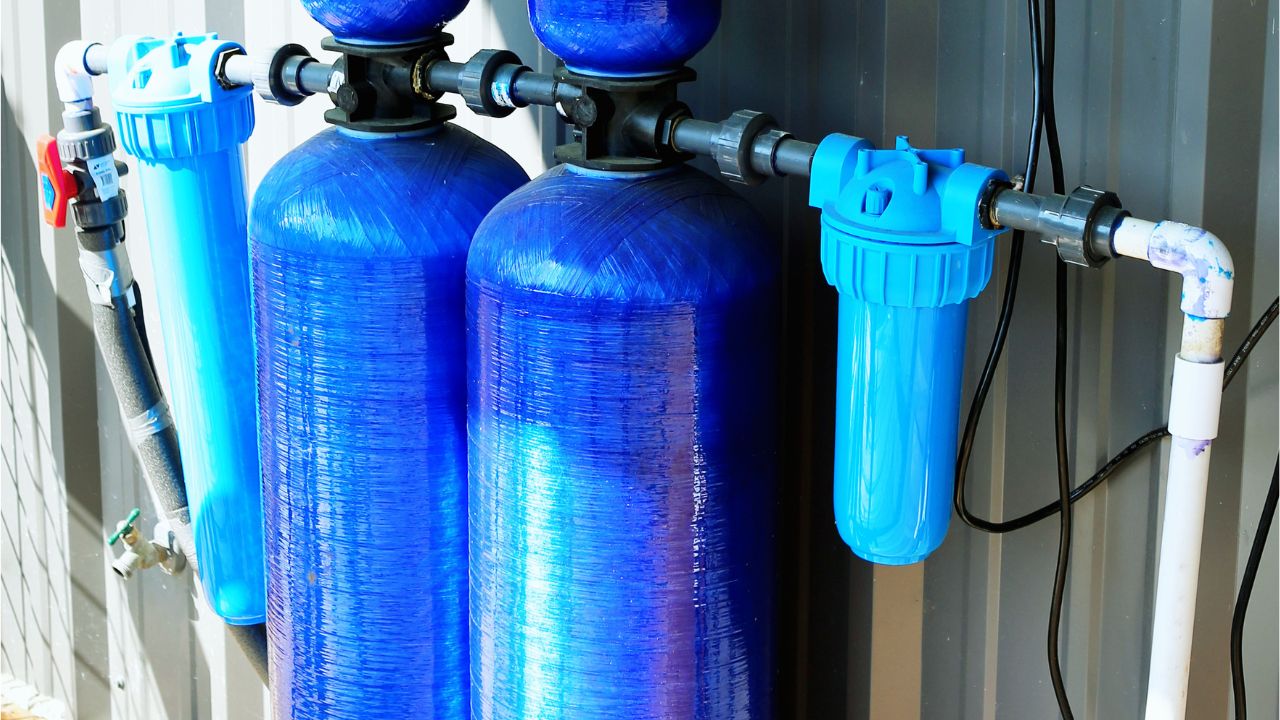
Ion exchange systems use resin beads charged with sodium ions to replace calcium and magnesium ions, causing hardness. Water passes through the resin bed where hard minerals bind to beads while sodium is released into the water stream. This process reduces hardness up to 97% and decreases soap and detergent usage by up to 50%.
Regular salt refills maintain the system's ion exchange capacity through periodic regeneration cycles. The technology holds 41.17% market share in 2024 due to proven effectiveness and relatively simple maintenance. However, ion exchange increases sodium content in drinking water.
What Are the Benefits and Limitations of Reverse Osmosis Systems?
Reverse osmosis forces water through a semi-permeable membrane that blocks dissolved solids, heavy metals, and chemical contaminants. RO systems remove up to 99.5% of contaminants, including arsenic, hexavalent chromium, nitrates, and pharmaceutical residues. The technology demonstrates 6.27% CAGR, reflecting growing consumer demand for comprehensive purification.
Higher upfront costs and complex installation requirements limit RO adoption despite superior filtration performance. The systems generate wastewater during purification, raising environmental concerns and operational costs. Water filtration 101 explains how RO technology compares to other filtration methods.
When Is Carbon Filtration Effective for Water Quality?
Carbon filters use activated carbon to adsorb impurities affecting taste, odor, chlorine, and volatile organic compounds. The technology excels at improving aesthetic water quality and removing compounds that carbon's porous structure captures. Carbon filters provide affordable point-of-use solutions for drinking water and refrigerator dispensers.
Carbon filters do not remove dissolved minerals (hardness) or heavy metals like arsenic and chromium. Certain chemical contaminants pass through carbon media unchanged, requiring supplementary treatment. Filters require frequent replacement to maintain effectiveness, adding ongoing maintenance costs.
How Do Consumer Preferences Influence Water Treatment Choices?
Consumer research shows 91% of Americans used some water filter as of 2023. Independent certification drives purchasing decisions, with 92% of filtration buyers preferring certified products. Consumers demonstrate willingness to pay 17% more for independently verified systems, reflecting heightened water quality awareness.
Effectiveness outweighs speed as filter owners show nearly three times more concern about contaminant removal than filtration rate. Demographic analysis reveals 62% of consumers prefer RO units that eliminate trace organics in addition to hardness. These preferences shape product development and marketing strategies.
What Factors Do San Dimas Residents Prioritize?
San Dimas residents prioritize comprehensive contaminant removal given the area's C+ water quality score. Effectiveness against specific contaminants, including arsenic, chromium, and disinfection byproducts, ranks highest among informed consumers. Independent certification from recognized organizations provides assurance that systems perform as advertised.
Affordability balances effectiveness concerns as households evaluate the total cost of ownership, including installation and maintenance. Water softeners worth it analysis helps residents calculate return on investment through appliance protection and utility savings. Long-term value increasingly influences decisions as consumers recognize that initial costs represent only part of the total expense.
How Do Demographics and Regional Trends Affect Adoption?
Millennials lead water treatment adoption, with 76% filtering their water at home. This generation shows 63% greater likelihood than other age groups to believe filtering is necessary for health protection. Millennials demonstrate higher awareness of emerging contaminants, including PFAS and industrial chemicals.
Baby Boomers show different patterns, with 65% viewing water as a critical resource requiring protection. However, only 45% actively engage in advanced home filtration beyond basic pitcher systems. Urban areas, including Los Angeles County, demonstrate adoption rates exceeding 50%, correlating with higher education and income levels.
Why Are Certifications Important for Water Treatment Systems?
NSF International provides independent certification verifying water treatment systems meet established performance standards. The Water Quality Association (WQA) offers additional certification demonstrating product effectiveness and safety claims. These organizations test products against contaminant reduction specifications.
Certified systems undergo rigorous testing protocols measuring actual performance under controlled conditions. Independent verification protects consumers from misleading marketing claims about filtration capabilities. Certification requirements drive manufacturers to develop products that deliver measurable health and safety benefits.
Which Water Treatment Solutions Best Address San Dimas Hard Water?
San Dimas hard water requires solutions addressing both mineral content and specific contaminants in local supplies. Whole-house softening systems protect appliances and plumbing while point-of-use reverse osmosis targets drinking water quality. Hybrid approaches combining technologies provide comprehensive protection matching San Dimas's contamination profile.
Los Angeles County's high water hardness creates widespread demand for softening across residential and commercial applications. Ion exchange remains the dominant technology for hardness removal despite increasing sodium content in treated water. Selecting appropriate solutions requires balancing hardness reduction against contaminant removal and budget constraints.
What Are the Advantages of Whole-House Softening Systems?
Water softeners extend appliance life by 5-10 years by preventing scale buildup in water heaters and washing machines. Households with income above $75,000 in hard water regions show 67% adoption rate for softening systems. Softened water reduces soap and detergent consumption by up to 50% through improved lathering and cleaning efficiency.
Los Angeles County's high water hardness makes whole-house systems valuable for protecting plumbing infrastructure. However, ion exchange increases sodium content in drinking water, requiring consideration for health-conscious households. Water softeners in San Dimas installation requires a professional assessment of household water usage and hardness levels.
When Is Point-of-Use Reverse Osmosis Recommended?
Point-of-use systems valued at $10.75B in 2024 project growth to $15.42B by 2030 at 6.2% CAGR. Under-sink RO units provide comprehensive drinking water purification, removing arsenic, chromium, and disinfection byproducts. These systems target consumption points where contaminant removal most directly impacts health.
RO requires complex installation, including drain connections and storage tanks for filtered water. Slower filtration rates necessitate storage capacity to meet household drinking and cooking demand. Point-of-use systems complement whole-house softeners by addressing contaminants that softening alone cannot remove.
Can Hybrid Systems Offer Comprehensive Protection?
Hybrid solutions combine whole-house softening with point-of-use reverse osmosis for complete water quality management. This approach addresses hard water effects throughout the home while ensuring safe drinking water. Systems integrate multiple technologies targeting different contamination types.
Hybrid configurations suit San Dimas households facing high hardness and multiple contaminants exceeding health guidelines. The investment provides comprehensive protection against scale buildup, appliance damage, and health risks from chemical exposure. Water filtration systems in San Dimas professionals design hybrid solutions matching specific household needs and water quality test results.
How Are Emerging Technologies and Regulations Shaping Options?
Connected water treatment systems integrate Internet of Things (IoT) technology for real-time monitoring and optimization. Smart monitoring reduces salt and water waste through demand-based regeneration cycles, replacing fixed timers. These advances improve efficiency while lowering operational costs and environmental impact.
California regulations increasingly restrict salt-based softening systems due to brine discharge environmental concerns. Several municipalities have banned new installations, forcing consumers toward salt-free alternatives and hybrid solutions. Market adaptation reflects both technological innovation and regulatory pressures reshaping available treatment options.
What Role Does IoT and Smart Monitoring Play?
The Connected Water Softener IoT market is expected to reach $4.8 billion by 2025 through integrated monitoring systems. Smart systems track water usage, salt levels, and system performance through smartphone applications. Real-time data enables proactive maintenance, preventing system failures and optimizing treatment efficiency.
Water Treatment as a Service represents subscription-based maintenance and monitoring valued at $68.9M in 2023 with 14.7% CAGR. This model shifts ownership and maintenance responsibility to service providers who manage system performance remotely. Subscription services appeal to consumers seeking hassle-free operation and guaranteed performance without equipment ownership.
How Are Salt-Free Alternatives Affecting the Market?
Template Assisted Crystallization (TAC) provides salt-free water conditioning as environmental regulations restrict traditional softening. Salt-free conditioners do not remove hard minerals but alter their structure, preventing scale buildup. This approach addresses appliance protection without sodium addition or brine discharge concerns.
The salt-free segment projects 5.77% CAGR growth through 2030, reflecting regulatory drivers and consumer preferences. However, TAC systems do not reduce hardness for soap performance or aesthetic benefits like traditional softeners. Water treatment in San Dimas evaluations must consider regulatory compliance alongside performance requirements.
What California Regulations Impact Water Treatment Choices?
Several California municipalities have restricted or banned new installations of salt-based systems due to environmental concerns. Brine discharge from traditional softeners impacts municipal wastewater treatment plant operations and aquatic ecosystems. These regulations force consumers toward salt-free alternatives or hybrid systems with reduced environmental footprint.
Environmental concerns regarding brine discharge drive innovation in low-salt and salt-free treatment technologies. Regulatory trends favor systems minimizing waste streams while maintaining effective hardness and contaminant management. Understanding local regulations prevents investment in systems facing future installation or operation restrictions.
What Are the Cost Considerations and Long-Term Benefits?
Initial investment in water treatment varies significantly across technologies and installation complexity. Budget ion exchange systems cost $400-$1,500 while premium whole-house RO reaches $11,000, including installation. Understanding the total cost of ownership requires calculating maintenance expenses, consumable replacements, and operational costs over system's lifespan.
Return on investment calculations must include appliance life extension, utility savings, and health protection value. Water softener systems deliver 20-50% ROI through reduced energy consumption and prevented equipment replacement. Long-term value assessment helps justify upfront investment against ongoing costs.
How Do Initial and Maintenance Costs Compare?
Budget to mid-range ion exchange systems cost $400-$1,500 while premium models reach $3,000 before installation. RO under-sink units start at $200-$500 for budget models, while premium whole-house systems range $1,000-$11,000. Carbon filtration offers the most affordable entry with pitchers and faucet mounts at $20-$50 and whole-house systems at $500-$1,500.
Ion exchange requires approximately $100 annually for salt refills and basic servicing. RO systems need $50-$200 annually for filter and membrane replacements to maintain performance. Carbon filters require $50-$150 annual maintenance, primarily for cartridge replacements.
What Is the Return on Investment for Different Systems?
Water softener systems deliver 20-50% ROI through appliance protection and utility cost reduction. An extended water heater lifespan alone justifies the softening investment by preventing premature replacement. Reduced soap and detergent consumption provides measurable monthly savings accumulating over the years.
Energy efficiency gains from scale-free water heaters reduce monthly utility bills by noticeable percentages. Preventing plumbing repairs from scale buildup avoids emergency service calls and pipe replacement costs. Health protection value from contaminant removal represents a less quantifiable but critical long-term benefit.
How Do Installation and Lifespan Affect Value?
Ion exchange installation costs $500-$700 for professional whole-house integration with existing plumbing. RO installation ranges from $200 for under-sink units to $1,000+ for whole-house configurations. Professional installation ensures proper operation and maintains manufacturer warranties.
System lifespan varies with water quality, usage patterns, and maintenance consistency. Ion exchange resin beds last 10-15 years before requiring replacement, while tanks remain functional for decades. RO membranes need replacement every 2-5 years, depending on water quality and usage volume, affecting total cost calculations.
How Should Residents Decide on the Right Water Treatment Approach?
Comprehensive water testing provides essential data for matching treatment technology to specific contaminants and hardness levels. Professional testing identifies arsenic, chromium, nitrates, and other compounds requiring specialized removal beyond basic softening. Testing results guide technology selection, ensuring investment addresses actual water quality problems.
Defining treatment scope helps match solutions to household priorities, including aesthetic improvement, appliance protection, and health protection. Evaluating whole-house versus point-of-use configurations balances comprehensive coverage against targeted high-priority treatment. San Dimas leak detection services often reveal plumbing damage from untreated hard water, requiring proactive prevention.
Why Is Water Testing Essential Before Choosing a System?
Testing water with a comprehensive quality report or independent laboratory analysis identifies specific contaminants requiring treatment. Professional testing measures hardness levels, heavy metals, organic compounds, and disinfection byproducts present in household water. Accurate data prevents purchasing inadequate systems.
Independent testing provides unbiased results compared to water utility reports that may not include all health-relevant compounds. Testing costs represent a small investment compared to inappropriate system purchases. Current contamination data helps residents understand which of the best water treatment solutions matches their specific needs.
How to Balance Aesthetic, Health, and Appliance Protection Needs?
Defining scope requires prioritizing aesthetic improvement, appliance protection, or health protection as the primary treatment goal. Aesthetic concerns, including taste, odor, and staining, require different solutions than health-threatening contaminant removal. Appliance protection focuses on hardness reduction, preventing scale buildup, while health protection demands comprehensive filtration.
Evaluating whole-house versus point-of-use configurations determines treatment coverage and investment requirements. Whole-house systems address skin absorption risks and protect all fixtures and appliances from damage. Point-of-use solutions concentrate resources on drinking water quality while leaving other uses untreated.
What Are Expert Recommendations for San Dimas Households?
Expert recommendations verify certifications from NSF International or the Water Quality Association before purchasing any system. Certification ensures systems perform as advertised against specific contaminants identified in water testing. Professional installation by licensed contractors ensures proper integration and optimal system performance.
San Dimas households benefit from hybrid approaches combining softening with point-of-use RO given local contamination profiles. Considering salt-free alternatives addresses regulatory trends while maintaining appliance protection. Regular maintenance following manufacturer specifications preserves system effectiveness and protects long-term investment value.
Trust Us for Integrated Water Treatment Solutions for Hard Water and Contaminants in San Dimas!
San Dimas residents face unique challenges requiring integrated approaches to water quality management. Combining whole-house softening with point-of-use reverse osmosis provides comprehensive protection against hardness and contamination. This dual approach addresses appliance protection, aesthetic concerns, and health risks from arsenic, chromium, and disinfection byproducts.
Selecting appropriate systems requires professional water testing, understanding technology limitations, and verifying independent certifications. Investment in quality treatment pays dividends through extended appliance life, reduced utility costs, and protected family health. Alpine Plumbing, Heating, and Air helps San Dimas homeowners navigate treatment options with transparent guidance and professional installation.
Take control of your home's water quality with expert testing and certified treatment solutions. Contact us for comprehensive water analysis and personalized recommendations matching your household's specific needs and budget.