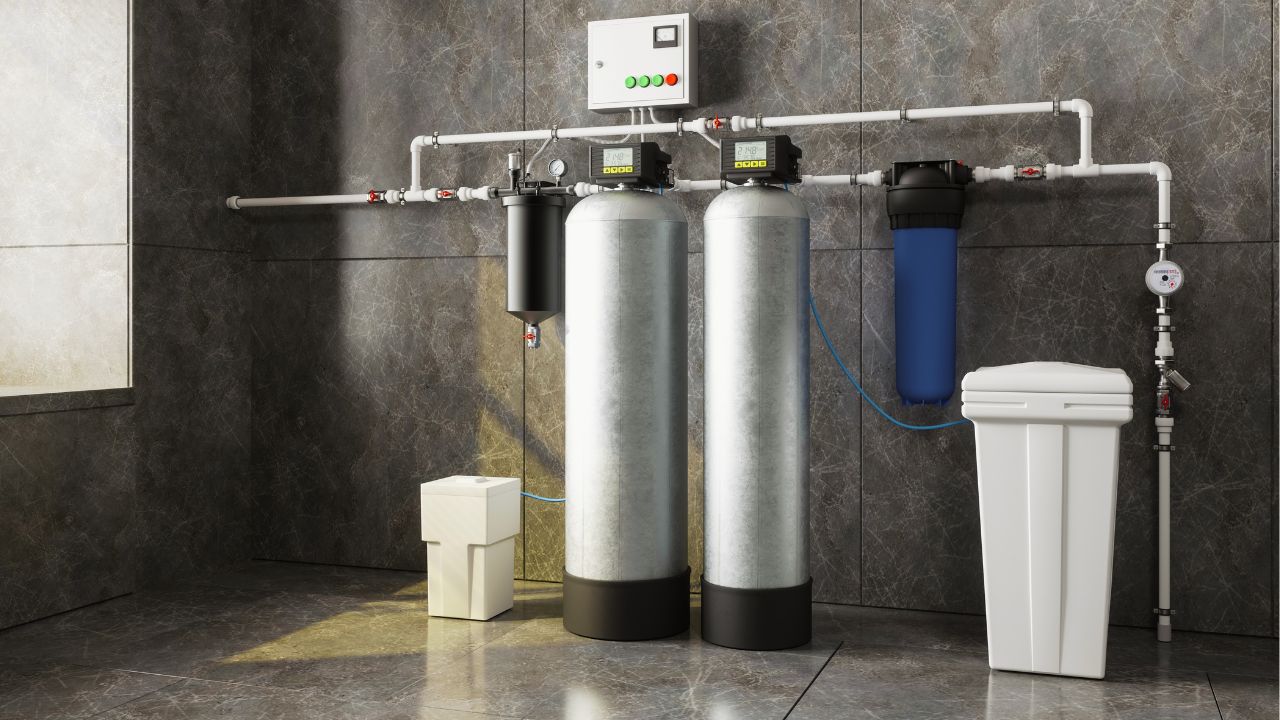
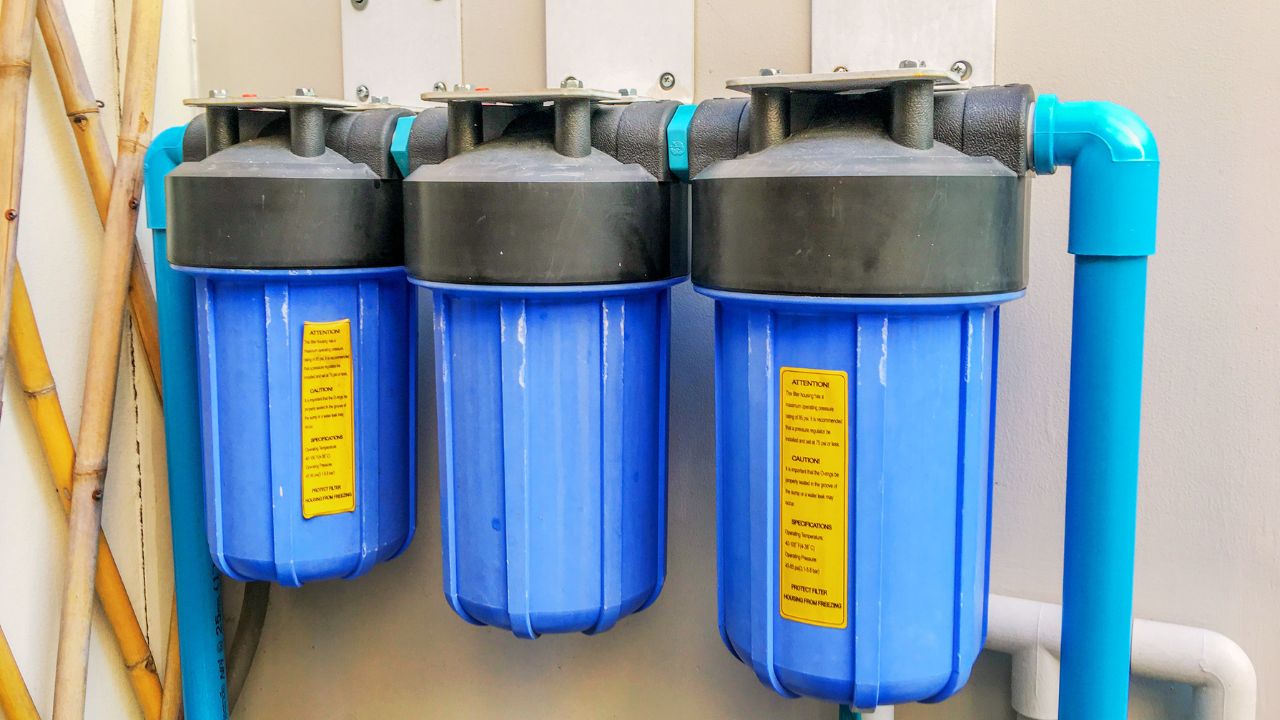
Salt-based water softeners and salt-free conditioners address hard water through fundamentally different mechanisms. Salt-based systems physically remove calcium and magnesium minerals, while salt-free systems prevent scale formation without removing minerals. Understanding these distinctions helps homeowners select appropriate technology for their water hardness level, budget, health considerations, and local regulations.
Cost differences, maintenance requirements, and effectiveness vary significantly. Salt-based softeners require ongoing salt purchases and periodic regeneration, while salt-free systems operate with minimal maintenance. Installation complexity, regulatory restrictions, and long-term operating costs influence decisions between these water treatment options.
Key Takeaways
Salt-based softeners remove hardness minerals completely and drop readings below 1 GPG, while salt-free conditioners leave minerals in water but prevent scale adhesion
Total installed costs range from $1,200–$3,800 for salt-based systems and $500–$4,500 for salt-free systems, with salt-based requiring ongoing salt purchases of $50–$150 annually
Salt-based systems add 7.5 mg/L sodium per grain of hardness removed and discharge 20–50 gallons of brine per regeneration cycle
Salt-free systems work effectively up to 7–10 GPG hardness, while salt-based systems perform excellently at all hardness levels, including extremely hard water above 25 GPG
Several California communities, including the Inland Empire Utilities Agency area, restrict or ban salt-based softener installations due to brine discharge concerns
What Are Salt-Based and Salt-Free Water Softeners?
Salt-based water softeners use ion exchange to physically remove hardness minerals. Salt-free conditioners prevent scale buildup without removing minerals, earning classification as "conditioners" rather than true softeners. The Water Quality Association defines softening specifically as calcium and magnesium removal.
These systems produce different water quality outcomes. Salt-based units deliver slippery feel and improved soap lathering. Salt-free systems leave mineral content unchanged while preventing scale adhesion to pipes and appliances.
How Does a Salt-Based Ion Exchange Softener Work?
Salt-based softeners employ resin beads that swap calcium and magnesium ions for sodium or potassium ions. This ion exchange physically removes hardness minerals as water flows through the resin tank. Resin beads become saturated, requiring regeneration to restore effectiveness.
Regeneration includes five stages: fill, brine draw, slow rinse, backwash, and fast rinse. Modern demand-initiated systems complete regeneration in 60–100 minutes. High-efficiency models use 20–50 gallons per regeneration cycle, occurring one to three times weekly.
What Is a Salt-Free Water Conditioner and Its Mechanism?
The Water Quality Association classifies salt-free systems as conditioners, not softeners, because they don't remove minerals. Template-Assisted Crystallization (TAC) converts dissolved calcium and magnesium into microscopic crystals that remain suspended in water.
These crystals flow through plumbing without adhering to surfaces, reducing scale formation.
Nucleation-Assisted Crystallization (NAC) operates similarly, creating mineral crystals that stay suspended. Because WQA defines softening as mineral removal, salt-free systems don't meet this technical definition. Minerals remain in water, maintaining identical total dissolved solids and hardness readings.
How Does Each System Affect Water Hardness Readings?
Salt-based softening drops hardness readings below 1 grain per gallon (GPG). Hardness meters show dramatically lower readings after salt-based treatment compared to unchanged readings with salt-free systems. WQA classifies water as soft at 0–1 GPG.
Moderately hard water ranges 3–7 GPG, while hard water measures 7–10.5 GPG. Salt-based systems reduce any hardness to soft classification, while salt-free conditioners leave numerical readings identical. This fundamental difference reflects distinct mechanisms each technology employs.
What Are the Key Differences in Cost and Installation?
Initial equipment costs and installation expenses vary significantly based on capacity and features. Salt-based softeners are sized by grain capacity, while salt-free units are rated by flow rate and household size. Professional installation requirements differ substantially, with salt-based systems demanding more complex plumbing connections.
Long-term operating costs create important distinctions. Salt-based systems require ongoing salt or potassium chloride purchases for regeneration. Salt-free conditioners operate with minimal recurring expenses beyond occasional media replacement.
How Do Unit and Installed Costs Compare?
Budget salt-based 32,000-grain units cost $400–$700, while mid-range models reach $1,159. Salt-based 48,000-grain units range from $700–$1,500. Larger 64,000 grain models typically cost $900–$1,527.
Salt-free system unit costs span $500–$3,000 based on technology and filtration stages. Total installed costs for salt-based systems run $1,200–$3,800 including professional labor. Salt-free installations cost $500 to $4,500 depending on complexity.
What Are the Installation Requirements and Labor Considerations?
Professional installation labor for salt-based systems ranges from $500–$3,000 depending on plumbing complexity. Homeowners with existing softener loops can complete DIY installations for $50–$200. Salt-based systems require drain lines for brine discharge, while salt-free systems eliminate this requirement.
Salt-free installation proves simpler because most models need no drain line or electrical connection. Adding drain lines for salt-based installations costs $200–$500 when no existing discharge point exists. Reduced installation complexity of salt-free systems can offset higher equipment costs.
How Does Maintenance Frequency and Effort Differ?
Salt-based systems require refilling brine tanks every 4–6 weeks with one 40-pound salt bag. Resin beds last 10–15 years before replacement. Salt-free conditioning cartridges or media typically provide 8–10 years of service.
Annual salt costs range from $50–$150 for most households using sodium chloride. Total annual operating costs for salt-based systems run $65–$300 including salt, electricity, and maintenance. Salt-free systems operate at near-zero ongoing cost, saving $85–$190 annually.
The table below summarizes unit and total installed costs for each technology.
System
Unit Cost
Total Installed Cost
Salt-based, 32,000 grain
$400–$700
—
Salt-based, 48,000 grain
$700–$1,500
—
Salt-based, 64,000 grain
$900–$1,527
—
Salt-based, any size, installed
—
$1,200–$3,800
Salt-free, all technologies
$500–$3,000
$500–$4,500
How Effective Are Salt-Based Vs. Salt-Free Softeners by Hardness Level?
Water hardness directly influences which technology performs most effectively. Salt-based systems excel at all hardness levels from moderately hard to extremely hard conditions. Salt-free conditioners show strong performance in moderate ranges but face limitations as hardness increases.
Performance expectations must align with actual mechanisms. Salt-based mineral removal delivers consistent results regardless of incoming hardness or temperature. Salt-free crystallization works most effectively within specific hardness ranges and shows reduced reliability beyond those thresholds.
Performance at Moderate Hardness Levels
Moderately hard water measuring 3–7 GPG represents the optimal range for salt-free effectiveness. Salt-free effectiveness begins tapering when hardness exceeds 7 GPG. A government-sponsored study found TAC technology reduced scale formation by more than 88% at 80°C.
A separate study attributed to Arizona State University reported TAC scale reduction exceeding 90%. Both technologies handle moderately hard ranges effectively, though through different mechanisms. Homeowners concerned about hard water effects in this range can consider either option.
Effectiveness in Hard and Very Hard Water Conditions
Hard water ranges 7–10.5 GPG while very hard measures 10.5–25 GPG. Conservative sources indicate salt-free systems prove reliable only up to approximately 10 GPG. Salt-based systems deliver excellent performance at all levels, while salt-free reliability decreases above 10 GPG.
Crystallization processes salt-free systems rely upon become overwhelmed by high mineral concentrations. Salt-based ion exchange maintains consistent removal efficiency regardless of incoming hardness. Households with hardness above 10 GPG should carefully evaluate whether salt-free technology meets protection expectations.
Limitations and Recommendations for Extremely Hard Water
Extremely hard water exceeding 25 GPG presents significant scale prevention challenges. Salt-free systems are not recommended above 25 GPG. Iron-heavy well water requires pre-filtration before salt-free conditioning to prevent media fouling.
Salt-based softeners excel in extremely hard conditions, though higher grain capacity units may be necessary. Dual-tank systems provide continuous soft water even during regeneration. Homeowners facing extreme hardness should prioritize comprehensive water treatment solutions addressing their specific mineral profile.
What Are the Health and Environmental Impacts of Each System?
Sodium addition represents a primary health consideration for salt-based softening. Salt-free conditioners add no sodium, making them suitable for all dietary restrictions. Environmental impacts differ substantially, particularly regarding water waste and brine discharge into municipal systems.
Regulatory frameworks increasingly address environmental consequences of residential softening in sensitive watersheds. Brine discharge contains high chloride concentrations that pass through wastewater treatment without removal. These chloride levels harm freshwater ecosystems and complicate water recycling in drought-prone regions.
Does Each System Add Sodium to Drinking Water?
Salt-based ion exchange adds approximately 7.5 mg/L sodium per grain of hardness removed. An 8-ounce glass of softened water typically contains 12.5–28 mg added sodium. For comparison, one cup of milk contains 122 mg and one egg contains 59 mg.
Salt-based systems add sodium through ion exchange, while salt-free conditioners add none. EPA recommends keeping sodium in drinking water below 20 mg/L. Most softened water falls within FDA "low sodium" labeling standards even after treatment at moderate hardness.
What Are the Health Considerations for Sensitive Populations?
Softened water is not recommended for hypertensive individuals on sodium-restricted diets. Infants under 6 weeks should not consume softened water due to developing kidneys' limited sodium processing. EPA's recommended sodium ceiling for drinking water sits at less than 20 mg/L.
Households with members on medically restricted sodium diets can install reverse osmosis at drinking taps. Potassium chloride can substitute for sodium chloride as regenerant in salt-based systems. These modifications allow salt-based benefits throughout the home while protecting drinking water quality.
How Do They Affect Water Waste and Brine Discharge?
Modern salt-based systems use 20–50 gallons per regeneration cycle. Regeneration frequency ranges from one to three times weekly depending on usage and hardness. Annual water consumption from regeneration totals 1,300–10,000 gallons across different household sizes.
Brine chloride concentration can exceed 2,000 mg/L during each discharge into household drains. Municipal wastewater treatment plants cannot remove chloride from brine before environmental release. This chloride passes through to receiving waters where it accumulates and damages freshwater ecosystems.
How Do These Softeners Protect Appliances and Plumbing?
Scale buildup in water heaters, pipes, and fixtures reduces efficiency and shortens appliance lifespan. Salt-based systems provide full scale protection by completely removing hardness minerals. Salt-free conditioners offer substantial scale reduction rather than complete prevention through crystallization.
Water heater efficiency directly correlates with scale accumulation on heating elements and tank interiors. The U.S. Department of Energy reports efficiency losses up to 25% from scale buildup. Preventing accumulation through water treatment delivers measurable energy savings and extends equipment replacement intervals.
What Level of Scale Prevention Does Each Provide?
Salt-based systems provide full scale protection by removing minerals before they precipitate. Salt-free conditioners provide substantial reduction but not complete prevention. Microscopic crystals formed by TAC and NAC technologies remain suspended rather than adhering.
Government-sponsored testing demonstrated scale reduction exceeding 88% in heated conditions using TAC media. This substantial reduction helps protect appliances without achieving complete mineral removal. Homeowners should calibrate expectations based on whether substantial reduction or complete prevention aligns with priorities.
How Do They Influence Water Heater Efficiency?
Water heater efficiency decreases by up to 22% in hard water conditions per Water Quality Association research. Scale accumulation causes efficiency losses up to 25% per U.S. Department of Energy findings. Salt-based softening eliminates this decline by preventing mineral deposition on heating elements and surfaces.
Salt-free conditioners reduce but don't fully eliminate hard-water-related efficiency losses. Suspended crystals still carry mineral content through the system at full concentration. This provides meaningful improvement over untreated hard water while falling short of complete soft water protection.
What Maintenance Is Needed to Sustain Protection?
Salt-based system lifespans typically reach 15–20 years with proper maintenance and resin bed replacement. Control valves on quality units last 15–25 years. Regular salt refills and occasional brine tank cleaning maintain optimal performance.
Salt-free conditioning cartridges or media typically provide 8–10 years before replacement. No routine maintenance tasks exist between replacements beyond occasional inspection. This reduced maintenance burden appeals to homeowners seeking minimal ongoing involvement.
What Regulatory Factors Affect Salt-Based Softeners in California?
California grants local water districts authority to restrict residential self-regenerating water softeners under specific conditions. State law empowers communities to protect water recycling infrastructure and sensitive watersheds from chloride contamination. These local ordinances create a patchwork of regulations requiring verification before purchasing salt-based systems.
Brine discharge concerns drive most California restrictions in communities dependent on water recycling. Chloride from residential softener regeneration passes through wastewater treatment and concentrates in recycled water used for irrigation. Agricultural crops and landscaping suffer damage when chloride exceeds safe thresholds.
Are Salt-Based Softeners Banned or Restricted Locally?
The Inland Empire Utilities Agency banned new self-regenerating salt-based installations around 2013 to protect recycled water. Santa Clarita Valley maintains a long-standing ban due to elevated chloride in Santa Clara River. Additional restricted California communities include Brentwood, Dixon, Discovery Bay, Fillmore, Oakley, Bethel Island, and San Juan Bautista.
California Water Code §13148 and Health & Safety Code §116785 grant local districts authority to restrict salt-based softeners. These statutes target "residential self-regenerating water softeners" discharging brine into sewer systems. Homeowners must verify local ordinances with their city or water district before purchasing.
What Alternatives Exist in Areas with Restrictions?
Potassium chloride costs three to four times more than sodium chloride as regenerant. Sodium chloride costs $5–$10 per 40-pound bag. Potassium chloride alternatives run $20–$30 per bag, significantly increasing annual operating costs.
Portable exchange tank services provide off-site regeneration as another compliant alternative. High-efficiency demand-initiated softeners meeting local salt efficiency standards remain legal where timer-based models are prohibited. Salt-free conditioners offer the most straightforward compliance solution in communities with comprehensive bans.
Why Are Restrictions in Place and How Do They Impact Choices?
Brine passes through wastewater treatment to receiving waters where it harms freshwater ecosystems. Agricultural irrigation using recycled water suffers quality degradation when chloride exceeds crop tolerance. California requires a minimum efficiency of 4,000 grains removed per pound of salt used.
State regulations prohibit timer-based regeneration, allowing only demand-initiated models regenerating based on actual usage. These efficiency requirements reduce but don't eliminate chloride discharge. Homeowners in regulated areas must weigh compliance costs against benefits of professional water softener installation and alternative technologies.
When Should You Choose Salt-Based or Salt-Free Softeners?
Household hardness level serves as the primary decision factor. Salt-based systems deliver consistent performance across all hardness ranges while salt-free effectiveness diminishes above specific thresholds. Local regulations, health considerations, and maintenance preferences also influence optimal choice.
Budget constraints and ongoing operating cost tolerance create additional criteria beyond initial purchase price. Salt-based systems require recurring salt purchases and periodic professional service. Salt-free conditioners eliminate ongoing consumable costs while accepting reduced effectiveness in high-hardness conditions.
Which System Is Better for Different Household Hardness Levels?
Salt-based softeners excel at all hardness levels from moderate through extremely hard water above 25 GPG. Salt-free effectiveness tapers above 7 GPG and shows reduced reliability beyond approximately 10 GPG. Extremely hard water above 25 GPG requires salt-based treatment for reliable prevention and protection.
Homeowners with hardness between 3–7 GPG can select either technology based on sodium concerns and operating cost preferences. Those facing 7–10 GPG should carefully evaluate whether salt-free meets protection expectations. Anyone with hardness above 10 GPG should prioritize salt-based systems for comprehensive removal.
What Are the Ideal Use Cases Based on Property Type and Water Needs?
Salt-based systems significantly improve soap lathering compared to minimal improvement from salt-free conditioners. The slippery soft-water feel characteristic of ion-exchange treatment doesn't occur with salt-free technologies. Salt-free systems save $85–$190 annually through eliminated salt purchases.
Salt-based softeners require refilling every 4–6 weeks while salt-free systems need no salt. Annual operating costs run $65–$300 for salt-based versus near-zero for salt-free. Households prioritizing traditional soft water experience and maximum appliance protection should select salt-based despite higher operating costs.
How Should Local Regulations and Health Concerns Influence Decisions?
Readers should confirm local softener ordinances with their city or water district before purchasing any self-regenerating system. Softened water remains unsuitable for hypertensive individuals on sodium-restricted diets without reverse osmosis at drinking taps. Infants under 6 weeks should not consume water treated by salt-based softeners.
Communities within restricted California zones must choose compliant alternatives like potassium-based regeneration or salt-free conditioning. The right type of water softener CA residents select depends on balancing regulatory compliance with performance expectations. Health-conscious households can achieve salt-based water softener pros and cons optimization through strategic system selection and drinking water modifications.
Comparing Salt-Based and Salt-Free Water Softeners: Effectiveness, Costs, and Considerations
Evaluating salt-free water softener benefits against traditional ion exchange requires examining multiple decision factors simultaneously. Initial costs, operating expenses, effectiveness thresholds, and regulatory compliance all influence which technology serves specific households most effectively. No universal "right" choice exists—optimal selection depends on individual water chemistry, local regulations, and household priorities.
When you compare salt-based and salt-free softeners comprehensively, distinct use-case patterns emerge. Salt-based systems deliver superior performance in high-hardness conditions while creating ongoing salt requirements and potential regulatory challenges. Salt-free conditioners eliminate sodium addition and operating costs while accepting performance limitations above moderate hardness.
Choosing a water softener without salt makes sense for households in restricted California communities or those with sodium-sensitive family members. These systems provide meaningful scale reduction without the environmental impact of brine discharge. Whole-home water filtration and softening systems often combine multiple technologies to address hardness and contaminant concerns simultaneously.
Salt-based systems remain the gold standard for very hard or extremely hard water conditions. Their complete mineral removal delivers maximum appliance protection and a traditional soft water experience. The decision ultimately depends on weighing performance requirements against operating costs, regulatory compliance, and health considerations.
Homeowners in San Bernardino County and surrounding areas face unique hardness challenges requiring professional water testing and system sizing. The San Bernardino hard water conditions demand careful technology selection to prevent scale damage while complying with local discharge regulations. Professional assessment ensures system capacity matches household demand and incoming water chemistry.
Get Water Softener Guidance From Alpine Plumbing, Heating, and Air
Choosing between salt-based and salt-free technology is easier with a water hardness test and a technician who can explain your options in plain language. Alpine Plumbing, Heating, and Air has served San Gabriel Valley and Inland Empire homeowners since 2017, and our licensed technicians can test your water and recommend a system sized for your home. Call us at (626) 385-4001 or request a free quote online to get started.
Frequently Asked Questions
How much does a salt-based water softener cost compared to a salt-free system?
Salt-based softeners run $1,200 to $3,800 installed, depending on grain capacity and plumbing complexity, while salt-free systems cost $500 to $4,500 installed based on technology and filtration stages. Salt-based systems add another $50 to $150 a year in ongoing salt costs, while salt-free systems have almost no recurring expense.
Are salt-based water softeners legal in California?
It depends on where you live. State law lets local water districts restrict or ban residential self-regenerating salt-based softeners, and agencies including the Inland Empire Utilities Agency and Santa Clarita Valley have done so to protect recycled water and sensitive rivers from chloride. Always check with your city or water district before purchasing.
Do salt-free water softeners actually work?
Yes, though they work differently than salt-based softeners. Salt-free conditioners don't remove hardness minerals; they crystallize them so the minerals can't stick to pipes and appliances, and independent testing has shown scale reduction above 88% at moderate hardness levels. Effectiveness declines once hardness climbs above roughly 10 GPG.
Is softened water safe to drink?
For most people, yes. Salt-based softening adds roughly 7.5 mg/L of sodium per grain of hardness removed, which usually keeps softened water within FDA low-sodium labeling standards. People on sodium-restricted diets and infants under 6 weeks should avoid it, or rely on reverse osmosis filtration at the kitchen tap instead.
How do I know if I need a water softener at all?
A water hardness test is the only reliable way to know, since hardness varies by neighborhood and even by well versus municipal supply. Readings above 3 to 7 GPG start to affect soap lathering and pipe scale, and anything above 7 GPG generally benefits from treatment.
Welcome to Alpine Plumbing and Rooter, serving San Dimas and the surrounding areas as your reliable source for exceptional plumbing and drainage services. We also provide reliable licensed HVAC services.
After reviewing your information, we will contact you as soon as possible.
"*" indicates required fields
Alpine Plumbing, Heating, and Air
462 Borrego Ct Unit A, San Dimas, CA 91773
CA Plumbing/HVAC License: #1041244 AZ Plumbing License: ROC 362311
Welcome to Alpine Plumbing, Heating, and Air, serving San Dimas, San Bernardino, Lake Havasu, AZ, and the surrounding areas. We are your reliable source for exceptional plumbing, Heating, and Air Conditioning needs.