Key Takeaways
- Prevention saves $20,000-$50,000+ over your plumbing system's lifetime compared to reactive emergency repairs. Small investments in preventative plumbing maintenance eliminate catastrophic expenses.
- A $150 leak becomes $25,000+ in just two years when ignored. Cost escalation is exponential—early detection and immediate repair prevent structural damage, mold remediation, and health issues.
- Monthly 15-20 minute inspections catch problems before expensive damage occurs. Visual leak checks, listening for unusual sounds, and monitoring water pressure form your first defense against costly failures.
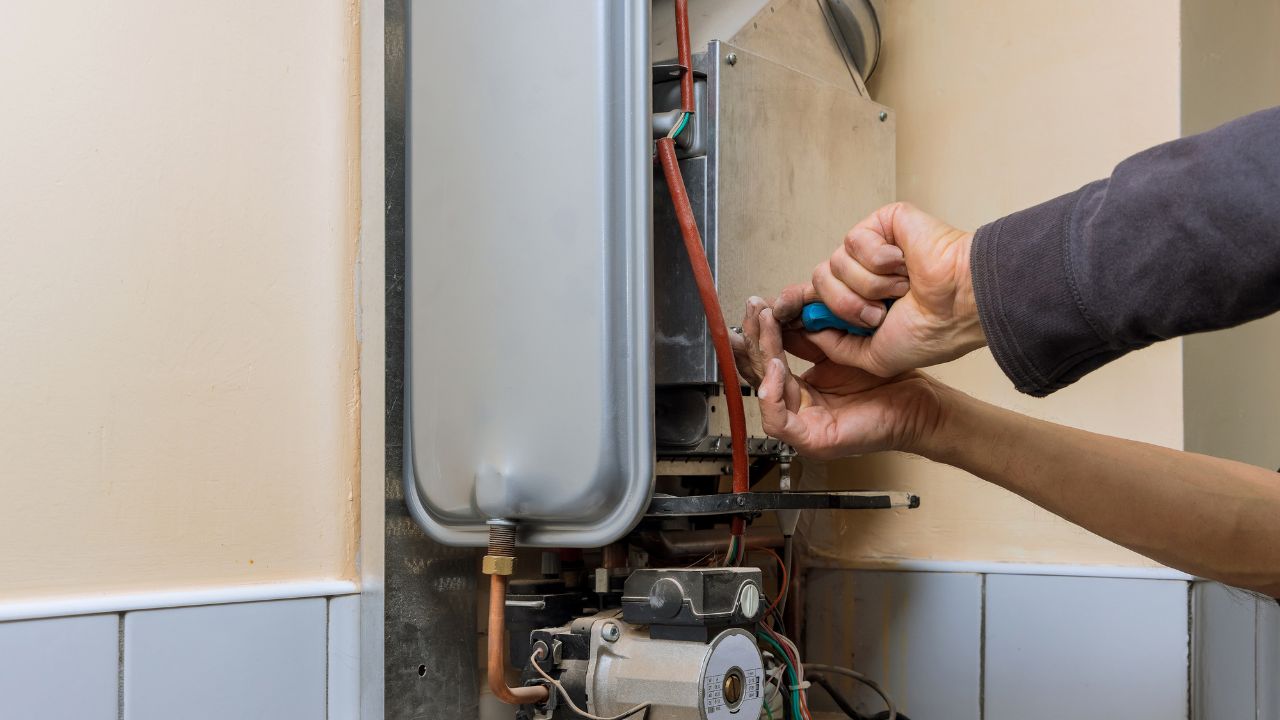
- Water heater flushing extends equipment life by 3-5 years, saving $1,000-$2,000 on premature replacement while improving efficiency by 5-10%. This single annual task delivers multiple financial benefits.
- Knowing your main shutoff valve location prevents $10,000+ in emergency water damage. Every household member should know exactly where it is and how to operate it during plumbing emergencies.
Most homeowners spend thousands fixing plumbing problems that cost dollars to prevent. A $150 leak ignored becomes a $25,000 disaster involving structural damage, mold remediation, and emergency repairs. The difference between minor maintenance and catastrophic failure is simple: consistent attention to your plumbing system.
This guide reveals plumbing prevention tips that reduce plumbing repair costs dramatically. You'll learn which components fail most often, how to recognize warning signs before damage escalates, and practical ways to make your home more water-efficient while protecting your investment. Small habits prevent major expenses. Preventative plumbing maintenance service isn’t optional; it's the smartest financial decision homeowners make.
What Does Preventative Home Maintenance Mean For Homeowners Trying To Avoid Expensive Plumbing Repairs?
Preventative plumbing maintenance means addressing issues before they become emergencies. Regular inspections, minor repairs, and proactive system care protect your home from catastrophic failures. This approach shifts homeowners from reactive crisis management to strategic system protection.
How Does Preventative Plumbing Maintenance Differ From Emergency Plumbing Services?
Preventative plumbing maintenance involves scheduled inspections, routine fixes, and system monitoring. Emergency plumbing services respond to failures already in progress—burst pipes, major leaks, or sewer backups. Prevention happens on your schedule at planned costs. Emergencies happen at 2 AM with premium pricing and stress.
The financial difference is substantial. Homeowners who follow plumbing prevention tips save $20,000-$50,000+ over their plumbing system's lifetime compared to those who only call for emergency repairs. Prevention costs dollars per month. Emergencies cost thousands per incident.
Why Is Plumbing Maintenance For Homeowners Essential To Long-Term Cost Control?
Small preventative investments deliver massive returns. Smart water leak sensors cost just $50-$150 to install but provide 24/7 monitoring that catches problems before damage escalates. These devices alert you instantly when moisture appears near water heaters, under sinks, or behind appliances.
Insurance companies recognize this value. Many providers offer premium discounts of 5-10% for homes with leak detection systems installed. The sensors pay for themselves through insurance savings alone, while simultaneously protecting your home from the hidden costs of ignoring a small leak.
How Do Small Plumbing Issues Turn Into The Hidden Costs Of Ignoring A Small Leak?
A minor drip under your sink starts as a $150 washer replacement. Ignore it, and costs multiply exponentially. Within one month, moisture damages surrounding materials—now you're paying $300 for repairs plus cabinet restoration. By month three, the total reaches $1,200 as water damage spreads.
The escalation accelerates dangerously. Month six brings subfloor damage and mold, totaling $3,500. After one year, you face major renovation and mold removal at $10,000. Beyond two years, structural repairs and health issues push costs past $25,000. The hidden costs of ignoring a small leak aren't hidden long—they become your most expensive home repair decision.
Why Do Plumbing Problems Cause Some Of The Most Expensive Home Repairs?
Water never stays contained. Unlike electrical issues or HVAC problems that remain localized, plumbing failures spread through walls, floors, and foundations. This invasive damage multiplies repair costs across multiple systems and requires specialists from different trades to restore your home.
Why Does Water Damage Escalate Faster Than Other Home Issues?
Water moves constantly and penetrates everything. A small leak saturates drywall, insulation, and framing within hours. Mold colonizes damp materials within 24-48 hours. By the time you notice visible damage, destruction has already spread far beyond the leak source.
Catching a leak early prevents $1,000-$25,000+ in water damage and mold remediation costs. Early detection means repairing one component. Delayed discovery means replacing entire room sections, treating mold throughout multiple cavities, and addressing structural compromise. Speed determines whether you avoid expensive plumbing repairs or face financial disaster.
How Do Undetected Leaks Impact Walls, Flooring, And Foundations?
Hidden leaks destroy your home systematically. Month three brings cabinet water damage and mold odor as moisture saturates wood and drywall. By month six, subfloor damage appears with visible mold colonies spreading through enclosed spaces.
After one year, structural damage extends throughout affected areas with mold contaminating HVAC systems and spreading to adjacent rooms. Beyond two years, joist damage threatens structural integrity while occupants develop respiratory issues and allergic reactions. Each stage requires progressively more invasive repairs—and higher costs from specialized contractors.
Why Does Delaying Plumbing Services Increase Repair Complexity And Cost?
Simple problems become complex disasters through neglect. Week one's $150 washer replacement becomes month six's subfloor replacement plus professional mold remediation. What one plumber could fix in 30 minutes now requires demolition crews, flooring specialists, and certified mold contractors working for days.
By year two, you need structural engineers assessing joist integrity, mold specialists remediating entire rooms, and potentially medical professionals treating occupant health issues. Each delayed day adds new damage requiring additional specialists. Preventative plumbing maintenance stops this cascade before it starts. Reactive plumbing services after extensive damage cost 50-100 times more than early intervention.
What Simple Maintenance Habits Help Prevent Major Plumbing Repairs And Water Damage?
Simple habits deliver extraordinary returns. Monthly inspections, fixture monitoring, and immediate action on small problems form the foundation of plumbing maintenance for homeowners. These routines require minimal time but prevent maximum damage.
How Does Routine Leak Detection Help Reduce Plumbing Repair Costs?
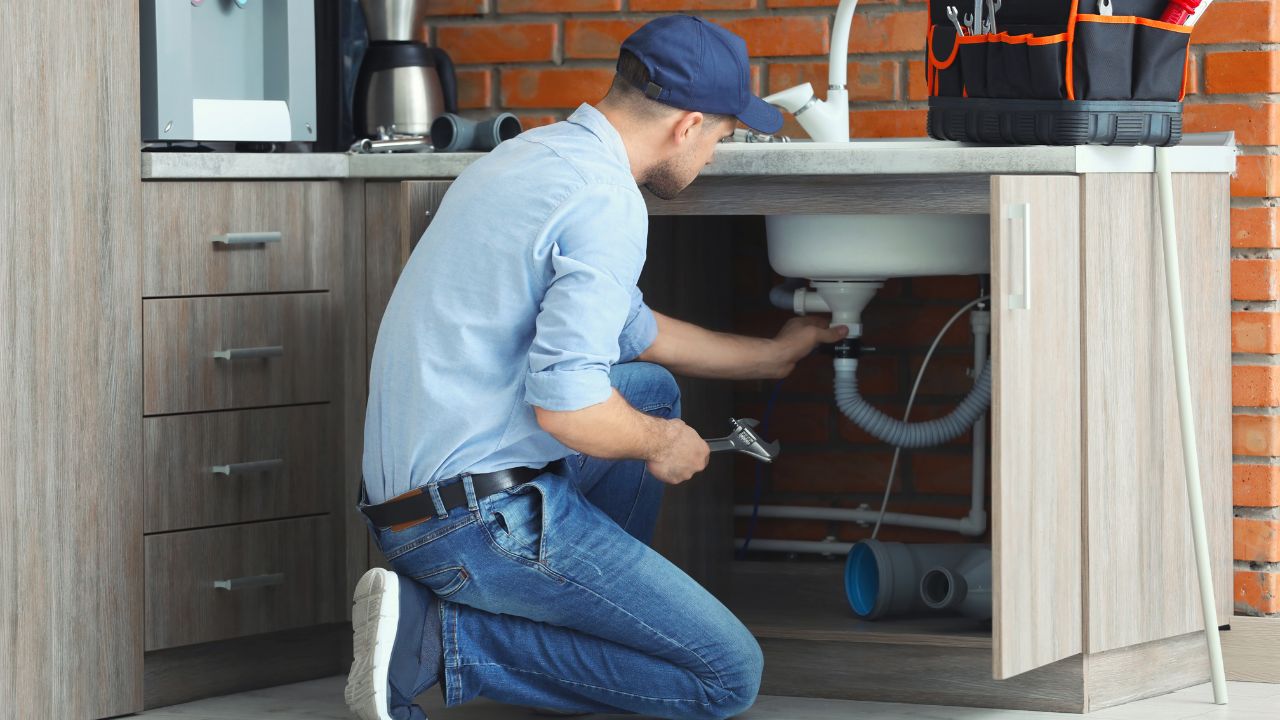
Monthly visual leak checks take just 15-20 minutes. Inspect under sinks, around toilets, near water heaters, and behind washing machines for moisture, drips, or water stains. This brief routine catches problems when they're still cheap to fix.
The financial impact is significant. A single leaky faucet wastes 3,000+ gallons of water per year—raising your high water bill while damaging surrounding materials. Routine detection stops waste immediately and prevents the hidden costs of ignoring a small leak. Twenty minutes monthly protects thousands in potential damage.
Why Does Monitoring Fixtures And Shut-Off Valves Prevent Emergencies?
Knowing your main water shutoff location prevents $10,000+ in emergency water damage. When a pipe bursts or major leak occurs, every second counts. Household members who know exactly where the valve is and how to operate it stop flooding before it destroys flooring, walls, and belongings.
Regular fixture maintenance saves $100-$300 annually on water bills while preventing $100-$600 in repair costs. Tightening connections, replacing worn washers, and cleaning aerators keeps fixtures working efficiently. These plumbing prevention tips cost nothing but attention, yet deliver consistent savings year after year.
How Does Early Action Prevent The Hidden Costs Of Ignoring A Small Leak?
Speed determines cost. Early detection and repair prevent $500-$5,000+ in escalated damage and emergency repair costs. A drip you fix today costs $50-$150. The same drip ignored for months requires structural repairs, mold remediation, and emergency plumbing services at exponentially higher rates.
Preventative plumbing maintenance means acting immediately when issues appear. Don't wait for problems to worsen. Address leaks, unusual sounds, or pressure changes the moment you notice them. This simple habit—immediate response—is the most effective way to reduce plumbing repair costs and avoid expensive plumbing repairs throughout your homeownership.
What Warning Signs Indicate Plumbing Problems Before Repairs Become Expensive?
Your plumbing system communicates problems before they become disasters. Unusual water bills, strange sounds, pressure changes, and slow drains all signal developing issues. Recognizing these warnings early is essential plumbing maintenance for homeowners who want to avoid expensive plumbing repairs.
How Can A High Water Bill Signal Hidden Plumbing Leaks?
A high water bill often indicates leaks you haven't seen yet. Water consumption patterns remain consistent month-to-month for most households. Sudden increases without explanation mean water is escaping somewhere—and you're paying for damage plus waste.
Use the water meter test to confirm hidden leaks. Turn off all water in your home, note your meter reading, wait two hours without using any water, then check again. Any change indicates a leak. This simple test catches problems before visible damage appears, helping you reduce plumbing repair costs through early intervention.
What Sounds, Odors, Or Pressure Changes Suggest Plumbing System Failure?
Listen to your plumbing. Gurgling drains indicate venting problems or partial blockages. Banging pipes signal water hammer or loose mounting. Running toilets waste water continuously. Whistling faucets suggest worn washers or high pressure. Each sound identifies a specific problem requiring attention.
Pressure changes matter critically. Ideal home water pressure ranges from 40-60 PSI—test with an inexpensive gauge from any hardware store. Pressures outside this range indicate system problems requiring immediate attention. Low pressure suggests leaks or blockages. High pressure stresses pipes and fixtures, accelerating wear and increasing failure risk.
Why Should Slow Drains And Minor Backups Never Be Ignored?
Slow drains announce developing blockages. Ignore them and face expensive consequences. Clogged drains occur in 180 per 1,000 homes annually, with average repair costs of $400—ranging from $100-$800 depending on severity and location.
More serious are sewer line backups, occurring in 8 per 1,000 homes annually with average costs of $1,800—ranging from $600-$3,000. These start as minor slow drains. Preventative plumbing maintenance addresses sluggish drainage immediately with safe cleaning methods. Waiting transforms a $100 snake service into a $3,000 sewer excavation. Early response to warning signs is the most effective way to reduce plumbing repair costs.
How Often Should Homeowners Inspect Their Plumbing Systems To Prevent Costly Damage?
Consistent inspection schedules catch problems early. Monthly checks take minutes. Seasonal maintenance requires a few hours. Annual professional services provide expert assessment. This layered approach forms comprehensive plumbing maintenance for homeowners who want to avoid expensive plumbing repairs.
Monthly inspections take just 15-20 minutes but deliver maximum protection. Perform visual leak checks under sinks, around toilets, and near appliances. Check smart water sensors if installed to confirm proper operation. Listen for unusual sounds—gurgling drains or running toilets signal developing problems. Monitor water pressure for sudden changes indicating leaks or blockages.
These brief monthly checks form your first defense against the hidden costs of ignoring a small leak. Problems caught in early stages cost dollars to fix. Problems discovered months later cost thousands. Consistency matters more than thoroughness—regular attention prevents surprises.
What Preventative Plumbing Maintenance Should Be Done Seasonally?
Seasonal maintenance addresses climate-specific risks. Spring requires 3-4 hours for high-priority tasks—inspecting outdoor faucets, testing sump pumps, and checking for winter damage. Summer demands 2-3 hours, with water heater flushing as the critical task to reduce plumbing repair costs through improved efficiency.
Fall is crucial in cold climates, requiring 3-4 hours for winterization—disconnecting hoses, draining outdoor lines, and insulating exposed pipes. Winter shifts to monitoring mode with 1-2 hours of medium-priority checks focused on frozen pipe prevention. These seasonal plumbing prevention tips adapt your maintenance to weather-driven threats.
When Should Professional Plumbing Services Be Scheduled Annually?
Professional expertise catches what homeowners miss. Schedule annual water heater flushing and anode rod inspection during summer when demand is lower. Annual professional plumbing inspections in spring or fall identify developing issues before they cause damage. Older homes need sewer line inspections every 1-2 years to detect tree root intrusion or pipe deterioration.
Professional preventative plumbing maintenance costs hundreds. Emergency repairs after failures cost thousands. Licensed plumbers use specialized equipment—cameras, pressure gauges, leak detectors—that reveal problems invisible to homeowners. This annual investment is essential plumbing maintenance for homeowners serious about protecting their property and avoiding expensive plumbing repairs.
How Can Homeowners Reduce Plumbing Repair Costs Through Water Efficiency?
Water efficiency protects more than the environment, it protects your plumbing system. Efficient fixtures reduce stress on pipes, valves, and connections. Lower flow rates mean less pressure strain and longer component life. Ways to make your home more water-efficient simultaneously reduce plumbing repair costs.
How Do Water-Efficient Fixtures Help Prevent Long-Term Plumbing Stress?
Inefficient fixtures fail frequently. Leaky faucets occur in 150 per 1,000 homes annually, with average costs of $200—ranging from $100-$300. Running toilets affect 140 per 1,000 homes annually, with average costs of $350—ranging from $100-$600. Both waste water and signal worn components under excessive stress.
Modern water-efficient fixtures operate at lower flow rates with less mechanical strain. They use better materials and improved designs that last longer under normal conditions. Upgrading fixtures isn't just about saving water—it's preventative plumbing maintenance that reduces failure frequency and extends system life.
What Ways To Make Your Home More Water-Efficient Also Protect Pipes?
Installing water-efficient aerators and showerheads reduces pressure stress on fixtures and connections. Lower flow rates mean less force on washers, valves, and joints—the exact points where leaks typically develop. These inexpensive upgrades protect expensive plumbing infrastructure.
Upgrading to low-flow toilets reduces flush volume stress on drain lines. Older high-volume toilets force large water slugs through pipes, stressing joints and connections. Modern efficient toilets use engineered flow patterns that clean effectively while reducing mechanical stress. This plumbing prevention tip protects both water supply and drain systems.
How Does Reducing Water Pressure Lower The Risk Of Leaks And Bursts?
Excessive pressure destroys plumbing. Burst pipes occur in 12 per 1,000 homes annually, with average costs of $2,200—ranging from $400-$4,000. High water pressure above 60 PSI significantly increases burst pipe risk by stressing every connection, joint, and fixture continuously.
Install a pressure regulator if your system exceeds 60 PSI. This single upgrade protects your entire plumbing system from pressure-related failures. Lower pressure reduces stress on supply lines, fixtures, and appliances—extending their life while helping you avoid expensive plumbing repairs. Proper pressure is essential plumbing maintenance for homeowners serious about system protection.
What Practical Steps Should Homeowners Take Now To Protect Their Plumbing Systems?
Knowledge without action provides no protection. Start implementing plumbing maintenance for homeowners immediately. These practical steps transform understanding into system protection and cost savings.
How Can Homeowners Build A Realistic Plumbing Maintenance Routine?
Begin with immediate actions that provide maximum protection. Keep your thermostat at 55°F minimum when leaving home for extended periods—frozen pipes destroy homes in hours. Test your main shutoff valve twice annually to ensure it's not stuck. When emergencies strike, a seized valve turns manageable problems into disasters.
Place smart sensors near water heaters, under sinks, and behind appliances. These $50-$150 devices provide 24/7 monitoring and instant alerts. Combine immediate actions with monthly inspections, seasonal maintenance, and annual professional plumbing services. This layered routine catches problems at every stage—from initial development through potential failure. Consistency matters more than perfection. Regular attention to plumbing prevention tips delivers compounding protection over time.
Why Does Proactive Planning Reduce Stress And Unexpected Plumbing Costs?
The numbers prove prevention's value. Average frozen pipe insurance claims cost $10,000-$15,000. Some exceed $50,000 when structural damage and mold develop. Actual burst pipe repair costs range from $400-$4,000 without water damage. Prevention through winterization eliminates these risks entirely.
Proactive planning means no 2 AM emergencies, no scrambling for emergency plumbing services at premium rates, no watching water destroy your belongings. You control timing, costs, and outcomes through preventative plumbing maintenance. This approach helps you avoid expensive plumbing repairs while eliminating the stress of unexpected failures. Start today—every day delayed increases your exposure to the hidden costs of ignoring a small leak and catastrophic system failures.
Protect Your Home With Professional Plumbing Maintenance
Don't wait for expensive disasters. Alpine Plumbing, Heating, and Air provides comprehensive preventative plumbing maintenance that protects your home and saves thousands in repair costs. Our licensed professionals perform thorough inspections, water heater flushing, leak detection, and seasonal winterization services that keep your plumbing system running efficiently year-round.
Schedule your annual plumbing inspection today and receive a complete system assessment with detailed recommendations. We'll identify potential problems before they escalate, help you avoid expensive plumbing repairs, and provide peace of mind knowing your home is protected. Contact Alpine Plumbing, Heating, and Air now to start your preventative maintenance program and stop paying for emergencies.