Key Takeaways
- Apply the 50% Rule: If repair costs reach or exceed 50% of a new unit's price, replacement delivers better long-term value than continued repairs on aging equipment.
- Age Matters Most: Traditional tank water heaters over 10-12 years old should be replaced proactively, while tankless systems last 20-30 years before replacement becomes necessary.
- Recognize Critical Warning Signs: Leaking tanks, extensive corrosion, rusty water, and frequent repairs (2-3 times yearly) indicate immediate replacement is needed to prevent catastrophic failure and water damage.
- Energy Efficiency Pays Off: Upgrading to ENERGY STAR® certified tankless systems reduces energy consumption by up to 30%, with operating costs of $192-$540 annually compared to traditional tanks at $225-$580.
- Prioritize Professional Maintenance: Annual inspections, flushing, and timely component replacement extend water heater lifespan by several years while preventing emergency failures that cost significantly more than planned replacements.
Your water heater provides essential hot water for daily needs, but when problems arise, you face a critical decision: repair or replace? This guide helps homeowners navigate water heater repair vs. replacement choices with confidence. Understanding repair costs, system lifespans, and failure warning signs prevents costly mistakes and emergency breakdowns.
Whether you're troubleshooting inconsistent temperatures, evaluating strange noises, or planning proactive upgrades, this water heater repair guide delivers the facts you need. Learn when repairs make financial sense, when replacement provides better long-term value, and how to work effectively with plumbing services and HVAC professionals. Make informed decisions that protect your home and budget.
Should I Repair My Water Heater or Replace It With a New One?
The water heater repair vs replacement decision hinges on three factors: unit age, repair cost, and breakdown frequency. Understanding these variables helps you avoid wasting money on temporary fixes while preventing premature replacement of a serviceable system.
Key Factors to Consider When Deciding Between Repair or Replacement
Apply the 50% Rule when choosing a water heater repair strategy. If repair costs reach or exceed 50% of a new unit's price, replacement delivers better long-term value. A $400 repair on an $800 system signals it's time to replace.
Track breakdown frequency carefully. Systems requiring 2-3 repairs within a year are nearing operational failure. Energy efficiency matters too—older water heaters consume up to 14% of your home's total energy bill. High utility costs often justify upgrading to modern, efficient models even when repairs remain technically possible.
When It's Worth Repairing Your Water Heater
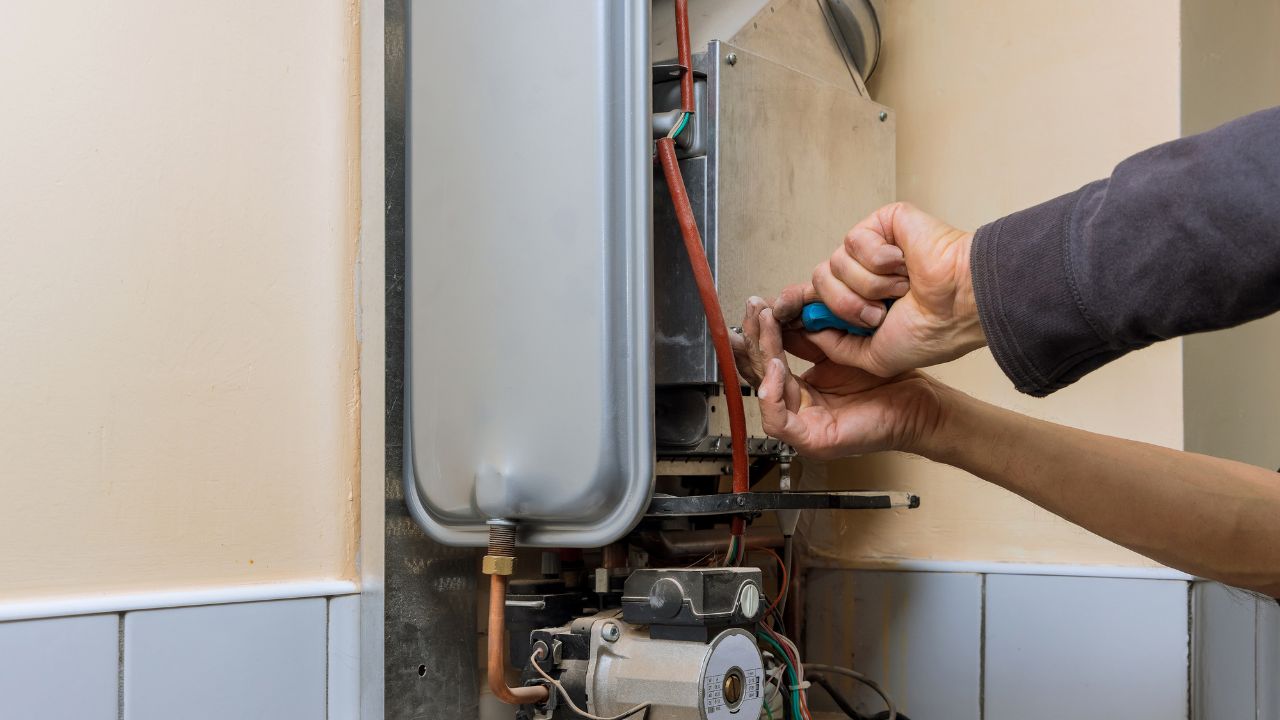
Minor repairs between $150 and $400 make financial sense for newer systems. Replacing a thermostat or heating element extends serviceable life without major investment. Units under 6-8 years old with their first or second minor issue are prime repair candidates.
Simple component failures justify repair over replacement. Thermostats, heating elements, and similar parts fail independently without indicating broader system problems. Consult plumbing services for diagnosis, but these straightforward fixes typically prove cost-effective on efficient units with years of expected service remaining.
When It's Time to Replace Your Water Heater
Traditional tank systems over 10-12 years old should be replaced proactively. Tankless units last longer but need replacement after 15-20 years. Age alone justifies replacement as older systems become inefficient and prone to catastrophic failure.
Major issues demand immediate replacement. Leaking tanks cannot be repaired—the tank itself has failed. Extensive corrosion signals systemic deterioration throughout the unit. When cumulative repair costs approach new unit pricing, replacement prevents continued investment in a failing system. Professional HVAC services can assess whether repair or replacement decisions align with your water heater's actual condition and your household's long-term needs.
What Are the Advantages of Water Heater Repair?
Repairing your water heater offers immediate cost savings and extends system life without the expense of full replacement. Strategic repairs preserve your investment while maintaining reliable hot water service.
Cost-Effectiveness of Repairing a Water Heater
Water heater repair proves cost-effective when repair bills stay below 50% of replacement costs. Minor component replacements range from $150-$400, delivering years of additional service at a fraction of new unit pricing. A $250 thermostat replacement, for example, restores full function without the $1,600-$2,400 investment required for traditional tank replacement.
Budget-conscious homeowners benefit most from repair strategies on newer systems. The water heater repair guide principle is simple: maximize return on existing investment when the unit has serviceable years remaining. Consult plumbing services for accurate repair estimates before committing to replacement.
Extending the Life of Your Water Heater With Proper Repairs
Timely minor repairs extend water heater life for several additional years beyond initial problem symptoms. Addressing issues early prevents catastrophic failure and the water damage that follows. A small repair investment today protects against emergency replacement costs and potential flooding damage to floors, walls, and belongings.
Preventive repair strategies maximize equipment lifespan. Systems receiving prompt attention to minor issues consistently outperform neglected units, avoiding the accelerated deterioration that forces premature replacement.
When Repairs Are a Simple Fix and Worth the Investment
Thermostat replacement addresses inconsistent water temperature issues quickly and affordably. Heating element replacement solves temperature fluctuation problems with minimal labor and parts cost. These simple fixes restore full system function on units less than 6-8 years old with no history of frequent problems.
Single-component failures indicate isolated issues rather than systemic decline. HVAC services can diagnose whether temperature problems stem from replaceable parts or deeper system failure. On newer, well-maintained units, choosing a water heater repair over replacement typically proves the smarter financial decision for straightforward mechanical issues.
What Are the Advantages of Water Heater Replacement?
Water heater replacement delivers long-term value through superior energy efficiency, enhanced performance, and eliminated repair cycles. Modern systems reduce operating costs while providing more reliable service than aging units.
Long-Term Savings With Energy-Efficient Models
Upgrading to ENERGY STAR® certified models reduces energy consumption by up to 30%, translating to substantial annual savings. Tankless systems cost $192-$540 yearly to operate compared to $225-$580 for traditional tanks. Homeowners report energy bills decreasing nearly 25% after tankless upgrades, offsetting higher installation costs through sustained utility savings.
Modern efficiency standards make replacement financially attractive even when repairs remain possible. Choosing a water heater based on long-term operating costs often favors replacement over maintaining inefficient older systems.
Improved Performance and Reduced Maintenance Costs
Tankless water heaters provide continuous, on-demand hot water without storage limitations. Traditional tanks restrict supply to 40-80 gallon capacity, causing shortages during peak demand periods. Unlimited hot water eliminates the scheduling conflicts and cold showers common with tank systems.
Modern systems deliver improved reliability and performance over aging equipment. New warranties protect against unexpected repair costs, while advanced components reduce service needs. HVAC services report fewer callback visits for new installations compared to patched older units.
Why Replacing an Old Water Heater May Be the Best Option
Older traditional tanks operate at 40-60% efficiency, wasting energy and increasing utility bills unnecessarily. New tankless systems achieve 80-99% energy efficiency, converting nearly all fuel to usable hot water. The efficiency gap makes replacement economically justified even on functioning older units.
Proactive replacement prevents emergency situations that cost significantly more than planned installations. Water heater replacement tips emphasize timing upgrades before catastrophic failure forces rushed decisions and premium pricing. When considering repair or replace water heater options, scheduled replacement provides control over timing, contractor selection, and system choice—advantages lost during emergency breakdowns requiring immediate plumbing services.
How Does the Age of Your Water Heater Affect Your Decision to Repair or Replace It?
Age determines repair viability more than any other factor. Understanding expected lifespans helps you avoid investing in repairs when replacement delivers better value.
Lifespan of Different Water Heater Models
Traditional tank water heaters last 10-15 years, averaging 8-12 years under normal use conditions. Tankless water heaters extend service life to 20-30 years with proper maintenance. Age over 10 years serves as a warning sign for tank systems—even without obvious problems, internal deterioration accelerates beyond this threshold.
System type fundamentally affects the repair or replace water heater decision timeline. The water heater repair guide recommends different strategies based on whether you own a tank or tankless system, as their service life expectations differ dramatically.
Repairing Older Models Vs. Investing in a New One
Units approaching expected service life become increasingly prone to leaks and inefficiency regardless of recent repair history. Tank water heaters over a decade old operate on borrowed time, with multiple systems nearing simultaneous failure. A repaired heating element today doesn't prevent tank corrosion or anode rod depletion progressing separately.
Older units benefit less from repairs due to reduced remaining lifespan. Investing $400 in repairs on a 12-year-old tank buys minimal additional service compared to the same repair on a 5-year-old unit. Plumbing services recommend replacement once age-related deterioration affects multiple components. When choosing a water heater strategy for aging systems, replacement provides predictable costs and extended reliability that repairs cannot match.
How Much Does Water Heater Repair Cost Compared to Replacement?
Understanding cost differences between repair and replacement helps you make financially sound decisions. Pricing varies significantly based on issue severity, system type, and timing.
Average Repair Costs and What to Expect
Minor repairs cost $150-$400 for common issues like heating element or thermostat replacement. These straightforward fixes require minimal labor and parts expense. Emergency replacement costs significantly more than planned installation—rushed service commands premium pricing while limiting contractor selection and negotiation opportunities.
The water heater repair guide emphasizes getting multiple quotes before committing to service. Plumbing services pricing varies by region and provider, making comparison shopping essential for both repair and replacement decisions.
Water Heater Replacement Costs
Traditional tank installation ranges from $1,600-$2,400, covering equipment and labor for standard residential applications. Tankless installation costs $2,100-$5,600 depending on unit capacity, venting requirements, and electrical or gas line modifications. High-efficiency tankless systems average $4,500 installed, reflecting advanced technology and more complex installation demands.
Replacement costs reflect total system investment including permits, code compliance upgrades, and warranty coverage. When choosing a water heater, budget for complete installation rather than equipment-only pricing to avoid surprise expenses.
Factors That Influence Repair and Replacement Costs
Issue type dramatically affects pricing—minor component replacement costs a fraction of major system overhaul. System type influences both repair and replacement expenses, with tankless units requiring specialized knowledge and parts. Installation complexity affects replacement costs through additional labor for venting modifications, electrical upgrades, or gas line work.
Emergency versus planned replacement pricing shows the steepest cost variation. HVAC services charge premium rates for after-hours emergency calls, while scheduled installations allow competitive bidding. Water heater replacement tips consistently emphasize proactive timing to control costs and contractor selection. The repair or replace water heater decision should account for these pricing variables when comparing total investment over expected service life.
What Are the Common Signs That Indicate It's Time for a Water Heater Replacement?
Recognizing failure symptoms helps you address problems before catastrophic breakdown occurs. Several warning signs indicate your water heater needs immediate attention or replacement.
Strange Noises, Inconsistent Water Temperature, and Leaks
Rumbling, popping, or banging sounds signal sediment buildup at the tank bottom. Sediment hardens and traps water underneath, which then boils and creates noise during heating cycles. Inconsistent temperature indicates a failing heating element or mineral sediment buildup restricting heat transfer.
Water leaks around the base point to faulty pressure relief valves, loose connections, or cracked tanks requiring immediate replacement. Rusty or discolored water from hot taps means the tank interior is corroding—a irreversible condition demanding new equipment. These symptoms require professional plumbing services evaluation to determine whether repair or replace water heater strategies apply.
When Frequent Repairs Are a Sign That Replacement Is Necessary
Recurring problems requiring 2-3 repairs within the last year indicate operational life is ending. Cumulative repair costs quickly outweigh new unit pricing when breakdowns happen repeatedly. Strange noises that persist after maintenance reduce efficiency and accelerate tank damage over time.
The water heater repair guide principle is clear: pattern failures signal systemic decline rather than isolated component issues. Multiple repairs within short timeframes justify replacement even when individual fixes seem affordable. HVAC services can assess whether continued repairs make financial sense based on your system's overall condition.
Age and Efficiency: How Old Is Too Old for a Water Heater?
Tank systems over 10 years old should be proactively replaced before failure forces emergency service. Age alone justifies replacement as internal components deteriorate simultaneously beyond this threshold. Insufficient hot water may indicate your tank is too small for current household needs, requiring capacity upgrades during replacement.
Visible corrosion around pipe fittings and the base reveals internal problems spreading throughout the system. External rust signals advanced deterioration that repairs cannot reverse. Water heater replacement tips emphasize replacing aging systems before leaks cause property damage. When choosing a water heater for an older home, proactive replacement provides control over timing and system selection unavailable during emergency breakdowns.
How to Choose a Water Heater: What to Consider for Both Repair and Replacement
Choosing a water heater requires evaluating household hot water needs, available space, and long-term operating costs. Proper system selection ensures adequate supply while maximizing efficiency and value.
Assessing the Size, Capacity, and Energy Efficiency of Your Water Heater
Traditional tanks offer 40-80 gallon capacity options sized to household demand. Space requirements differ dramatically—traditional tanks need significant floor space while tankless units mount compactly on walls. Efficiency ratings reveal operating cost differences: traditional tanks achieve 40-60% efficiency compared to tankless systems reaching 80-99%.
Real-world capacity needs often exceed initial estimates. A 40-gallon tank proving insufficient for a family with two children demonstrates how household growth demands continuous supply that only tankless systems provide. When choosing a water heater, match capacity to peak usage periods rather than average demand to avoid supply shortages.
Choosing Between Gas, Electric, and Tankless Water Heaters
Tankless systems suit larger families with high hot water demands requiring simultaneous showers, laundry, and dishwashing. Traditional tanks remain reliable and cost-effective for smaller households with modest usage patterns. Tankless proves best for homeowners planning extended residence, as higher upfront costs amortize over decades of service.
Tankless provides endless hot water supply compared to tanks' limited capacity that depletes during heavy use. Water heater replacement tips emphasize matching system type to lifestyle needs—growing families benefit from tankless scalability while budget-conscious buyers favor traditional tank simplicity and lower initial investment.
Working With HVAC and Plumbing Services for Expert Recommendations
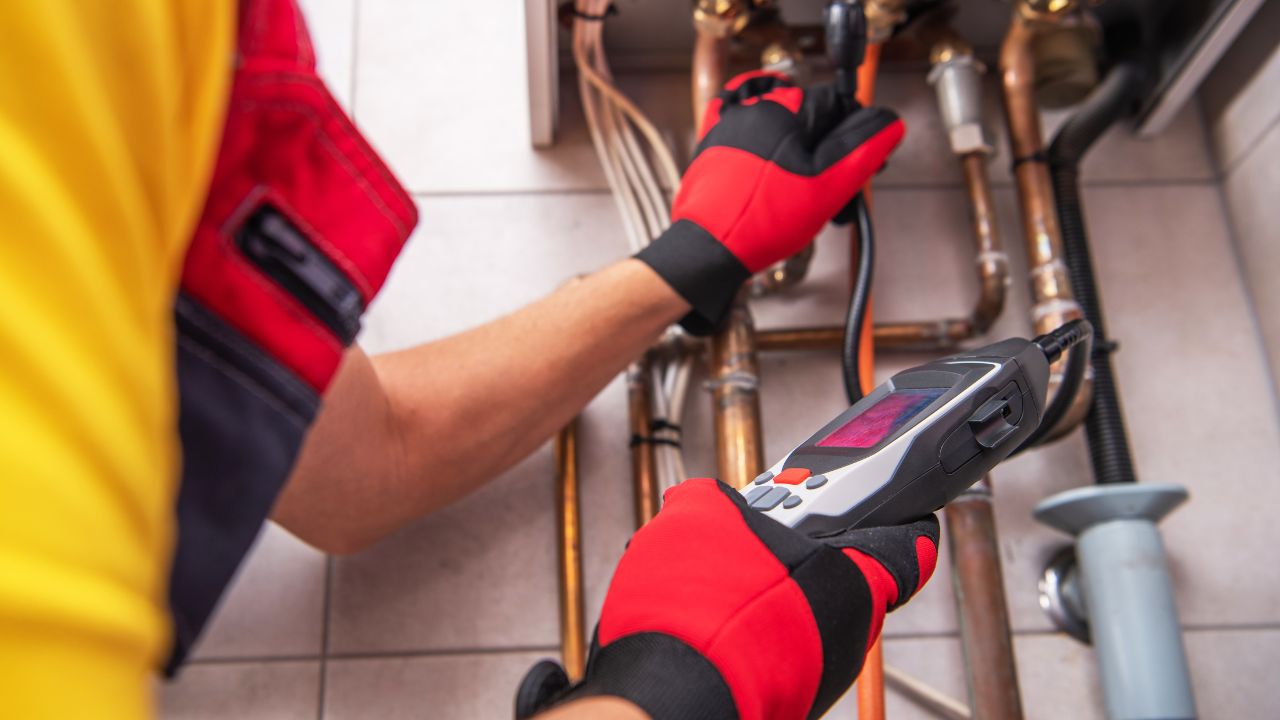
Professional diagnosis is required for complex issues beyond obvious component failures. Qualified plumbers conduct annual inspections and flushing that extend system life and maintain efficiency. Expert assessment determines whether repair or replacement aligns with your water heater's condition, age, and household requirements.
HVAC services provide unbiased evaluations comparing repair costs against replacement benefits. Professional contractors assess installation complexity, code compliance requirements, and system sizing for your specific application. The repair or replace water heater decision benefits from expert input that considers factors homeowners often overlook. Plumbing services help you avoid costly mistakes by matching equipment capabilities to actual household hot water demands.
What Are the Water Heater Repair and Replacement Tips for Homeowners?
Proper maintenance extends water heater lifespan while preventing costly emergency failures. Following proven water heater replacement tips and maintenance schedules maximizes system performance and reliability.
How to Maintain Your Water Heater to Prolong Its Lifespan
Annual maintenance requires professional inspection and flushing by qualified plumbers to remove sediment buildup. Traditional tanks need anode rod replacement every 3-5 years to prevent internal corrosion. Tankless systems require annual professional descaling to maintain efficiency and prevent mineral accumulation in heat exchangers.
Install a drip pan with drain line under your water heater to catch minor leaks before they cause floor damage. This simple precaution provides early leak detection and protects surrounding areas. Regular maintenance by plumbing services prevents small issues from escalating into major failures requiring emergency replacement.
When to Call a Professional Plumber for a Repair or Replacement
Leaking tanks require immediate replacement—tank breaches cannot be repaired and worsen rapidly. Major issues like extensive corrosion demand professional assessment to determine system viability. Know your water and power shut-off valve locations before emergencies occur to minimize damage during failures.
Catastrophic failure releases dozens of gallons within minutes, causing thousands in damage to floors, walls, and foundations. The water heater repair guide emphasizes immediate professional response to leaks, strange noises, or performance changes. HVAC services provide emergency support when failures occur outside business hours, though proactive replacement avoids premium emergency pricing.
Water Heater Repair Guide: Best Practices for Troubleshooting Common Issues
Know your unit's age and warranty status to make informed repair or replace water heater decisions. Monitor for seven key failure signs: inconsistent temperature, strange noises, rusty water, leaks, insufficient hot water, visible corrosion, and age over 10 years. Any combination of these symptoms signals declining system health.
Check exterior surfaces for rust or corrosion around pipe fittings and the base during monthly visual inspections. Familiarize yourself with shut-off valve locations before emergencies occur—practicing shutdowns during calm periods prepares you for crisis response. When choosing a water heater maintenance strategy, preventive care through plumbing services costs far less than emergency repairs or water damage remediation following system failure.
Trust Alpine Plumbing, Heating, and Air for Expert Water Heater Solutions
Don't wait for a catastrophic failure to make your water heater decision. Alpine Plumbing, Heating, and Air provides professional assessment, honest recommendations, and expert installation for all water heater types. Our experienced technicians evaluate your system's condition, explain repair versus replacement options clearly, and help you choose the most cost-effective solution for your home.
Whether you need emergency repairs, routine maintenance, or complete system replacement, we deliver reliable service at competitive prices. Contact Alpine Plumbing, Heating, and Air today for a comprehensive water heater inspection and free replacement quote. Protect your home from water damage and high energy bills with professional HVAC and plumbing services you can trust.