Recurring drain clogs disrupt daily routines and signal underlying plumbing problems that temporary fixes cannot resolve. Addressing these persistent blockages requires identifying the specific cause and selecting an appropriate long-term fix for drains. Understanding why clogs return helps homeowners and businesses avoid repeated service calls and escalating repair costs.
The most effective drain cleaning solutions target the root causes of drain blockages rather than just clearing surface obstructions. Professional diagnosis through camera inspections reveals whether tree roots, grease accumulation, or deteriorating pipes create the problem. Selecting the right repair method prevents recurring drain clogs and protects plumbing infrastructure from further damage.
Key Takeaways
- Tree root intrusion causes 28% of recurring clogs and requires professional intervention
- Chemical drain treatments fail on 70% of solid obstructions and risk pipe damage
- Hydro-jetting removes grease and scale using high-pressure water up to 3,500 psi
- CIPP pipe lining provides a 50+ year solution without landscape disruption
- Effectiveness ranks highest among consumer priorities at 92% when selecting drain services
What Are Recurring Drain Clogs and Why Do They Happen?
Recurring drain clogs are blockages that return within weeks or months despite repeated clearing attempts. These persistent obstructions indicate structural issues, accumulated debris, or ongoing contamination within the drainage system. Unlike isolated incidents, recurring problems stem from conditions that chemical treatments or basic snaking cannot permanently resolve.
Several factors cause drain blockages to reappear after initial clearing. Partial obstructions left behind by incomplete removal allow debris to accumulate faster than in clean pipes. Damaged or deteriorating pipes create rough interior surfaces that catch hair, grease, and solid waste more readily.
Which Factors Contribute Most to Frequent Drain Blockages?
Multiple contributing factors create conditions where drain blockages develop repeatedly. Tree root intrusion, grease buildup, hair accumulation, foreign objects, and pipe deterioration account for the majority of recurring issues. Each cause requires a different approach to achieve a permanent resolution.
The distribution of these causes varies by property type and geographic location. Suburban homes with mature landscaping experience higher rates of root intrusion. Commercial kitchens face concentrated grease problems that residential properties rarely encounter.
How Do Tree Roots Cause Drain Clogs?
Tree roots seek moisture from leaking or aging sewer lines and infiltrate through cracks or loose joints. Once inside, roots expand and branch throughout the pipe, creating dense masses that trap debris and restrict water flow. Tree root intrusion causes 28% of recurring clogs and represents one of the most destructive drainage problems.
Roots continue growing inside pipes even after initial clearing unless the entry point is sealed. Preventing tree roots from damaging sewer lines requires addressing both the obstruction and the structural vulnerability. Professional hydro-jetting removes root masses, but permanent solutions often require pipe lining or replacement.
What Role Does Grease Buildup Play in Blockages?
Grease buildup occurs when fats, oils, and cooking grease cool and solidify on pipe walls. These deposits gradually thicken over time, reducing pipe diameter until water flow becomes severely restricted. Grease buildup causes 22% of recurring clogs, particularly in kitchen drains and commercial food service facilities.
The problem intensifies when soap scum and food particles adhere to existing grease layers. Understanding grease trap maintenance helps property owners prevent accumulation before blockages form. Commercial drain maintenance requires scheduled cleaning to manage higher grease volumes than residential systems can handle.
How Do Hair, Soap Scum, and Foreign Objects Affect Drains?
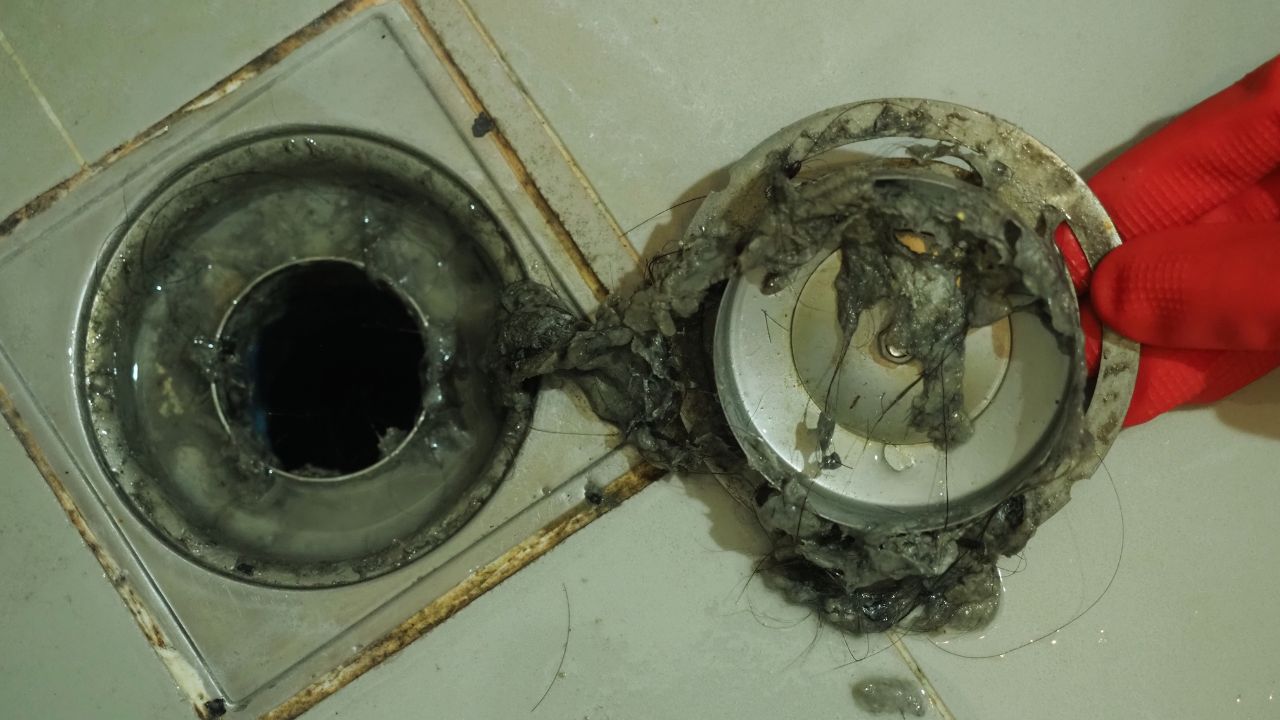
Hair combines with soap residue to form dense, fibrous mats that catch additional debris and slow drainage. These accumulations typically develop in bathroom sinks, showers, and tub drains where both materials are present. Hair and soap scum causes 18% of recurring clogs and require mechanical removal rather than chemical dissolution.
Foreign objects cause 15% of recurring clogs when items like flushable wipes, paper towels, and hygiene products snag in pipes. These materials do not break down like toilet paper and create anchor points for additional debris. Even products labeled as flushable often fail to disintegrate quickly enough to prevent problems in older or compromised drainage systems.
What Are the Common Methods for Clearing Drain Clogs?
Several methods address drain obstructions with varying degrees of effectiveness and risk. Chemical treatments, mechanical snaking, and hydro-jetting represent the primary approaches available to consumers and professionals. Each method suits specific situations and obstruction types based on severity, location, and underlying cause.
Method selection depends on the nature of the blockage and the condition of existing pipes. Understanding different drain cleaning methods helps property owners make informed decisions about appropriate solutions. Professional diagnosis typically identifies the most effective approach before treatment begins.
How Do Chemical Drain Treatments Work and When Are They Used?
Chemical drain cleaners utilize sodium hydroxide or sulfuric acid to generate an exothermic reaction that dissolves organic matter. These products create heat and chemical action designed to break down hair, grease, and soap accumulation. Chemical treatments fail on 70% of solid obstructions like tree roots, collapsed pipes, or lodged foreign objects.
Chemical treatments have a high risk of severe pipe damage, including warping PVC and corroding older metals. These products pose significant health and environmental hazards through toxic fumes and caustic burns. Budget-conscious homeowners attempting to clear minor, superficial hair clogs represent the ideal chemical treatment customer despite the documented limitations.
What Is Mechanical Snaking and Why Is It Effective?
Mechanical augers use a rotating cable with cutting heads to physically break apart and pull out obstructions. This method directly contacts the blockage and can navigate curves and bends in drainage systems. Professional mechanical cleaning holds 68.0% market share due to proven effectiveness across various obstruction types.
The physical removal process ensures complete clearing when properly executed by trained technicians. Homeowners dealing with recurring backups or main line clogs represent the ideal mechanical auger customer. Cable length and cutting head selection determine whether the equipment can reach and clear specific blockages.
When Is Hydro-Jetting the Best Solution?
Hydro-jetting utilizes high-pressure water up to 3,500 psi to scour the interior walls of pipes. This process removes grease, scale, tree roots, and accumulated debris more thoroughly than mechanical snaking alone. Hydro-jetting holds an estimated 15% share of the professional market but delivers superior cleaning results.
Restaurants with grease buildup, older homes with severe scale, and properties with heavy tree root intrusion benefit most from hydro-jetting. The advantages of hydro-jetting include environmental safety and complete pipe wall cleaning. Hydro-jetting is not suitable for fragile or collapsed older pipes that cannot withstand high-pressure treatment.
How Can Pipe Damage or Aging Affect Drain Clogs?
Pipe corrosion and deterioration causes 12% of recurring clogs when structural degradation creates conditions that trap debris. Older pipe materials like cast iron or clay pipes develop rough interior surfaces as they corrode. These textured surfaces catch hair, grease, and solid waste that would pass through smooth modern pipes.
Collapsed or severely damaged sections create physical barriers that no amount of cleaning can resolve. Trenchless sewer repair options address structural problems without extensive excavation. Camera inspection reveals the extent of deterioration and helps determine whether cleaning or replacement is appropriate.
What Preventive Maintenance Practices Help Avoid Recurring Clogs?
Regular maintenance prevents emergency blockages and extends the functional life of drainage systems. Scheduled inspections identify developing problems before they cause complete obstructions or structural failure. Preventive approaches cost less than emergency repairs and minimize disruption to daily operations.
Maintenance frequency depends on property type, system age, and usage patterns. The benefits of regular drain cleaning include early problem detection and reduced emergency repair costs. Property managers, commercial facilities, and proactive homeowners gain the most value from preventive maintenance contracts.
How Do Regular Drain Cleanings and Inspections Prevent Issues?
Preventive maintenance includes regular drain cleaning, camera inspections, and enzymatic treatments to prevent emergencies. Scheduled service identifies minor accumulations before they develop into complete blockages requiring urgent response. Annual or semi-annual cleaning removes developing deposits that would eventually restrict flow completely.
Camera inspections during maintenance visits reveal structural problems and potential failure points before they cause damage. Property managers, commercial facilities, and proactive homeowners represent the ideal preventive maintenance customer. The financial commitment for scheduled service costs significantly less than emergency repairs and business downtime.
What Are the Benefits of Enzymatic Treatments?
Enzymatic drain treatments use natural bacteria to digest organic matter without harsh chemicals or pipe damage. These biological solutions work slowly over time to break down grease, hair, and food particles. Regular enzymatic maintenance prevents accumulation rather than clearing existing blockages.
The treatment is safe for all pipe materials and environmentally friendly compared to chemical alternatives. The monthly application maintains clean pipes in residential kitchens and bathrooms where organic matter accumulates. Enzymatic products complement rather than replace mechanical cleaning for comprehensive drain maintenance.
When Should Trenchless Pipe Replacement Be Considered?
Cured-In-Place Pipe lining involves inserting a resin-saturated liner into an existing damaged pipe that cures to form a seamless structural pipe. This method addresses severe deterioration, recurring root intrusions, and collapsed sections without landscape disruption. CIPP lining provides a 50+ year lifespan and eliminates the rough interior surfaces that trap debris.
Homeowners with collapsed pipes, severe recurring root intrusions, or pipes under expensive landscaping represent the ideal trenchless pipe replacement customer. Trenchless pipe replacement has a high upfront cost but eliminates repeated clearing expenses and prevents future structural failures. Trenchless pipe replacement requires specialized professional installation and careful assessment of pipe condition before work begins.
Which Consumer Preferences Influence the Choice of Drain Maintenance Services?
Consumer priorities shape service selection when addressing drainage problems and choosing between repair options. Effectiveness ranks highest at 92% because complete obstruction removal determines whether the investment achieves its purpose. Incomplete clearing wastes money and leaves homeowners with continuing problems.
Durability receives 88% priority ranking as consumers seek solutions that prevent recurring service calls. Convenience ranks at 85% priority, reflecting the value of minimal disruption and quick response times. Safety receives 81% priority due to concerns about pipe damage and occupant health, while cost ranks at 78%.
Recurring Drain Clogs: Integrating Causes With Effective Long-Term Fix Strategies
Matching the specific cause of recurring drain clogs to appropriate treatment methods ensures successful resolution. Tree root intrusion requires hydro-jetting followed by CIPP lining to prevent regrowth and future infiltration. Grease buildup responds best to professional grease trap cleaning combined with regular maintenance schedules that prevent accumulation.
Hair and soap scum require mechanical removal paired with drain screens to catch debris before it enters pipes. Foreign object blockages need professional extraction and homeowner education to prevent the disposal of inappropriate materials. Corroded pipes demand structural repair or replacement rather than repeated clearing attempts that address symptoms without resolving underlying deterioration.
Successful long-term solutions combine immediate obstruction removal with preventive measures that address root causes. Camera inspection before treatment selection identifies the specific problem and the appropriate response method. Property owners achieve the best outcomes when they invest in comprehensive solutions rather than repeated temporary fixes.
Alpine Plumbing, Heating, and Air provides professional diagnosis and permanent solutions for recurring drainage problems. Understanding the relationship between blockage causes and effective repair methods helps property owners make informed decisions. Long-term fixes protect plumbing infrastructure, reduce emergency repair costs, and restore reliable drainage system performance.
Stop the Cycle of Recurring Drain Clogs
Repeated clogs point to a problem that surface cleaning cannot fix. Alpine Plumbing, Heating, and Air pinpoints the real cause with camera inspection, then matches it to the right long-term solution - hydro-jetting, pipe lining, or scheduled maintenance. Our licensed technicians serve homeowners and businesses across Southern California and Lake Havasu City, AZ, with honest diagnosis and lasting repairs. Request your free estimate and get drainage that works the way it should.