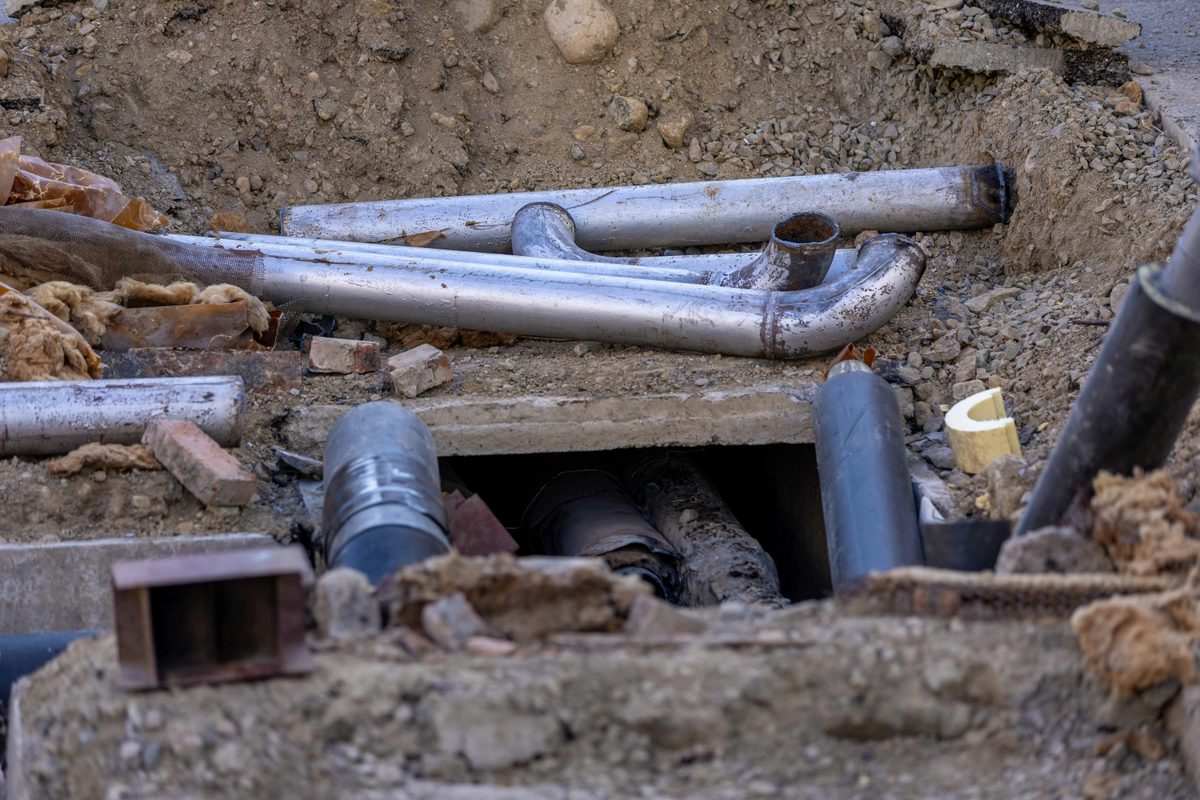
Two sewer repair estimates can show very different totals even when both contractors say they are fixing the same problem. One may include permits and restoration. The other may show one lump sum and leave those items unclear.
The lowest total is not always the lower-cost project. Missing permits, an undefined repair length, or excluded restoration can raise the final cost. Compare scope before price.
Use this worksheet to compare both proposals. Get unclear items in writing before choosing a method or signing.
Quick answer: A complete sewer repair proposal should identify the defect, its location, the repair method, pipe material and dimensions, access points, permits, inspections, property restoration, warranty, schedule, and payment terms. If one proposal does not define the same scope as the other, the totals are not ready to compare.
Start With the Same Diagnosis
A bid is useful only when it addresses a documented problem. Ask both contractors to review the same camera recording or perform an inspection. The diagnosis should state:
- What failed, such as root intrusion, an offset joint, a belly, cracks, corrosion, scale, or a collapsed section
- Where the defect starts and ends, measured from a clear access point
- The pipe material, diameter, and estimated depth
- Whether the line has branches, fittings, transitions, or nearby utilities that affect the work
- Whether cleaning or descaling is needed before repair
- Whether the proposed work repairs one section or replaces the full private lateral
Ask for the video, still images, and marked location. “Bad sewer line” does not explain the defect or justify a repair method.
This separates a blockage from structural damage. Cleaning may restore flow through buildup or roots. A broken, deformed, offset, or collapsed pipe may need repair or replacement. Camera evidence should support the choice.
Match the Core Scope Line by Line
Write the exact wording from each proposal in the two right-hand columns. Use “not stated” when the estimate is silent. Do not fill a gap based on a verbal promise.
| Scope item |
Proposal A |
Proposal B |
| Contractor legal name and California license number |
|
|
| Sewer camera inspection included |
|
|
| Video and still images provided to homeowner |
|
|
| Defect type and location |
|
|
| Pipe material and diameter |
|
|
| Estimated depth |
|
|
| Total repair or replacement length |
|
|
| Repair method |
|
|
| Cleaning, hydro jetting, or descaling before repair |
|
|
| Number and location of access pits |
|
|
| Existing cleanout used or new cleanout installed |
|
|
| New pipe or liner material and specification |
|
|
| Connections, branches, and transitions included |
|
|
| Utility locating included |
|
|
| Building or plumbing permit included |
|
|
| Right-of-way or encroachment permit included, if needed |
|
|
| City inspections and fees included |
|
|
| Soil removal and disposal included |
|
|
| Backfill and compaction included |
|
|
| Concrete, asphalt, pavers, landscaping, or flooring restored |
|
|
| Final camera inspection included |
|
|
| Workmanship warranty |
|
|
| Product or material warranty |
|
|
| Approximate start and completion dates |
|
|
| Total price and payment schedule |
|
|
If the proposals use different units, convert them first. A 25-foot repair and a full lateral replacement are not equivalent. Neither are a spot repair and a bid that includes a cleanout, permits, and hardscape restoration.
Compare the Repair Method, Not Just the Price
The best method depends on pipe condition, access, alignment, and defect location. Ask why each method fits the inspection findings.
| Method |
What the proposal should explain |
Scope questions to ask |
| Spot repair |
The exact failed section that will be removed and replaced |
How many feet are included? What happens if more damage appears after excavation? |
| Traditional excavation |
Trench route, depth, shoring if needed, new pipe, backfill, and restoration |
Which surfaces will be opened? Who restores concrete, paving, or landscaping? |
| CIPP lining |
Cleaning and preparation, liner material, lined length, curing process, and reconnection of branches |
Is the host pipe suitable for lining? How will branches and transitions be handled? |
| Pipe bursting |
Entry and exit pits, replacement pipe, pulling path, and reconnections |
Is there enough access? Could nearby utilities, fittings, or a badly offset line prevent bursting? |
| Epoxy coating |
Surface preparation, coated length, number of coats, and pipe conditions the process can address |
Is this a structural repair or a coating? What defects would make the pipe ineligible? |
Alpine Plumbing, Heating, and Air offers traditional replacement and trenchless options in the San Dimas area, including CIPP lining and pipe bursting. The U.S. Environmental Protection Agency identifies both as established trenchless methods. Bursting replaces the line, while CIPP installs a liner inside the host pipe. That difference affects diameter, excavation, and price.
Compare Permits, Inspections, and Property Restoration
Permit scope is a local cost driver. San Dimas states that replacing sewer lines requires a permit. Work in the public right-of-way may also require a Public Works encroachment permit.
Ask each contractor to state who will:
- Confirm which permits apply
- Prepare and submit permit documents
- Pay permit and inspection fees
- Schedule required inspections
- Coordinate right-of-way access and traffic control, if applicable
- Close the permit after final approval
Define restoration boundaries. “Patch included” may mean rough concrete only. “Landscape repair” may mean grading, not replacement plants, irrigation, or sod. List each affected surface and finish.
| Restoration area |
Proposal A |
Proposal B |
| Lawn, plants, or irrigation |
|
|
| Concrete walkway, patio, or driveway |
|
|
| Asphalt |
|
|
| Pavers |
|
|
| Interior slab or flooring |
|
|
| Fence, wall, or gate access |
|
|
| Final cleanup and debris removal |
|
|
If restoration is excluded, get a separate price before selecting the sewer contractor. That turns an unknown future expense into a number you can compare now.
Compare the Total Cost and Change-Order Risk
Copy every charge into this cost worksheet. Use the same tax treatment and note allowances that can change.
| Cost category |
Proposal A |
Proposal B |
| Diagnostic inspection |
$ |
$ |
| Cleaning or descaling |
$ |
$ |
| Sewer repair or replacement labor |
$ |
$ |
| Pipe, liner, fittings, and cleanouts |
$ |
$ |
| Excavation and access pits |
$ |
$ |
| Permits and inspections |
$ |
$ |
| Utility locating or engineering |
$ |
$ |
| Backfill and compaction |
$ |
$ |
| Surface and landscape restoration |
$ |
$ |
| Hauling and disposal |
$ |
$ |
| Taxes or other fees |
$ |
$ |
| Written contract total |
$ |
$ |
| Known exclusions |
|
|
| Allowances or unit prices |
|
|
| Maximum foreseeable total based on stated allowances |
$ |
$ |
The last row can be more useful than the advertised total. Add realistic allowances and excluded work tied to the camera findings, access route, and permit requirements.
Ask how concealed conditions are priced. Unit prices may cover extra pipe, deeper excavation, concrete removal, fittings, or branch reconnections. The proposal should state when they apply and require written approval.
Check California Contract and Payment Terms
California's Contractors State License Board advises homeowners to verify licenses. Use the CSLB license lookup and match the proposal's business name to the record.
For a California home improvement contract, check these items before signing:
- The project description matches the estimate and approved drawings or attachments
- The total contract price is stated
- Approximate start and completion dates are included
- Progress payments connect to completed work or delivered materials
- Change orders must be written and approved
- Insurance and required consumer notices appear in the contract
- Warranty terms identify what is covered, for how long, and who provides coverage
CSLB states that a home improvement down payment generally cannot exceed $1,000 or 10% of the contract price, whichever is less. Review its home improvement contract guidance before signing. This worksheet is not legal advice.
Use a Weighted Decision Score
An incomplete low bid can carry more risk than a complete higher bid. Score each proposal from 1 to 5, then multiply by the weight.
| Decision factor |
Weight |
Proposal A score |
Proposal B score |
| Diagnosis supported by camera evidence |
20 |
|
|
| Repair method fits documented pipe condition |
20 |
|
|
| Scope is complete and specific |
20 |
|
|
| Permits and restoration are clear |
15 |
|
|
| Warranty and final inspection are clear |
10 |
|
|
| Schedule and communication are workable |
5 |
|
|
| Total cost and payment terms |
10 |
|
|
| Total |
100 |
|
|
Details must match the inspection. If one contractor recommends full replacement for an isolated defect, ask why. If another recommends lining through a collapsed section, ask how the host pipe can support it.
Red Flags That Require a Written Answer
Pause the comparison when either proposal includes these warning signs:
- No camera evidence or defect location
- A lump sum with no length, material, or method
- Permit responsibility marked “by owner” without instructions or cost
- Restoration described as “as needed” with no finish standard
- Warranty language that excludes most likely failure points
- A request for a large deposit that conflicts with California limits
- Cash-only payment or a business name that does not match the license record
- Verbal promises that do not appear in the contract
- No final inspection or post-repair camera recording
- Pressure to sign before you can compare the scope
An unclear item makes the estimate incomplete. Ask for a revised proposal instead of relying on verbal promises.
Choose the Proposal That Defines the Finished Result
The stronger proposal explains the repair, method, included work, finished surfaces, and the process for concealed conditions.
Choose the bid with the better diagnosis, suitable method, complete scope, clear restoration, useful warranty, and lower realistic total. If the scopes still differ, send the missing line items to both contractors and request revisions.
For a local assessment, Alpine provides sewer repair and replacement services, free estimates, and financing through Synchrony for qualifying plumbing projects. Ask the team to document the camera findings and quote the recommended scope so you can compare it against the same worksheet.
Frequently Asked Questions
What should a sewer repair estimate include?
It should identify the defect, location, pipe material, diameter, depth, repair length, method, access points, permits, inspections, restoration, warranty, schedule, payment terms, and exclusions. It should also explain how added work will be priced and approved if the crew discovers concealed damage.
Should both plumbers review the same sewer camera video?
Yes. A shared recording gives both contractors the same starting evidence. Each contractor may still recommend a different method, but you can ask them to explain that difference against the same defect location and pipe condition. Keep the video and final inspection recording with your property records.
Is trenchless sewer repair always better than excavation?
No. Trenchless work can reduce surface disruption, but site and pipe conditions control whether it fits. A collapsed line, severe deformation, difficult connections, or limited access may change the recommendation. Ask the contractor to connect the method to the camera findings and explain any technical limits.
Who should pay for sewer repair permits?
The contract should state who obtains the permits and whether fees are included in the price. In San Dimas, sewer line replacement requires a permit, and work within the City right-of-way may require an encroachment permit. Confirm current requirements with the City for the specific address and scope.
How can I compare sewer repair warranties?
Compare the covered work, warranty length, exclusions, transfer rules, claim process, and whether labor and materials receive separate coverage. Ask whether the warranty covers connections and reinstated branches. A long term means little if the exclusions remove the parts most likely to create a callback.
Why can two sewer repair estimates be far apart?
The proposals may use different repair lengths, methods, materials, access plans, permit assumptions, or restoration limits. One may also include cleaning, a new cleanout, final camera work, and surface repair while the other excludes them. Match each line before treating the difference as a pricing issue.