Key Takeaways
- Act Fast to Save Money: Leak repair costs escalate dramatically—$200-$500 in Month 1, $2,000-$5,000 by Month 3, and $10,000+ if ignored longer. Early detection prevents average water damage claims exceeding $11,000.
- Watch for Early Warning Signs: Unexplained water bill increases, low water pressure, musty odors, unusual water sounds, and wall discoloration all signal leaks. A single drip wastes over 1,000 gallons annually while causing hidden structural damage.
- DIY Repairs Cost More: DIY attempts average $1,000 but remain incomplete. Professional repairs for missed problems cost $5,000+, making the total DIY approach more expensive than hiring professionals initially.
- Professional Detection Pays Off: Residential leak detection costs $150-$500 but prevents thousands in water damage repairs. Non-invasive methods locate leaks quickly without destructive exploratory work using acoustic sensors, thermal imaging, and pressure testing.
- Prevention Beats Emergency Response: Annual plumbing inspections, water bill monitoring, and pipe insulation catch problems before they escalate. Smart leak detectors provide 24/7 monitoring with automatic shutoff capabilities, preventing disasters while you're away.
Plumbing leaks start small but escalate fast. A minor drip wastes over 1,000 gallons annually while silently damaging walls, floors, and foundations. By the time you notice water stains or mold, structural damage is already underway—and repair costs have multiplied from hundreds to thousands of dollars. Early leak detection signs save you money, protect your property, and prevent health hazards.
This guide reveals how to spot plumbing leaks before they become disasters, explains professional plumbing leak detection methods, and shows why waiting costs more than acting. Whether you're hearing unusual sounds, seeing unexplained water bills, or noticing damp spots, understanding leak detection urgency helps you prevent water damage and avoid catastrophic repairs.
Early leak detection signs save thousands in repairs and prevent structural damage. Recognizing these warning signals allows you to act before minor issues escalate into costly disasters. Here's what to watch for.
Unexplained Water Bill Increases
How to spot plumbing leaks through your water meter: Turn off all water fixtures and appliances for 30 minutes. Check your meter—any movement indicates an active leak. This simple test reveals hidden problems before they appear on your bill.
Plumbing leak detection methods to identify hidden leaks: Even small drips waste over 1,000 gallons annually. Hidden leaks waste hundreds of gallons monthly while causing structural damage you can't see. Professional plumbing services use acoustic detection and pressure testing to locate these invisible threats.
Low Water Pressure or Water Flow Issues
Why plumbing leaks reduce water pressure: Leaks divert water from its intended path, reducing flow at your fixtures. What should reach your shower or faucet escapes through cracks and damaged pipes instead.
How leaks can affect household water flow and daily use: Declining pressure disrupts daily routines—weak showers, slow-filling appliances, and inefficient washing. These changes signal water escaping somewhere in your system, requiring immediate plumbing leak detection.
Damp or Moldy Areas in the Home
The connection between plumbing leaks and mold growth: Mold needs three things: moisture, organic material (like drywall), and temperatures between 40°F-100°F. Leaks provide the moisture. By the time you see surface mold, extensive growth already exists behind your walls.
Health risks associated with untreated plumbing leaks: Healthy homes maintain 30-50% humidity. Readings above 60% promote dangerous mold growth. Musty odors appear first—mold produces volatile organic compounds (VOCs) days or weeks before visible growth. This smell is your earliest warning sign.
Unusual Sounds (e.g., Running Water When No Fixtures Are in Use)
Identifying the sounds of a plumbing leak: Listen for running water, dripping, or hissing when all fixtures are off. These sounds mean water is escaping somewhere in your system—an active leak wasting water and causing damage.
The importance of detecting leaks early to avoid water damage: How to spot plumbing leaks often starts with your ears. Strange water sounds demand immediate investigation. What begins as an annoying drip becomes structural damage, mold growth, and emergency repairs if ignored.
Water Stains or Discoloration on Walls or Ceilings
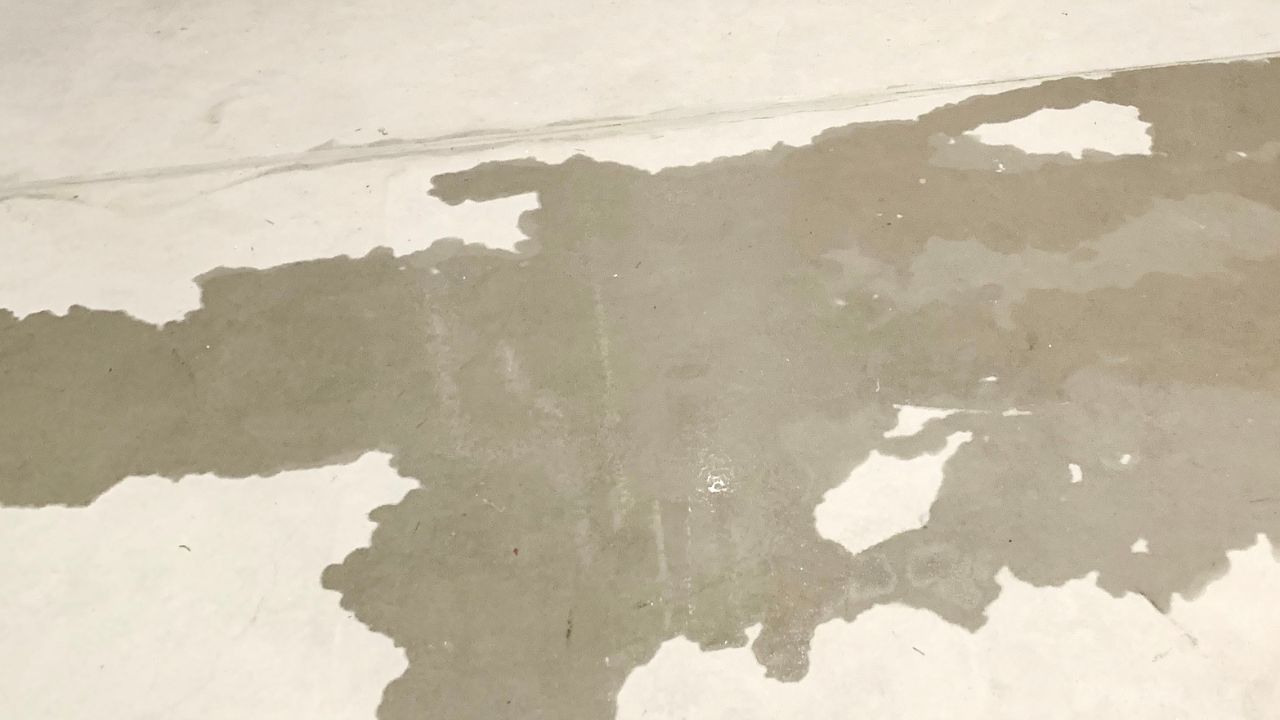
Why plumbing leaks cause visible water stains: Yellowish or brownish stains appear in irregular patterns near plumbing fixtures, especially below bathrooms. These stains represent only a fraction of the actual moisture behind your walls—the visible damage is the tip of the iceberg.
The urgency of addressing water stains before they cause further damage: Ring-shaped stains indicate past leaks that will return. Fresh, damp stains signal active leaks requiring immediate attention. Waiting allows water to penetrate deeper, rotting framing and breeding mold. Early action through professional plumbing leak detection prevents minor stains from becoming major reconstruction projects.
The Urgency of Plumbing Leak Detection: Why Early Action Prevents Bigger Problems
Leak detection urgency isn't just about stopping drips—it's about protecting your investment and avoiding catastrophic costs. The difference between a $200 repair and a $10,000 disaster often comes down to weeks of inaction.
Prevent Water Damage by Identifying Leaks Early
How early plumbing leak detection minimizes water damage risks: Water damage develops silently behind walls for weeks or months before you notice symptoms. Early plumbing leak detection prevents structural damage to framing and foundation, stops mold before it becomes a health hazard, and avoids expensive restoration projects.
The long-term costs of ignoring small leaks: Average water damage insurance claims exceed $11,000. The escalation is predictable: Month 1 repairs cost $200-$500 with minimal damage. By Month 2-3, structural concerns push costs to $2,000-$5,000. After Month 3, major damage requires $10,000+ in repairs. Every week you wait, the damage multiplies.
Benefits of Regular Drain Cleaning and Leak Prevention
Preventing plumbing leaks with regular drain cleaning: Annual plumbing inspections catch problems before they become emergencies. Professional plumbing services identify weak points, deteriorating components, and early failure signs that homeowners miss.
How a well-maintained plumbing system reduces the risk of leaks: Monitor water bills monthly for unexpected spikes—sudden increases signal hidden leaks. Insulate exposed pipes to prevent water damage from freezing and bursting during cold snaps. Maintenance costs less than repairs.
The Importance of Paying Attention to Your Grease Trap
How a neglected grease trap contributes to plumbing blockages and leaks: Grease solidifies in pipes, creating blockages that increase pressure throughout your plumbing system. This pressure stresses joints and connections, causing leaks at weak points.
Maintaining your grease trap to avoid bigger plumbing issues: Pay attention to your grease trap through regular cleaning and proper disposal practices. Grease buildup doesn't just cause clogs. It creates system-wide stress that leads to leaks, backups, and expensive emergency calls.
Sewer Backup: A Sign of Serious Plumbing Issues
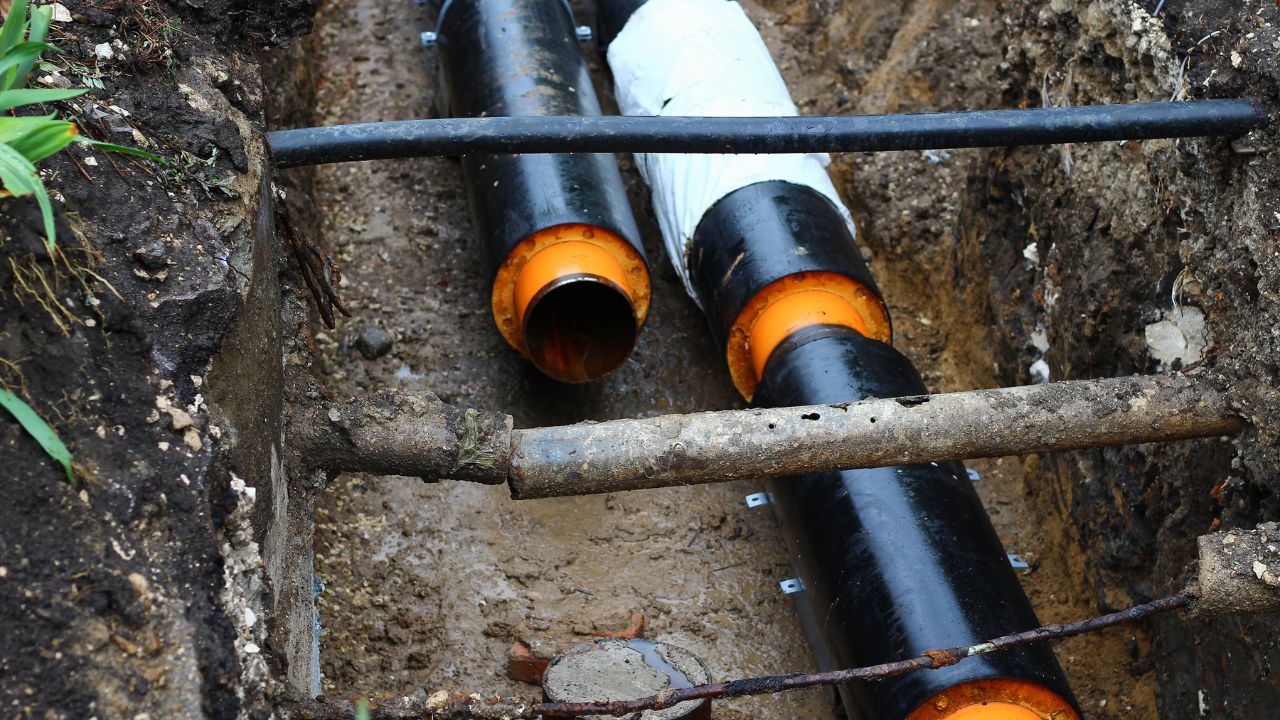
Understanding how sewer backups indicate plumbing leaks: When your sewer backs up, it signals serious system failures—broken pipes, root intrusion, or structural damage. Sewer line leak detection costs $250-$1,000, but catching these problems early prevents raw sewage from entering your home.
Why addressing sewer backups promptly is crucial for property safety: Sewage contains harmful bacteria and pathogens that contaminate your living space. Immediate professional plumbing leak detection protects your family's health and prevents extensive water damage to floors, walls, and belongings. Sewer issues never improve on their own—they only worsen.
What to Do When You Suspect a Plumbing Leak
Suspecting a leak demands immediate action. The steps you take in the first hours determine whether you face a simple repair or extensive water damage. Here's your action plan.
Turning off the water supply and avoiding further damage: Locate your main water shutoff valve and turn it off immediately. Modern AI-based leak detectors provide 24/7 system supervision with instant app alerts when problems emerge. Advanced systems automatically shut off water supply to prevent water damage while you're away or asleep.
Contacting professional plumbing services for prompt leak detection: Speed matters. One homeowner received a mobile alert within 24 hours of installing a smart detector. Professional plumbing services found a deteriorated rubber washer causing the leak. Total repair cost remained minimal—no structural damage, no mold, no significant water loss. Early detection saved thousands.
Why DIY Methods Aren't Enough for Plumbing Leak Detection
The risks associated with trying to find and fix plumbing leaks yourself: DIY repairs average $1,000 but often remain incomplete. Hidden damage goes undetected. Improper fixes fail within months. When professionals repair what DIY missed, costs exceed $5,000. The total DIY approach often costs more than hiring professionals from the start—plus you lose time dealing with ongoing problems and water damage.
How Plumbing Services Help Protect Your Property and Save Money
Professional plumbing services cost less than the damage they prevent. Understanding the economics of leak detection reveals why investing in professional help protects both your property and your wallet.
The Role of Professional Plumbing Services in Leak Prevention
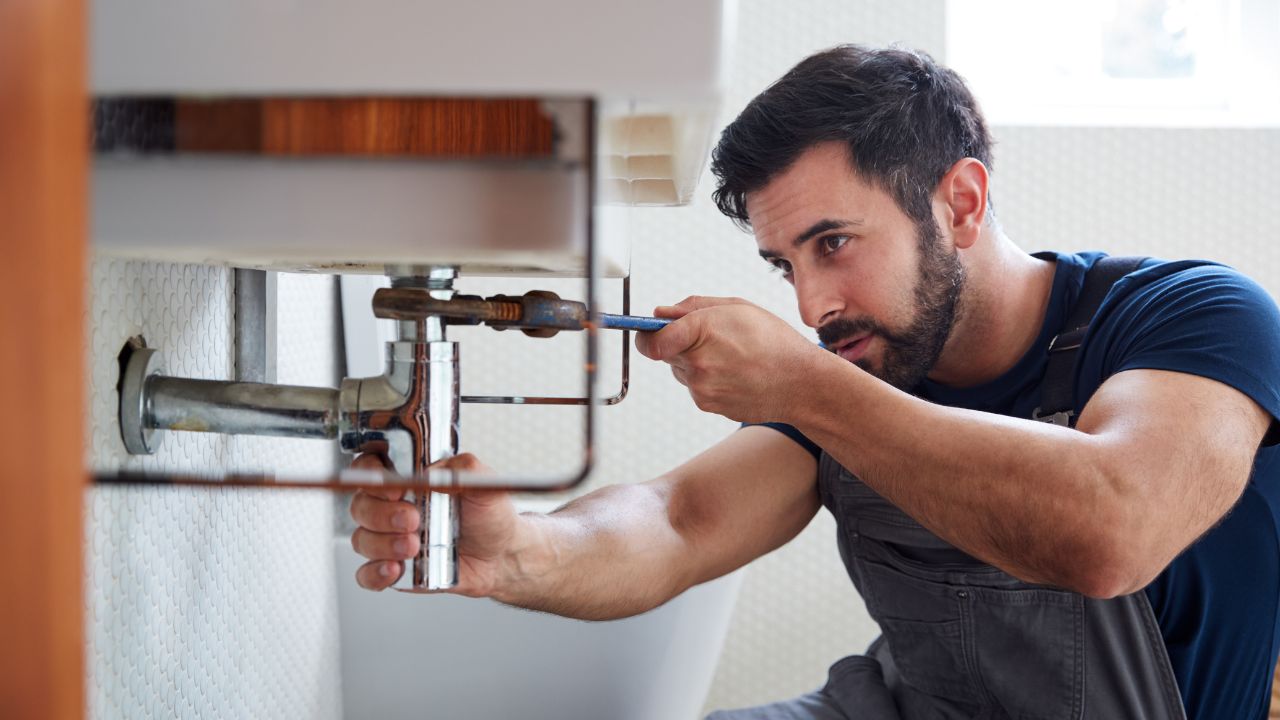
How regular plumbing services prevent leaks and maintain the system's integrity: Professional plumbing leak detection costs $150-$500 for residential properties, $300-$1,500 for commercial buildings, and $300-$800 for slab leaks. These services use advanced tools for accuracy and precision, reducing unnecessary repairs. Non-invasive methods locate leaks without destructive exploratory work—no tearing out walls or digging up floors to find problems. Professionals locate leaks in hours, not days.
The Long-Term Benefits of Early Leak Detection
Reducing costly repairs and potential water damage through early intervention: Water damage repairs average $3,814 nationally, with most homeowners paying $1,361-$6,270. Severe cases cost $10,000+. Extreme cases reach $75,000. The restoration process alone breaks down to initial assessment ($100-$200), water extraction ($500-$2,500), drying and dehumidification ($1,000-$3,500), mold removal ($500+), and subfloor work ($3,000+).
Early plumbing leak detection changes these numbers dramatically. One homeowner achieved a 10% water bill reduction after installing detection systems and prevented thousands in restoration costs. A $300 professional inspection beats a $10,000 emergency repair every time. The benefits of regular drain cleaning and proactive plumbing services compound over years—catching small issues before they become catastrophes protects your property value and your peace of mind.
Schedule a Plumbing Inspection to Protect Your Home
Proactive plumbing maintenance prevents disasters. Annual inspections catch deteriorating washers, corroded pipes, and weak joints before they fail. How to spot plumbing leaks starts with professional eyes trained to see what homeowners miss.
Alpine Plumbing, Heating, and Air delivers comprehensive inspections that protect your property investment. Schedule your inspection today; it's the difference between a $300 service call and a $10,000 restoration project. Don't wait for water stains, mold growth, or structural damage to force your hand. Protect your property now.