Pipes buried beneath concrete foundations can develop leaks that threaten structural integrity and increase water bills. Homeowners facing this issue must choose between spot repair, rerouting, or complete repiping based on leak severity and pipe condition. Understanding each method's procedure, cost, and longevity helps property owners make informed decisions that protect their investment. The right choice depends on factors including leak location, pipe age, and budget constraints.
Key Takeaways
- Spot repair works best for isolated leaks in accessible locations with minimal pipe deterioration
- Rerouting avoids excavation by installing new pipes around damaged sections beneath the slab
- Repiping provides the longest-lasting solution when multiple leaks or widespread corrosion exist
- Trenchless technologies reduce property disruption while maintaining cost-effectiveness compared to traditional excavation
- Leak detection technology helps determine the most appropriate repair method before breaking concrete
What Is a Slab Leak and Why Does It Occur?
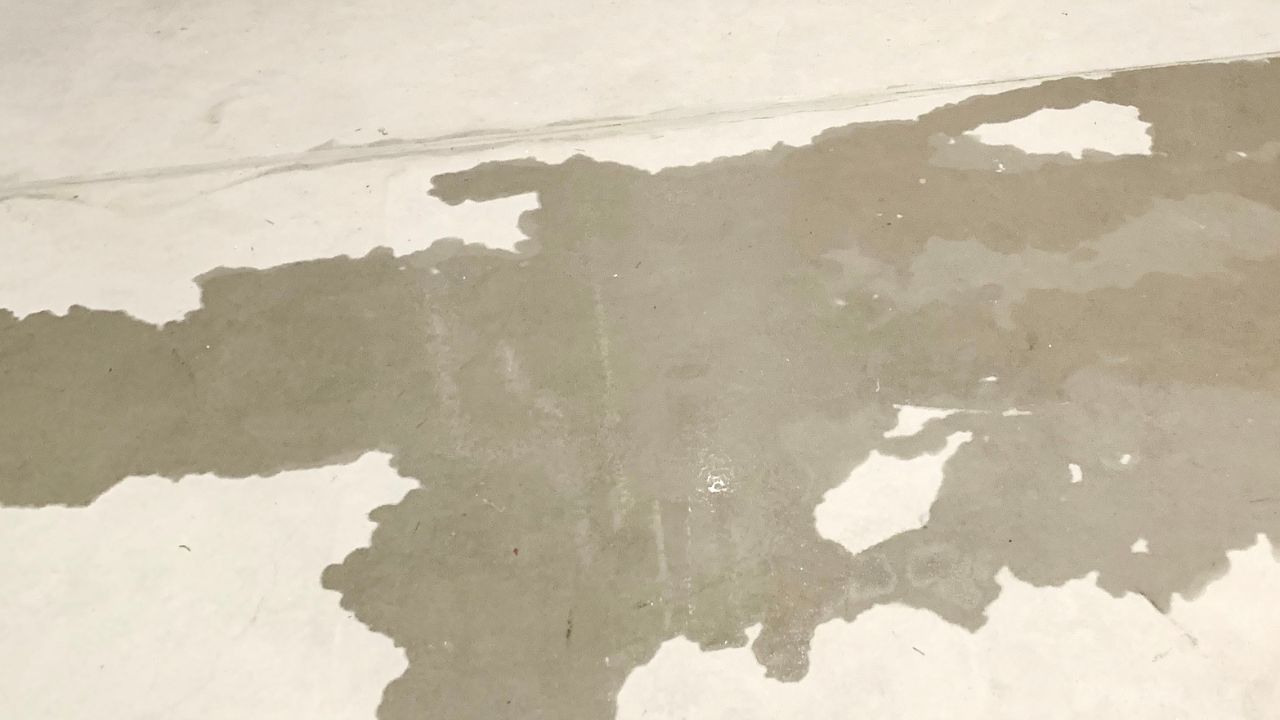
A slab leak occurs when water pipes embedded in or beneath a concrete foundation develop cracks or corrosion. These failures result from chemical reactions between concrete and metal pipes, ground movement, or excessive water pressure. The combination of inaccessible pipe locations and constant moisture exposure accelerates deterioration compared to exposed plumbing systems. Early detection prevents extensive damage to flooring, walls, and the foundation itself.
Definition and Causes of Slab Leaks
Slab leaks develop when underground pipes beneath concrete foundations deteriorate or burst due to multiple stress factors. Copper pipes commonly fail from electrolysis when dissimilar metals contact each other in the presence of moisture. Poor installation practices, including excessive bending or insufficient cushioning, create friction points that wear through pipe walls. Ground settling shifts the foundation and places mechanical stress on rigid pipe sections.
Common Signs and Detection Techniques
Unexplained increases in water bills often indicate that home slab leak detection becomes necessary to locate hidden failures. Warm spots on floors, mildew odors, or cracking foundation walls signal active water intrusion beneath the slab. Professional technicians use acoustic listening devices and pressure testing to pinpoint leak locations without destructive exploration. Electronic amplification equipment detects the sound of water escaping from pressurized pipes through concrete.
Consequences of Ignoring Slab Leaks
Delayed repair allows continuous water flow to erode soil beneath the foundation and create voids. Foundation settling causes structural cracks that compromise the entire building's stability and require expensive underpinning repairs. Persistent moisture promotes mold growth within walls and flooring materials, creating health hazards and reducing indoor air quality. Insurance companies may deny coverage when why are leak detection services important documentation shows homeowners neglected obvious warning signs.
How Does Spot Repair Address Slab Leaks?
Spot repair targets a single leak location by breaking through the concrete directly above the damaged pipe section. Technicians remove the flooring and jackhammer a small access hole to expose the failed pipe segment. This method works best when pipes show minimal overall corrosion, and the leak exists in an accessible area. After replacing the damaged section, workers restore the concrete and flooring to match existing surfaces.
Procedure and When to Use Spot Repair
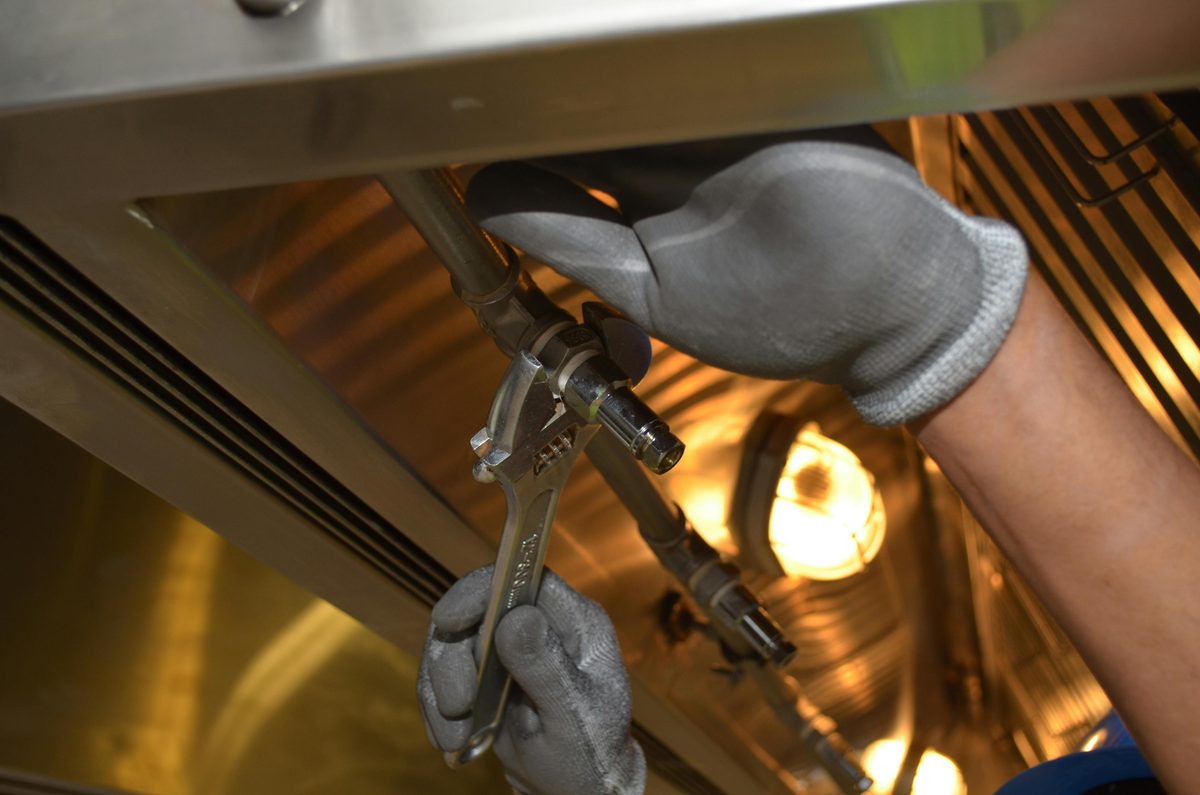
The spot repair slab leaks process begins with precise leak location using electronic detection equipment and pressure testing. Plumbers cut a two-foot section around the leak point and install a new pipe segment using compression couplings. This approach suits isolated failures in newer homes where the remaining pipe system maintains structural integrity. Property owners with single leak incidents and limited budgets typically choose this targeted repair method.
Benefits and Limitations of Spot Repair
Spot repair minimizes property disruption by addressing only the immediate problem area without disturbing the entire pipe system. Repair crews complete most jobs within one day, restoring water service quickly and reducing inconvenience. However, older pipes with widespread corrosion often develop additional leaks shortly after spot repairs, requiring repeated concrete removal. This method provides a temporary solution when the underlying pipe degradation continues beyond the repaired section.
Typical Costs and Repair Durations
Standard spot repairs range from $600 to $1,050 for accessible locations with straightforward pipe access and minimal concrete thickness. Complex repairs involving multiple flooring layers or pipes beneath load-bearing walls cost $1,388 to $3,319, depending on depth. Most repairs finish within four to eight hours, including concrete curing time, though flooring restoration may require additional days. Emergency after-hours service typically adds 50 percent to base labor rates for immediate response.
What Does Rerouting Involve in Slab Leak Repair?
Rerouting abandons the damaged pipe section beneath the slab and installs new piping through walls or attic spaces. Plumbers cap off the leaking pipe at both ends and run replacement lines through accessible areas. The reroute pipe method eliminates the need for extensive concrete demolition and reduces restoration costs significantly. This strategy works effectively when leak locations make direct access impractical or impossible.
Technicians first identify the start and end points of the damaged pipe section requiring bypass installation. New pipes run through interior walls, exterior perimeters, or attic crawlspaces, depending on the home's construction and pipe configuration. Workers create small access holes at connection points to cap existing pipes and install shutoff valves. The new route follows the most direct path while avoiding structural elements and maintaining proper slope for drainage.
Advantages Compared to Spot Repair
Rerouting completely eliminates problematic pipe sections without disturbing foundation stability or requiring extensive concrete restoration work. The method preserves finished flooring and reduces repair timelines compared to traditional excavation approaches. Property disruption remains minimal since most work occurs in utility areas rather than living spaces. Rerouted pipes installed in accessible locations simplify future maintenance and reduce costs for subsequent repairs.
Situations That Favor Rerouting
Multiple leaks within a small area indicate systemic pipe failure that makes rerouting more cost-effective than repeated spot repairs. Pipes running beneath primary living areas, where concrete removal would destroy expensive flooring materials, benefit from rerouting approaches. Homes with accessible attic spaces or crawl areas provide ideal conditions for installing new pipe runs. Building designs featuring pipes along exterior walls allow for finding reliable water leak experts nearby who can install exposed pipe replacements with minimal wall penetration.
When Is Repiping the Best Solution for Slab Leaks?
Complete repiping replaces the entire water supply system when widespread corrosion affects multiple pipe sections throughout the home. The repipe solution addresses recurring leak problems permanently by installing new pipes through accessible routes before failures occur. Homes older than 40 years with original copper or galvanized steel pipes typically require full replacement rather than patchwork repairs. This comprehensive approach eliminates future slab leak concerns and improves overall water pressure and quality.
Overview of Repipe Methods
Whole-house repiping removes all existing supply lines and installs new pipes through attic spaces, crawlspaces, or interior walls. Modern installations use cross-linked polyethylene (PEX) piping that resists corrosion and allows flexible routing around obstacles without joints. Technicians maintain water service to portions of the home while replacing pipes in sections to minimize disruption. The process typically requires three to five days, depending on home size and pipe accessibility.
How Repiping Compares to Other Repairs
Repiping costs more upfront, but eliminates the need for future slab leak repair interventions when the old pipe system remains intact. Property owners avoid repeated concrete demolition and the cumulative expense of multiple spot repairs over several years. New pipe materials offer 50-year warranties compared to patching 40-year-old pipes that may fail again within months. Insurance companies often reduce premiums for homes with updated plumbing systems due to decreased water damage risk.
Cost Considerations and Long-Term Benefits
Material selection significantly impacts total project costs, with PVC pipe replacement costing $4.50 per foot for basic applications. ABS pipe replacement costs $6.00 per foot and offers improved chemical resistance for certain water conditions. Cast iron pipe replacement costs $50.00 per foot and provides superior durability for commercial properties or challenging installations. Copper pipe replacement costs $85.00 per foot but delivers excellent longevity and maintains property value in premium homes.
Full-house repiping projects range from $2,500 to $15,000, depending on home size, pipe material, and accessibility factors. Properties requiring extensive wall repair or a custom flooring restoration approach the upper cost range with additional finishing expenses. The investment prevents future emergency repairs, reduces water waste, and improves system efficiency through modern pipe design. Homeowners typically recover costs through eliminated repair expenses and lower insurance premiums within 10 to 15 years.
How Do Trenchless Technologies Impact Slab Leak Repairs?
Trenchless methods repair or replace underground pipes without removing large sections of concrete flooring or disrupting landscaping. These innovative techniques insert new pipe materials through existing lines using specialized equipment and minimal access points. The technology reduces labor costs, shortens project timelines, and preserves property aesthetics compared to traditional excavation approaches. Both residential and commercial properties benefit from decreased operational downtime and lower restoration expenses.
Pipe Lining (CIPP) Process and Benefits
CIPP stands for Cured-In-Place Pipe and creates a new pipe inside the existing damaged line. Trenchless technology inserts a resin-saturated liner into the damaged pipe, curing it in place using hot water or steam. The epoxy liner bonds to the interior pipe walls and seals cracks while maintaining 95 percent of the original diameter. This seamless construction eliminates future leak points and extends pipe life by 50 years without excavation.
Installation requires only two small access points at pipe ends, preserving landscaping and concrete surfaces throughout the property. The process typically completes within one day, including curing time, restoring water service faster than traditional replacement methods. Lined pipes resist root intrusion and corrosion better than original metal or clay materials while meeting drinking water safety standards. Trenchless sewer repair applications extend beyond water supply lines to include sewer and drain system rehabilitation.
Pipe Bursting Technique Explained
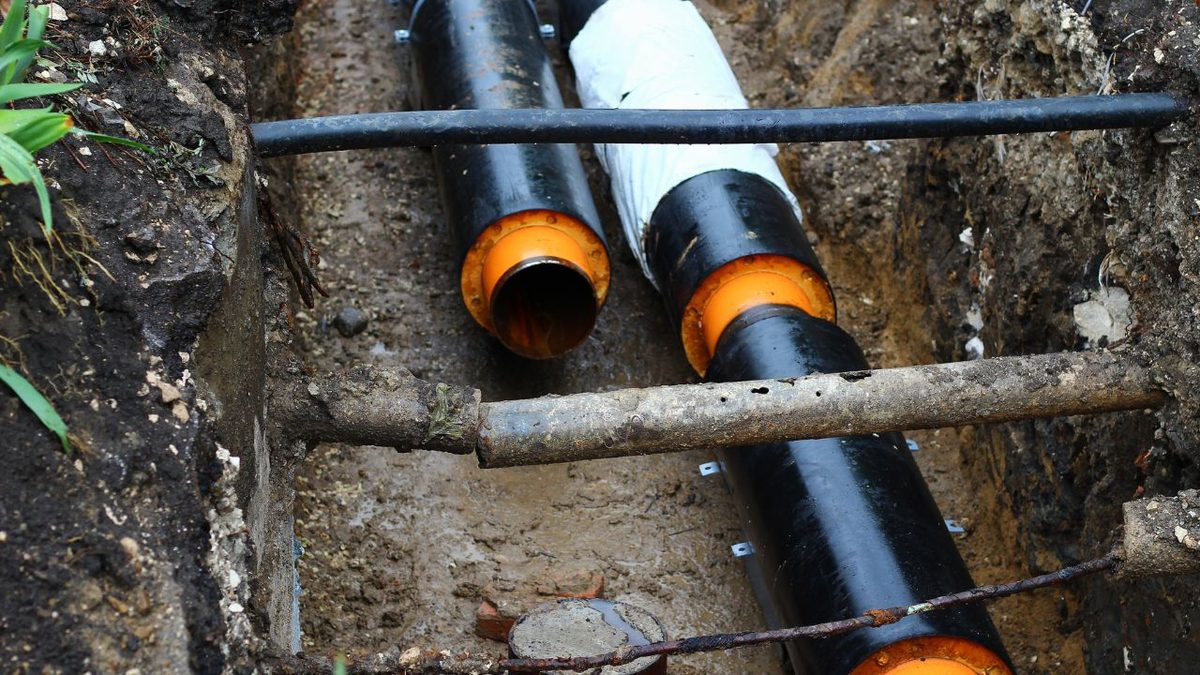
Pipe bursting breaks the old pipe while simultaneously pulling a new one into place using hydraulic equipment and cable systems. A cone-shaped bursting head fragments the existing pipe and pushes debris into the surrounding soil as it progresses. High-density polyethylene pipes follow immediately behind the bursting head, occupying the space created by the destroyed original line. This method works effectively for pipes damaged by root intrusion or collapsed sections that prevent liner insertion.
The technique requires excavation at entry and exit points but leaves the pipe path undisturbed between access locations. Bursting equipment handles pipes ranging from two to 48 inches in diameter across residential and commercial applications. New pipes often feature larger diameters than the originals, improving flow capacity and reducing future blockage risks. Properties with limited surface access or protected landscaping features benefit most from this minimally invasive replacement approach.
Comparing Trenchless to Traditional Excavation
Traditional excavation involves jackhammering the concrete slab above leaking pipes and removing several feet of material for access. Traditional excavation is highly invasive and disruptive, requiring extensive flooring removal and creating dust and noise throughout the property. Concrete restoration adds $1 to $25 per square foot, depending on thickness and finish quality after repairs are complete. Trenchless pipe lining costs $90 to $250 per linear foot, while pipe bursting ranges from $60 to $250 per foot.
Trenchless repair pricing of $60 to $250 per foot remains competitive when factoring in traditional excavation plus restoration costs. Properties with tile, hardwood, or specialty flooring materials save thousands in replacement expenses by avoiding surface demolition. Project timelines shrink from one week to one or two days, reducing household disruption and business downtime. The 99 leak detection service identifies pipe conditions before selecting repair methods, ensuring appropriate technology application.
What Factors Influence Choosing Spot Repair, Reroute, or Repipe?
The decision between repair methods depends on pipe condition assessment, property characteristics, and owner priorities regarding cost versus longevity. Comprehensive leak detection reveals the extent of pipe deterioration beyond the visible failure point. Professional evaluation considers factors including pipe age, water chemistry, and soil conditions that contribute to corrosion rates. An informed choice balances immediate expenses against the likelihood of additional failures requiring subsequent interventions.
Severity and Location of the Leak
Single isolated leaks in newer homes with otherwise sound pipes justify spot repair as the most economical solution. Multiple leaks within a five-year period indicate systemic pipe failure requiring rerouting or complete replacement to prevent ongoing issues. Leaks beneath primary living areas, kitchens, or bathrooms, where flooring damage proves expensive, favor rerouting through accessible spaces. Pipes located under garage slabs or utility rooms allow cost-effective spot repair without disturbing premium interior finishes.
Property Disruption and Repair Time
Homeowners needing immediate solutions with minimal displacement typically choose spot repair for quick service restoration despite potential future failures. Families willing to tolerate several days of disruption benefit from rerouting that eliminates problematic pipe sections permanently. Complete repiping requires the most extensive work but prevents all future slab leaks by removing aged infrastructure before additional failures occur. Business owners prioritize methods that maintain partial operation during repairs to limit revenue loss and customer inconvenience.
Budget and Expected Longevity
Short-term budget constraints make spot repair attractive at $600 to $1,050 despite the risk of recurring problems within months or years. Mid-range budgets accommodate rerouting at $1,500 to $4,000, providing targeted solutions for specific problem areas without whole-house replacement costs. Long-term planning favors repiping investments of $2,500 to $15,000 that eliminate future emergency expenses and potential property damage. Piping repiping services often include warranties covering materials and labor for 10 to 25 years, depending on pipe materials.
How Can Leak Detection Technology Guide Repair Decisions?
Advanced detection equipment pinpoints leak locations and assesses pipe conditions without destructive exploration that increases repair costs. Accurate diagnosis determines whether isolated failures or widespread deterioration exist throughout the plumbing system. Technology reduces guesswork and prevents unnecessary repairs by revealing the true extent of pipe damage before work begins. Professional assessments using multiple detection methods provide comprehensive data for selecting the most appropriate and cost-effective repair approach.
Thermal Imaging and Moisture Mapping
Infrared cameras detect temperature variations caused by water escaping from pipes beneath flooring materials and foundation slabs. Warm spots indicate hot water line leaks while cool areas reveal cold water failures before visible damage appears. Moisture meters measure water content in concrete, wood, and drywall to map leak spread and identify affected areas. Combined technologies create detailed reports showing leak locations, moisture migration patterns, and structural damage extent for accurate repair planning.
Video Camera Inspections
Miniature waterproof cameras inserted through cleanouts or small access points provide direct visual assessment of pipe interior conditions. Video inspection accurately diagnoses underlying issues, including corrosion, scale buildup, root intrusion, and manufacturing defects causing failures. Technicians record footage showing crack locations, pipe material types, and connection point conditions for documentation and repair planning. Digital recordings help homeowners understand repair necessity and compare contractor recommendations before authorizing work.
Preventive Maintenance Strategies
Regular inspections using detection technology identify developing problems before pipes fail and cause property damage or water waste. Annual slab leak detection and repair in Upland CA, services catch early-stage corrosion and small leaks during scheduled maintenance visits. Pressure monitoring systems alert homeowners to unusual flow patterns indicating hidden leaks before extensive damage occurs. Water quality testing reveals corrosive conditions that accelerate pipe deterioration and allow treatment system installation to extend infrastructure lifespan.
Slab Leak Repair Methods: Comparative Overview and Best Use Cases
Each repair method serves specific scenarios based on leak severity, pipe condition, and property characteristics that influence long-term effectiveness. Spot repair provides the fastest, least expensive solution for isolated failures in newer homes with minimal overall pipe degradation. Rerouting offers a middle-ground approach that eliminates problematic sections without the extensive disruption and cost of complete system replacement. Repiping delivers a permanent resolution for properties with aged infrastructure showing multiple failures or widespread corrosion throughout the water supply system.
Property owners should request comprehensive leak detection and pipe condition assessments before selecting repair approaches to avoid recurring problems. Professional evaluation reveals whether visible leaks represent isolated incidents or symptoms of systemic failure requiring more extensive intervention. The initial investment in thorough diagnosis prevents repeated repairs and cumulative expenses that exceed the cost of permanent solutions. Qualified contractors provide detailed explanations of findings and recommend methods appropriate for each property's specific conditions and owner priorities.
Homeowners benefit from understanding available slab leak repair options and the factors that make each method appropriate for different situations. Transparent cost comparisons, including long-term maintenance requirements, help property owners make informed decisions aligned with their budgets and expectations. Professional guidance ensures selected repair approaches address current problems while preventing future failures that threaten property value and structural integrity.
Alpine Plumbing, Heating, and Air combines advanced leak detection technology with experienced repair crews to deliver lasting solutions for foundation leak problems. Our licensed technicians assess pipe conditions thoroughly and recommend repair methods that provide the best value for your specific situation.
Not Sure Which Slab Leak Repair Is Right for Your Home?
A slab leak that goes unaddressed can damage your foundation, spike your water bills, and create conditions for mold growth. The right repair method depends on your pipe's age and condition — and choosing wrong can mean repeated costs down the road.
At Alpine Plumbing, Heating, and Air, our licensed technicians use advanced leak detection to pinpoint the problem before recommending a fix. We walk you through every option — spot repair, reroute, or full repipe — with honest pricing and no pressure. You get a clear plan that fits your home and your budget.
Schedule your leak detection inspection today and get a detailed repair plan with transparent, upfront pricing.