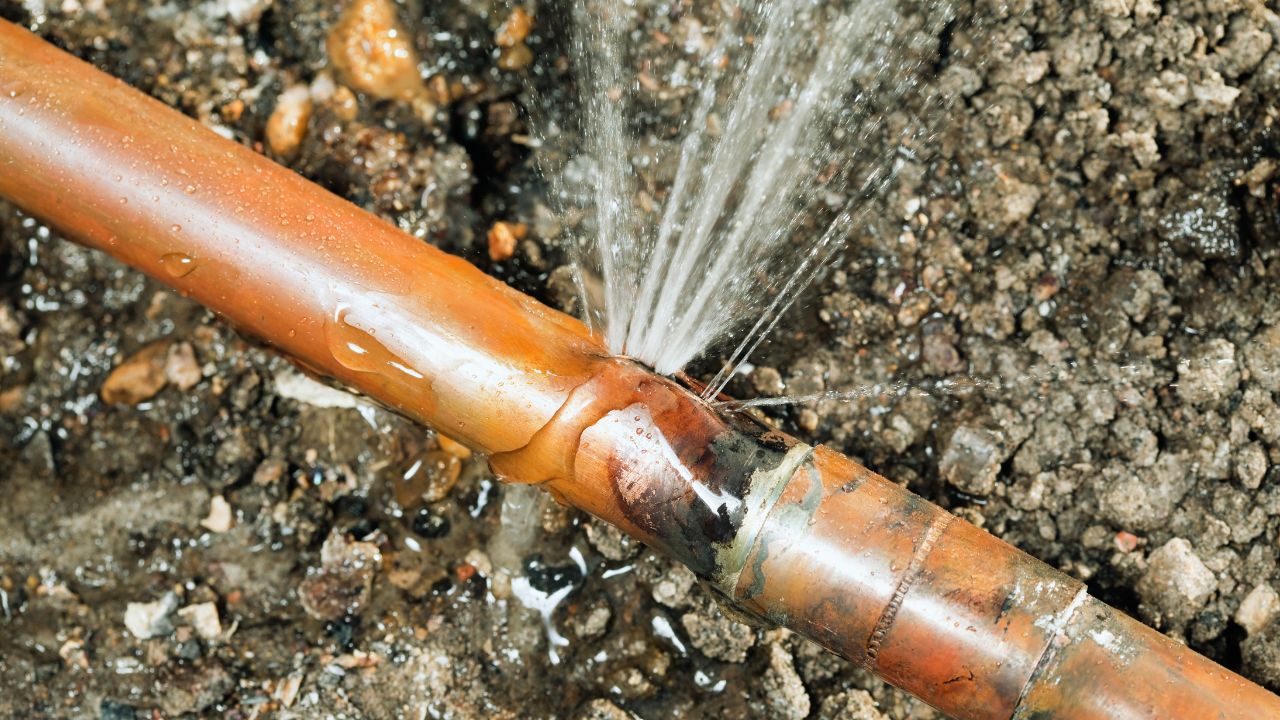
A slab leak occurs when water pipes beneath a concrete foundation develop cracks, corrosion, or connection failures that allow water to escape. These leaks can hide for weeks or months, causing foundation damage, mold growth, and water waste before homeowners notice symptoms. Understanding the slab leak repair process helps reduce stress, prevent unnecessary demolition, and guide informed decisions when working with plumbing professionals.
Below, you'll find each stage in order: recognizing warning signs, limiting damage, professional diagnosis, choosing a repair method, executing the work, testing the system, and preventing the next leak. Homeowner steps begin with awareness and end with monitoring, not DIY concrete breaking. Comparing repair method tradeoffs early keeps cost expectations realistic.
Key Takeaways
The slab leak repair process starts with warning signs like unexplained water bill spikes and warm floors, which justify professional diagnosis before assuming the cause or location
Non-invasive detection methods, including acoustic listening and thermal imaging, locate leaks without unnecessary concrete breaking
Repair method choice depends on leak location, pipe condition, and accessibility, so spot repair, reroute, and repipe each serve different scenarios
Pressure testing after repair confirms system integrity before restoring full water service and closing access points
Post-repair monitoring through water bills, meter checks, and routine inspections reduces future slab leak risk
Slab Leak Repair Process Basics: Definition, Causes, and Warning Signs
A slab leak is a water line failure beneath a concrete foundation slab. These leaks develop when copper or galvanized pipes corrode, shift with ground movement, or fail at connection points. Water escaping under pressure creates hidden moisture that compromises flooring, raises water bills, and creates conditions for mold growth.
Delay amplifies both the damage and the cost. EPA WaterSense reports that household leaks waste nearly 1 trillion gallons of water each year nationwide. Early slab leak repair may cost $200 to $500, while delayed damage can exceed $10,000 once foundation repair and mold remediation become necessary.
Slab Leak Causes in Southern California Homes
Corrosion, ground movement, and installation defects cause most slab leaks. Copper corrodes when soil chemistry or water pH drives electrochemical reactions, and galvanized pipe rusts from the inside as its zinc coating degrades. Expansive soil, seismic activity, and settling foundations stress pipes and create friction points where metal wears through. Abrasion against concrete, pressure above 80 PSI, and poor support or sharp bends at installation all shorten pipe life, especially in homes built before modern pipe protection standards.
Common Warning Signs of a Slab Leak
Warning signs show up in your bill, your floors, and your meter long before any pipe becomes visible. Each symptom below points to a likely cause and a sensible next step.
Warning Sign
What It Usually Indicates
Next Step
Water bill spike, usage unchanged
Continuous flow in the supply line
Run a 30-minute meter test
Meter moves with every fixture off
An active leak, confirmed
Book professional detection
Warm patch on the floor
Hot water line leaking under the slab
Note the exact location
Damp carpet or hardwood, no spill
Moisture rising through the slab
Contain and dehumidify
Musty odor or mildew
Moisture present long enough for mold
Treat as urgent
Running water heard, fixtures off
Pressurized line escaping below grade
Shut the main and call
Foundation cracks, reduced water pressure, and several signs appearing at once provide additional evidence justifying professional slab leak diagnosis.
Structural, Financial, and Health Effects of an Untreated Slab Leak
Untreated slab leaks create structural, financial, and health consequences. Continuous water exposure weakens concrete, erodes supporting soil, and can cause settling or cracking. Wooden framing that absorbs moisture develops rot, which needs remediation well beyond plumbing repair. Water waste compounds utility costs while damage accumulates invisibly, and mold risk rises once indoor humidity passes 60 percent. Insurance complicates matters, because gradual damage often falls outside coverage that would apply to a burst.
Slab Leak Repair Process Step One: Professional Diagnosis
Professional diagnosis uses non-invasive technology to locate the leak before any concrete is broken. Technicians start with symptom assessment and a water meter test to confirm an active leak, then narrow the location with detection equipment. Precision here controls cost, because exploratory demolition is the most expensive way to find a pipe. Residential leak detection commonly runs $150 to $500.
Non-Invasive Leak Detection Methods
Acoustic listening picks up the sound of water escaping a pressurized pipe through sensitive ground microphones, working across the suspected area for the hiss or rush that pinpoints the failure. Infrared and thermal imaging read temperature and moisture differences, detecting heat from hot water leaks or cool spots where evaporation occurs. Electronic detection sends electromagnetic or conductive signals through the pipe to locate breaks, and tracer gas introduces a safe, detectable gas for leaks that resist other methods. These specialized leak detection services combine, so the access point is chosen with confidence rather than guesswork.
Pressure Testing to Confirm an Active Leak
Pressure testing confirms a leak by isolating pipe sections and watching for pressure decay. Technicians close valves to create an isolated zone, then raise pressure above normal operating levels. A drop proves a leak inside that zone, while a stable reading confirms integrity. Water appearing at joints or concrete cracks during the test often reveals the exact location.
Visual Inspection for Final Confirmation
Visual inspection matters when non-invasive methods narrow the location but cannot confirm the failure point. Exposing a small pipe section through minimal concrete removal lets a technician verify corrosion extent, joint condition, and remaining wall thickness before committing to a repair scope. What they see there separates a sound spot repair from a system that needs replacing. Technicians handling leak detection in San Dimas treat this as verification, never a reason to widen the opening.
Homeowner Steps While Waiting for a Plumber
Homeowners should limit damage and gather information while diagnosis is scheduled, not attempt DIY under-slab repair. Quick action reduces water waste, limits moisture spread, and hands technicians documentation they can use, which shortens diagnosis and lowers total cost.
Damage Control Steps Before the Repair
Shut off the main water supply when flooring saturation is spreading, or avoid the specific fixtures making it worse. That prevents further penetration into subflooring, drywall, and insulation. Move furniture away from damp areas, and use towels or plastic sheeting to contain moisture. A dehumidifier in the affected room controls humidity and slows mold development while you wait.
Information to Document for Your Plumber
Check the water meter with every fixture off: record the reading, wait 30 minutes without using water, then read it again. Movement between readings confirms an active leak and gives a flow estimate that guides equipment selection. Note when warm floors first appeared, how long damp spots have existed, and any change in pressure or sound. Photograph the discoloration, cracks and meter readings, then pull the water bills showing the spike.
The Right Time to Call a Professional
Call as soon as multiple warning signs appear together, or when a water bill rises more than 20 percent without explanation. Immediate contact fits active flooding, water sounds that persist with all fixtures off, or meter movement that never stops. Contact licensed plumbing professionals who lead with detection technology rather than a demolition proposal, and ask whether the diagnosis fee applies toward the repair.
Repair Method Selection: Spot Repair, Reroute, and Repipe
Repair method follows from leak location, pipe condition, accessibility, and how long the fix needs to last. The deciding question is whether the leak is isolated or a symptom of broader deterioration. A cheaper spot repair can cost more across five years when pipe condition points to further failures, so weigh slab leak repair costs against the likelihood of a repeat visit.
Repair Method
Typical Cost Range
Disruption
Suited To
Spot repair
$500 to $2,500
One small slab opening, one day of work
One isolated failure in otherwise sound pipe
Reroute
$1,200 to $3,500
No slab cutting, work in attic or walls
Finished flooring, or load-bearing walls above
Repipe
$4,000 to $15,000
Multiple access points, three to five days
Galvanized pipe, pinholes, systems over 40 years
Spot Repair for Isolated Leaks
Spot repair suits an isolated failure in otherwise sound piping, where access justifies opening the slab. It performs well in newer homes and recently repiped systems, where a construction defect or localized damage caused a single leak. It fits poorly when pipes show corrosion patterns, when earlier leaks have occurred, or when pipe age makes further failures likely.
Rerouting Around the Failed Section
Rerouting bypasses the failed under-slab run by installing new pipe around or above the slab, often through an attic, crawl space, or exterior wall, which avoids concrete breaking entirely. Homes with finished flooring or tile work gain the most from it. Rerouting also fits leaks beneath load-bearing walls, where cutting the slab raises foundation concerns.
Repiping for Aging or Repeat-Leak Systems
Repiping addresses broad age, corrosion, and repeat-leak risk in one project, and it removes the likelihood of further under-slab failures. It fits galvanized systems, original copper showing pinhole patterns, and homes older than 40 years better than a sequence of spot repairs, and it usually carries warranty coverage individual repairs cannot match. Homeowners planning long ownership often choose it despite the higher cost.
Repair Day Execution, Pressure Testing, and Restoration
The work follows a fixed sequence from leak location to restoration and testing. Forbes Home reports slab leak repair costs of $1,200 to $4,000, averaging near $3,100 depending on method, access, and scope, with labor at $45 to $200 per hour. Trenchless repair typically lands between $1,200 and $3,500 when rerouting removes the need for slab access.
Stage
What Happens
Typical Duration
Detection
Acoustic, thermal, electronic, or tracer gas location
1 to 3 hours
Access
Flooring lifted and concrete cut, or reroute path prepared
1 to 4 hours
Repair
Failed section replaced, or new pipe run
3 to 8 hours
Pressure test
Held above operating pressure, watched for decay
15 to 30 minutes
Restoration
Concrete patched, flooring replaced
Scheduled separately
Leak Location and Access Creation
Technicians confirm the leak, then plan access: open the slab, plan a reroute, or spot-excavate. Concrete cutting uses specialized saws with dust control to create a precise opening. In finished spaces, flooring comes up first, with materials documented for restoration. Reroute access shifts instead to attic entry, crawl space preparation, or exterior wall penetration.
Repair Day Work Sequence
Expect floor coverings, dust barriers, and a staging area before any cutting starts. Spot repairs cut out the failed segment and install a new section with proper joints and sealing. Reroutes run new pipe through the alternative path with support brackets, sleeves, and correct valve placement. A well-run plumbing repair keeps the work zone contained from the first hour.
Pressure Testing and Plumbing Restoration
Pressure testing confirms the repair before water service returns or access points close permanently. Technicians pressurize the repaired section and watch for drops that signal an incomplete seal or a second failure. A pass shows stable readings across 15 to 30 minutes with no decay and no visible leak. Water then returns gradually to verify flow and confirm pressure, followed by inspection of the repair site and downstream fixtures.
Prevention and Early Detection After the Repair
Prevention rests on routine monitoring, maintenance, and knowing the early signals. Post-repair vigilance confirms the repair held and catches remaining weak points in an aging system. The habits below take minutes each month and can save thousands. Homeowner attention paired with professional water leak prevention and detection covers both ends of the problem.
Routine Checks for Early Leak Detection
Compare monthly water bills against a new baseline set after the repair eliminated the previous waste, and treat an unexplained rise above 10 percent as worth investigating. Run the meter check monthly with all fixtures off. Investigate any isolated spot that feels warmer than the floor around it, since temperature differences usually appear before visible damage when a hot water line starts to fail.
Smart Leak Detectors for Continuous Monitoring
Smart leak detection systems watch flow patterns and flag usage that does not match normal behavior. Installed at the main water line, their sensors read continuous flow, pressure changes, and volume spikes, then alert you through a smartphone app. Advanced units add automatic shutoff that closes the main valve when a critical leak appears, which earns its cost in vacation homes, rentals, and households that travel often.
Maintenance Practices That Extend Plumbing Life
Schedule an annual inspection with a licensed plumber who can assess system condition, spot early corrosion, and recommend preventive work before a failure. These visits cover pressure testing, visual assessment of accessible pipes, and water quality analysis. Regular maintenance prevents expensive repairs by catching small issues early. Pressure-reducing valves protect pipes when municipal supply exceeds 80 PSI, and water softening reduces mineral buildup in hard water areas.
Homeowner Preparation and Post-Repair Follow-Up
Preparation and follow-up decide whether the repair holds and whether restoration goes smoothly. Agreeing on restoration scope, monitoring for new symptoms, and booking the right follow-up inspection complete the job. Slab leak detection and repair in Upland, and in every market we serve, depend on that cooperation at each stage.
Floor and Concrete Restoration Planning
Settle restoration scope before work begins: who patches the concrete, who replaces flooring, and who matches the finish. Some contractors include basic concrete patching, while complex tile or hardwood restoration usually goes to a flooring specialist. Cover furniture, seal doorways, set clear equipment pathways, and remove valuables before the crew arrives.
Monitoring for Recurring Issues After Repair
Check the affected area over the following weeks for new dampness, odor or temperature change. Watch water bills and meter movement for signs that a leak developed elsewhere, and document concerns with photos and dates so follow-up service starts with evidence. Pressure changes, unusual pipe sounds or fixture problems can signal an incomplete repair, and most contractors carry a warranty that rewards prompt reporting.
Follow-Up Inspection Timing
Book a follow-up three to six months after major repair to confirm stability and catch developing issues early. Annual inspection suits homes with older plumbing or a history of multiple leaks. Timing depends on repair extent, system age and what the technician saw in the pipe, so a spot repair warrants a sooner check than a repipe under warranty.
Slab Leak Repair Process: Comprehensive Approach to Diagnosis, Repair, and Prevention
Successful slab leak repair needs methodical diagnosis, an informed method choice, and steady post-repair monitoring. The sequence starts with recognizing warning signs, moves through professional detection and the repair itself, and closes with prevention that lowers future risk. Homeowners who understand each phase set realistic expectations.
Get Your Slab Leak Located and Repaired by Alpine Plumbing, Heating, and Air
Alpine Plumbing, Heating, and Air has served San Dimas, the San Gabriel Valley, the Inland Empire, and Lake Havasu City since 2017. Our licensed technicians, working under CA License #1041244, locate slab leaks with acoustic, thermal, and electronic detection before anything gets cut. You then see spot repair, reroute, and repipe options side by side, with pricing explained up front and financing available.
Call (626) 385-4001 to speak with a technician, or request a free estimate and we will come to you for an on-site assessment with no pressure and no obligation. Bring your meter reading and recent water bills, and we can start narrowing the location on the first visit.
Frequently Asked Questions About Slab Leak Repair
Q1. How long does slab leak repair take?
A. Most single-point repairs finish within one day once the leak is located. Detection usually takes one to three hours, the repair three to eight hours, and pressure testing another 15 to 30 minutes. Reroutes often run one to two days because new pipe has to be routed and supported. A full repipe takes three to five days, and concrete or flooring restoration is scheduled separately.
Q2. Does homeowners insurance cover slab leak repair?
A. Coverage depends on how the damage happened. Policies commonly pay for sudden accidental water damage, including the cost of accessing the pipe, while the pipe repair itself and gradual damage are often excluded. A leak that ran undetected for months is frequently treated as a maintenance issue rather than a covered event. Record the date you found it, photograph the damage, and file promptly, because the timeline you can prove often decides the claim.
Q3. Can I repair a slab leak myself?
A. No. Reaching an under-slab pipe means cutting reinforced concrete, and cutting in the wrong place can sever rebar or post-tension cable and compromise the foundation. Homeowners can shut off the water, contain moisture, and document symptoms, which are the steps that help. Detection equipment also sits outside normal homeowner access, so guessing usually costs more than a detection visit.
Q4. What does slab leak detection cost on its own?
A. Residential leak detection generally runs $150 to $500 depending on property size and how many methods the technician needs. Acoustic listening alone sits at the lower end, while combining thermal imaging, electronic detection, and tracer gas moves toward the upper end. Many companies credit the fee toward the repair when they do the work, so ask before booking. That fee routinely prevents thousands in exploratory concrete removal.
Q5. How do I tell a slab leak from a water heater or irrigation leak?
A. Isolate each system before assuming the slab is the problem. Close the water heater cold inlet valve and the irrigation shutoff, then repeat the meter test with all fixtures off, since continued movement points below the slab. A warm patch in one isolated area indicates a hot water line under the slab, not a heater failure. Wet soil along a foundation edge with a dry interior usually points to irrigation. A technician confirms which line is leaking by pressure testing each zone.
Welcome to Alpine Plumbing and Rooter, serving San Dimas and the surrounding areas as your reliable source for exceptional plumbing and drainage services. We also provide reliable licensed HVAC services.
After reviewing your information, we will contact you as soon as possible.
"*" indicates required fields
Alpine Plumbing, Heating, and Air
462 Borrego Ct Unit A, San Dimas, CA 91773
CA Plumbing/HVAC License: #1041244 AZ Plumbing License: ROC 362311
Welcome to Alpine Plumbing, Heating, and Air, serving San Dimas, San Bernardino, Lake Havasu, AZ, and the surrounding areas. We are your reliable source for exceptional plumbing, Heating, and Air Conditioning needs.