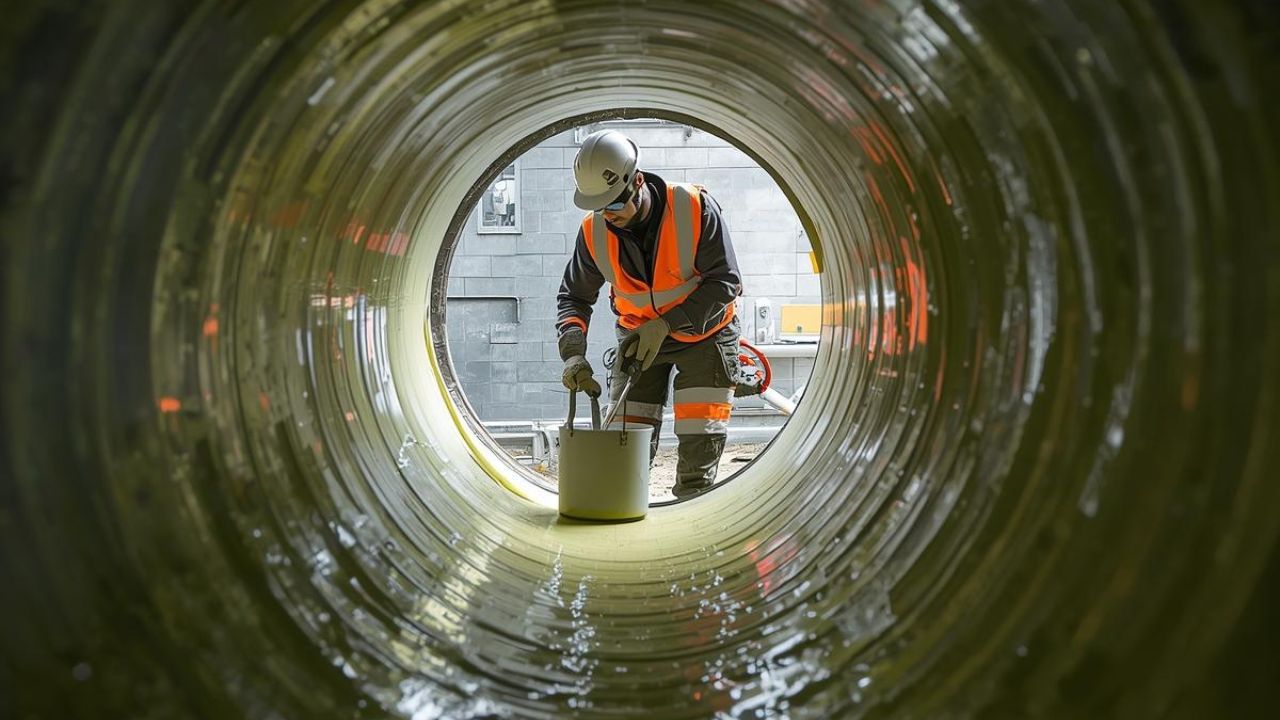
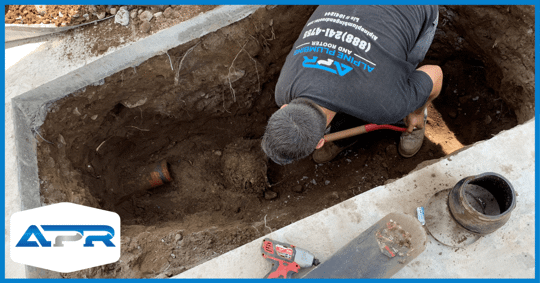
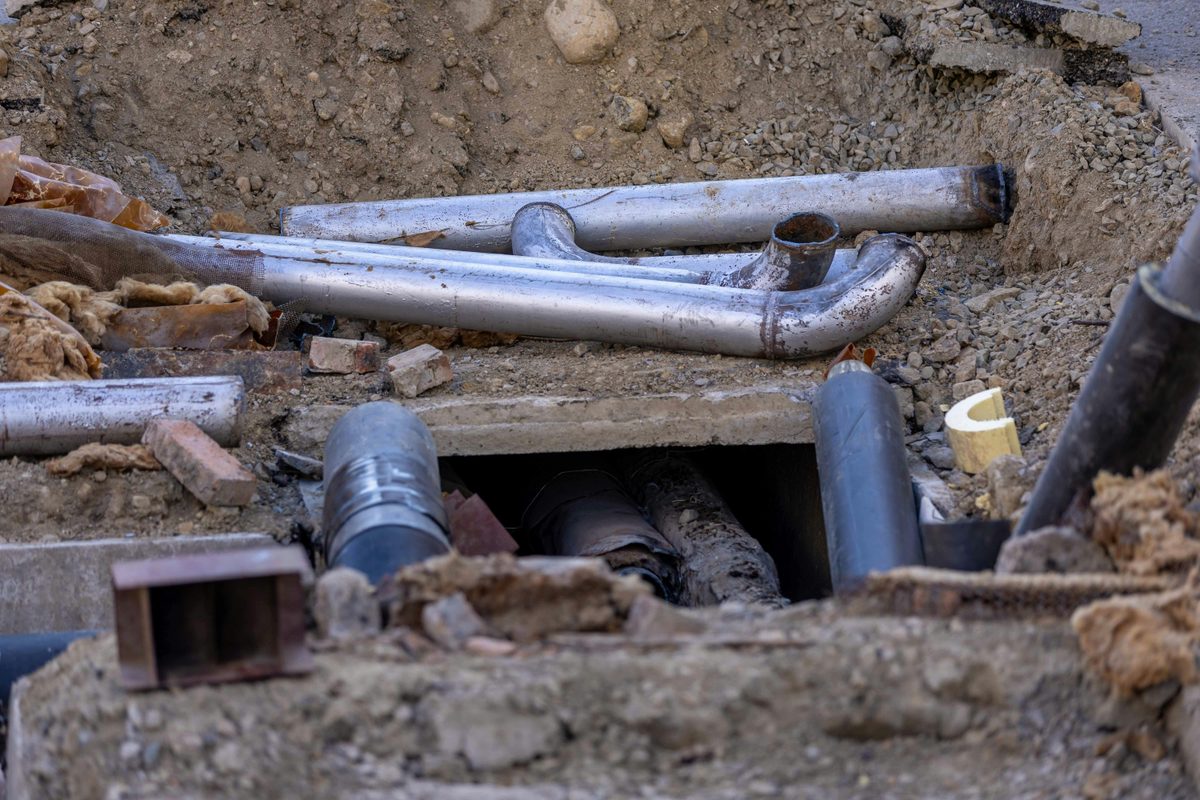
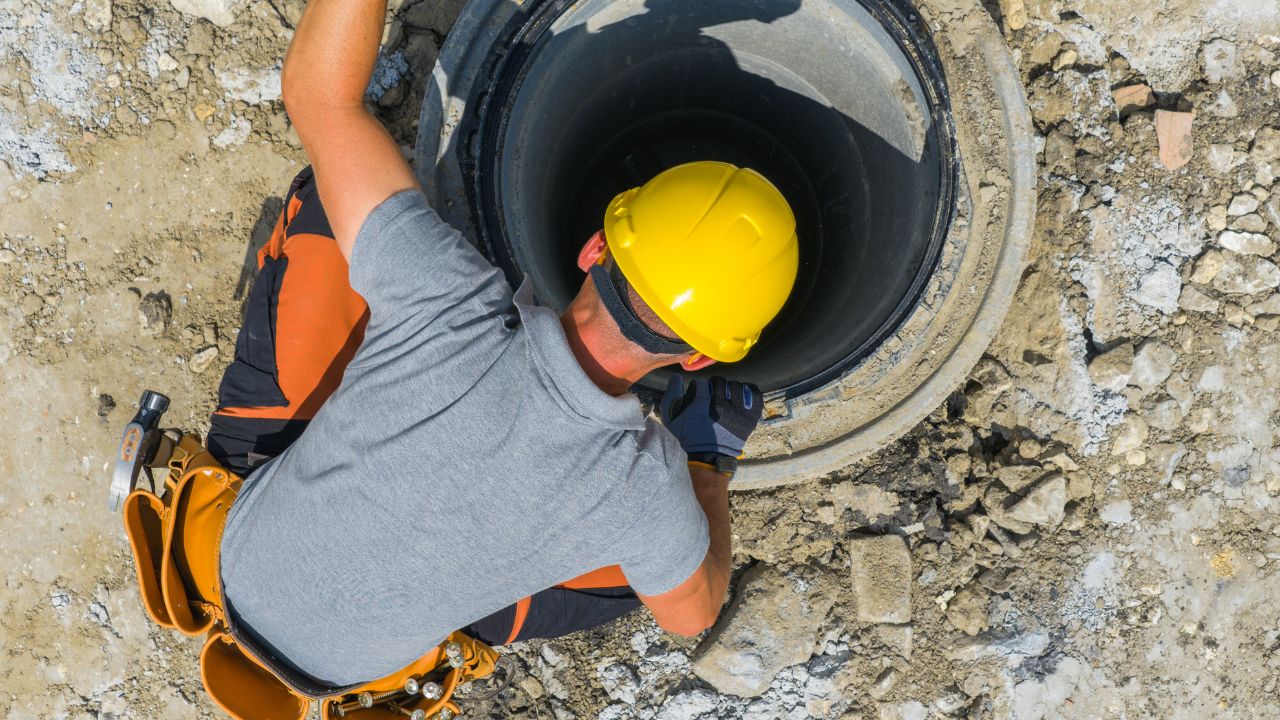
Sewer line problems often begin as slow drains or recurring backups, and they can point to more serious damage in the lateral that carries waste to the main. According to the EPA, sewer overflows and backups can contaminate waters, cause property damage, and threaten public health, with at least 23,000 to 75,000 sanitary sewer overflows occurring annually in the U.S. CIPP pipe lining repairs address damage from inside the pipe, which is why it is now a common form of trenchless sewer repair on residential sewer laterals.
Below, you'll find how the work unfolds from the first camera inspection to the final verification: how technicians clean and prepare the damaged section, insert a resin-saturated liner, cure it into a new interior pipe, and confirm the finished repair. We also cover which damage types suit lining, how CIPP measures up against pipe bursting and open-trench excavation, what drives cost and timeline, and the questions to ask a contractor before approving the job.
Key Takeaways
CIPP creates a new pipe inside the old pipe after inspection, cleaning, liner insertion, inflation, and curing
Sewer camera diagnosis should come before repair selection because CIPP depends on pipe condition
CIPP is suited for cracks, leaks, root intrusion, corrosion, and separated joints when the host pipe is intact
CIPP can reduce digging and property disruption compared with excavation while still requiring access and verification
Cost and timeline vary by length, access, damage, depth, permits, cleaning, and whether excavation is needed
CIPP Pipe Lining Creates a New Pipe Inside the Old Line
CIPP pipe lining creates a new pipe inside the damaged sewer line without excavating the entire run. The acronym CIPP stands for cured-in-place pipe, a method recognized by ASTM F1216-22 for rehabilitating existing pipelines through inversion and curing of a resin-impregnated tube.
The process uses the failed or deteriorated pipe as a host for the new internal liner. Technicians saturate a flexible liner with epoxy resin, insert it into the existing pipe, inflate it against the interior wall, and cure it until it hardens into a smooth, jointless inner pipe.
Materials Used in CIPP Liners
CIPP pipe lining uses a felt or fiberglass liner soaked in epoxy resin and inserted into the existing pipe. The liner is inflated and cured to create a new pipe inside the old one.
The resin-impregnated tube bonds to the interior surface of the host pipe after curing. Different epoxy formulations and curing methods exist, including hot water, steam, and ambient temperature curing processes.
The Host Pipe Becomes the Frame for the New Liner
CIPP creates a new pipe within the old one by using the existing pipe as a structural host. The saturated liner is inserted through existing access points such as cleanouts or excavated entry pits.
Once inside, the liner is inflated or pressed against the existing pipe wall and cured. The curing process hardens the resin into a smooth, durable interior surface that seals cracks and prevents future leaks.
CIPP Pipe Lining Starts With a Sewer Line Diagnosis
Sewer line diagnosis identifies the type, location, and extent of damage before selecting a repair method. Camera inspection determines whether the pipe is a candidate for CIPP pipe lining or requires a different approach.
Proper diagnosis prevents guessing and ensures the chosen repair method addresses the actual problem. Skipping inspection can lead to unsuitable repair selection, wasted expense, or incomplete solutions.
Sewer Camera Inspection Identifies Pipe Issues
Sewer camera inspection uses CCTV equipment to visually assess underground pipe conditions without digging. The camera identifies blockages, cracks, root intrusion, and structural damage by traveling through the sewer line on a flexible cable.
Technicians review the live video feed to locate damage, measure distances, and document findings. A sewer camera inspection also helps determine whether the line has enough structural integrity to support a liner.
Damage Types CIPP Repairs Effectively
CIPP is positioned for pipes with cracks, leaks, corrosion, root intrusion, or separated joints. These damage types allow the liner to bond effectively and restore flow without excavation.
The method works when the pipe shape remains generally intact and provides enough diameter for the liner. CIPP is a good fit for moderate damage that has not yet caused complete structural failure.
Conditions That Rule Out CIPP Lining
CIPP is not suitable for completely collapsed pipes or severe structural sagging. These conditions prevent the liner from being inserted, inflated, or properly positioned.
A collapsed or badly misaligned line may require pipe bursting, spot repair, or excavation. CIPP needs enough pipe shape and access to install the liner successfully.
The table below sorts common camera findings into lining candidates and conditions that call for another method.
Pipe condition
Suited to CIPP
Usual approach
Cracks and hairline fractures
Yes
Clean the run, then line the damaged section
Leaking or separated joints
Yes
Line the run so the liner seals across the joints
Root intrusion with an intact pipe wall
Yes
Cut the roots, hydro jet, then line
Corrosion or heavy scale in cast iron
Yes
Descale, confirm diameter, then line
Offset joints beyond liner tolerance
No
Spot repair or pipe bursting
Severe sagging, often called a belly
No
Excavate and re-grade the line
Fully collapsed pipe
No
Excavation or pipe bursting
CIPP Compared With Pipe Bursting and Excavation
CIPP lining rehabilitates from inside the pipe, while pipe bursting fractures and replaces the old pipe. Traditional excavation digs up and replaces the damaged line entirely.
Each method has specific applications depending on damage severity, access constraints, and property conditions. Understanding the differences helps homeowners make informed decisions about sewer line repair versus replacement.
Differences Between CIPP and Pipe Bursting
Pipe bursting fractures the existing pipe while pulling a new pipe into place. The bursting head breaks the old pipe outward as the replacement pipe is pulled through.
Pipe bursting still needs entry and exit points and may not work with some site layouts or utility conflicts. Both CIPP and pipe bursting qualify as trenchless sewer repair methods that reduce surface disruption.
Cases That Still Require Traditional Excavation
Traditional excavation digs up and replaces the damaged pipe section through open-trench construction. This method is necessary when pipes have collapsed completely, access is impossible for trenchless methods, or complex alignment issues exist.
Excavation also becomes the preferred option when surrounding utilities, structures, or soil conditions prevent trenchless access. It carries higher property disruption and restoration requirements compared with CIPP.
Pros and Cons of Each Sewer Repair Method
Traditional excavation has higher property disruption and restoration burden compared with trenchless methods. Excavation may require weeks of work, lawn replacement, driveway repair, and landscaping restoration.
Trenchless repair is often completed in one to two days compared with weeks for traditional excavation, and properly installed CIPP liners can last 30 to 50 years.
The comparison below puts the three methods side by side using the ranges reported in industry data.
Method
How the repair is made
Disruption
Timeline
Reported cost
CIPP lining
A resin-saturated liner is cured inside the host pipe
Access points and cleanouts only
One to two days
$3,000 to $12,000, or $80 to $250 per linear foot
Pipe bursting
A bursting head fractures the old pipe while a new pipe is pulled through
Entry and exit pits
One to two days
Varies with length, depth, and access
Open-trench excavation
The damaged section is dug up and replaced
Trench across lawn, driveway, or hardscape
Days to weeks
$10,000 to $30,000 or more, or $50 to $250 per linear foot
CIPP Pipe Lining Process, Step by Step
The pipe lining process begins with inspection and cleaning to prepare the host pipe. Technicians then insert, inflate, and cure the resin-saturated liner before verifying the completed repair.
Each step must be completed properly to ensure the liner bonds correctly and restores full pipe function. Trenchless sewer repair follows a systematic sequence to deliver durable results.
Sewer Line Preparation and Cleaning
Technicians clean the line so the liner can bond and sit properly against the pipe wall. Hydro jetting may be used when buildup or root debris is present.
Cleaning removes obstructions, grease, scale, and organic material that would prevent proper adhesion. The cleaning step also ensures the liner can be inserted without snagging or tearing.
Liner Insertion, Inflation, and Curing
Technicians measure and prepare the liner for the damaged run after cleaning is complete. The liner is saturated with epoxy resin and inserted through existing access where possible.
Once positioned, the liner is inflated or pressed against the existing pipe wall and cured. Curing hardens the resin into a smooth internal pipe, and technicians reopen or confirm branch and service connections as applicable.
Repair Verification After Installation
Technicians perform a final camera check to verify fit, flow, and completion. The post-repair inspection confirms the liner is properly positioned, cured, and free from defects.
Verification also documents that service connections are open and water flows correctly. This final step provides quality assurance and identifies any issues before the job is closed.
Cost and Timeline Factors for CIPP Repairs
California sewer line repair may range from $1,500 to $25,000 or more depending on severity and method. Pipe length, access, damage extent, and required permits all influence the final cost.
Labor represents approximately 50% of total repair costs in sewer line repair. Additional factors include pipe diameter, depth, soil conditions, and whether surface restoration is needed.
Pipe Length, Access, and Damage Influence Cost
Trenchless methods may run $80 to $250 per linear foot depending on project specifics. Traditional excavation may run $50 to $250 per linear foot, including restoration.
Longer pipe runs, difficult access, and severe damage increase material, labor, and equipment requirements. Estimating the cost of CIPP lining requires a property-specific assessment rather than relying on broad averages.
Permit and Restoration Fees Homeowners Should Expect
Permit and inspection fees may vary from $235 to $1,870 or more by jurisdiction. Local building departments set fee schedules based on project scope and valuation.
Some repairs may also require restoration of driveways, landscaping, or hardscaping if access points must be created. Homeowners should confirm whether permits and restoration are included in the estimate before approving work.
Use the figures below to read an estimate line by line and to see which items a contractor may have left out.
Cost factor
What it covers
Reported range
Overall project
California sewer line repair across all methods
$1,500 to $25,000 or more
Labor
Crew time for access, cleaning, lining, and verification
About 50% of the total
Trenchless work per foot
Liner, resin, equipment, and crew
$80 to $250 per linear foot
Excavation per foot
Digging, replacement pipe, and restoration
$50 to $250 per linear foot
Permits and inspections
Fees set by the local building department
$235 to $1,870 or more
Surface restoration
Driveway, landscaping, or hardscape repair at access points
Quoted per property
Safety and Environmental Controls in CIPP Work
CIPP can involve styrene, VOCs, and confined-space work that require professional safety protocols. NIOSH evaluated CIPP liner preparation and repairs involving styrene and VOC exposure issues.
NIOSH recommended safe work practices, ventilation and respiratory-protection decisions, monitoring, and confined-space protocols. OSHA defines confined-space risks for sewer, manhole, and drain work contexts.
Safety Protocols Used During Installation
NIOSH observed confined-space protocol problems in one evaluated setting and emphasized the need for proper procedures. Technicians must use ventilation, respiratory protection, and monitoring equipment during resin handling and curing.
Safety protocols also address confined-space entry, gas monitoring, and emergency response procedures. These controls protect workers and building occupants during the installation process.
Licensed Professionals Handle Resin, Curing, and Confined Spaces
CIPP involves resins, curing, equipment, and safety controls, so it is not a DIY sewer repair. Licensed professionals have the training, equipment, and experience to handle hazardous materials and confined-space conditions safely.
CIPP is a trenchless lining method, not ordinary drain cleaning or spot patching. Professional installation ensures the repair meets code requirements and delivers the expected lifespan.
Questions Homeowners Should Ask Before Approving CIPP Repair
Homeowners should ask specific questions to confirm proper diagnosis, installation, and verification before approving repair. Clear answers help ensure the contractor follows proven procedures and delivers a complete, documented job.
Asking these questions also sets expectations around permits, warranties, and what the estimate includes. Understanding when to use CIPP versus other methods depends on thorough evaluation.
Confirming Inspection and Cleaning Were Completed
Homeowners should ask whether the contractor will provide video documentation of the pre-repair inspection. The video should show the damaged section and explain why lining is suitable.
Asking whether the line was cleaned before lining confirms proper preparation. Proper cleaning ensures the liner bonds correctly and sits flush against the pipe wall.
Warranty and Post-Repair Verification to Request
Homeowners should ask what the warranty covers and how long it lasts. A reputable contractor will provide written warranty terms that specify covered defects and exclusions.
Asking whether a final camera check will be performed ensures quality verification. Post-repair video documents the completed liner, confirms proper curing, and provides a baseline for future reference.
Permits and Restoration Inside the Estimate
Homeowners should ask whether the estimate includes permits, inspections, and any required restoration work. Some contractors quote the lining only and exclude permits or surface repair.
Clarifying what is included prevents surprise costs after the job begins. Knowing what to expect during inspection and repair helps homeowners budget accurately.
Trust Us with Your Trenchless Sewer Repair Option
CIPP pipe lining offers a proven, minimally invasive solution for repairing damaged sewer lines when proper diagnosis confirms suitability. The method reduces property disruption, shortens repair timelines, and delivers durable results for cracks, leaks, root intrusion, corrosion, and separated joints.
Homeowners should prioritize camera inspection, thorough cleaning, and licensed installation to ensure successful outcomes. CIPP is not suitable for every sewer problem, but when conditions align, it provides a cost-effective alternative to excavation.
Alpine Plumbing, Heating, and Air serves San Gabriel Valley homeowners with honest, expert sewer repair guidance backed by advanced diagnostic tools. Our licensed technicians use camera inspection to determine whether trenchless solutions fit your line and provide transparent estimates that include permits, preparation, and verification.
If you are facing sewer line issues and want to understand whether CIPP is right for your property, schedule a professional trenchless sewer repair evaluation to review camera footage, compare repair options, and receive a complete written estimate.
Call Alpine Plumbing, Heating, and Air at (626) 385-4001 or request a free estimate through our contact page. We have been family-owned since 2017; we hold California License #1041244 and Arizona ROC 362311, and our licensed technicians serve San Dimas, the San Gabriel Valley, the Inland Empire, and Lake Havasu City, AZ, seven days a week.
Frequently Asked Questions About CIPP Pipe Lining
Q1. How long does CIPP pipe lining last?
A. Properly installed CIPP liners can last 30 to 50 years, which is close to the service life of a new pipe. Lifespan depends on the resin used, how well the host pipe was cleaned before insertion, and how evenly the liner cured. The post-repair camera video gives you a baseline you can compare against in later inspections. Keeping grease and root growth out of the line protects that lifespan.
Q2. How much does CIPP pipe lining cost for a home sewer lateral?
A. Industry data puts epoxy coating and CIPP at roughly $3,000 to $12,000, or $80 to $250 per linear foot, against $10,000 to $30,000 or more for full replacement. California sewer line repair across all methods runs from about $1,500 to $25,000 or more. Labor is close to half the total, so access and pipe depth move the price as much as pipe length does. A camera inspection and a written, property-specific estimate are the only reliable way to price your line.
Q3. Can CIPP pipe lining repair a collapsed sewer pipe?
A. No. A liner needs a host pipe that still holds its shape, because the liner is inserted, inflated against the pipe wall, and cured in place. A fully collapsed section, a severe belly, or offset joints beyond liner tolerance leave nothing for the liner to form against. Those lines are candidates for pipe bursting, a spot repair, or open-trench excavation. Camera footage settles the question before any repair method is quoted.
Q4. Does a CIPP liner reduce water flow in the sewer line?
A. The liner takes up a small amount of diameter, but the cured surface is smooth and jointless, so flow capacity usually holds steady or improves. Old cast iron lines gain the most, since scale and tuberculation restrict them well before lining. Technicians measure the interior diameter during inspection and descale the pipe if buildup would leave the liner undersized. If the pipe is already too narrow for a liner, they will say so and recommend replacement instead.
Q5. Do homeowners need a permit for trenchless sewer repair?
A. Most jurisdictions require a permit and an inspection for work on a sewer lateral, and fees reported across jurisdictions range from $235 to $1,870 or more. Your contractor should pull the permit, schedule the inspection, and hand over the signed documentation when the job closes. Ask whether the permit, the inspection, and any surface restoration are inside the quoted price, since some estimates cover the lining only. Our drain and sewer team in San Dimas handles permitting as part of the job rather than billing it later.
Welcome to Alpine Plumbing and Rooter, serving San Dimas and the surrounding areas as your reliable source for exceptional plumbing and drainage services. We also provide reliable licensed HVAC services.
After reviewing your information, we will contact you as soon as possible.
"*" indicates required fields
Alpine Plumbing, Heating, and Air
462 Borrego Ct Unit A, San Dimas, CA 91773
CA Plumbing/HVAC License: #1041244 AZ Plumbing License: ROC 362311
Welcome to Alpine Plumbing, Heating, and Air, serving San Dimas, San Bernardino, Lake Havasu, AZ, and the surrounding areas. We are your reliable source for exceptional plumbing, Heating, and Air Conditioning needs.