Drain odors and gurgling sounds usually appear before a complete backup develops. The pattern of these symptoms helps identify whether the problem stems from a small clog, dried trap, venting issue, or sewer line concern that requires professional diagnosis.
Below, you will find how to match each odor and each gurgle to its likely cause, which checks are safe to do yourself, when to call a licensed plumber, what the work typically costs, and the warning signs of a main sewer drain clog that call for immediate help.
Key Takeaways
Drain odors typically result from dried P-traps, organic buildup, biofilm, sewer gas leaks, or sewer line and venting problems
Gurgling sounds indicate air being pulled through drains due to partial clogs, restrictions, or blocked plumbing vents
One affected fixture is usually less urgent than multiple drains or toilets gurgling and smelling simultaneously
Safe first steps include refilling dried traps, cleaning stoppers and strainers, clearing visible debris, and avoiding chemical drain cleaners
Persistent sewer odor, wastewater backup, or recurring gurgles require professional drain and sewer diagnosis with potential camera inspection or hydro jetting
What Causes Drain Odors and How to Identify Them
Why Do Drains Smell Like Rotten Eggs or Sewer Gas?
A rotten-egg or sewer-like smell indicates possible sewer gas entering your home through a failed trap seal or venting problem. Hydrogen sulfide is a colorless gas with a strong rotten-egg odor that can signal a dried P-trap, venting defect, or sewer line issue.
Sewer gas can also result from floor drain trap evaporation in rarely used areas. This symptom warrants immediate attention because prolonged exposure to sewer gases can cause headaches, throat irritation, and other health concerns.
What Makes Kitchen and Bathroom Drains Develop Odors?
Biofilm is organic buildup that commonly forms in bathroom sinks, showers, and kitchen drains from accumulated debris. A musty or mildew-like smell typically indicates moisture problems, biofilm accumulation, slow leaks, drain overflow buildup, or organic residue trapped in pipes.
A sour kitchen-drain smell usually points to food grease, garbage disposal residue, dirty splash guards, biofilm, or food waste caught in the trap. Coffee grounds, rice, pasta, and grease should never go down drains because they contribute to blockages and unpleasant kitchen sink odors.
How Does Trap Dryness or Venting Affect Drain Smells?
P-traps hold water to block sewer gases from entering the home through drain openings. A dry P-trap occurs when the water seal evaporates in rarely used drains such as guest bathrooms or basement floor drains.
Odor in rarely used drains indicates a dry P-trap is the likely first issue to check. Running water for several minutes refills the trap and restores the protective seal against sewer gas infiltration.
Drain Odors and Their Likely Causes
Odor Type
Likely Cause
Where It Usually Appears
First Step to Take
Rotten egg or sewer gas
Failed trap seal, venting defect, or sewer line issue
Any fixture, often several at once
Refill the trap, then book a diagnosis
Musty or mildew
Biofilm, a slow leak, or organic residue
Bathroom sinks, showers, overflow openings
Clean the stopper, strainer, and overflow
Sour or rancid
Grease, disposal residue, or waste in the trap
Kitchen sink and garbage disposal
Flush with cold water and clean the splash guard
Faint sewer smell in an unused room
Evaporated P-trap water seal
Guest baths, basement and floor drains
Run water three to five minutes
Strong odor outdoors near the house
Cracked or leaking sewer line
Yard, foundation perimeter, sewer cleanout
Schedule a sewer camera inspection
What Do Gurgling Sounds in Drains Indicate?
Why Does a Single Fixture Gurgle When Draining?
A gurgle in the same fixture as water drains indicates a likely localized partial clog or trap restriction. This sound occurs when water squeezes past debris and displaces air trapped in the pipe.
Single-fixture gurgling sounds are usually less urgent than system-wide symptoms. However, recurring gurgling in one drain still merits professional inspection to prevent a full blockage from developing. Recurring clogs in a toilet or sink point to a restriction that keeps rebuilding.
What Does Gurgling Across Multiple Fixtures Mean?
A gurgle in a nearby fixture when another fixture drains, or a toilet flushes, indicates a possible shared branch-line blockage or venting problem. This symptom shows that the plumbing system is pulling air through adjacent traps to equalize pressure.
Gurgles from multiple drains or toilets indicate a possible main sewer line restriction that affects the entire household. This pattern requires immediate professional diagnosis because main-line clogs can lead to wastewater backups throughout the home. A gurgling toilet is one of the clearest sewer line warning signs homeowners can hear without any tools.
How Does Blocked Venting Cause Gurgling Noises?
Gurgling often points to airflow and pressure problems caused by partial blockages or blocked venting in the plumbing system. Proper venting allows air to enter drain lines so water flows smoothly without creating negative pressure.
Gurgling with bubbles in the toilet bowl or tub drain indicates possible trapped air and negative pressure from a blocked drain path. When vents fail, drains pull air through trap water and create the characteristic drain gurgle that homeowners notice.
Gurgling Patterns and What They Signal
Gurgling Pattern
Likely Source
How Urgent It Is
One fixture gurgles as it drains
Partial clog or trap restriction
Low. Book standard service
A nearby fixture gurgles when another drains
Shared branch-line or vent blockage
Moderate. Book within a few days
The toilet gurgles when the shower or sink drains
Blocked vent or branch-line restriction
Moderate to high. Book promptly
Several drains and toilets gurgle together
Main sewer line restriction
High. Request diagnosis right away
Gurgling with bubbles rising in the bowl
Trapped air behind a blockage
High. Stop using the fixture
Gurgling plus slow drainage and sewer odor
Main-line clog, active backup risk
Emergency. Call a plumber now
How Can Homeowners Safely Troubleshoot Drain Odors and Gurgling Sounds?
What Are the First Steps to Check for Drain Odors?
Run water in rarely used drains for several minutes to refill P-traps and restore the water seal. Clean removable sink stoppers and strainers to remove accumulated hair, soap scum, and debris that contribute to drain odors.
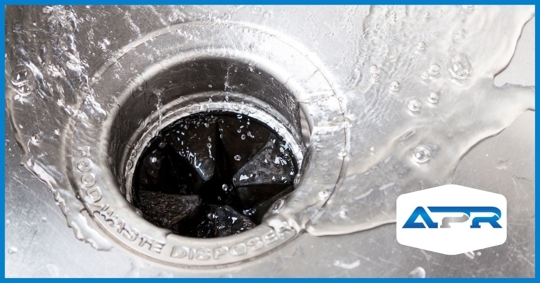
Flush the disposal with cold water and clean visible buildup safely without inserting hands into the grinding chamber. Observe whether symptoms happen at one fixture or across several fixtures to determine if the issue is localized or system-wide. A room-by-room drain cleaning routine keeps odors from returning between visits.
How to Safely Address Localized Gurgling and Partial Clogs?
Use a plunger or simple hand tool carefully on localized clogs if there is no sewage backup present. Plungers work most effectively when the fixture contains enough water to create a seal around the drain opening.
Avoid forcing tools deep into drains because amateur attempts can damage pipes or push clogs deeper. Stop immediately if water begins backing up or if gurgling sounds intensify during your troubleshooting efforts.
When Should Chemical Drain Cleaners Be Avoided?
Avoid chemical drain cleaners as a primary fix for drain odors or gurgling sounds. These products can damage older pipes, create hazardous fumes, and prove ineffective against main-line blockages or venting problems.
Never mix chemicals, because combining different drain cleaners can produce dangerous reactions. Professional drain cleaning methods provide safer and more effective solutions for persistent drainage issues.
When Should You Call a Professional Plumber for Drain Issues?
What Are Red Flags That Indicate a Serious Sewer or Vent Problem?
Multiple fixtures that are slow, smelly, or gurgling simultaneously indicate a system-wide problem requiring professional diagnosis. A toilet that gurgles when the shower or sink drains suggests a shared venting or drain-line issue.
Rotten-egg or sewer odor that persists after refilling traps and cleaning drains indicates a more serious problem. Sewage odor plus slow drains or backups indicates possible sewer line clog or main-line restriction that demands emergency plumbing response.
Signs of tree-root intrusion, recurring clogs, pipe scaling, or sewer line damage require camera inspection and professional repair. Tree roots commonly infiltrate older sewer lines through small cracks and can create persistent blockages that worsen over time.
How Do Persistent Odors or Multiple Affected Fixtures Affect Urgency?
One smelly fixture is usually a localized issue that can wait for scheduled service during business hours. Multiple smelly or gurgling fixtures raise concern for venting or sewer line problems that require faster professional assessment.
System-wide symptoms suggest main-line restrictions that can quickly escalate into wastewater backups requiring emergency intervention.
What Professional Services Are Used to Diagnose and Fix These Issues?
Typical plumbing jobs cost $175 to $450, with emergency services and complex diagnostics pushing costs higher. Los Angeles regional pricing typically runs $193 to $600 per job depending on the scope of work required.
Professional diagnosis often includes sewer camera inspection to identify the exact location and nature of blockages. Technicians use specialized equipment to eliminate drain smells and fix gurgling drains through snaking, hydro jetting, or targeted repair.
What Are Common Causes of Drain and Sewer Line Problems?
How Do Organic Buildup and Food Waste Impact Drain Function?
Common clogged-drain causes include hair, soap, dirt, food waste, mineral buildup, small or foreign objects, toilet paper buildup, and tree roots. These materials accumulate gradually and restrict water flow until drainage slows or stops completely.
Food waste that should not go down drains includes coffee grounds, rice, pasta, and grease. Avoid putting grease, starches, and coffee grounds down drains because they solidify in pipes and create stubborn blockages. Gentler methods for clearing a slow drain handle light buildup without caustic products.
What Role Do Blocked Vents and Tree Roots Play in Drain Troubles?
Blocked plumbing vents prevent air from entering drain lines and cause negative pressure that pulls water from P-traps. This venting failure allows sewer gases to escape into living spaces and creates gurgling sounds throughout the plumbing system.
Tree roots seek moisture and nutrients from sewer lines and penetrate through pipe joints or small cracks. Root intrusion causes recurring clogs, slow drainage, and structural damage that worsens without professional sewer line repair.
How Can Sewer Line Damage Lead to Odors and Gurgling?
Cracked or collapsed sewer lines allow soil and debris to enter pipes and create persistent blockages. Damaged pipes also leak sewage into surrounding soil and produce persistent odors near the foundation or yard.
Aging cast-iron or clay sewer lines develop scale buildup and structural weaknesses that restrict flow. These conditions create chronic gurgling sounds and require camera inspection to determine whether repair or replacement is necessary. Trenchless sewer repair can often correct the damaged section without excavation.
Which Repairs and Services Effectively Eliminate Drain Odors and Fix Gurgling Drains?
How Does Drain Cleaning and Hydro Jetting Work?
Professional drain cleaning commonly ranges from $147 to $352, with an average around $246 nationally. Drain-cleaning costs range from $100 low end to $768 high end depending on location and severity.
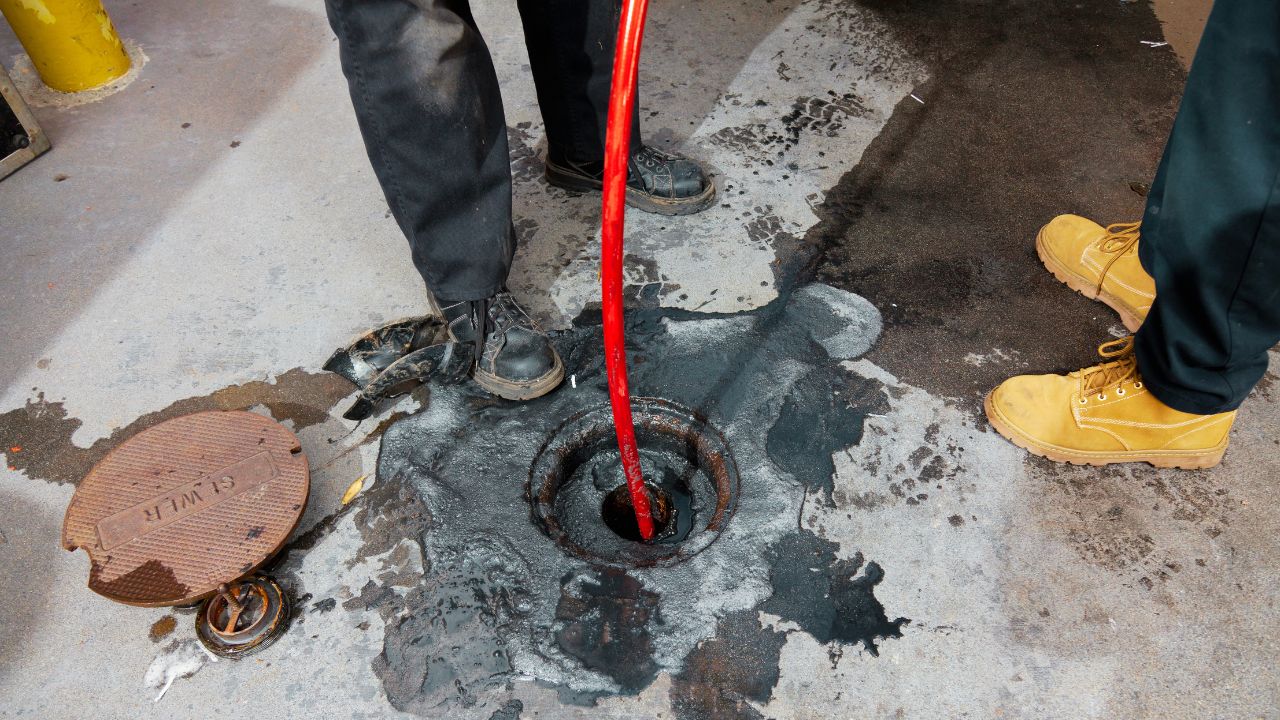
Main sewer line clog repair costs $187 to $569, with an average total of $376. Hydro jetting uses high-pressure water streams to remove stubborn blockages, biofilm, grease, and mineral deposits that standard snaking cannot eliminate effectively.
When Is Sewer Camera Inspection Recommended?
Sewer camera inspections can range from $200 to $1,300 depending on the complexity and length of pipe inspection. Licensed technicians insert a waterproof camera into the drain line to identify blockages, cracks, root intrusion, and pipe condition.
Camera inspection provides accurate diagnosis before repair work begins and helps homeowners understand exactly what repairs are necessary. This diagnostic service prevents unnecessary excavation and allows for targeted repair solutions that address the actual problem.
What Emergency Plumbing Services Address Backups and Odors?
Emergency plumbing can cost $100 to $500 per hour, depending on the time of day and service complexity. Emergency services become necessary when wastewater backs up into living spaces, creating health hazards and property damage risks.
Licensed plumbers respond to sewage backups, severe drain blockages, and sewer gas leaks that threaten household safety. Regular drain cleaning prevents many emergency situations by removing buildup before complete blockages develop.
Drain and Sewer Services With Typical Cost Ranges
Service
What It Addresses
Typical Cost Range
Drain cleaning and snaking
Localized clogs from hair, soap, grease, food waste
$147 to $352, averaging about $246
Hydro jetting
Grease, biofilm, scale, and root debris snaking cannot clear
Active backups, sewage overflow, and sewer gas leaks
$100 to $500 per hour
Standard service call
Diagnosis and routine repair work
$175 to $450; $193 to $600 in Los Angeles
What Safety Precautions Should Homeowners Take Around Sewer Odors and Backups?
Why Is Proper Ventilation Important During Odor Issues?
Ventilate the area if strong, persistent sewer odor is present by opening windows and using exhaust fans. Proper ventilation reduces gas concentration and helps protect household members from exposure to harmful compounds.
Indoor pollutants can cause sore eyes, burning in the nose and throat, headaches, or fatigue. Persistent sewer gas exposure warrants immediate professional assessment because prolonged contact can produce more severe respiratory and neurological symptoms.
How to Avoid Exposure to Harmful Sewer Gases at Home?
NIOSH IDLH (Immediately Dangerous to Life or Health) for hydrogen sulfide is 100 ppm. NIOSH recommended exposure limit for hydrogen sulfide is 10 ppm 10-minute ceiling, while OSHA general industry ceiling limit is 20 ppm.
OSHA peak limit for hydrogen sulfide is 50 ppm for short-duration workplace exposure. Homeowners cannot measure these concentrations without specialized equipment, so persistent rotten-egg odors warrant evacuation and professional assessment before occupying affected areas.
What Steps Should Be Taken If Wastewater Backflow Occurs?
Wastewater backs up into a tub, shower, floor drain, or toilet when main-line blockages prevent proper drainage. Stop using affected fixtures if backups appear because continued water use can spread contaminated wastewater throughout the home.
Do not keep using fixtures if wastewater is backing up into sinks, tubs, or floor drains. Contact a licensed plumber immediately and avoid direct contact with sewage because it contains bacteria and pathogens that pose serious health risks. A backflow prevention device adds a safeguard for homes that have already had one backup.
Manage Drain Odors and Gurgling Sounds to Protect Your Home
Drain odors and gurgling sounds serve as early warning signals that help homeowners prevent costly sewer backups and property damage. Recognizing the difference between localized issues and system-wide problems allows for appropriate response, whether that means refilling a dried P-trap or scheduling professional sewer line diagnosis.
Safe troubleshooting steps include refilling traps, cleaning visible debris, and observing symptom patterns across multiple fixtures. Persistent symptoms, multiple affected drains, sewage odors, or wastewater backups require immediate professional attention to protect household health and prevent structural damage.
Alpine Plumbing, Heating, and Air has served San Dimas, the wider San Gabriel Valley, the Inland Empire, and Lake Havasu City since 2017. Our licensed and insured technicians (CA License #1041244) use camera inspection and hydro jetting equipment to diagnose and resolve drain odor and gurgling issues before they escalate into emergencies, and we answer calls seven days a week.
Don't wait until a minor drain issue becomes a major backup. Request a free estimate from Alpine Plumbing, Heating, and Air, or call (626) 385-4001 to speak with a technician about our drain and sewer services. A quick inspection now protects your home from an expensive backup later.
Frequently Asked Questions
Q1. Why does my drain smell only some of the time?
A. Intermittent odors almost always trace back to a trap seal losing water. The P-trap holds water that blocks sewer gas, and in a rarely used drain that water evaporates over days or weeks. Run water in the drain for three to five minutes and note how long the smell stays away. If it returns within a day or two, a venting or sewer line problem is the likelier cause.
Q2. Will a gurgling drain fix itself over time?
A. A gurgling drain does not resolve on its own, because the sound comes from air pulled past a restriction. That restriction is either a partial clog or a blocked vent, and both worsen as debris collects. Gurgling often goes quiet for a while, which reads as the problem clearing when the blockage has simply shifted. Booking service while the drain still flows costs far less.
Q3. Is sewer gas in a house actually dangerous?
A. Sewer gas contains hydrogen sulfide, and exposure causes headaches, sore eyes, throat irritation, and fatigue well before it reaches dangerous levels. NIOSH sets an immediately dangerous level of 100 ppm and a recommended 10-minute ceiling of 10 ppm, while OSHA sets a general industry ceiling of 20 ppm. Homeowners cannot measure these levels without specialized equipment. Ventilate the room, keep people out of it, and call a licensed plumber.
Q4. How can I tell whether the problem is a vent or the sewer line?
A. The pattern across fixtures is the most useful clue. A venting problem usually produces gurgling and odor while water still drains at close to normal speed. A sewer line restriction produces gurgling plus slow drainage, water rising at the lowest fixture in the house, and often odor near the outdoor cleanout. Only a camera inspection separates the two with certainty.
Q5. How much does it cost to fix a gurgling drain in Southern California?
A. A standard service call runs $175 to $450 nationally and $193 to $600 across the Los Angeles region. Drain cleaning typically falls between $147 and $352, averaging around $246. If the gurgling traces to the main line, clog repair runs $187 to $569 and a camera inspection adds $200 to $1,300. Emergency response outside normal hours runs $100 to $500 per hour, which is the main reason to act early.
Welcome to Alpine Plumbing and Rooter, serving San Dimas and the surrounding areas as your reliable source for exceptional plumbing and drainage services. We also provide reliable licensed HVAC services.
After reviewing your information, we will contact you as soon as possible.
"*" indicates required fields
Alpine Plumbing, Heating, and Air
462 Borrego Ct Unit A, San Dimas, CA 91773
CA Plumbing/HVAC License: #1041244 AZ Plumbing License: ROC 362311
Welcome to Alpine Plumbing, Heating, and Air, serving San Dimas, San Bernardino, Lake Havasu, AZ, and the surrounding areas. We are your reliable source for exceptional plumbing, Heating, and Air Conditioning needs.