Sewer line problems often begin as minor inconveniences such as slow drains, gurgling sounds, and occasional odors. The signs your sewer line needs immediate attention look different from one stubborn fixture, because they show up in more than one place at the same time. The main sewer line carries wastewater from every fixture in your home, so symptoms affecting multiple drains deserve faster attention than a single clogged sink. Homeowners who call Alpine for main sewer line repair in San Dimas usually describe two or three rounds of plunging or snaking before the real cause surfaced.
Below, you will find which warning signs point to urgent sewer line concerns, why camera diagnosis comes before any repair quote, and how inspection findings decide whether cleaning, trenchless repair, or excavation is appropriate. Comparison tables set out symptom urgency, main line problems against isolated clogs, and repair methods with typical cost ranges. Recognizing early sewer line problems can reduce property damage, health risks, and the cost of waiting.
Key Takeaways
Multiple fixtures backing up or draining slowly signals a main sewer line problem rather than an isolated fixture clog
Camera inspection reveals roots, grease, cracks, and collapsed sections before repair decisions are made
Sewage backups and persistent odors require prompt attention due to property damage and health risks
Trenchless repair methods reduce excavation in suitable conditions but require inspection to confirm pipe eligibility
Recurring clogs after temporary clearing indicate the need for root-cause diagnosis instead of repeated short-term fixes
Signs Your Sewer Line Needs Immediate Attention Trace Back to the Main Line
The main sewer line carries wastewater away from every toilet, sink, shower, and appliance in your home. When this single pipe develops blockages, cracks, or structural problems, the entire household plumbing system can experience backups. One pipe carries the whole load, so a restriction in it produces symptoms that a fixture-level repair cannot resolve.
How the Sewer Line Serves Multiple Fixtures
Every drain connects to branch lines that feed into the main sewer line. A problem in the main line affects all fixtures downstream, while a single blocked drain typically signals a local issue. Branch lines from upstairs bathrooms, the kitchen, and the laundry all merge before the pipe leaves the building. That layout explains why a main line restriction often appears first at the lowest fixture in the house rather than the one closest to the blockage.
Differences Between Isolated Clogs and Main Sewer Line Issues
A localized clog affects one sink, tub, or toilet while nearby fixtures function normally. Main-line problems cause multiple fixtures to back up, create gurgling after toilet or shower use, produce repeated clogs after clearing, and may generate sewage odors inside or outside the home. Before booking a plumbing repair in San Dimas, run through the checks in the table below. The answers tell a plumber whether to bring a drain machine or a camera.
Indicator
Isolated fixture clog
Main sewer line problem
Fixtures affected
One sink, tub, or toilet
Two or more fixtures at the same time
Timing
Builds up slowly at one drain
Worsens after laundry, showers, or several flushes
Sounds
Usually quiet
Gurgling in tubs, toilets, or floor drains
Odors
Rare
Sewage smell indoors or near the outside cleanout
After clearing
Stays clear for months
Returns within days or weeks
Usual fix
Fixture-level drain cleaning
Camera inspection, then cleaning or repair
Signs Your Sewer Line Needs Immediate Attention Often Start Small
Early signs of clogged sewer lines include slow drainage across multiple fixtures and occasional unpleasant odors. Addressing these symptoms promptly can prevent sewage backups and more extensive damage. At this stage, the pipe is usually still sound, and cleaning costs a fraction of a repair.
Slow Drains and Occasional Odors: When to Watch Closely
Isolated slow drains or occasional odors may indicate local buildup that professional cleaning can resolve. When one fixture bubbles while another drains, trapped air may suggest partial blockage in the shared sewer line. Keep a short record of which fixtures slow down and when, because a pattern across two or three fixtures over a week is stronger evidence than one bad morning.
Multiple Drains Clogging or Backing Up Together
Multiple drains backing up simultaneously points directly to a main sewer line obstruction. Water failing to drain normally after large-volume use from laundry, showers, or toilets confirms the shared exit route is compromised.
Gurgling Sounds from Drains and Toilets Explained
Gurgling sounds from drains or toilets occur when air trapped behind a blockage escapes through fixtures. These noises often accompany partial obstructions that hydro-jetting service can remove before complete backups develop.
Symptoms That Demand Immediate Sewer Line Attention
Sewage backups, persistent odors, and visible yard damage require immediate professional attention. Delaying action increases property damage, health risks, and the likelihood of complete line failure. The reference table below groups the common symptoms by how quickly each one needs a licensed plumber.
Symptom
Likely cause
How soon to act
Slow drainage at one fixture
Local buildup in the branch line
Within a few weeks
Slow drainage at several fixtures
Partial restriction in the main line
Within a few days
Gurgling after flushing or showering
Air trapped behind a blockage
Within a few days
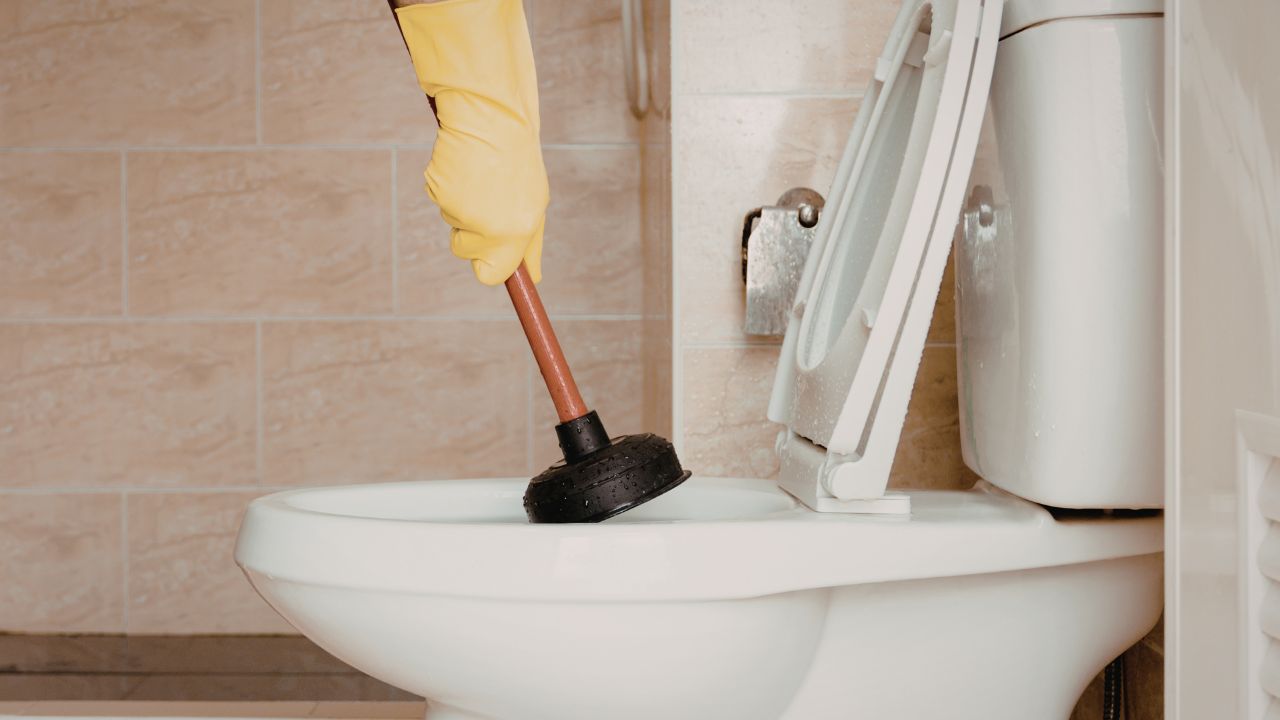
Repeat clogs after snaking
Roots, hardened scale, or a pipe defect
Book a camera inspection
Sewage backing up into tubs or floor drains
Main line blockage or collapse
Immediately
Sewage odor inside the home
Wastewater escaping a damaged pipe
Immediately
Soggy or sunken ground over the line
Underground leak into the soil
Within days
Sewage or Wastewater Backups in Fixtures and Floors
Wastewater or sewage backing up into tubs, showers, toilets, or floor drains creates urgent sanitation concerns. Lowest-level fixtures typically show signs first because gravity forces wastewater downward when the main line cannot drain properly.
Persistent Sewer Odors Inside and Outside the Home
Sewage odors inside or outside your home indicate wastewater escaping from damaged or deteriorating pipes. Persistent smells should not be normalized, as they signal active leaks that can worsen without sewer line leak detection and repair.
Yard Changes: Soggy Spots, Sunken Areas, and Lush Patches
Soggy or sunken yard areas over the sewer line path suggest underground leaks releasing wastewater into surrounding soil. Unusually lush patches near the sewer line may indicate nutrient-rich sewage feeding vegetation. Mark the wet area and keep traffic off it, because saturated soil around a failing pipe gives way under weight and can turn a repair into an excavation.
Professional Sewer Line Diagnosis Relies on Camera Inspection
Professional sewer line inspection combines customer history, access-point evaluation, and camera technology to locate problems accurately. Diagnosis determines whether cleaning, targeted repair, or replacement is appropriate.
Customer History and Visual Symptom Intake
Plumbers begin by documenting which fixtures are affected, symptom frequency, timing, recent plumbing work, tree locations, and prior backups. This information narrows potential causes before physical inspection begins.
The Role of Sewer Cleanouts in Access and Inspection
Sewer cleanouts allow plumbers to insert cameras, clearing tools, and diagnostic equipment without damaging walls or landscaping. One-way cleanouts provide basic access while two-way cleanouts allow bidirectional diagnostic work, with installation averaging $650 to $2,500 depending on depth and access type.
CCTV Camera Inspection: What It Reveals Underground
CCTV inspection evaluates sewer pipe condition from structural, maintenance, and physical perspectives. Camera technology locates roots, grease, debris, defects, laterals, and obstructions, typically starting from inside or very close to the building and proceeding through the lateral toward the sewer main. The footage also records depth and distance readings, so a plumber can mark the problem area on the ground before quoting any work. Ask for a copy of the recording, since it gives you a baseline to compare against at the next inspection.
Sewer Line Repair Methods Depend on Inspection Findings
Repair methods depend on camera inspection findings that reveal the location and cause of the problem. Choosing the appropriate solution requires understanding what each method can and cannot fix.
Cleaning and Hydro-Jetting for Removable Blockages
Clearing through snaking or augering works for removable soft blockages, grease, or debris when pipe structure remains sound. Hydro-jetting uses high-pressure water up to 3,500 psi to remove grease, scale, and root masses, costing $250 to $800 for most applications. Older cast iron lines with heavy mineral buildup may need pipe descaling first, which restores the pipe to its original diameter instead of cutting a narrow channel through the deposits.
Trenchless Repair Options: Pipe Lining and Pipe Bursting
Trenchless repair reduces excavation but requires sewer line inspection first to confirm pipe eligibility. CIPP lining creates a new inner pipe within the existing structure at $90 to $250 per linear foot, while pipe bursting replaces pipe through the existing path at $60 to $200 per linear foot.
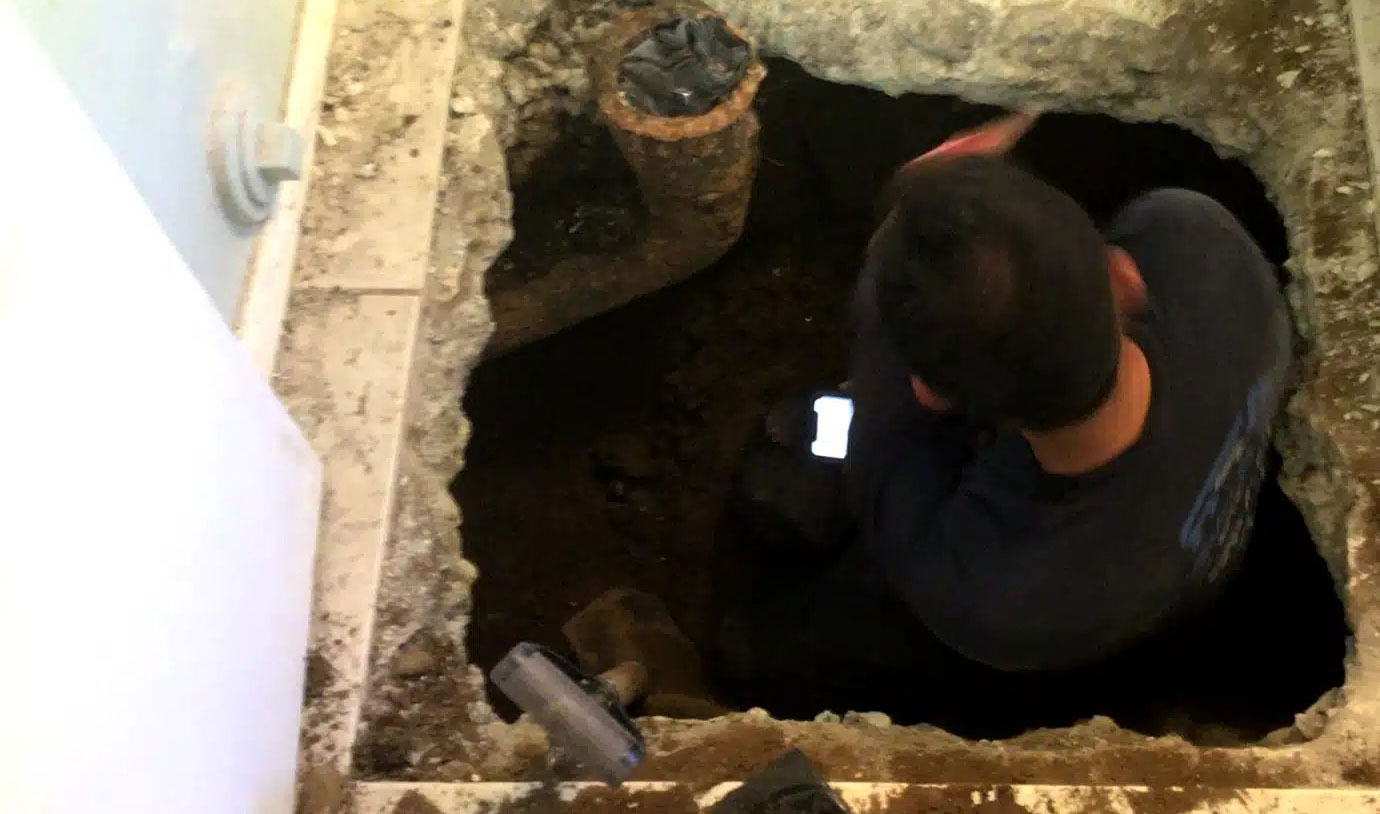
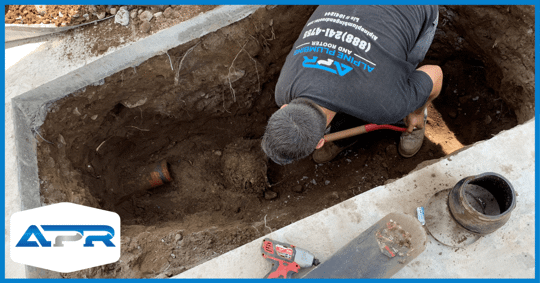
When Excavation and Full Replacement Become Necessary
Excavation and replacement address collapse, severe offset, inaccessible sections, slope problems, or conditions that trenchless methods cannot solve. Sewer line replacement costs $50 to $250 per linear foot on average, with typical 40-foot projects ranging from $2,000 to $10,000. The table below compares the methods side by side so you can check a quote against what the camera actually found.
Method
What it addresses
Typical cost
Excavation
Snaking or augering
Soft blockages and debris in sound pipe
Varies with access
None
Hydro-jetting
Grease, scale, and root masses at up to 3,500 psi
$250 to $800
None
CIPP pipe lining
Cracks and root intrusion in pipe that holds its shape
$90 to $250 per linear foot
Access pits only
Pipe bursting
Failed pipe replaced along its existing path
$60 to $200 per linear foot
Access pits only
Open-cut replacement
Collapse, severe offset, and slope problems
$50 to $250 per linear foot
Full trench
Two-way cleanout install
Future access for inspection and clearing
$650 to $2,500
Localized
Homeowner Steps That Protect Property and Health
Immediate action during suspected sewer backups reduces property damage and health risks. Understanding when to replace sewer line systems versus pursuing targeted repairs prevents unnecessary expense.
Immediate Steps When You Suspect a Sewer Backup
Stop running water immediately if sewage is backing up into fixtures or floors to prevent additional overflow. Keep children and pets away from exposed wastewater because sewage backups create property damage and serious sanitation concerns. Photograph the affected rooms before cleanup, since an insurance claim and a plumber both benefit from a record of how far the water spread.
Avoiding Common DIY Mistakes and Chemical Treatments
Chemical drain treatments fail on 70% of solid obstructions and cannot address structural pipe problems. Repeated clearing without root-cause diagnosis wastes money and delays necessary tree root intrusion repairs.
Prevention Between Service Visits
Routine care keeps small restrictions from turning into backups. Keep grease, wipes, and coffee grounds out of the drains, run hot water after washing up, and have the line camera inspected every two to three years if mature trees sit near the sewer path. Scheduled plumbing maintenance also catches slope and joint problems while they are still cheap to correct, and homes with a history of root intrusion benefit from trenchless sewer repair planning before the pipe fails outright.
When and How to Contact a Licensed Sewer Line Professional
Schedule professional diagnosis when experiencing recurring clogs, repeated snaking needs, multiple slow drains, or frequent warning signs of a main sewer drain clog. Licensed plumbers use camera inspection to determine whether trenchless versus traditional repair methods match your specific pipe condition. Alpine's licensed technicians work across San Dimas, the wider San Gabriel Valley, and Lake Havasu City, and the same camera-first process applies in every market.
Choose Alpine Plumbing, Heating, and Air for Your Sewer Line Diagnosis and Repair
Alpine Plumbing, Heating, and Air has diagnosed and repaired sewer lines since 2017. The team has served 999+ clients across San Dimas and surrounding communities and earned 500+ online reviews by giving clear explanations and honest assessments during stressful plumbing emergencies. Every technician on the truck is licensed and insured.
Preventative sewer cleaning before problems escalate helps homeowners avoid urgent backups during inconvenient times. Licensed technicians use camera inspections to show exactly what is happening underground, then explain repair options without pressure tactics.
Recognizing signs your sewer line needs immediate attention protects your home from extensive damage and health hazards. Camera diagnosis reveals the root cause, guiding decisions between cleaning, trenchless repair, or excavation based on actual pipe condition rather than guesswork.
Alpine's licensed plumbers provide transparent assessments and professional toilet and sewer line problem solutions backed by California Plumbing and HVAC License #1041244. When multiple drains show warning signs or sewage odors persist, prompt diagnosis prevents minor issues from becoming major emergencies.
If you are seeing any of the symptoms described in this guide, call Alpine at (626) 385-4001 or request a free estimate for main sewer line repair and camera inspection. A licensed technician will show you what the camera finds and explain the repair options before any work is quoted, so you can protect your property and restore normal drainage.
Frequently Asked Questions About Sewer Line Warning Signs
How do I know if the problem is my sewer line and not just one drain?
Count the fixtures. A single slow sink or toilet while everything else drains normally points to a local clog in that branch line. Two or more fixtures backing up, gurgling after a shower, or clogs that return within days of clearing point to the main sewer line. A camera inspection settles it, because the footage shows whether the restriction sits in one branch or in the shared line under the house.
What does a sewer camera inspection show that snaking cannot?
Snaking tells a plumber that something was in the way. A camera tells them what it was and where. The footage identifies tree roots, grease, hardened scale, cracks, offset joints, bellied sections, and collapsed pipe, along with the depth and distance from the access point. That detail decides whether cleaning is enough or whether lining, bursting, or replacement is the correct repair. Pricing depends on access and pipe depth, so ask for the inspection quote when you book.
Is a sewage backup a health hazard?
Yes. Raw wastewater carries bacteria and viruses, and contact with skin, food surfaces, or bedding creates a real sanitation risk. Stop running water, keep children and pets out of the affected room, and open windows to vent the space. Wear gloves and boots if you must enter, and leave porous materials such as carpet and drywall for professional assessment. Call a licensed plumber the same day, because the backup continues until the blockage clears.
Can tree roots be removed without replacing the sewer line?
Often, yes. Hydro-jetting cuts root masses out of the pipe at pressures up to 3,500 psi and restores flow when the pipe walls are still sound. Roots enter through cracks and loose joints, though, so clearing them without sealing the entry point means they grow back within a year or two. CIPP lining creates a new inner pipe that closes those openings. A camera inspection shows how much of the pipe wall survives, which decides between cleaning, lining, and replacement.
How often should a sewer line be inspected?
Every two to three years suits most homes, and annually where mature trees grow near the sewer path or the pipe is cast iron or clay. Book an inspection sooner if clogs return after clearing, if drains gurgle, or before you buy a property with an older line. A two-way cleanout makes each inspection faster and cheaper, which is why installation costs of $650 to $2,500 often pay for themselves over the life of the pipe.
Welcome to Alpine Plumbing and Rooter, serving San Dimas and the surrounding areas as your reliable source for exceptional plumbing and drainage services. We also provide reliable licensed HVAC services.
After reviewing your information, we will contact you as soon as possible.
"*" indicates required fields
Alpine Plumbing, Heating, and Air
462 Borrego Ct Unit A, San Dimas, CA 91773
CA Plumbing/HVAC License: #1041244 AZ Plumbing License: ROC 362311
Welcome to Alpine Plumbing, Heating, and Air, serving San Dimas, San Bernardino, Lake Havasu, AZ, and the surrounding areas. We are your reliable source for exceptional plumbing, Heating, and Air Conditioning needs.