Key Takeaways
- Regular septic tank pumping every 3 to 5 years is essential to maintaining system health and preventing costly backups.
- Proper waste disposal, including avoiding non-biodegradable items, helps protect the septic tank from clogs and overloading.
- Professional inspections every 1 to 2 years catch early signs of failure, reducing the risk of expensive repairs and system replacements.
- Overloading a septic system, whether through excessive water usage or improper waste disposal, leads to backups and costly damage.
- Identifying early warning signs like slow drains, foul odors, or unusually green grass over the drain field can help prevent major septic system failures.
A failing septic system doesn't announce itself until the damage is done. Raw sewage in your yard, backed-up drains, and repair bills north of $15,000 are all preventable outcomes. The difference between a system that lasts 30 years and one that fails in 10 comes down to consistent septic tank maintenance. This guide covers how septic systems work, what a proper tank cleaning schedule looks like, and the routine steps that prevent septic backups before they start. Whether you're a new homeowner or overdue for service, this is the information you need to protect your home drainage health and your wallet.
What Is a Septic Tank and How Does It Work?
Every home that sits beyond the reach of a municipal sewer line depends on its own private wastewater treatment system. Understanding what happens underground is the first step toward keeping that system functional. Here's how the components work together.
What Is the Purpose of a Septic Tank in a Household?
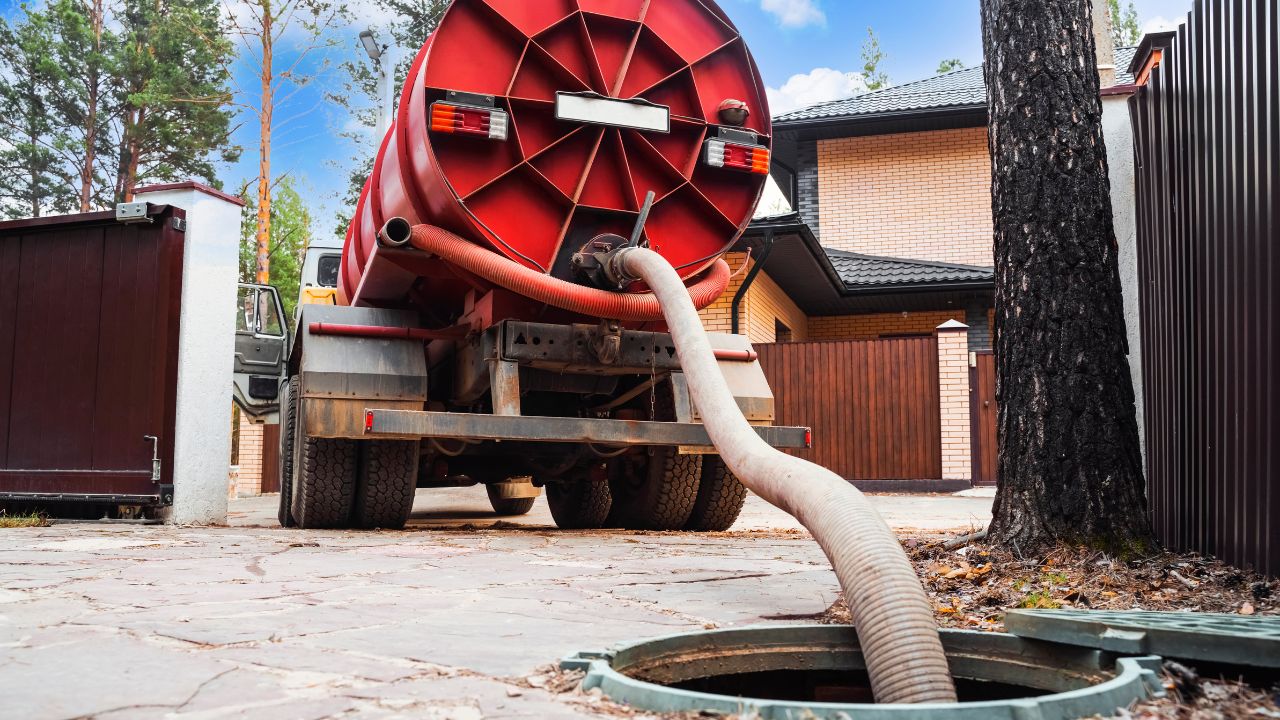
A septic tank is a buried, watertight container — typically made of concrete, fiberglass, or polyethylene — that serves as the first stage of on-site wastewater treatment. Its job is separation. Heavier solids settle to the bottom and form a sludge layer. Lighter materials like oils and grease float to the top as scum. Clarified liquid, called effluent, sits in the middle. Internal compartments and a T-shaped outlet keep sludge and scum from escaping into the drain field prematurely.
This separation is critical to home drainage health. Without it, solids would flow directly into the drain field and clog the soil. Conventional septic systems are highly effective at removing pathogens, though less efficient with nutrients — only about 30% of nitrogen is typically removed. That physical separation process inside the tank is what makes every downstream step possible. Regular septic tank maintenance keeps those layers in balance and the outlet clear.
How Does a Septic System Process Wastewater?
All household wastewater — from toilets, sinks, showers, and appliances — flows through a main drainage pipe into the septic tank. Inside the tank, anaerobic bacteria break down organic matter and reduce the volume of solids. Modern tanks often use two chambers: the first traps most solids, while the second allows further settling before effluent exits.
From there, the clarified effluent moves into the drain field, also called a soil absorption field. This is a network of perforated pipes buried in unsaturated soil. Distribution boxes split the flow evenly across multiple trenches. As effluent trickles through the soil, natural filtration removes harmful pathogens, viruses, and nutrients like nitrogen and phosphorus. A beneficial bacterial film called a biomat forms along the trench walls to assist treatment. For properties with marginal soil or high water tables, alternative systems — such as at-grade, sand mound, or drip dispersal designs — provide additional treatment before soil absorption occurs. The entire cycle depends on each component doing its part, which is why a consistent tank cleaning schedule and routine inspections are essential to prevent septic backups down the line.
Why Is Regular Septic Tank Maintenance Important?
Septic systems are out of sight, and for most homeowners, out of mind. That's exactly how small problems become five-figure emergencies. The gap between a well-maintained system and a neglected one isn't just performance — it's thousands of dollars and years of service life.
How Does Proper Maintenance Extend the Life of Your Septic System?
A properly maintained septic tank can last up to 30 years. The key is consistency. Routine septic tank maintenance — pumping every 3–5 years and professional inspections every 1–2 years — typically costs between $300 and $500 annually. That modest investment prevents minor issues from escalating into system-wide failures. It also protects home drainage health by keeping solids contained, effluent flowing, and the drain field functional.
For systems approaching the 25- to 30-year mark, planning for an upgrade avoids the cost and chaos of an emergency replacement. Preventive care doesn't just extend equipment life. It reduces odors, protects public health, and gives homeowners confidence that their system is working as designed.
What Are the Consequences of Neglecting Septic Tank Maintenance?
Skipping maintenance is expensive. Neglected systems routinely generate repair bills between $7,000 and $15,000 for problems like clogged drains, failed pumps, or drain field replacement. A full system replacement can climb from a few thousand into the tens of thousands, depending on size, materials, and site conditions. Compare that to $300–$500 a year for upkeep, and the math is clear.
The costs aren't only financial. A failing system releases untreated sewage into groundwater, surface water, and surrounding soil — contaminating drinking water sources and nearby ecosystems with pathogens. Warning signs of a neglected system include gurgling drains, foul odors near the tank or yard, standing water over the drain field, unusually lush grass in dry weather, and sewage backing up into the home. By the time these symptoms appear, significant damage is already underway. A consistent tank cleaning schedule is the simplest way to prevent septic backups and avoid these outcomes entirely.
What Routine Steps Can Homeowners Take to Keep Their Septic System Running Smoothly and Avoid Expensive Repairs?
Most septic failures are preventable. The routine that protects your system isn't complicated — it's a combination of scheduled pumping, smart water use, careful waste disposal, and regular professional inspections. Here's what that looks like in practice.
How Often Should Homeowners Schedule Septic Tank Pumping?
Most household septic tanks should be pumped every three to five years. The exact frequency depends on four factors: household size, total wastewater generated, volume of solids in the wastewater, and the tank's capacity. To illustrate the range, a 1,000-gallon tank serving one person may only need pumping every 12 years. That same tank in a household of 10 would need it annually. Sludge builds fastest in the first year — roughly 250 liters per person — then drops below 150 liters per person per year after two years. Measured solids accumulation typically ranges from 1 to 10 kg per person per year.
A good tank cleaning schedule uses threshold-based triggers, not just calendar dates. Pumping is recommended when the scum layer sits within 6 inches of the outlet, the sludge layer reaches within 12 inches of the outlet, or sludge and scum together exceed 25% of the tank's liquid depth. Alternative systems with float switches, pumps, or mechanical components need more frequent service. Building these checkpoints into your routine is one of the most reliable ways to prevent septic backups.
What Are the Best Practices for Waste Disposal to Protect Your Septic System?
What goes down your drains directly determines how long your system lasts. The EPA is clear: only human waste and toilet paper should be flushed. Everything else — cooking grease, non-flushable wipes (even those labeled "flushable"), feminine hygiene products, dental floss, diapers, cigarette butts, coffee grounds, cat litter, paper towels, and pharmaceuticals — belongs in the trash. Harsh chemicals like paints, solvents, automotive fluids, pesticides, and strong cleaners kill the anaerobic bacteria your tank depends on for waste breakdown. If a drain clogs, use boiling water or a drain snake instead of chemical openers.
Water volume matters just as much as what you flush. High-efficiency toilets use 1.6 gallons or less per flush compared to 3.5–5 gallons in older models. Faucet aerators and efficient showerheads further reduce the load. Spread laundry across the week rather than running multiple loads in a single day, and use ENERGY STAR-certified washers with proper load size settings. Fix leaky faucets and toilets promptly — they can waste hundreds of gallons per day. Limit or eliminate garbage disposal use. Food waste introduces fats, solids, and grease that accelerate biomat thickening in the drain field and compromise soil absorption. Compost or trash food scraps instead of sending them through the system.
Why Are Regular Inspections Critical for Your Septic Tank?
Professional inspections catch problems before they become emergencies. For conventional systems, schedule an inspection at least every three years. Alternative systems with electrical or mechanical components need annual checkups. Spring and early fall are the ideal windows — early enough to catch winter damage, late enough to prepare for freeze conditions.
Seasonal awareness strengthens your septic tank maintenance routine year-round. In spring, check for soggy ground and divert surface runoff away from the drain field. Summer calls for monitoring water usage and watching for odors. Fall is the time to inspect before freezing temperatures arrive and insulate vulnerable components. Winter maintenance focuses on preventing soil compaction over the system and keeping warm water flowing to avoid frozen pipes. Climate plays a role too: cold regions need insulation, wet areas require attention to drain field saturation, dry climates benefit from water conservation, and hot climates can accelerate biological activity in the tank. Matching your inspection schedule to your environment keeps your home drainage health on track through every season.
What Routine Steps Can Homeowners Take to Keep Their Septic System Running Smoothly and Avoid Expensive Repairs?
Most septic failures are preventable. The routine that protects your system isn't complicated — it's a combination of scheduled pumping, smart water use, careful waste disposal, and regular professional inspections. Here's what that looks like in practice.
How Often Should Homeowners Schedule Septic Tank Pumping?
Most household septic tanks should be pumped every three to five years. The exact frequency depends on four factors: household size, total wastewater generated, volume of solids in the wastewater, and the tank's capacity. To illustrate the range, a 1,000-gallon tank serving one person may only need pumping every 12 years. That same tank in a household of 10 would need it annually. Sludge builds fastest in the first year — roughly 250 liters per person — then drops below 150 liters per person per year after two years. Measured solids accumulation typically ranges from 1 to 10 kg per person per year.
A good tank cleaning schedule uses threshold-based triggers, not just calendar dates. Pumping is recommended when the scum layer sits within 6 inches of the outlet, the sludge layer reaches within 12 inches of the outlet, or sludge and scum together exceed 25% of the tank's liquid depth. Alternative systems with float switches, pumps, or mechanical components need more frequent service. Building these checkpoints into your routine is one of the most reliable ways to prevent septic backups.
What Are the Best Practices for Waste Disposal to Protect Your Septic System?
What goes down your drains directly determines how long your system lasts. The EPA is clear: only human waste and toilet paper should be flushed. Everything else — cooking grease, non-flushable wipes (even those labeled "flushable"), feminine hygiene products, dental floss, diapers, cigarette butts, coffee grounds, cat litter, paper towels, and pharmaceuticals — belongs in the trash. Harsh chemicals like paints, solvents, automotive fluids, pesticides, and strong cleaners kill the anaerobic bacteria your tank depends on for waste breakdown. If a drain clogs, use boiling water or a drain snake instead of chemical openers.
Water volume matters just as much as what you flush. High-efficiency toilets use 1.6 gallons or less per flush compared to 3.5–5 gallons in older models. Faucet aerators and efficient showerheads further reduce the load. Spread laundry across the week rather than running multiple loads in a single day, and use ENERGY STAR-certified washers with proper load size settings. Fix leaky faucets and toilets promptly — they can waste hundreds of gallons per day. Limit or eliminate garbage disposal use. Food waste introduces fats, solids, and grease that accelerate biomat thickening in the drain field and compromise soil absorption. Compost or trash food scraps instead of sending them through the system.
Why Are Regular Inspections Critical for Your Septic Tank?
Professional inspections catch problems before they become emergencies. For conventional systems, schedule an inspection at least every three years. Alternative systems with electrical or mechanical components need annual checkups. Spring and early fall are the ideal windows — early enough to catch winter damage, late enough to prepare for freeze conditions.
Seasonal awareness strengthens your septic tank maintenance routine year-round. In spring, check for soggy ground and divert surface runoff away from the drain field. Summer calls for monitoring water usage and watching for odors. Fall is the time to inspect before freezing temperatures arrive and insulate vulnerable components. Winter maintenance focuses on preventing soil compaction over the system and keeping warm water flowing to avoid frozen pipes. Climate plays a role too: cold regions need insulation, wet areas require attention to drain field saturation, dry climates benefit from water conservation, and hot climates can accelerate biological activity in the tank. Matching your inspection schedule to your environment keeps your home drainage health on track through every season.
What Are Common Causes of Septic System Failures?
Septic systems fail for predictable reasons. Most come down to something growing where it shouldn't, too much water entering the system, or physical damage to components that were never designed to handle the load. Knowing the causes makes them easier to avoid.
What Impact Do Tree Roots Have on Septic Systems?
Tree roots are one of the most common and destructive threats to a septic system. Roots naturally seek out moisture and nutrients — exactly what septic drain lines, distribution boxes, and tanks provide. Once they find a seam or joint, they infiltrate and expand. The result is clogged pipes, structural damage, and shifted components that disrupt flow throughout the system. Root plugging is so prevalent that it appears as a standard diagnostic step in industry troubleshooting flowcharts.
Prevention is straightforward: plant trees at appropriate distances from the drain field and tank. Never plant trees or vegetable gardens directly on or near the drain field. Deep-rooted species like willows and maples are especially aggressive. Choosing shallow-rooted ground cover over the soil absorption area protects the pipes below while keeping the surface stable. Addressing root risk early is far cheaper than repairing the damage after infiltration has already compromised the system.
How Can Overloading Your Septic Tank Lead to Failures?
Septic systems are engineered for a specific flow rate — typically 120 gallons per bedroom per day. Exceed that capacity, and the system can't process wastewater fast enough. The result is hydraulic overloading: sewage backs up into the home or surfaces in the yard. Non-biodegradable items like sanitary products, cigarette butts, dental floss, and plastics compound the problem by creating physical blockages that restrict flow even further.
External factors cause overloading, too. Driving or building over the drain field compacts the soil, crushes pipes, and shifts system components — reducing the ground's ability to absorb effluent. Connecting sump pumps to the septic system floods it with clean water that doesn't need treatment, stealing capacity from actual wastewater. Even tank sizing plays a role in long-term septic tank maintenance. A tank that's too small gets overloaded frequently and needs constant pumping. One that's too large doesn't concentrate waste and bacteria efficiently, slowing digestion. Matching system capacity to actual household demand is essential to prevent septic backups and keep the entire system in balance.
How Can Homeowners Identify Early Signs of Septic Tank Issues?
Septic problems rarely appear overnight. The system sends signals well before a full failure occurs. Recognizing those signals early — and knowing what they mean — can save thousands in repairs and protect your property from sewage contamination.
What Are the Early Warning Signs of Septic Tank Problems?
Several visible and environmental indicators point to a struggling septic system. Sewage backing up into the home through toilets, drains, or sinks is the most obvious and urgent. Strong odors resembling rotten eggs around the tank, drain field, or inside the house signal that waste isn't being processed properly. Outside, look for standing water or damp, mushy spots near the tank or drain field — especially when there's been no recent rainfall.
The yard itself can reveal problems. Unusually bright green, spongy, or lush grass over the septic area during dry weather means effluent is surfacing and fertilizing the soil above the system. Beyond the property line, sudden algal blooms in nearby ponds or lakes may indicate nutrient runoff from a failing drain field. If your home uses a well, abnormal levels of coliform bacteria or nitrates in the water are a direct sign of groundwater contamination from untreated sewage. Any of these symptoms warrants immediate professional evaluation to prevent septic backups from escalating into a full system failure.
How Can Slow Drains Indicate Potential Septic Issues?
Slow-draining fixtures are one of the earliest and most overlooked indicators of septic trouble. When bathtubs, showers, or sinks take longer than usual to empty, the issue often isn't a simple clog at the fixture — it's downstream. Gurgling or bubbling sounds in the plumbing system frequently accompany slow drains and reinforce the diagnosis. Pay special attention to the lowest fixtures in the home. These are the first to show symptoms when the system is under stress because they sit closest to the main drain line.
The underlying causes vary. Slow drainage may point to clogged pipes between the house and tank, blocked inlet or outlet baffles, a plugged baffle filter, or a failing drain field where soil absorption has deteriorated. During a professional inspection, liquid levels inside the tank tell the story: a level below the outlet pipe base suggests a tank leak, while a level above it indicates a blockage. Either condition demands attention. Treating slow drains as a plumbing inconvenience rather than a septic tank maintenance warning is how small problems become major failures.
Protect Your Home — Schedule Your Septic Service With Alpine Today
A well-maintained septic system protects your property, your health, and your budget. The difference between a system that lasts decades and one that fails early comes down to consistent care — routine pumping, smart water use, proper waste disposal, and professional inspections. Don't wait for sewage backups or foul odors to take action.
At Alpine Plumbing Heating and Air, we specialize in septic tank maintenance, inspections, pumping, and repairs. Whether you're overdue for service or noticing early warning signs, we're here to help. Contact us today to schedule an appointment and keep your septic system running the way it should.