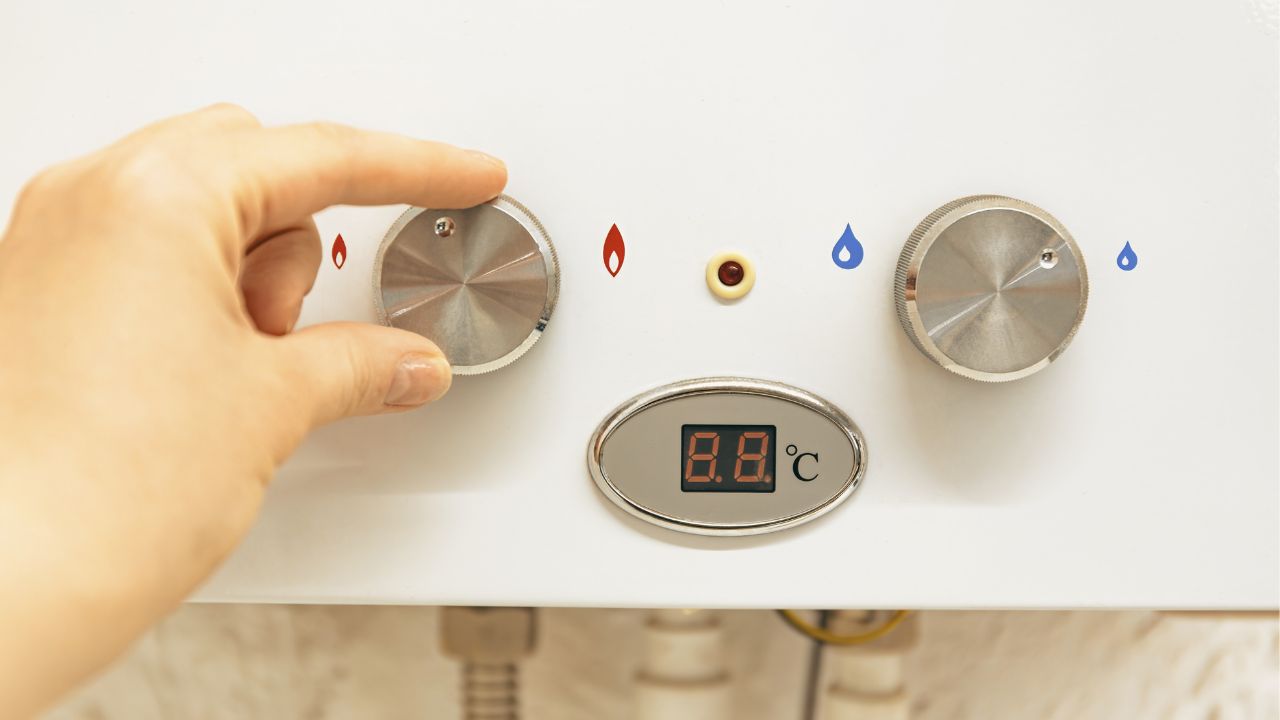
Most homeowners ignore water heaters until cold showers, strange noises, or emergency replacement costs force attention. Simple water heater mistakes silently accelerate wear, waste energy, and turn routine repairs into premature system failure.
Understanding which operating conditions and maintenance lapses shorten water heater lifespan helps homeowners avoid both emergency costs and performance problems. Preventive action addresses sediment buildup, incorrect sizing, temperature mismanagement, and installation errors before they cause irreversible damage. Below, you will find the maintenance lapses that do the most damage, the operating and installation errors that cut service life short, the warning signs that call for professional water heater repair, and the point where replacement beats another repair.
Key Takeaways
Tank water heaters last 8 to 12 years, while tankless models typically last 15 to 20 years with proper maintenance
Annual flushing removes sediment that insulates the tank bottom and stresses heating components
Repair costs exceeding 50% of replacement price signal replacement is more economical than continued repairs
Incorrect temperature settings above 120°F increase burn risk and may accelerate component wear
Strange noises, leaks, rusty water, and temperature fluctuations require immediate professional assessment
Water Heater Mistakes That Affect Longevity
Water heater longevity depends on manufacturing quality, installation accuracy, operating conditions, and maintenance consistency. Sediment accumulation, anode rod depletion, and pressure stress directly influence how long components perform reliably.
Understanding these factors helps homeowners identify which mistakes reduce lifespan. Consistent maintenance addresses the same conditions that cause premature failure.
Key Components Affecting Lifespan
Sediment buildup settles on the tank bottom and insulates heating elements from water. This insulation forces components to work harder and increases energy consumption while stressing the tank structure.
Depleted anode rods expose bare metal to corrosion and can shorten tank life by several years. Excessive pressure stresses valves, tank walls, and connection points until leaks develop.
Differences Between Tank, Tankless, and Heat Pump Units
Tankless units last 15 to 20 years, nearly double the 8 to 12 years typical for traditional tank heaters. Heat pump water heaters require interior spaces that remain between 40°F and 90°F year-round.
Heat pump models also need about 1,000 cubic feet of air space around the heater. Cramped garages or closets may not provide adequate clearance without professional assessment. Comparing traditional and tankless water heaters helps homeowners match the technology to the space and demand of the house.
Typical Service Life and Cost Considerations
Conventional tank service life commonly ranges from 8 to 12 years with proper maintenance. Water heaters can last 10 to 15 years when homeowners schedule annual inspections and address component wear.
Standard tank systems range from $775 to $3,275 installed in San Dimas. Tankless water heater installations cost $1,850 to $5,100, while heat pump models run $3,600 to $6,500. Knowing when to replace a water heater helps homeowners budget instead of paying emergency rates.
System type
Typical service life
Installed cost in San Dimas
Main maintenance driver
Conventional tank
8 to 12 years
$775 to $3,275
Annual flush, anode rod checks
Tankless
15 to 20 years
$1,850 to $5,100
Descaling where water is hard
Heat pump
Varies by model and install space
$3,600 to $6,500
Space at 40°F to 90°F, about 1,000 cubic feet of air
Water Heater Mistakes From Neglected Maintenance
Neglected maintenance allows sediment, corrosion, and pressure problems to accumulate until minor issues become system failures. Visible performance decline signals that internal damage has already progressed beyond simple correction.
Annual professional inspections can extend water heater lifespan by several years through early component replacement. Timely service targets the same factors that cause premature breakdown.
Effects of Sediment Buildup and Tank Flushing
Sediment buildup collects at the tank bottom as minerals precipitate from heated water. Rumbling, popping, or banging sounds signal sediment layers insulating heating elements and stressing tank walls.
Annual flushing removes sediment before it hardens into permanent deposits. Professional plumbing services can flush the tank, but persistent sounds after flushing may indicate irreversible damage.
Importance of Anode Rod and Pressure Relief Valve Checks
Maintenance routines must include checking the protective anode rod that sacrifices itself to prevent tank corrosion. Routine checks also include testing the pressure relief valve to ensure proper pressure discharge.
Annual inspections identify sediment accumulation, corrosion, scale buildup, and pressure irregularities before total failure occurs. Gas connections, venting systems, temperature-and-pressure valves, leaks, corrosion patterns, and replacement timing all require professional assessment.
Visible performance decline is a lagging indicator of internal damage. Component replacement during scheduled inspections costs less than emergency repairs after system failure.
Maintenance task
Frequency
Who handles it
Cost of skipping it
Tank flush to clear sediment
Annually
Homeowner or technician
Sediment hardens and elements overwork
Anode rod inspection
Annually, replace as needed
Licensed technician
Bare metal corrodes, tank life drops
Pressure relief valve test
Annually
Licensed technician
Pressure stresses valves and tank walls
Air filter cleaning on gas tank units
Annually
Homeowner
Combustion and performance decline
Full inspection of gas, venting, and connections
Annually
Licensed technician
Corrosion and scale reach total failure
Operating Conditions That Accelerate Water Heater Wear
Operating conditions directly influence component stress and energy waste that shorten water heater lifespan. Temperature settings, household demand, water quality, and installation environment all affect how long systems perform reliably.
Correcting operating errors prevents premature wear without requiring new equipment. Simple adjustments often extend service life and reduce utility costs.
Consequences of Incorrect Temperature Settings
Water above 120°F can cause hot-water injuries during normal household use. Water at 140°F can cause a serious burn in about a second of skin contact.
Overheating increases safety risk and may accelerate component wear through thermal stress. Setting water temperature correctly balances safety, performance, and longevity.
Thermostat setting
Safety effect
Effect on the system
120°F
Standard household setting that limits scald risk
Less thermal stress and standby heat loss
130°F to 135°F
Raised risk of hot water injury during normal use
More standby energy use, faster deposits
140°F and above
Serious burn possible in about one second of skin contact
Thermal stress may accelerate wear
Impacts of Sizing Errors and Household Demand
Oversized units waste energy heating water that households never use. Oversizing increases both purchase costs and ongoing operating expenses without improving comfort.
Undersized systems fail to satisfy overlapping fixture demand without temperature drops during peak use. Choosing the right water heater size prevents both comfort problems and cost inefficiency.
Influence of Water Quality and Installation Environment
Scale formation and hard water deposits shorten tankless unit life when maintenance lapses occur. Heat pump water heaters should be installed in interior spaces between 40°F and 90°F to maintain efficiency.
Garages, closets, or cramped areas may prove unsuitable for some heat pump installations without professional evaluation. Selecting appropriate water heaters for California homes requires matching technology to household conditions.
Warning Signs of Water Heater Problems
Warning signs signal that internal damage has progressed beyond routine maintenance correction. Ignoring these indicators allows minor component wear to escalate into emergency replacement situations.
Early professional assessment prevents water damage, system failure, and safety hazards. Waiting for complete breakdown increases repair costs and replacement urgency.
Identifying Leaks, Rust, and Strange Noises
Strange noises, leaks, and rusty water all indicate advancing system deterioration. Leaks around the base may involve faulty pressure relief valves or loose connection points.
Recognizing Temperature Fluctuations and Pressure Issues
Inconsistent water temperature signals heating element failure or sediment interference with heat transfer. Reduced flow and pressure indicate valve problems or mineral accumulation restricting water movement.
These symptoms often worsen gradually until sudden complete failure occurs. Addressing common heater errors early prevents emergency situations and water damage.
Gas connections, electrical systems, pressure relief valves, venting paths, and suspected leaks all demand professional inspection. DIY diagnosis of these systems creates safety risks that outweigh potential cost savings.
Warning sign
Likely cause
What to do
Rumbling, popping, or banging
Sediment layer insulating the heating elements
Book a flush; noise that continues points to damage
Water pooling at the base
Faulty pressure relief valve, loose connection, or tank crack
Shut off the supply and book an assessment
Rusty or discolored hot water
Depleted anode rod and internal corrosion
Check the anode rod, plan replacement on older tanks
Temperature swinging hot to cold
Failed heating element or sediment blocking heat transfer
Professional diagnosis before the unit fails
Weak flow at hot taps
Valve problems or mineral buildup restricting water
Inspection to locate the restriction
Pilot light or ignition failure
Gas control, thermocouple, or venting fault
Immediate professional diagnosis, never DIY
Installation and Safety Errors That Shorten Water Heater Life
Installation quality determines whether water heaters achieve their expected service life. Poor installation creates performance problems, safety hazards, and premature component failure.
Professional installation ensures code compliance, proper venting, and correct system sizing. DIY work on gas lines, electrical connections, and water supply creates safety and longevity risks.
Risks from Poor Venting and Incorrect Unit Type
Poor installation and venting create both performance problems and safety hazards. Worn, poorly adjusted, or poorly maintained combustion devices contribute to indoor carbon monoxide risks.
Selecting incorrect unit types for household fuel sources and demand patterns wastes capacity. Proper unit selection requires professional assessment of household needs and infrastructure. Choosing the right water heater at the start prevents venting and capacity problems that shorten service life.
Effects of Inadequate Seismic Strapping and Pressure Control
San Dimas homes built before current seismic standards may need strapping upgrades during replacement. Inadequate seismic bracing allows movement during earthquakes that damages connections and causes leaks.
Improper pressure control stresses tank walls and valve assemblies until failure occurs. Expansion tanks and pressure-reducing valves protect systems from stress that shortens lifespan.
Dangers of DIY Work on Gas, Electrical, and Water Lines
Some homeowner-friendly maintenance tasks require accessible units and safe shutoff procedures. Gas connections, electrical wiring, pressure relief valve testing, and venting adjustments all require professional expertise.
DIY mistakes on these systems create immediate safety hazards beyond performance problems. Licensed professionals carry insurance and follow code requirements that protect both safety and system longevity. Alpine technicians handle water heater repair and installation in San Dimas under California License #1041244.
Repair Versus Replacement Cost Thresholds
Repair costs and system age determine whether continued repairs make economic sense. Paying repeatedly for aging tank repairs wastes money compared to planned replacement.
Understanding replacement thresholds helps homeowners make informed decisions before emergency failure forces rushed choices. Comparing water heater repair vs replacement options clarifies when replacement delivers better long-term value.
The Repair-to-Replacement Cost Threshold
The 50% rule states that repair costs exceeding half a new unit's price make replacement more economical. Minor repairs such as heating elements or thermostats typically cost $150 to $400 for newer units.
Tank cracks represent structural failure that makes repair impossible regardless of cost. Repair decisions must consider both immediate repair expense and remaining service life.
Situation
Cost signal
Recommended action
Heating element or thermostat fails on a newer unit
$150 to $400
Repair
Repair quote passes 50% of a new installed unit
Half of $775 to $3,275 for tanks
Replace
Tank is 10 to 12 years old and develops a new fault
Tankless systems last longer before replacement becomes necessary compared to traditional tank units. Multiple repairs within short periods signal declining reliability rather than isolated component failure.
Making the Right Decision for Long-Term Value
Long-term value calculations must include energy efficiency improvements in newer models. Modern units reduce utility costs while providing more reliable performance than repeatedly repaired aging systems.
Replacement timing affects whether homeowners face planned installation or emergency service premiums. Proactive replacement allows comparison shopping and scheduling flexibility that emergency situations eliminate.
Preventive Actions That Extend Water Heater Life
Preventive actions address the same conditions that cause premature failure. Routine maintenance costs less than emergency repairs and significantly extends equipment life.
Homeowners can perform simple checks while scheduling professional service for complex tasks. Consistent attention to maintenance fundamentals prevents most premature system failures.
Routine Maintenance Checklist for Homeowners
Routine maintenance tasks include draining the tank to remove sediment accumulation. Periodic inspections should check for leaks, visible damage, and unusual sounds during operation.
Flushing the system annually prevents sediment from hardening into permanent deposits. Cleaning air filters on gas tank water heaters maintains proper combustion and prevents performance decline. Draining a hot water heater on schedule keeps deposits from insulating the tank bottom.
Drain and flush the tank once a year to clear sediment before it hardens
Check the base, fittings, and valves for leaks, rust, or damp spots each month
Listen for rumbling or popping during a heating cycle
Clean the air filter on gas tank units so combustion stays steady
Confirm the thermostat sits at 120°F and book the annual inspection
Proper Sizing and Installation Standards
Proper sizing matches water heater capacity to household demand patterns and peak usage requirements. Installation quality determines whether systems achieve their expected service life without premature component failure.
Professional installation ensures code compliance, correct venting, and appropriate clearances. Heat pump models require specific environmental conditions that not all homes provide without modification.
Safety Measures and Professional Service Recommendations
Older plumbing installations may need shutoff valve replacement to enable safe maintenance procedures. Safety measures include maintaining correct temperature settings and testing pressure relief valves annually.
Professional service identifies problems before they cause system failure or safety hazards. Annual inspections extend water heater life through early detection of component wear and operating condition problems. Homes with hard water in the San Gabriel Valley benefit from more frequent flushing because minerals accumulate faster.
Avoiding Water Heater Mistakes to Protect Cost and Longevity
Water heater mistakes accelerate component wear, increase energy waste, and trigger premature replacement costs. Understanding which maintenance lapses, operating errors, and installation problems shorten lifespan helps homeowners protect their investment.
Routine annual maintenance, correct temperature settings, proper sizing, and timely professional assessment all extend water heater life. Addressing warning signs early prevents minor problems from escalating into emergency replacement situations that cost more and offer fewer choices.
Alpine Plumbing, Heating, and Air has served Southern California homeowners since 2017 with water heater maintenance, repair, and replacement services. Licensed professionals help homeowners make informed decisions about system care and replacement timing.
Schedule Water Heater Service With Alpine Plumbing, Heating, and Air
Alpine Plumbing, Heating, and Air has served San Gabriel Valley homeowners and businesses since 2017. Our licensed technicians flush tanks, replace anode rods, test pressure relief valves, and give you a straight answer on whether a repair or a replacement makes more sense for your home. We hold California License #1041244 and Arizona ROC 362311.
Call (626) 385-4001 to speak with a technician about your water heater, or request a free quote through our contact page. We serve San Dimas, Glendora, La Verne, Covina, West Covina, and surrounding communities, seven days a week, with early morning appointments for emergencies.
Frequently Asked Questions About Water Heater Mistakes
How often should a water heater be flushed?
Most tank water heaters need a full flush once a year. Flushing clears the sediment layer that settles on the tank bottom and insulates the heating elements. Homes with hard water may need it twice a year because minerals accumulate faster. If rumbling continues after a flush, the deposits have hardened, and a technician should assess the tank.
What temperature should a water heater be set to?
A setting of 120°F suits most households. Water above 120°F can cause hot water injuries during normal use, and water at 140°F can cause a serious burn in about a second of skin contact. Higher settings add thermal stress and standby heat loss without improving daily comfort. Check the thermostat once a year, since service calls sometimes leave it up.
How long does a water heater last in Southern California?
Conventional tanks commonly run 8 to 12 years, and tankless units run 15 to 20 years with proper maintenance. Annual inspections and flushing push many tanks toward 10 to 15 years. Hard water shortens both numbers when flushing and descaling get skipped, since San Gabriel Valley minerals build up quickly. Softening the supply reduces scale inside the tank and on tankless heat exchangers, so it is worth weighing whether a water softener makes sense for your home.
Is it worth repairing a water heater that is 10 years old?
It depends on the repair cost against the price of a new installed unit. The 50% rule says that once a repair reaches half the cost of replacement, replacement is the better economic choice. A minor fix such as a thermostat or heating element may still make sense on a tank at year 10. Repeated repairs in one year, a cracked tank, or rusty water all point to replacement.
What water heater maintenance can a homeowner do safely?
Homeowners can drain and flush an accessible tank, check the thermostat setting, look for leaks and rust around the base, and clean the air filter on gas tank units. Anything involving gas connections, electrical wiring, venting, or pressure relief valve testing belongs with a licensed technician. Those systems carry carbon monoxide, shock, and scalding risks that outweigh the savings.
Welcome to Alpine Plumbing and Rooter, serving San Dimas and the surrounding areas as your reliable source for exceptional plumbing and drainage services. We also provide reliable licensed HVAC services.
After reviewing your information, we will contact you as soon as possible.
"*" indicates required fields
Alpine Plumbing, Heating, and Air
462 Borrego Ct Unit A, San Dimas, CA 91773
CA Plumbing/HVAC License: #1041244 AZ Plumbing License: ROC 362311
Welcome to Alpine Plumbing, Heating, and Air, serving San Dimas, San Bernardino, Lake Havasu, AZ, and the surrounding areas. We are your reliable source for exceptional plumbing, Heating, and Air Conditioning needs.