Selecting a California home water filter requires understanding your water quality, household needs, and regional contaminant profiles. California homeowners face hard water levels ranging from 47 to 666 PPM plus contaminants like arsenic and hexavalent chromium that exceed health guidelines in many areas.
Choosing water filtration system components depends on whether you need hardness reduction, comprehensive purification, or targeted removal of specific chemicals. The best water filtration options balance initial costs, maintenance requirements, and protection against both aesthetic issues and health threats. Understanding these variables helps you match technology to your specific water chemistry and consumption patterns.
Key Takeaways
- Ion exchange softeners hold 41.17% market share and reduce hardness up to 97%, but require regular salt refills
- Reverse osmosis systems remove up to 99.5% of dissolved solids, including arsenic and hexavalent chromium, found in San Dimas water
- 91% of Americans now filter their water, with Millennials showing 76% adoption rates
- California water hardness ranges from 47 to 666 PPM, necessitating treatment solutions in most regions
- Whole-house systems prevent skin absorption of up to 64% of waterborne contaminants during bathing
What Are the Common Types of Water Filtration Systems?
Three primary technologies dominate residential water treatment, each addressing different contaminant categories and offering distinct advantages. Ion exchange softeners, reverse osmosis systems, and carbon filters represent the most widely adopted solutions for California homes.
How Do Ion Exchange Water Softeners Work?
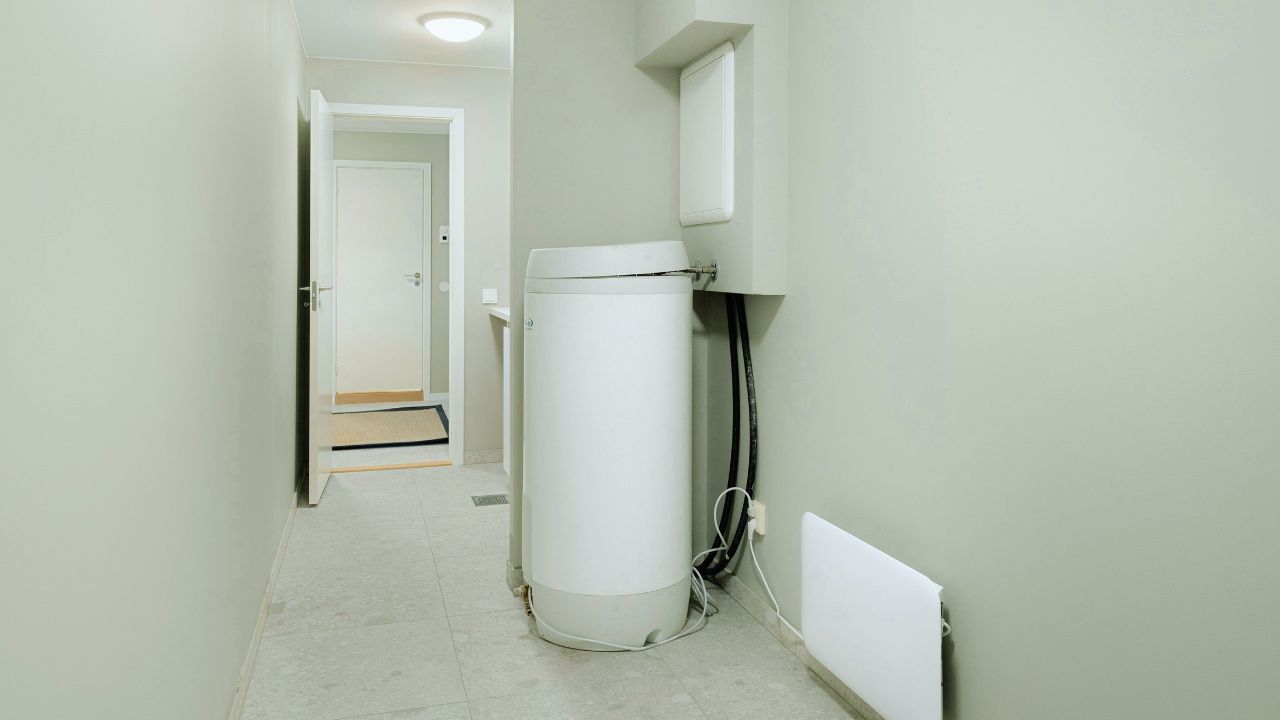
Ion exchange uses resin beads charged with sodium ions to replace calcium and magnesium ions that cause hardness. This technology holds 41.17% market share in 2024 due to proven effectiveness across millions of installations.
Ion exchange reduces hardness up to 97% while cutting soap and detergent usage by up to 50%. The systems require regular salt refills to regenerate the resin beads, creating ongoing maintenance considerations that affect total ownership costs.
What Are the Features of Reverse Osmosis Systems?
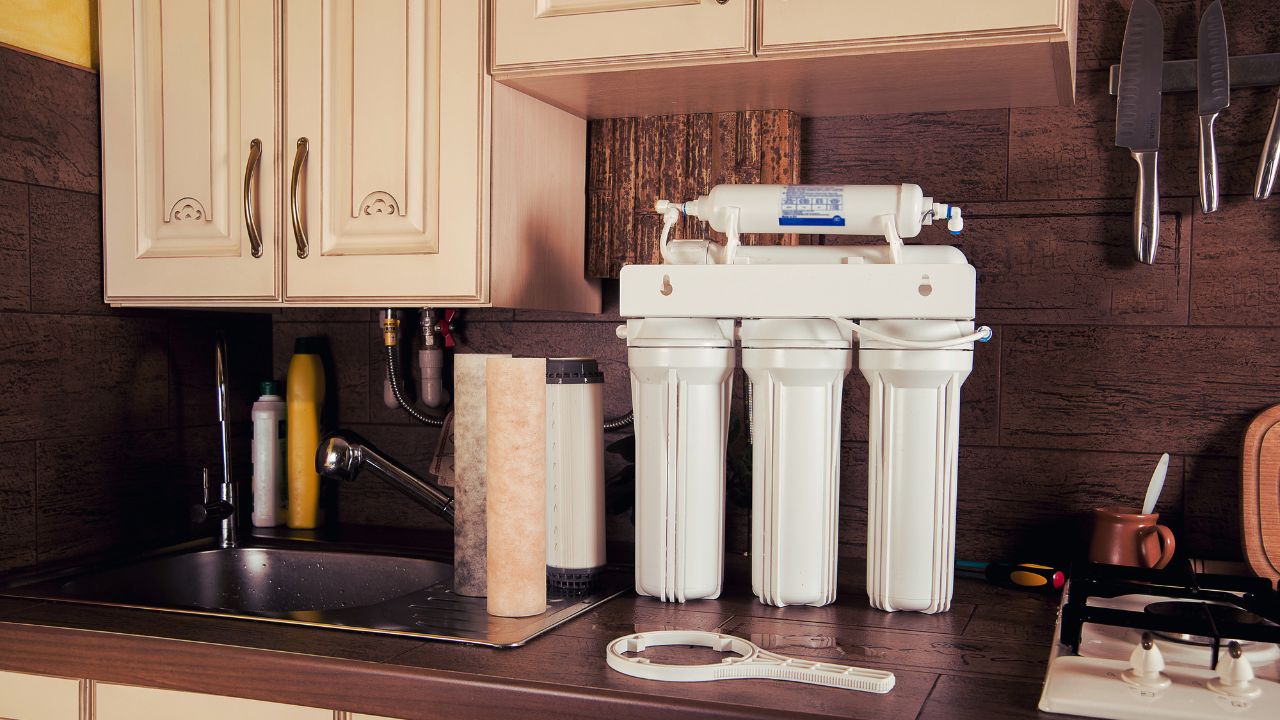
Reverse osmosis forces water through a semi-permeable membrane to remove dissolved solids, heavy metals, and chemical contaminants. RO eliminates up to 99.5% of contaminants, including arsenic, nitrates, and PFAS, found in California water supplies.
RO systems are growing at 6.27% CAGR as consumer awareness of trace organics increases. These units generate wastewater during purification, with 62% of consumers preferring models that balance efficiency with comprehensive contamination removal.
When Is Carbon Filtration Suitable?
Carbon filtration uses activated carbon to adsorb impurities, particularly chlorine, VOCs, and compounds affecting taste and odor. These filters appear in pitchers, refrigerator dispensers, and under-sink units as affordable point-of-use solutions.
Carbon filtration does not remove dissolved minerals or heavy metals that require advanced treatment technologies. Frequent replacement schedules make carbon filters better suited for taste improvement than comprehensive health protection.
What Factors Influence Consumer Preferences for Water Filtration?
Consumer decisions reflect priorities around effectiveness, certification, and demographic-specific concerns about water safety. As of 2023, 91% of Americans use some form of water filter, representing a 25% increase since 2020.
Which Contaminants Are Most Important to Remove?
Effectiveness ranks as the primary concern for 92% of filtration buyers who prefer independently certified filters. Consumers are willing to pay 17% more for products carrying NSF International or Water Quality Association certification seals.
Filter owners are nearly three times more concerned about effectiveness than speed during the selection process. This priority reflects growing awareness of lead, pesticides, mercury, and emerging contaminants like hexavalent chromium.
How Do Demographics Affect Filtration Adoption?
76% of Millennials filter their water at home, making them 63% more likely than other generations to believe filtering is necessary. This generation demonstrates higher awareness of PFAS and industrial chemicals affecting long-term health outcomes.
Generation X shows an estimated 58% adoption rate, while 65% of Baby Boomers view water as critical. Only 45% of Baby Boomers actively engage in advanced home filtration beyond basic pitcher systems.
What Installation and Maintenance Considerations Matter?
Installation complexity directly affects adoption rates, with under-sink systems requiring 2-4 hours of professional installation. Whole-house systems demand connection to main water lines plus space for equipment housing and drainage.
Maintenance frequency varies from quarterly filter changes in carbon systems to annual servicing for softeners. Annual maintenance costs range from $50 for simple carbon replacements to $200 for multi-stage reverse osmosis systems.
Why Is California's Water Quality Unique?
California water sources face contamination from natural geology, agricultural runoff, and industrial activity across diverse regions. These factors create localized water quality challenges requiring targeted treatment approaches beyond standard municipal processing.
What Contaminants Are Prevalent in Areas Like San Dimas?
Arsenic is a naturally occurring element in San Dimas local geology linked to various cancers and cardiovascular disease. Hexavalent Chromium is an industrial chemical in residential water treatment in San Dimas areas where concentrations exceed California health guidelines.
1,4-Dioxane is an industrial solvent found in San Dimas water as a probable human carcinogen. Bromodichloromethane and Chloroform are disinfection byproducts creating increased cancer risks, contributing to San Dimas's overall water score of C+.
How Does Hard Water Affect California Homes?
California water hardness ranges from 47 to 666 PPM depending on geographic location and source aquifer composition. Hard water effects on San Dimas homes include scale buildup that reduces appliance efficiency and increases energy consumption.
67% adoption rate exists for water softeners in hard water regions among households with an income above $75,000. Urban areas show adoption rates exceeding 50% as homeowners recognize the financial impact of premature appliance replacement.
Why Is Whole-House Filtration Important in This Region?
The human body can absorb up to 64% of waterborne contaminants through skin during a 10-minute shower. Families use 40+ gallons of water during bathing compared to 8 glasses for drinking, multiplying exposure risk.
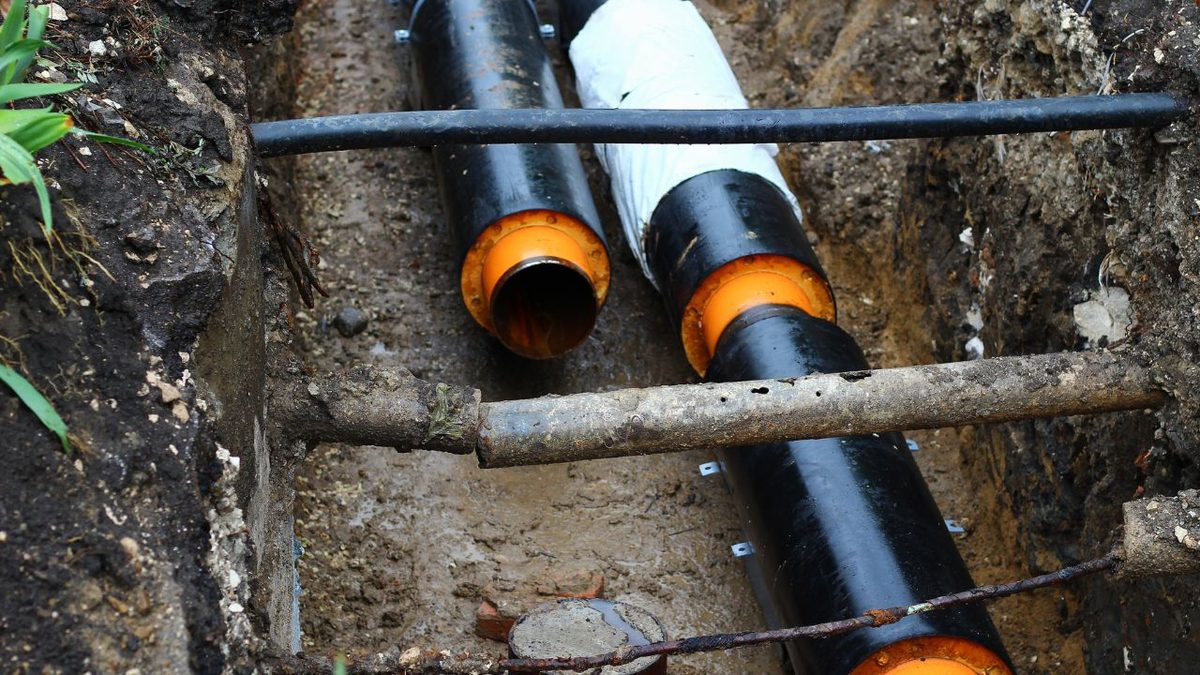
San Dimas is served primarily by Golden State Water Company, which treats municipal supply to regulatory standards. Whole-home water filtration systems provide additional protection against contaminants that remain after treatment and enter homes through distribution pipes.
How Do Emerging Technologies Impact Water Filtration Choices?
Technology integration and environmental regulations are reshaping available treatment options for California homeowners. Smart monitoring systems and salt-free alternatives represent the fastest-growing segments in residential water treatment.
What Role Does IoT Play in Smart Water Systems?
The Connected Water Softener IoT market is expected to reach $4.8 billion by 2025 through automated monitoring capabilities. Smart systems optimize regeneration cycles based on actual demand rather than fixed timers, reducing salt consumption.
These systems send alerts for maintenance scheduling, track water usage patterns, and detect leaks before damage occurs. Remote monitoring allows homeowners to manage water treatment efficiency from mobile devices regardless of location.
What Are Salt-Free Alternatives and Their Benefits?
Template Assisted Crystallization is a salt-free water conditioning method that alters mineral structure to prevent scale buildup without removing minerals. The salt-free segment is projected to grow at 5.77% CAGR through 2030 as environmental concerns intensify.
Salt-free conditioners do not remove hard minerals but alter their structure to prevent pipe and appliance damage. This approach avoids brine discharge into wastewater systems while maintaining beneficial mineral content in drinking water.
How Are Regulations Shaping Filtration Options?
Several California municipalities have restricted or banned new installations of salt-based systems due to wastewater treatment costs. Environmental concerns regarding brine discharge from traditional softeners drive regulatory changes affecting system selection.
These restrictions force builders and homeowners to evaluate alternative technologies like TAC or hybrid approaches. Compliance with local regulations becomes a critical factor when choosing water filtration systems for new construction or major renovations.
What Are the Cost Considerations and ROI for Different Systems?
The initial purchase price represents only one component of total ownership costs for water treatment equipment. Maintenance expenses, energy consumption, and appliance protection benefits determine long-term financial value.
How Do Initial and Maintenance Costs Compare?
Ion exchange budget systems cost $400-$1,500 while premium models range from $1,500-$3,000 plus a $500-$700 installation. Annual maintenance averages $100 for salt and basic servicing across typical residential applications.
RO budget under-sink units cost $200-$500 versus premium whole-house systems at $1,000-$11,000 plus installation. Carbon filtration budget pitchers cost $20-$50 while premium whole-house systems range from $500 to $1,500 with annual maintenance of $50-$150.
What Is the Long-Term Value of Water Softening?
Water softener systems deliver 20-50% ROI through reduced utility bills and appliance protection over operational lifespan. Understanding whether water softeners are worth it depends on hardness levels and household water consumption patterns.
Softeners extend appliance life by 5-10 years by preventing scale accumulation in water heaters and washing machines. Energy savings result from improved heat transfer efficiency in softened water versus hard water operation.
How Does System Choice Affect Appliance Longevity?
Untreated hard water creates mineral deposits that reduce water heater efficiency by up to 48% annually. Scale buildup forces appliances to work harder, increasing electricity and gas consumption while accelerating mechanical failure.
Dishwashers and washing machines experience 30-40% longer operational life when supplied with softened water. Protection against premature replacement saves thousands in appliance costs while reducing energy bills throughout equipment's lifespan.
How Should California Homeowners Test and Assess Their Water Quality?
Accurate water testing forms the foundation for informed treatment decisions, matching technology to specific contaminant profiles. Professional analysis identifies problems that standard municipal reports may not emphasize for individual household conditions.
What Types of Water Tests Are Recommended?
Testing the water provides a comprehensive water quality report identifying specific contaminants and hardness levels. Independent laboratory testing costs $100-$300, depending on analysis depth and contaminant panels selected.
Municipal annual reports offer baseline information but may not reflect conditions after water travels through aging distribution pipes. Home testing kits provide preliminary screening for common issues like hardness, chlorine, and pH levels.
How to Interpret Contaminant Levels and Scores?
San Dimas water exceeds California health guidelines for hexavalent chromium despite meeting federal EPA standards. Long-term arsenic exposure creates cumulative health risks even at concentrations below maximum allowable limits.
Hexavalent Chromium is carcinogenic, while 1,4-Dioxane is a probable human carcinogen linked to liver and kidney damage. Disinfection byproducts carry increased cancer risks that accumulate with daily exposure over years of consumption.
When Is Professional Consultation Advised?
NSF International and the Water Quality Association provide independent certification verifying manufacturer performance claims. Homeowners should verify certifications by selecting products certified by these organizations before purchasing equipment.
Professional water treatment specialists interpret test results and recommend solutions matching household budgets and priorities. Water treatment specialists in San Dimas can evaluate system sizing requirements and installation feasibility for specific properties.
Which Filtration System Configuration Best Fits Different Needs?
System configuration depends on whether treatment goals focus on drinking water quality, whole-house protection, or combined approaches. Point-of-use and whole-house systems serve different purposes within comprehensive water quality strategies.
When Is Whole-House Filtration Required?
Whole-house systems are required for hardness concerns or preventing skin absorption of contaminants during bathing. These configurations treat all water entering the home before distribution to individual fixtures and appliances.
Installation requires main line access and sufficient space for equipment mounting, plus drainage connections. Water filtration systems for San Dimas homes are typically installed in garages or utility rooms with appropriate electrical and plumbing access.
When Is Point-of-Use Filtration Sufficient?
Point-of-use systems are localized filtration devices treating water at specific consumption points like kitchen sinks. These units work well when drinking water quality is the primary concern and bathing water requires no treatment.
Point-of-use systems were valued at $10.75B in 2024 and are projected to reach $15.42B by 2030 at 6.2% CAGR. Under-sink reverse osmosis represents the most common configuration for targeted drinking water purification.
What Are the Benefits of Hybrid Systems?
Hybrid solutions combine technologies for areas with both hard water and severe contamination challenges. A typical configuration pairs whole-house softening with point-of-use reverse osmosis for comprehensive protection.
This approach addresses hardness throughout the home while providing maximum purification for drinking and cooking water. Water softener installations in San Dimas can integrate with RO systems to balance treatment effectiveness against equipment costs.
Choose the Right Water Filtration System for Your California Home!
Selecting the best water filtration options requires matching treatment technology to your specific water chemistry and household priorities. Begin by testing your water to identify hardness levels and contaminants like arsenic, chromium, or disinfection byproducts.
Evaluate whether whole-house protection or point-of-use treatment better serves your family's needs based on the water filter installation guide principles outlined here. Budget for both initial equipment costs and ongoing maintenance to ensure long-term system performance and family protection.
California homeowners benefit from professional consultation that considers local water quality challenges and regulatory requirements. Alpine Plumbing, Heating, and Air helps San Gabriel Valley families navigate these decisions with transparent pricing and licensed expertise.
Ready to protect your home from hard water and contaminants? Contact us today for a free water quality assessment and personalized system recommendations.