Slow drains, standing water, and recurring backups frustrate homeowners because fixing the problem depends on identifying what blocks the pipe and where it sits. A shower clogged with hair requires a different solution than a kitchen line filled with hardened grease or a main sewer line invaded by tree roots. Choosing the wrong method wastes time, risks pipe damage, and often fails to restore normal flow.
Below, you'll find the best drain cleaning methods for different types of clogs and when each one applies. You will see which clog removal techniques fit hair and soap scum, grease and food residue, toilet paper, mineral scale, and tree root obstructions, along with the point where professional drain cleaning earns its cost. Clear explanations help you decide when DIY work is safe and when you should call a licensed plumber to prevent water damage or sewage exposure.
Key Takeaways
Different clog types require specific removal methods; hair clogs, grease buildup, toilet blockages, and root intrusions need distinct approaches.
Snaking works well for localized obstructions, while hydro jetting addresses recurring buildup after pipe condition assessment.
Multiple fixtures backing up, sewer odors, and repeated clogs indicate main-line problems requiring professional diagnosis.
Chemical drain cleaners pose safety and pipe risks and often provide only temporary relief.
Keeping grease, hair, and foreign objects out of drains prevents many clogs before they form.
Best Drain Cleaning Methods for Different Types of Clogs: Clog Types and Causes
Drain clogs form when materials accumulate faster than water can move them through the pipe. Recognizing the material and location helps you select the right clearing method.
Hair and Soap Scum Blockages
Hair and soap scum clogs occur in bathroom sinks, showers, and tubs. Strands catch on drain stoppers, combine with soap residue, and form dense masses that trap more debris over time.
Grease, Food Residue, and Oil Buildup
Grease, fats, oils, and food residue clogs occur in kitchen sinks and main branch lines. Hot grease flows down the drain, then cools and solidifies on pipe walls, narrowing the opening until water backs up.
Toilet Paper and Waste Obstructions
Paper and waste blockages occur in toilets or toilet branch lines. Excessive toilet paper, non-flushable wipes, or foreign objects create obstructions that cause clogged toilets, which a plunger or closet auger can sometimes dislodge.
Mineral Scale and Hard-Water Deposits
Mineral scale and hard-water buildup occur in older or hard-water-exposed lines. Calcium and magnesium deposits accumulate gradually, reducing pipe diameter and restricting flow throughout the plumbing system.
Tree Roots and Structural Sewer Line Issues
Tree roots, structural pipe defects, and sagging lines occur in main sewer lines. Roots enter through small cracks, expand inside the pipe, and trap waste, while bellied or offset pipes hold standing water that encourages clogs.
Clog Type
Where It Forms
Main Cause
Common Warning Sign
Hair and soap scum
Bathroom sinks, showers, tubs
Strands bind with soap residue at the stopper
Water pools around your feet
Grease and food residue
Kitchen sinks, branch lines
Hot grease cools and hardens on pipe walls
Slow drain plus a sour odor
Toilet paper and waste
Toilets, toilet branch lines
Excess paper, wipes, or foreign objects
Rising bowl or weak flush
Mineral scale
Older or hard-water lines
Calcium and magnesium deposits narrow the pipe
Low flow across several fixtures
Tree roots and pipe defects
Main sewer line
Roots enter cracks; bellied or offset pipe holds water
Gurgling, sewer odor, repeat backups
Best Drain Cleaning Methods for Different Types of Clogs Depend on Clog Material
Clog material determines which method can break through, dissolve, or remove the obstruction, and matching the tool to the material reduces pipe damage risk.
Manual Removal and Stopper Cleaning
Manual removal targets visible debris near drain openings. Pulling hair from a shower stopper or scooping food from a sink basket clears the actual material without chemicals, but reach stops at the drain entrance.
Manual removal works when you can see and grasp the clog. It does not address buildup deeper in the pipe.
Drain Snaking and Augering Techniques
Snaking and augering use cable to break through or retrieve obstructions. A hand snake or drain auger can dislodge localized blockages, but improper use scratches fixtures or fails to clear full buildup on pipe walls.
Professional cable machine snaking delivers more reach and torque than homeowner tools. It can open a path through stubborn clogs, though it may not fully scour grease or sludge coating the pipe interior, which is why drain cleaning methods are chosen by clog material rather than habit.
Hydro Jetting for Heavy Buildup and Roots
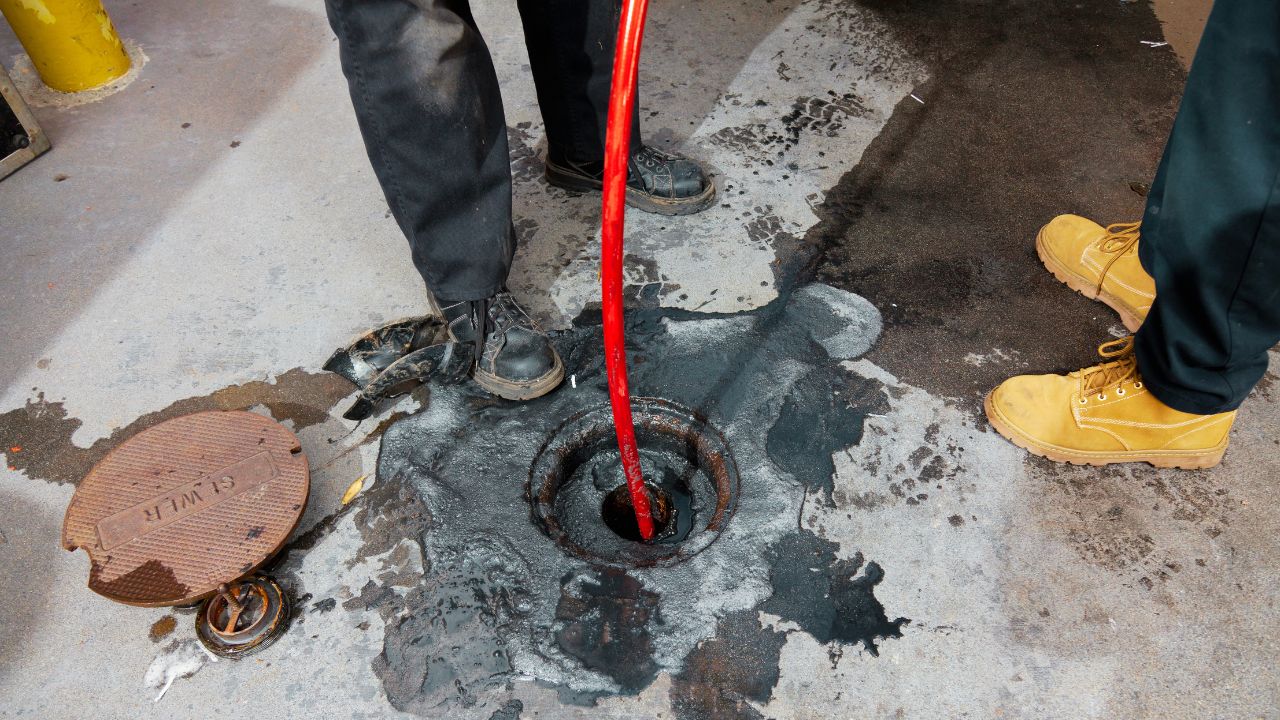
Hydro jetting uses high-pressure water to scour pipe walls. Equipment typically operates at 4,000 PSI or higher and uses up to 20 gallons per minute to remove grease, sludge, soap scum, and some root intrusions.
Hydro jetting averages $475, with typical costs ranging from $350 to $600 according to industry cost data. Pipe condition matters because older or weakened lines need inspection first to confirm they can handle high pressure safely.
Camera Inspection for Accurate Diagnosis
Camera inspection shows the location and cause of clogs but does not clear them. Video inspection services cost around $200 to $1,300 and help plumbers avoid using the wrong method on the wrong obstruction.
Camera inspection is a diagnostic step, not a clearing method. It reveals whether you face hair, grease, roots, scale, or a collapsed pipe so the plumber selects the right tool and approach.
DIY Drain Cleaning Works Only on Single-Fixture Clogs
DIY drain cleaning is safe when the clog is visible, recent, and confined to a single fixture. Attempting more complicated clogs without proper tools or diagnosis increases overflow risk and pipe damage.
Using Plungers for Minor Fixture Clogs
Plunging uses pressure to dislodge minor fixture clogs. It is fast and low-cost for toilets, sinks, and tubs when standing water or slow drainage just started.
Plunging does not remove pipe-wall buildup or diagnose deeper issues. If the clog returns quickly or affects multiple fixtures, the problem likely sits deeper in the drain system.
Handling Visible Hair and Debris Near Drains
Removing visible hair and debris near drains clears surface obstructions before they move deeper. A bent wire, zip-it tool, or hand can retrieve clumps from shower drains or sink pop-ups without chemicals.
This method works only when you can reach the material. Clogs farther down the line require longer tools or professional equipment.
Warning Signs to Avoid Risky DIY Attempts
Chemical products may not remove the full hair mass and can be harsh on pipes. Hot water may temporarily move grease but can let it resolidify deeper in the line, creating a larger obstruction, which explains why DIY drain cleaning often backfires.
Do not use chemical drain cleaner in toilets because overflow and sewage exposure risk increases. Improper snake or auger use can scratch fixtures, and liquid chemical cleaners pose safety risks and pipe concerns.
Signs You Need a Professional Drain Cleaning Service
Professional drain cleaning becomes necessary when clogs recur, affect multiple fixtures, or show signs of main-line obstruction. Licensed plumbers use diagnostic tools and powerful equipment to address problems DIY methods cannot solve. Alpine Plumbing, Heating, and Air has served San Dimas and the San Gabriel Valley since 2017 under California license #1041244, and our technicians inspect before they clear.
Recurring or Stubborn Clogs Across Multiple Fixtures
Recurring backups signal the need to inspect, not repeatedly clear blindly. When the same drain clogs weekly or multiple fixtures drain slowly at once, the obstruction likely sits in a shared branch or main line, and the sewer backup warning signs are worth checking.
Professional plumbers diagnose the location and cause before clearing. This prevents temporary fixes that leave the underlying problem in place.
Signs of Main Sewer Line Problems
Main sewer line clog repair costs $187 to $569, averaging $376 according to industry cost data. Structural defects require repair, not just cleaning; bellied, broken, offset, collapsed, or root-damaged pipe needs inspection and repair.
Multiple toilets backing up, sewer odor indoors, or gurgling from lower drains indicates main-line trouble. Ignoring these signs risks sewage flooding and expensive water damage.
Risks of Using Chemical Drain Cleaners
Liquid chemical cleaners can dissolve some organic matter in limited cases. They pose safety risks, pipe and fixture concerns, and may only provide temporary relief.
Heat and caustic ingredients can damage older pipes, and fumes present health hazards during application.
Strengths and Limitations of Common Drain Cleaning Techniques
Each drain cleaning technique carries strengths and limitations based on clog type and pipe condition. The table below sets them side by side.
Plunging and Manual Methods
Plunging creates pressure that can dislodge soft clogs near the fixture. It works most reliably on fresh toilet or sink blockages before material hardens or moves deeper into the line.
Manual methods cannot reach beyond the drain opening or remove pipe-wall deposits. They serve as first steps but rarely solve recurring drain clogs caused by buildup farther down.
Mechanical Snaking and Augering
Mechanical snaking and augering break through or hook localized obstructions. Professional cable machines deliver more power and reach than hand tools, opening paths through stubborn blockages.
Snaking can open a path without fully scouring the pipe wall. Grease, sludge, or soap scum may remain, causing the clog to return within weeks or months.
Hydro Jetting and Its Conditions
Hydro jetting scours pipe walls thoroughly, removing grease, sludge, scale, and debris more completely than snaking. High-pressure water reaches every surface, restoring pipe diameter and improving long-term flow.
Pipe condition must be assessed before jetting because older or weakened lines can rupture. Professional hydro jetting requires camera inspection to confirm the pipe can handle the pressure.
Camera Inspection as a Diagnostic Tool
Camera inspection reveals the exact location, type, and severity of the obstruction. Plumbers see whether the problem is hair, grease, roots, scale, or structural damage before selecting a clearing method.
Method
What It Clears Well
Limitation
Typical Cost
Plunging
Fresh soft clogs at the fixture
No reach past the trap
Homeowner tool
Manual removal
Visible hair and debris at the opening
Cannot reach pipe walls
Homeowner tool
Cable snaking or augering
Localized clogs in a branch line
Leaves grease film on the pipe wall
$147 to $352, averaging $246
Hydro jetting
Grease, sludge, scale, some roots
Needs a pipe condition check first
$350 to $600, averaging $475
Camera inspection
Diagnosis of cause and location
Clears nothing on its own
$200 to $1,300
Main line repair
Broken, offset, or root-damaged pipe
Requires excavation or lining
$187 to $569, averaging $376
Drain Maintenance Habits That Prevent Clogs
Home drain maintenance reduces clog frequency and extends the time between professional cleanings. Simple habits keep materials from accumulating inside pipes.
Proper Grease and Food Disposal Habits
Grease, fats, and oils should never go down kitchen drains. Pour cooled grease into a disposable container, then throw it in the trash to prevent pipe-wall buildup.
Scrape food residue into the garbage before rinsing dishes. Even small amounts accumulate over time and combine with grease to form stubborn clogs, so room-by-room drain maintenance keeps kitchen and bathroom lines clear.
Avoiding Harmful Chemicals and Foreign Objects
Avoid using chemical drain cleaners as routine maintenance. They corrode pipes over time and do not prevent the conditions that cause clogs to form.
Do not flush wipes, cotton swabs, dental floss, or feminine hygiene products. These items do not break down and catch on pipe imperfections, trapping other debris.
Routine Professional Maintenance and Inspections
Professional drain cleaning typically costs $147 to $352, averaging $246 according to industry cost data. Regular drain cleaning removes gradual buildup before it causes slow drains or backups.
Annual or biannual professional maintenance identifies developing problems early. Plumbers can spot root intrusion, mineral scale, or pipe defects before they create emergencies.
Drain Cleaning Methods Matched to Each Clog Type
Matching clog removal techniques to specific obstruction types improves success rates and reduces repeat service calls.
Matching Methods to Hair and Soap Scum Clogs
Hair and soap scum clogs respond well to manual removal, hand snaking, or professional cable cleaning. Pulling visible hair from drain stoppers prevents deeper accumulation in the first place.
When buildup extends beyond reach, a drain snake or professional auger breaks through the mass. Different cleaning methods suit different stages of hair accumulation.
Effective Solutions for Kitchen Grease and Food Build-Up
Kitchen grease and food buildup often require professional snaking or hydro jetting. Snaking opens a path through localized clogs, but grease coating the pipe wall may return quickly.
Hydro jetting removes grease more completely by scouring pipe walls with high-pressure water. This approach suits recurring kitchen drain problems or main lines with heavy grease deposits.
Toilet Blockage Removal Approaches
Toilet blockages usually respond to plunging or a closet auger. A closet auger is a tool for toilet-specific blockages, designed to reach past the trap without scratching porcelain.
If plunging and augering fail or the toilet clogs repeatedly, call a plumber. Multiple toilet backups or sewage smell indicates a branch-line or main-line obstruction.
Addressing Mineral and Sewer Line Obstructions
Mineral scale and sewer line obstructions require professional evaluation and specialized equipment. Hard-water deposits gradually restrict flow and cannot be removed with plunging or hand tools.
Camera inspection identifies the extent of mineral buildup or root intrusion. Hydro jetting can remove moderate deposits, but severe scale or structural damage may require pipe repair or replacement, and keeping tree roots out of the sewer line prevents the problem from returning.
Clog Type
Method to Start With
Call a Plumber When
Hair and soap scum
Manual removal, then a hand snake
The clog returns within weeks
Kitchen grease
Professional snaking or hydro jetting
The sink backs up again after clearing
Toilet blockage
Plunger, then a closet auger
Two or more toilets back up together
Mineral scale
Camera inspection first
Flow stays low across the house
Tree roots
Camera inspection, then jetting or cutting
Sewer odor, gurgling, or yard sinkage appears
Selecting the right drain cleaning method depends on clog type, location, and severity. Hair and soap scum in bathroom fixtures respond to manual removal or snaking, while kitchen grease often needs professional clearing or hydro jetting to prevent quick recurrence.
Toilet blockages require plunging or a closet auger, and main sewer line problems demand professional inspection and service to avoid sewage backups. Mineral deposits and tree roots need camera diagnosis before choosing between mechanical clearing, jetting, or pipe repair. Matching the method to the material prevents wasted effort, reduces pipe damage risk, and delivers lasting flow restoration.
Alpine Plumbing, Heating, and Air offers professional drain cleaning and inspection services to diagnose clogs accurately and apply the right solution. Our licensed plumbers use camera inspection, mechanical snaking, and hydro jetting to restore flow and prevent recurring problems.
Talk to Alpine Plumbing, Heating, and Air About Your Clogged Drain
Alpine Plumbing, Heating, and Air has cleared drains across the San Gabriel Valley, the Inland Empire, and Lake Havasu City since 2017. Our licensed plumbers inspect the line with a camera before choosing cable snaking or hydro jetting, so the method matches the clog and the pipe can safely handle it. You hear what is wrong and what your options cost before any work starts.
Call (626) 385-4001 to reach our team, or request a free estimate to schedule a visit. We handle residential and commercial lines seven days a week, and we will tell you plainly when a repair, not another cleaning, is the right fix.
Frequently Asked Questions
Q1. What is the fastest way to clear a hair clog in a shower drain?
A. Start by pulling the stopper and removing the hair mass by hand or with a zip-it tool. That reaches the first few inches of pipe, where most shower clogs form. If water still drains slowly, run a hand snake past the trap to break up buildup farther down. Slow drainage that continues after both steps points to grease or soap scum coating the pipe wall, which needs a cable machine or jetting.
Q2. How much does professional drain cleaning cost?
A. Industry cost data puts professional drain cleaning at $147 to $352, averaging around $246. Hydro jetting runs higher at $350 to $600, averaging $475, because it uses more equipment and time. Camera inspection adds $200 to $1,300 depending on line length and access. Price depends on the clog location, the access point, and whether the line needs diagnosis first.
Q3. Is hydro jetting safe for older pipes?
A. Hydro jetting operates at 4,000 PSI or higher, so pipe condition decides whether it is safe. Cast iron, clay, or corroded lines can rupture under that pressure. A camera inspection shows wall thickness, cracks, and joint condition before the jetter goes in. If the line cannot take the pressure, mechanical cable cleaning or pipe repair is the safer route.
Q4. How often should drains be cleaned professionally?
A. Most homes do well with professional cleaning once a year. Kitchen lines in households that cook often, homes with mature trees near the sewer lateral, and properties on hard water benefit from twice a year. Restaurants and other commercial kitchens usually need a quarterly schedule. Regular cleaning removes buildup before it narrows the pipe enough to cause a backup.
Q5. When does a clogged drain mean a main sewer line problem?
A. Several signals point past a single fixture to the main line. Two or more fixtures draining slowly at the same time, sewer odor indoors, gurgling from tubs or floor drains when a toilet flushes, and water backing up in the lowest drain in the house all indicate a shared blockage. Those cases need a camera inspection rather than repeated clearing.
Welcome to Alpine Plumbing and Rooter, serving San Dimas and the surrounding areas as your reliable source for exceptional plumbing and drainage services. We also provide reliable licensed HVAC services.
After reviewing your information, we will contact you as soon as possible.
"*" indicates required fields
Alpine Plumbing, Heating, and Air
462 Borrego Ct Unit A, San Dimas, CA 91773
CA Plumbing/HVAC License: #1041244 AZ Plumbing License: ROC 362311
Welcome to Alpine Plumbing, Heating, and Air, serving San Dimas, San Bernardino, Lake Havasu, AZ, and the surrounding areas. We are your reliable source for exceptional plumbing, Heating, and Air Conditioning needs.