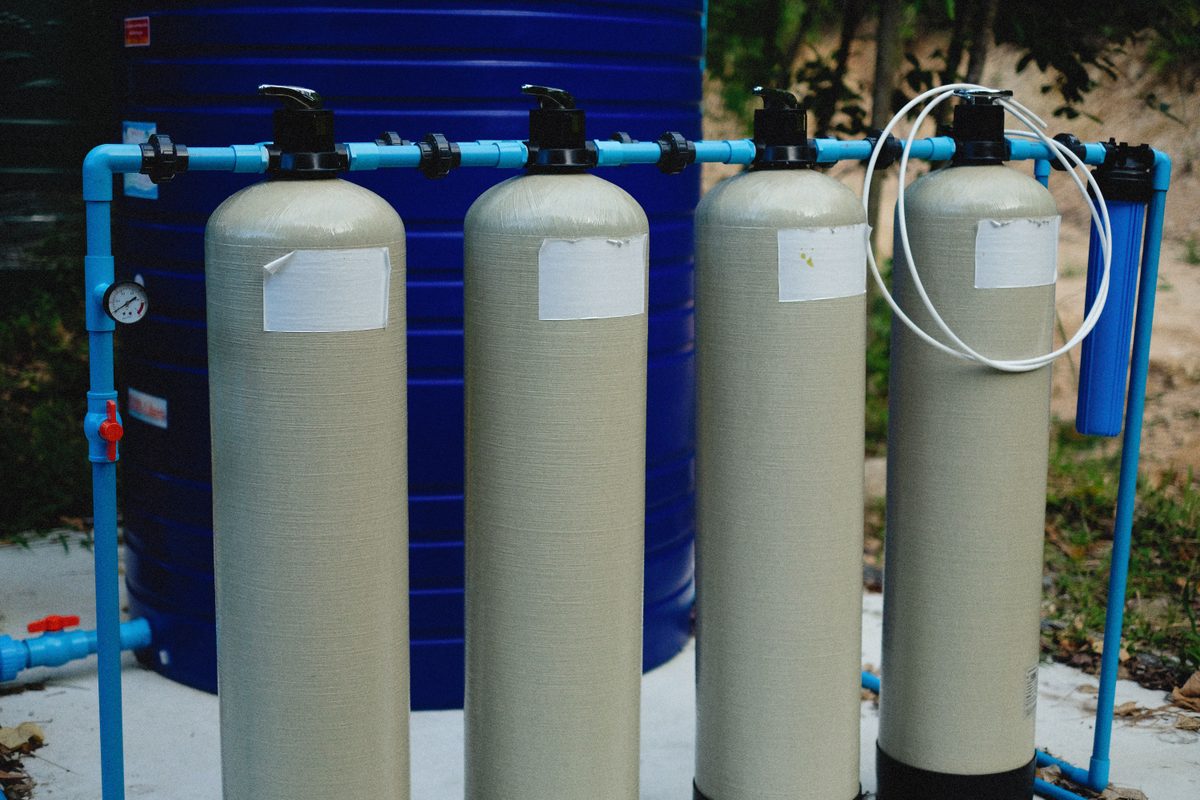
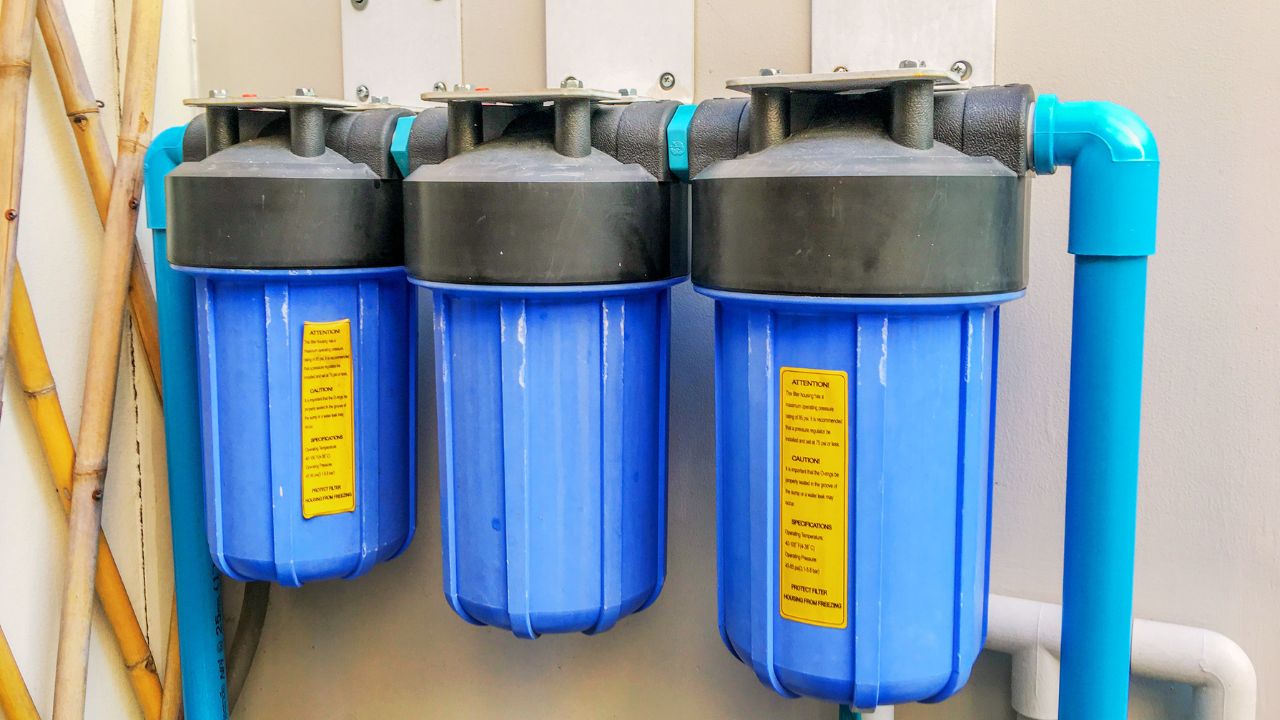
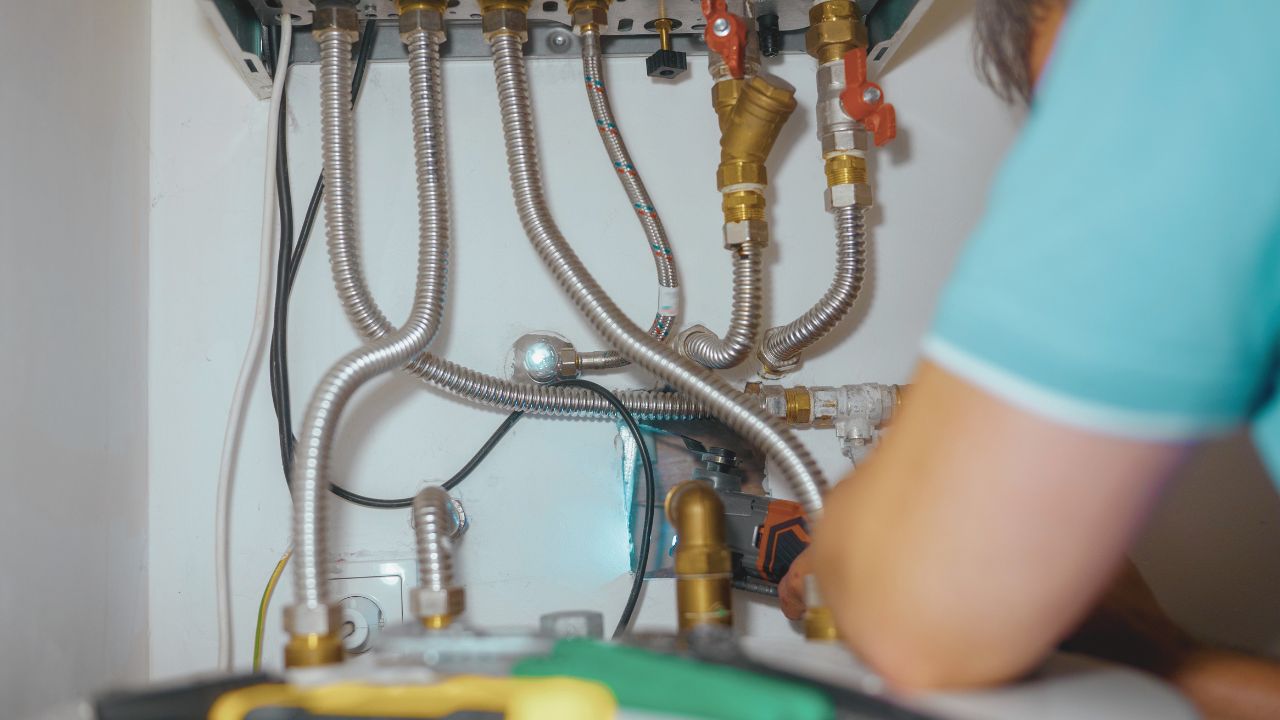
Water softeners and filters serve fundamentally different purposes in treating household water. Softeners remove hardness-causing minerals like calcium and magnesium, while filters target contaminants ranging from chlorine to heavy metals and chemical pollutants.
Choosing a water softener or filter system requires understanding your specific water quality issues and household priorities. Testing your water reveals whether you need appliance protection from scale buildup, health protection from toxins, or both.
Key Takeaways
- Water softeners remove hardness-causing minerals through ion exchange, protecting appliances and reducing detergent usage by up to 50%
- Reverse osmosis filters remove up to 99.5% of dissolved solids, heavy metals, and chemical contaminants for safer drinking water
- Carbon filters improve taste and odor but do not remove hardness or heavy metals
- Hybrid systems combining whole-house softening with point-of-use filtration provide comprehensive protection in areas with multiple water quality issues
- Independent certification by NSF International or the Water Quality Association ensures product effectiveness and reliability
What Is a Water Softener and How Does It Work?
Water softeners address hard water by removing dissolved calcium and magnesium minerals that cause scale deposits. These systems use ion exchange technology to replace hardness minerals with sodium ions, preventing buildup in pipes and appliances.
Hard water creates visible problems like soap scum, film on dishes, and reduced appliance efficiency. Softening extends equipment lifespans and reduces cleaning product consumption significantly.
Ion Exchange Mechanism and Benefits
Ion exchange systems use resin beads charged with sodium ions to replace calcium and magnesium ions that cause hardness. This technology holds 41.17% market share in 2024 and achieves up to 97% hardness reduction.
The benefits of water softeners include reducing soap and detergent usage by up to 50% through improved lathering. Hard water containing high concentrations of calcium and magnesium becomes noticeably softer after treatment.
Environmental and Maintenance Considerations
Ion exchange requires regular salt refills to recharge the resin beads during regeneration cycles. This process increases sodium content in drinking water and raises environmental concerns regarding brine discharge into municipal systems.
The maintenance schedule includes monthly salt replenishment and periodic resin bed cleaning. Brine wastewater disposal has prompted regulatory restrictions in some California municipalities.
Typical Costs and Installation
Budget and mid-range ion exchange systems cost $400 to $1,500, while premium models range from $1,500 to $3,000. Professional installation adds $500 to $700 to the initial investment.
Annual maintenance costs approximately $100 for salt supplies and basic servicing. These ongoing expenses remain relatively stable compared to filter replacement costs.
What Is a Water Filter and What Contaminants Can It Remove?
Water filters remove specific contaminants through various purification methods depending on the technology employed. Different water filtration options target distinct impurities, from chlorine and sediment to heavy metals and pharmaceutical residues.
Filtration systems range from simple carbon pitchers to comprehensive reverse osmosis installations. Each technology offers unique advantages for addressing particular water quality concerns.
Reverse Osmosis Systems and Their Advantages
Reverse osmosis forces water through a semi-permeable membrane to remove dissolved solids, heavy metals, and chemical contaminants. RO removes up to 99.5% of contaminants and represents the fastest-growing segment with 6.27% CAGR.
Consumer preference strongly favors RO technology, with 62% preferring units that eliminate trace organics in addition to hardness. These systems provide comprehensive purification for drinking water applications.
Carbon Filtration and Point-of-Use Solutions
Carbon filters use activated carbon to adsorb impurities, particularly chlorine, volatile organic compounds, and compounds affecting taste and odor. Point-of-use systems were valued at $10.75 billion in 2024, with projections reaching $15.42 billion in 2030.
The point-of-use market demonstrates 6.2% CAGR, reflecting growing adoption of localized treatment. Carbon filters do not remove dissolved minerals, causing hardness, and require frequent replacement every two to six months.
Pricing and Maintenance Factors
Budget RO under-sink units cost $200 to $500, while premium whole-house systems range from $1,000 to $11,000. Installation expenses vary from $200 for under-sink models to $1,000 or more for whole-house configurations.
RO annual maintenance costs $50 to $200 for filter and membrane replacements. Budget carbon pitchers and faucet mounts cost $20 to $50, premium whole-house carbon systems range from $500 to $1,500, with annual maintenance of $50 to $150.
How Do Water Softeners Differ from Water Filters?
Water softeners specifically target hardness minerals without addressing chemical contaminants or heavy metals. Filters remove impurities based on their design, with carbon filters excelling at chlorine removal but failing to eliminate hardness.
Understanding the water softener vs filter distinction prevents purchasing inappropriate equipment for your needs. Each system addresses fundamentally different water quality challenges.
Primary Functions and Target Contaminants
Carbon filters do not remove heavy metals or certain chemical contaminants beyond their adsorption capabilities. Salt-free conditioners do not remove hard minerals but only alter their structure to prevent scale formation.
Traditional softeners eliminate hardness completely through ion exchange, while filters capture contaminants through physical or chemical processes. Neither technology alone provides complete treatment in areas with multiple water quality issues.
Whole-House Vs. Point-of-Use Applications
Urban areas show adoption rates exceeding 50% for comprehensive water treatment systems. Households with income above $75,000 in hard water regions demonstrate 67% adoption rates for water softeners.
Whole-house systems treat all water entering the home before distribution to fixtures. Point-of-use systems address water quality at specific locations like kitchen sinks or shower heads.
Impact on Health and Home Appliances
Water softeners extend the life of washing machines and dishwashers by 5 to 10 years through scale prevention. These systems deliver 20% to 50% return on investment through utility bill reductions and extended appliance lifespans.
The human body can absorb up to 64% of waterborne contaminants through skin during a 10-minute shower. Families use 40-plus gallons of water during bathing compared to 8 glasses for drinking, making whole-home water filtration critical for comprehensive protection.
When Should You Choose a Water Softener Over a Water Filter?
Choosing a water softener makes sense when hardness causes visible scale buildup and appliance inefficiency. Softening addresses mineral-specific problems that filters cannot resolve effectively.
Testing confirms hardness levels exceeding 7 grains per gallon warrant softening treatment. The benefits of water softeners become apparent through reduced maintenance costs and improved appliance performance.
Hard Water Issues and Appliance Protection
Scale deposits from hard water reduce water heater efficiency and clog pipes over time. Softened water prevents these issues while improving soap effectiveness and eliminating mineral stains on fixtures.
Appliance warranties often require water below specific hardness thresholds for coverage validity. Softening protects these investments and maintains manufacturer-specified operating conditions.
Regional Water Quality Challenges (Example: California)
California water hardness ranges from 47 to 666 parts per million across different regions. The Los Angeles County area, including the San Gabriel Valley, reports high hardness levels requiring residential treatment.
San Dimas water contains arsenic above health advocacy guidelines and hexavalent chromium exceeding California health standards. The city receives an overall water score of C-plus due to multiple contaminant concerns.
Considerations for Salt-Based Vs. Salt-Free Softeners
Template Assisted Crystallization represents a salt-free water conditioning method that alters mineral structure to prevent scale buildup without removing hard minerals. The salt-free water conditioner segment is projected to grow at 5.77% CAGR through 2030.
Salt-based systems provide complete hardness removal but face regulatory restrictions in some areas. Salt-free conditioners offer environmentally friendly alternatives where brine discharge is prohibited.
When Is a Water Filter More Appropriate Than a Softener?
Water filters become essential when testing reveals toxic contaminants that softeners cannot address. Chemical pollutants, heavy metals, and organic compounds require filtration technologies for removal.
Health protection priorities demand filters rather than softeners in contaminated water supplies. The benefits of water filters include eliminating substances linked to serious health conditions.
Removing Toxic Contaminants and Chemicals
PFAS are forever chemicals classified as emerging contaminants requiring specialized filtration. Long-term arsenic exposure is linked to various cancers and cardiovascular disease.
Hexavalent chromium is carcinogenic and exceeds safe levels in some water supplies. 1,4-Dioxane represents a probable human carcinogen linked to liver and kidney damage, while disinfection byproducts carry increased cancer risks.
Drinking Water Quality Priorities
Drinking water safety takes precedence over aesthetic concerns like hardness. Point-of-use filtration systems address contaminants at the tap where water is consumed.
Reverse osmosis systems excel at removing dissolved contaminants from drinking water. Under-sink installations provide purified water without treating the entire household supply.
Consumer Preferences and Certification Importance
91% of Americans use some form of water filter as of 2023, representing a 25% increase since 2020. 92% of filtration buyers prefer independently certified filters and are willing to pay 17% more for products with certification seals.
Filter owners are 3 times more concerned about effectiveness than speed of filtration. Independent certification by NSF International or the Water Quality Association verifies contaminant removal claims.
Can Combined Systems Provide Comprehensive Water Treatment?
Combined systems address both hardness and contamination in a single integrated solution. Hybrid approaches offer complete protection for households facing multiple water quality challenges.
These installations typically pair whole-house softening with point-of-use filtration at drinking water taps. The combination delivers scale-free water throughout the home plus purified water for consumption.
Benefits of Hybrid Approaches
Whole-house softeners protect plumbing and appliances while point-of-use filters ensure safe drinking water. This layered strategy addresses both mineral content and toxic contaminants effectively.
Hybrid systems prevent redundant treatment and optimize performance for different water uses. Softened water improves filter longevity by reducing mineral fouling of filtration media.
Whole-House Softening with Point-of-Use Filtration
Whole-house softening treats all water entering the home before distribution to fixtures and appliances. Point-of-use reverse osmosis at the kitchen sink provides final purification for drinking and cooking.
This configuration balances comprehensive protection with cost efficiency. Whole-home water filtration and softening systems maximize water quality across all household applications.
Installation and Cost Implications
Combined system installations require proper sequencing with softeners installed before filters to prevent mineral damage. Total costs range from $1,500 to $5,000, depending on system specifications and home size.
Professional installation ensures the correct integration and optimal performance of both technologies. Maintenance schedules must account for salt refills, filter replacements, and membrane cleaning cycles.
What Emerging Trends Are Shaping Water Treatment Choices?
Smart technology integration is transforming water treatment through automated monitoring and optimization. Connected systems reduce waste while improving efficiency through data-driven operation.
Environmental regulations are driving adoption of salt-free alternatives and water-efficient designs. Market growth reflects increasing consumer awareness of water quality issues.
Smart Water Softeners and IoT Integration
Smart systems monitor water usage, track salt levels, detect leaks, and optimize regeneration cycles automatically. The Connected Water Softener IoT market is expected to reach $4.8 billion by 2025.
Smartphone apps provide real-time system status and alert homeowners to maintenance needs. Demand-initiated regeneration reduces salt consumption by 30% compared to timer-based systems.
Environmental Regulations and Salt-Free Alternatives
California municipalities have restricted or banned salt-based softener installations in some areas due to brine discharge concerns. These regulations promote template-assisted crystallization and other salt-free technologies.
Environmentally conscious consumers are driving demand for sustainable treatment options. Regulatory pressure continues to influence product development and market segmentation.
Growing Market Segments and Consumer Behavior
The global water treatment systems market was valued at $45.1 billion in 2025 and is projected to reach $88.0 billion by 2033. This represents a CAGR of 8.9% from 2026 to 2033. 76% of Millennials filter their water at home, making them 63% more likely than other generations to believe filtering is necessary. Generational shifts in water quality awareness are reshaping market dynamics.
Choosing Between Water Softeners and Water Filters: A Practical Framework
Obtaining a comprehensive water quality report or independent test identifies specific contaminants requiring treatment. Professional testing reveals hardness levels, heavy metal concentrations, and chemical pollutant presence.
Defining the scope involves determining whether goals include aesthetic improvement, appliance protection, or health protection. Whole-house systems address broader concerns while point-of-use solutions target specific applications like drinking water.
Evaluating whole-house versus point-of-use systems depends on contamination distribution and household priorities. Hybrid solutions provide optimal protection for areas with both hard water and severe contamination.
Verifying that products are independently certified by NSF International or the Water Quality Association ensures performance claims. Professional water softener installation guarantees proper system integration and optimal operation.
Selecting appropriate water treatment systems protects both family health and household infrastructure investments. Understanding the distinct functions of softeners and filters enables informed decisions matching specific water quality challenges.
Alpine Plumbing, Heating, and Air provides expert guidance on water treatment solutions for San Gabriel Valley homeowners. Our licensed technicians assess your water quality and recommend systems that address your specific concerns without unnecessary upselling.
Find Out What Your Water Actually Needs
Hard water and contaminants call for different solutions, and guessing wrong wastes money. Alpine Plumbing, Heating, and Air tests your water and explains exactly what it shows, so you choose a softener, a filter, or a combined system with confidence. Our licensed technicians have served San Gabriel Valley homes since 2017, and we recommend only what your water quality calls for - never extra work you do not need. Request your free water treatment assessment today and get honest answers from a team your neighbors trust.