Small drips from faucets and running toilets seem minor, but household leaks waste nearly 900 billion gallons annually nationwide. The average household's leaks account for more than 9,300 gallons of wasted water each year, and fixing easily corrected leaks can save homeowners about 10% on their water bills. Homeowners who prevent water leaks early avoid both the waste and the repair costs that follow.
Below, you'll find the checks that keep most homes dry: which indoor fixtures fail first, how to read a water meter for hidden loss, which outdoor components crack in summer heat, and the warning signs that call for professional leak detection. Alpine Plumbing, Heating, and Air has served San Gabriel Valley homeowners since 2017, and the inspection sequence below follows the same order our licensed technicians use on service calls.
Key Takeaways
Routine fixture checks prevent water leaks that waste about 9,300 gallons per household each year
Worn toilet flappers cause frequent leaks and should be replaced at least every five years
Water bill comparisons and meter checks give the earliest warning of hidden plumbing leaks
Outdoor irrigation reaches up to 70% of household water use in hot, dry months
Professional leak detection is necessary when signs point to hidden pipe, slab, or structural leaks
Prevent Water Leaks by Checking the Most Common Household Sources
Worn toilet flappers, dripping faucets, and leaking valves are the most frequent household leak sources. Common home leaks also include under-sink supply lines, appliance connections, water heater valves, and outdoor hose bibs.
Leak source
Typical water loss
What to inspect
Who handles the fix
Toilet flapper
Up to 180 gallons per week
Flapper age, dye test in the tank
DIY replacement
Dripping faucet
10 gallons per 5 minutes of run time
Washers, aerator, handle base
DIY washer or cartridge swap
Showerhead
500+ gallons per year at 10 drips per minute
Stem connection and thread seal
DIY with plumber's tape
Under-sink supply line
Varies; cabinet damage comes first
Moisture, corrosion, warped cabinet floor
DIY line swap, plumber for weeping valves
Water heater valve
Varies; can flood a garage
Drain valve, relief valve, drain pan
Licensed plumber
Outdoor hose bib
Steady seepage, often unnoticed
Handle packing and wall joint
DIY washer, plumber for a rebuild
Each row points to a fixture a homeowner can reach without tools. Anything behind a wall, under a slab, or connected to gas belongs to a licensed technician.
Toilet Flappers and Fill Valves Cause the Most Frequent Household Leaks
Worn toilet flappers are a common cause of toilet leaks that can waste 180 gallons per week. Toilets account for nearly 30% of average indoor home water consumption, making them a high-priority inspection area.
Older inefficient toilets can use as much as 6 gallons per flush, increasing total water waste. Old or worn toilet flappers should be checked periodically and replaced at least every five years to maintain a good seal and avoid leaks. A dye tablet or a few drops of food coloring in the tank confirms the problem: if color reaches the bowl within 15 minutes without a flush, the flapper no longer seals.
Faucet and Showerhead Drips Add Up Across a Year
A showerhead leaking at 10 drips per minute wastes more than 500 gallons per year. Letting a faucet run for five minutes while washing dishes can waste 10 gallons of water.
Repair dripping faucets and showerheads promptly to prevent water leaks and reduce utility costs. Tighten connections, replace washers, or use plumber's tape for showerhead stem connections to stop minor drips.
Under-Sink and Appliance Supply Lines Need Routine Inspection
Under-sink warning signs include moisture, corrosion, warped cabinet floors, musty smell, and slow drips around shutoff valves. Look under sinks, around supply lines, near the water heater, and around washing machine and dishwasher connections.
Visible moisture around supply lines often indicates a developing leak that requires immediate attention. Behind toilets, check for corrosion or dampness where water supply lines connect to shutoff valves. Braided stainless lines on washing machines and dishwashers should be replaced on schedule rather than after they burst, and a rusting or weeping water heater connection is often one of the first signs a water heater is failing.
Prevent Water Leaks Behind Walls and Under Slabs by Catching Early Signs
Hidden leaks behind walls, under slabs, or inside ceilings require different detection methods than visible fixture drips. Recognizing these early signs prevents property damage and helps homeowners respond before small leaks become emergencies.
Slab, Wall, and Ceiling Leaks Show Specific Warning Signs
Hidden leak warning signs include unexplained water bill spikes, damp flooring, warm spots, and low water pressure. Additional symptoms include a moldy odor, running-water sounds when fixtures are off, and cracked flooring or walls.
Warning sign
Likely source
Next step
Unexplained jump in the water bill
Any concealed supply line
Run a meter test with every fixture off
Warm spot on a floor
Hot water line under the slab
Book leak detection before flooring lifts
Damp or stained ceiling
Supply or drain line overhead
Shut off water to that area, then call a plumber
Running water sound with fixtures off
Pressurized line losing water
Meter test, then professional detection
Low pressure throughout the house
Leak upstream of the fixtures
Pressure test by a licensed plumber
Musty odor or cracked flooring
Long-running concealed leak
Moisture reading and camera inspection
Sudden increases in water usage without explanation suggest a hidden pipe leak that requires professional inspection. Damp spots on floors or ceilings often indicate structural leaks that can cause serious property damage.
Water Bill and Meter Monitoring Reveal Hidden Leaks Early
Compare water bills month to month, as a sudden unexplained increase is a strong hidden-leak prompt. Use the water meter as a diagnostic clue by turning off all water-using fixtures and appliances.
Check whether the meter continues moving after shutting off all water sources throughout the home. Call a plumber if usage appears when no water should be running, indicating a hidden leak somewhere in the system. Record the meter reading twice, an hour apart, so the volume of loss is documented before a technician arrives.
Professional Leak Detection Applies When the Source Stays Concealed
Professional detection methods may include acoustic listening, thermal imaging, moisture meters, pressure testing, and camera inspection. Professional leak detection is appropriate when signs point behind walls, under slabs, or inside ceilings.
Call for professional help when the leak source is not visible or accessible to homeowners. Targeted excavation or repair may be necessary once the leak location is confirmed through diagnostic equipment.
Outdoor Irrigation and Hose Bib Maintenance Stops Seasonal Leaks
U.S. households use an estimated 29 billion gallons of water daily, with nearly 9 billion gallons devoted to outdoor use. Outdoor water use can be as high as 70% of household water use in hot summer months.
Inspect irrigation systems and hose bibs during hot and dry months to prevent water leaks outdoors. Outdoor plumbing components face greater temperature fluctuations and physical stress than indoor fixtures, increasing leak risks over time. In the San Gabriel Valley, sprinkler valves and drip lines take the hardest wear between June and September, when irrigation runs daily.
Routine Checks Prevent Water Leaks Year-Round
Regular maintenance reduces leak risks by catching small problems before they become costly emergencies. Homeowners who follow a consistent inspection schedule catch the leaks that matter on their specific property.
Frequency
What to inspect
Why it matters
Weekly
Meter reading or bill trend, under-sink cabinets, toilets that keep running
Catches a new leak within days instead of months
Monthly
Supply lines, shutoff valves, water heater pan, dye test every toilet
Finds slow drips before cabinets and drywall are damaged
Outdoor components fail first in heat and after freezes
Annually
Full plumbing inspection, pressure check, water heater service
Identifies aging components and slab leak risk
Weekly and Monthly Inspections Reduce Leak Risk
Weekly and monthly checks include monitoring water bill trends, looking under sinks, and listening for running toilets. Inspect visible supply lines, test toilets with dye tablets, and check around water heater pans and valves regularly.
Walk exterior hose bibs and irrigation zones to spot moisture, leaks, or damaged components. These simple inspections help maintain plumbing integrity and catch problems early before they escalate into emergency situations.
Seasonal Outdoor Maintenance Protects Irrigation Lines and Hose Bibs
Seasonal checks should occur before hot and dry months when outdoor water use increases significantly. Review irrigation schedules, inspect outdoor lines for cracks or damage, and watch for overwatering or hidden yard leaks.
Check outdoor faucets and hose bibs for leaks after winter freezes or before summer heat arrives. Seasonal maintenance prevents minor issues from becoming major water-waste problems during peak outdoor irrigation periods.
Annual Professional Maintenance Catches Aging System Problems
Schedule annual professional plumbing maintenance to inspect aging systems, detect hidden problems, and maintain efficient operation. Professional inspection is especially important for homes with slab-leak risk, recurring unexplained water use, or aging plumbing.
Call for leak detection when symptoms appear, such as unexplained bill increases or damp spots. Preventive maintenance helps homeowners avoid emergency repairs and extends the lifespan of household plumbing fixtures and systems.
DIY Checks and Professional Detection Handle Different Leak Problems
DIY methods work well for visible leaks, while professional tools are necessary for hidden or structural problems. Homeowners can perform basic inspections, but complex leak scenarios require specialized equipment and trained technicians.
Situation
Suitable for DIY
Calls for a professional
Visible faucet or showerhead drip
Yes, washer or thread seal
Only if the drip returns
Toilet flapper or fill valve
Yes, parts cost a few dollars
No
Meter test and toilet dye test
Yes, no tools needed
No
Leak behind a wall or ceiling
No
Acoustic listening and thermal imaging
Suspected slab leak
No
Detection equipment, then targeted access
Recurring or pressure-related leak
No
Pressure testing and camera inspection
Gas odor or damaged gas line
No
Licensed technician, same visit
Simple DIY Techniques Catch Visible Leaks
DIY observation methods include checking water bills, performing meter checks, and using toilet dye tests. Look for faucet and shower drips, damp cabinets, ceiling stains, musty smells, and low water pressure.
These techniques help homeowners identify obvious leak sources without specialized tools or professional assistance. Simple visual inspections and water-usage monitoring provide early warnings that prompt further investigation or professional help.
Leak Detection and Flow Monitoring Devices Track Water Use Continuously
WaterSense leak detection and flow-monitoring devices can help identify leaks or alert homeowners to irregular water use. These devices monitor water flow patterns and send alerts when unusual consumption occurs, even during vacations.
Smart devices provide continuous monitoring that catches leaks faster than manual monthly inspections alone. Flow monitors work especially well for homes with aging plumbing, frequent travel schedules, or prior leak history.
Professional Diagnosis Suits Hidden, Slab, and Recurring Leaks
Simple flapper, aerator, or showerhead connection checks may be suitable for DIY repairs without professional help. Hidden, slab, recurring, active, or pressure-related leaks need professional diagnosis and specialized equipment to locate and repair.
Call a professional when leak symptoms point to structural areas or when DIY efforts fail. Professional technicians have acoustic listening tools, thermal imaging cameras, and moisture meters that accurately pinpoint leak locations.
Practical Steps Address Small Indoor Leak Signs Promptly
Fixing easily corrected household water leaks can save homeowners about 10% on their water bills annually. The average family can waste 180 gallons per week, or 9,400 gallons annually, from preventable household leaks, and the cost of ignoring a small leak grows once water reaches cabinets, subfloors, or drywall.
Replace worn washers and tighten connections as soon as drips appear to prevent larger problems. Address visible moisture, corrosion, or dampness around fixtures immediately to avoid property damage and reduce water waste. Photograph the affected area and note the date the sign appeared, because that record helps both the technician and any insurance claim. A warm floor, a shifting tile, or a crack that widens points to a slab leak and needs diagnostic equipment rather than a DIY attempt.
Emergency Leak Response Starts With Shutting Off the Water
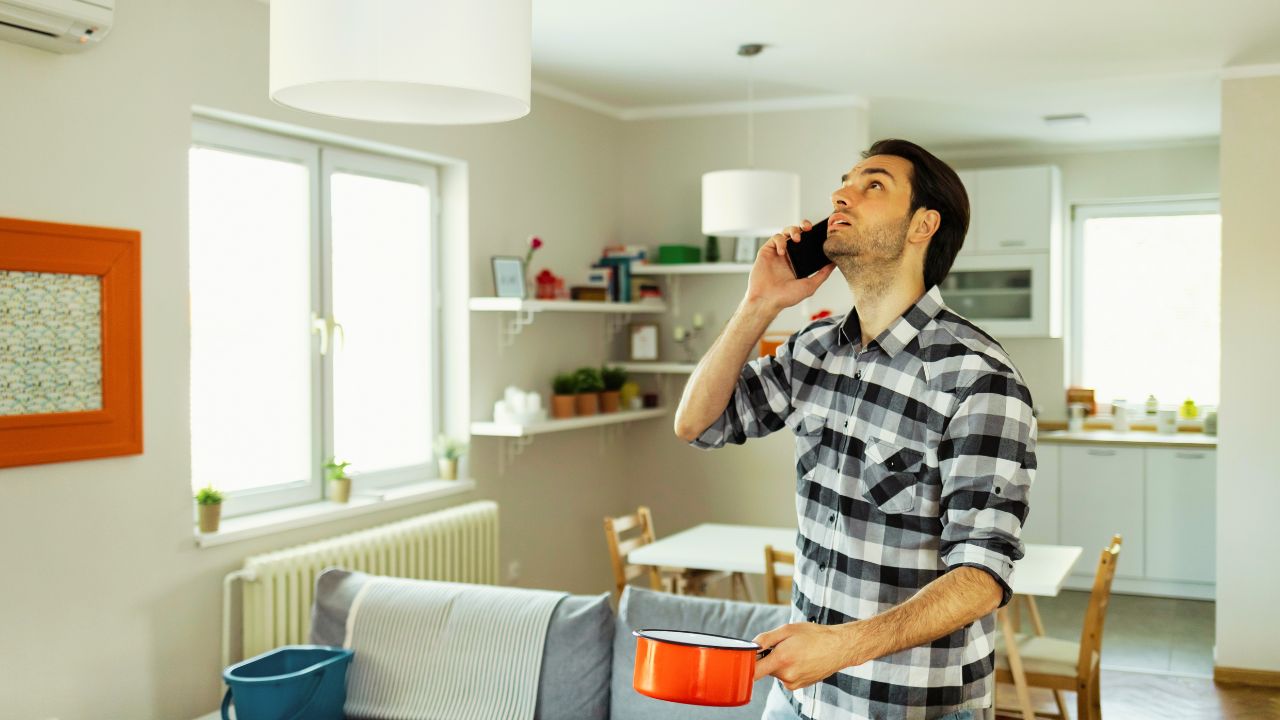
Shut off water immediately and call for help with active leaks, ceiling stains, or slab leak signs that threaten property. Emergency threshold indicators include wet flooring, sudden low pressure, running water sounds, and an inability to shut off water at the fixture. Knowing where the main shutoff sits before an emergency saves the minutes that decide how much flooring survives, and an emergency plumbing response guide covers the steps to take while a technician is on the way.
Finding reliable services becomes critical when emergency leak situations threaten property damage or safety. Suspected slab leaks, sewer or drain backups, and ceiling water stains require immediate professional response to minimize damage.
Effective Water Leak Prevention and Detection for Long-Term Home Protection
Household leaks waste nearly 900 billion gallons annually nationwide, roughly equal to the annual household water use of 11 million homes. The average household's leaks can account for more than 9,300 gallons of wasted water each year.
Nine percent of homes have leaks that waste 50 gallons or more per day, creating significant utility costs. The average family spends about $1,300 per year in water costs, and families can save about $500 with WaterSense and ENERGY STAR retrofits.
Consistent home leak prevention requires routine fixture inspections, water bill monitoring, and professional detection when warning signs appear. Homeowners who replace worn flappers, repair dripping fixtures, inspect supply lines, and respond quickly to hidden-leak symptoms protect their property and reduce unnecessary water waste.
Schedule Leak Detection With Alpine Plumbing, Heating, and Air
Alpine Plumbing, Heating, and Air provides leak detection, plumbing maintenance, and emergency repair for homeowners and businesses across the San Gabriel Valley, the Inland Empire, and Lake Havasu City, AZ. Our licensed and insured technicians (CA License #1041244) use acoustic listening equipment, thermal imaging, moisture meters, and camera inspection to locate hidden leaks, then explain the repair options and costs before any work begins.
If your water bill jumped, a floor feels warm, or a cabinet smells damp, have the system checked before the damage spreads. Call (626) 385-4001 to speak with our team, or request a free quote, and a technician will walk you through what the inspection covers and when they can be at your home.
Frequently Asked Questions
Q1. How much does professional leak detection cost?
A. Leak detection pricing depends on the method the job needs and how accessible the line is. An acoustic or moisture-meter check on an exposed line sits at the lower end, while slab work that needs thermal imaging, pressure testing, and camera inspection costs more because it takes longer and uses more equipment. Most plumbers quote detection separately from the repair, so ask for both figures before approving work. Our leak detection cost guide breaks down the factors that move the price.
Q2. How can I tell whether a leak is behind a wall?
A. Concealed leaks announce themselves indirectly. Look for a water bill that climbs with no change in habits, paint that bubbles or discolors, baseboards that swell, a musty smell in one room, or the sound of running water when every fixture is off. Confirm it with a meter test: shut off all water, note the reading, and check again an hour later. Movement on the dial with nothing running means water is escaping somewhere inside the system and needs professional detection.
Q3. How often should a toilet flapper be replaced?
A. Plan on a replacement at least every five years, and sooner if the toilet runs intermittently or the flapper feels stiff or slimy. Chlorinated water and tank cleaning tablets break down the rubber faster, which is why some flappers fail in two or three years. A worn flapper can waste 180 gallons per week while looking perfectly normal from the outside. The part costs a few dollars and takes about ten minutes to swap with the supply valve closed.
Q4. Does homeowners insurance cover water damage from a leak?
A. Policies commonly cover sudden accidental discharge, such as a burst supply line, but usually exclude damage from a leak that seeped for months and the cost of the failed part itself. That distinction is why the date a sign first appeared matters. Document the damage with photos, keep the plumber invoice that states the cause, and report the claim promptly. Review your own policy language or call your carrier, since coverage for slab leaks and mold varies widely between plans.
Q5. What should I do first during an active leak?
A. Close the shutoff valve at the fixture, and if that does not stop the flow, close the main shutoff for the house. Cut power to any area where water is near outlets or the electrical panel. Move belongings out of the path, then take photos for insurance before cleanup starts. Call a plumber once the water is off, and report ceiling water, sewage backup, or a suspected slab leak as an emergency so the visit is scheduled accordingly.
Welcome to Alpine Plumbing and Rooter, serving San Dimas and the surrounding areas as your reliable source for exceptional plumbing and drainage services. We also provide reliable licensed HVAC services.
After reviewing your information, we will contact you as soon as possible.
"*" indicates required fields
Alpine Plumbing, Heating, and Air
462 Borrego Ct Unit A, San Dimas, CA 91773
CA Plumbing/HVAC License: #1041244 AZ Plumbing License: ROC 362311
Welcome to Alpine Plumbing, Heating, and Air, serving San Dimas, San Bernardino, Lake Havasu, AZ, and the surrounding areas. We are your reliable source for exceptional plumbing, Heating, and Air Conditioning needs.